



Gaming Hardware Supply Crisis 2026 | PC Component Sellers Face 6-Month Lead Time Delays
- Memory chip prices doubled since October 2025; AI demand creates cascading shortages affecting gaming peripherals, PC components, and VR hardware through H1 2026






Overview
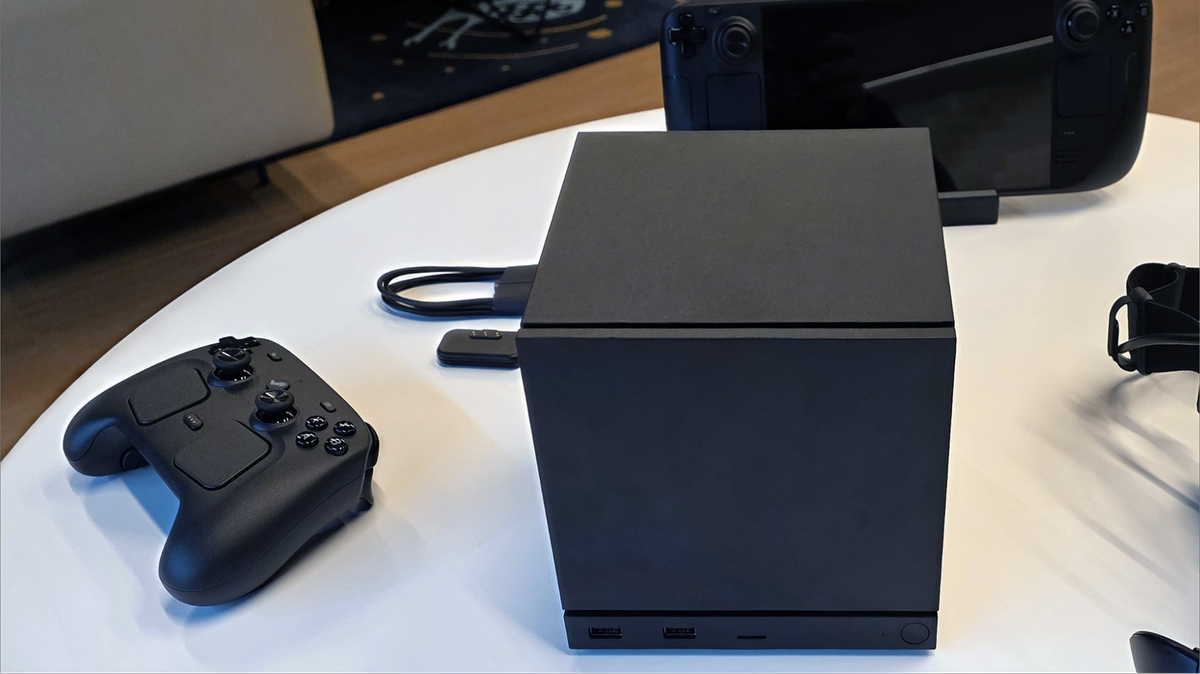
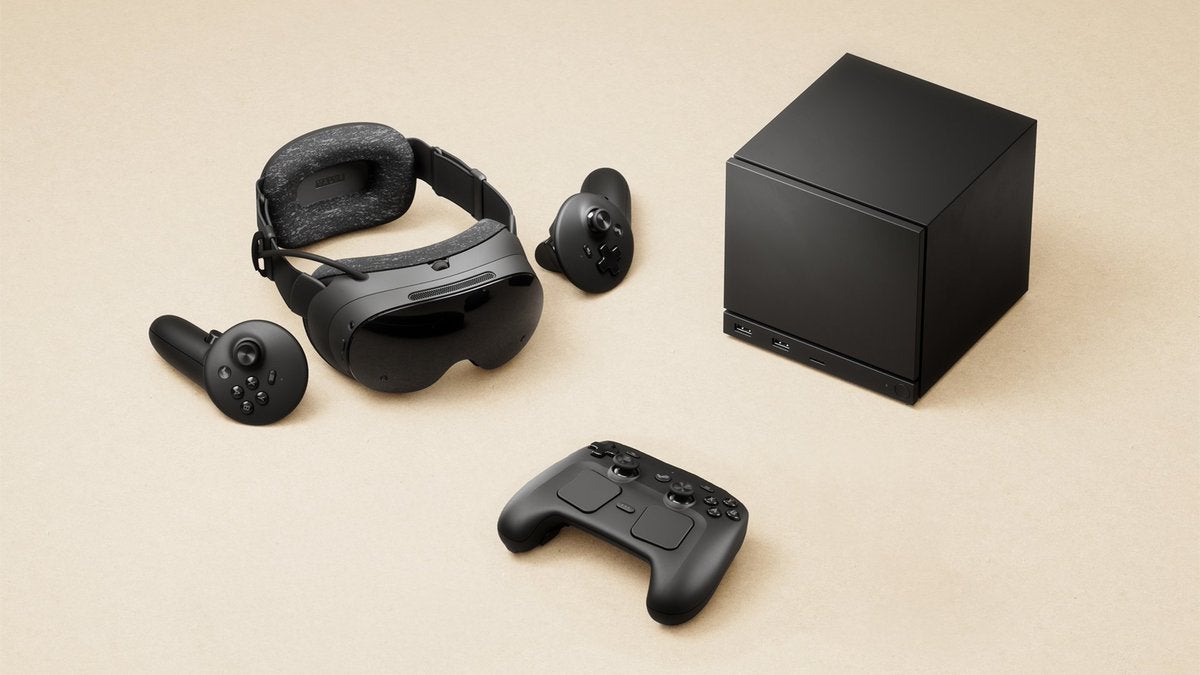
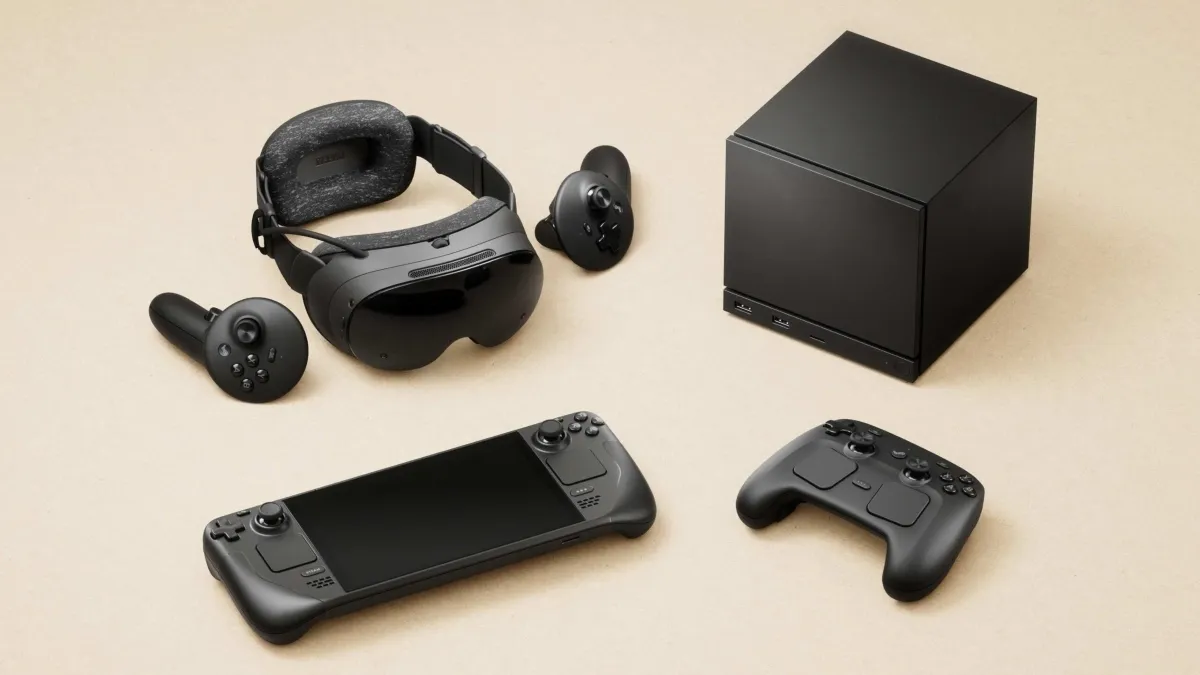
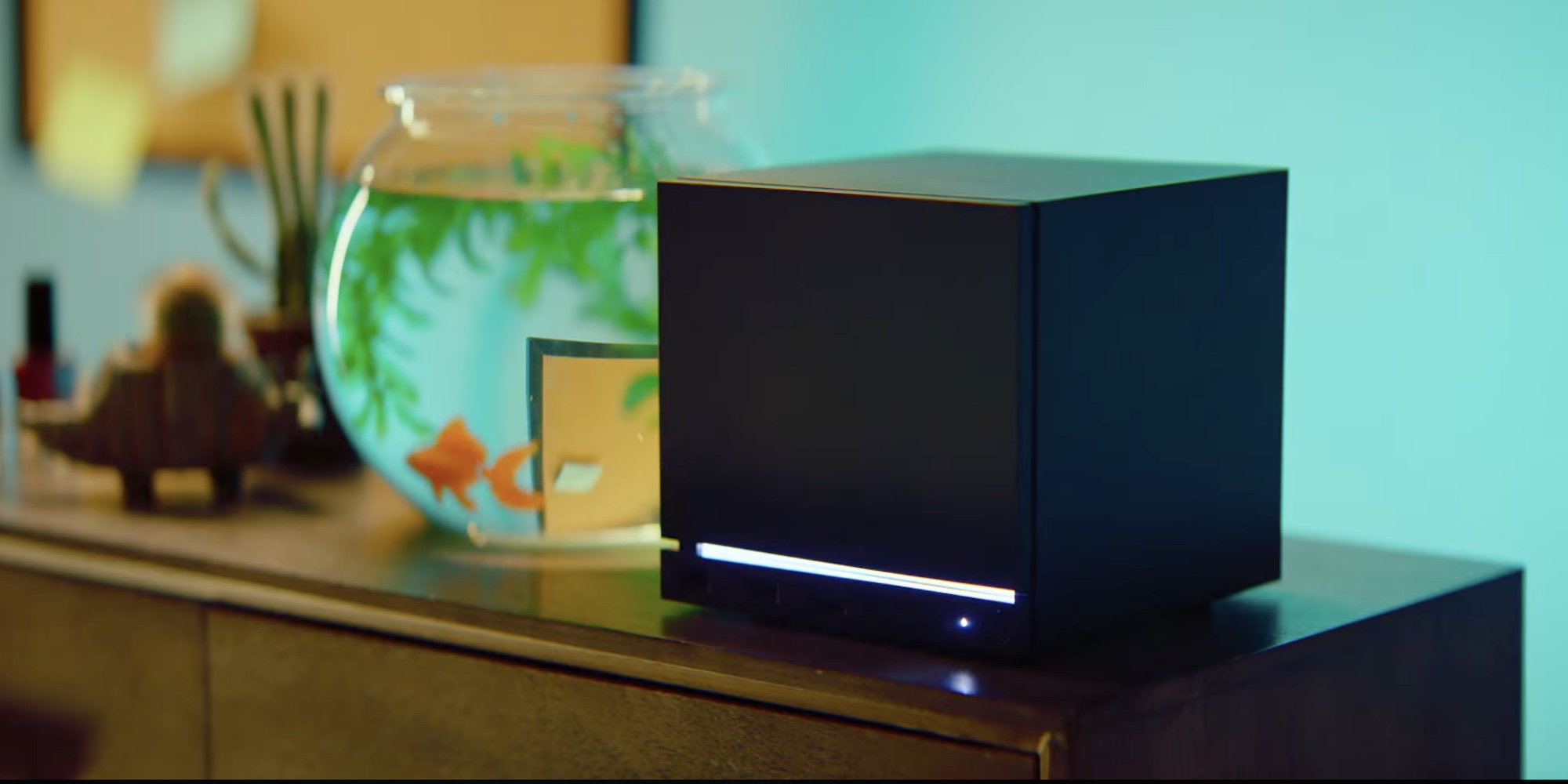
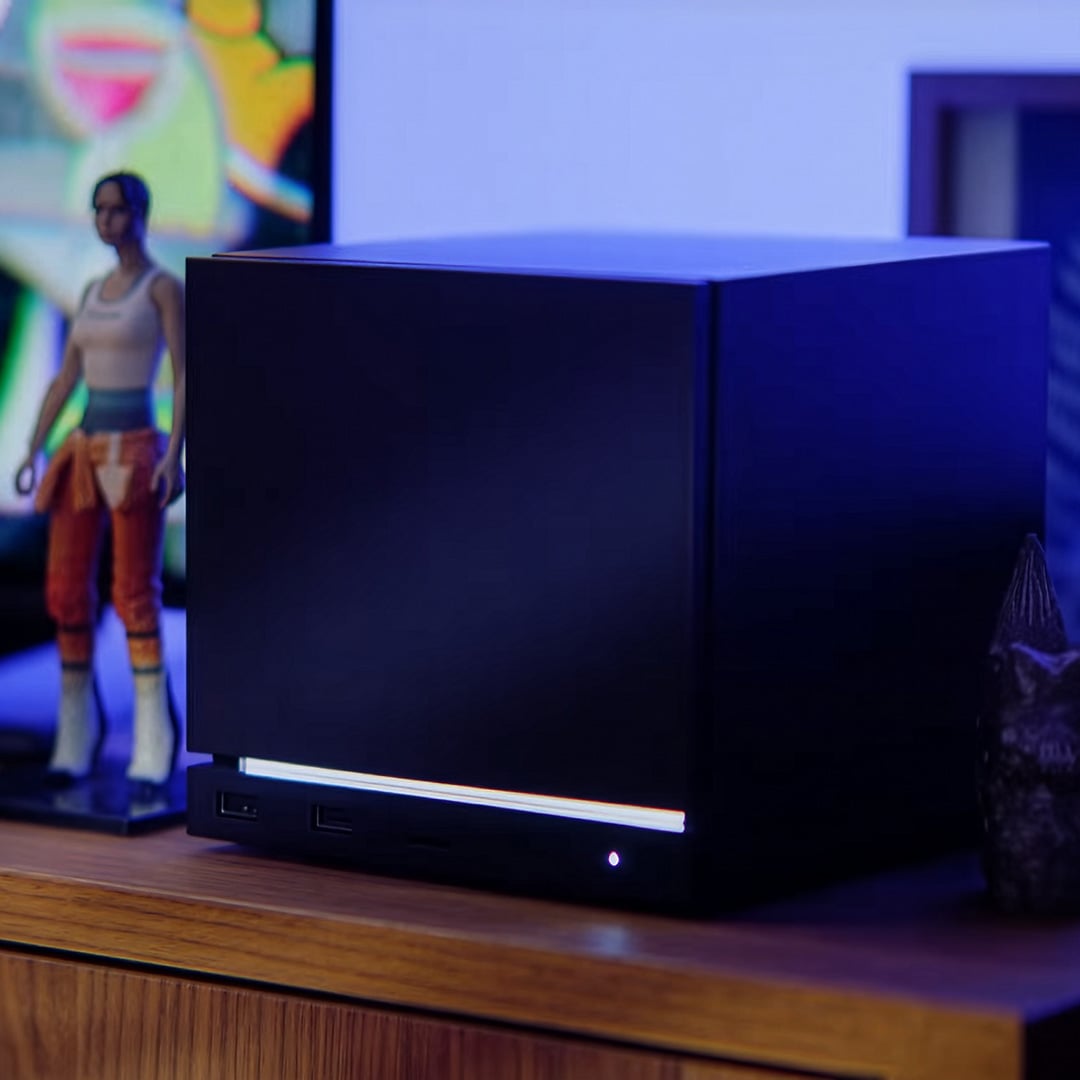
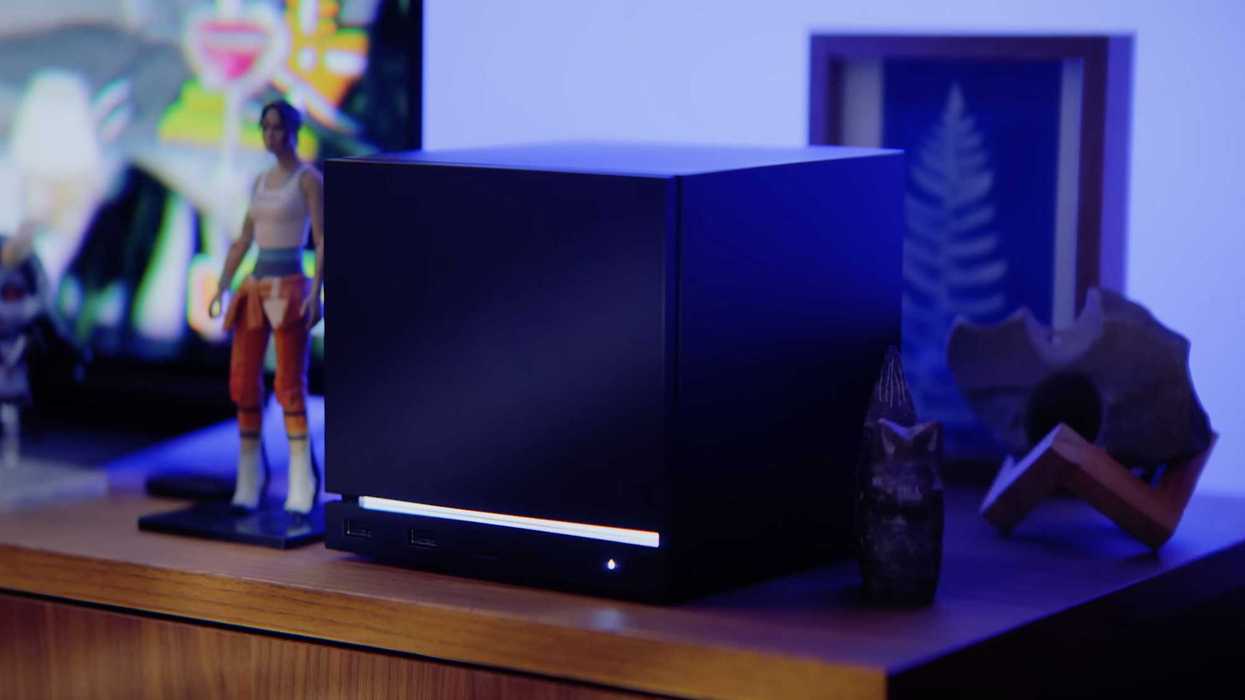
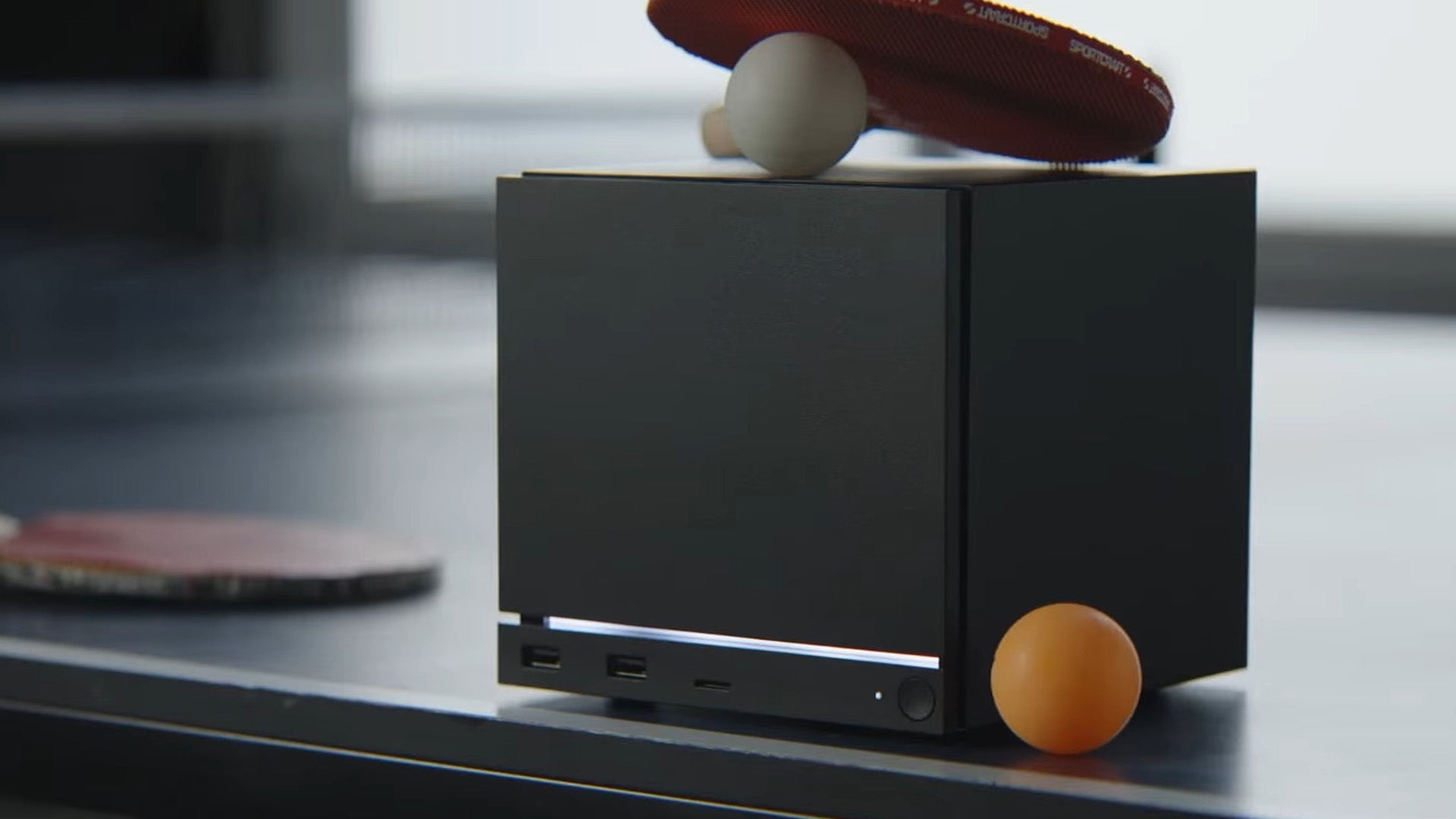
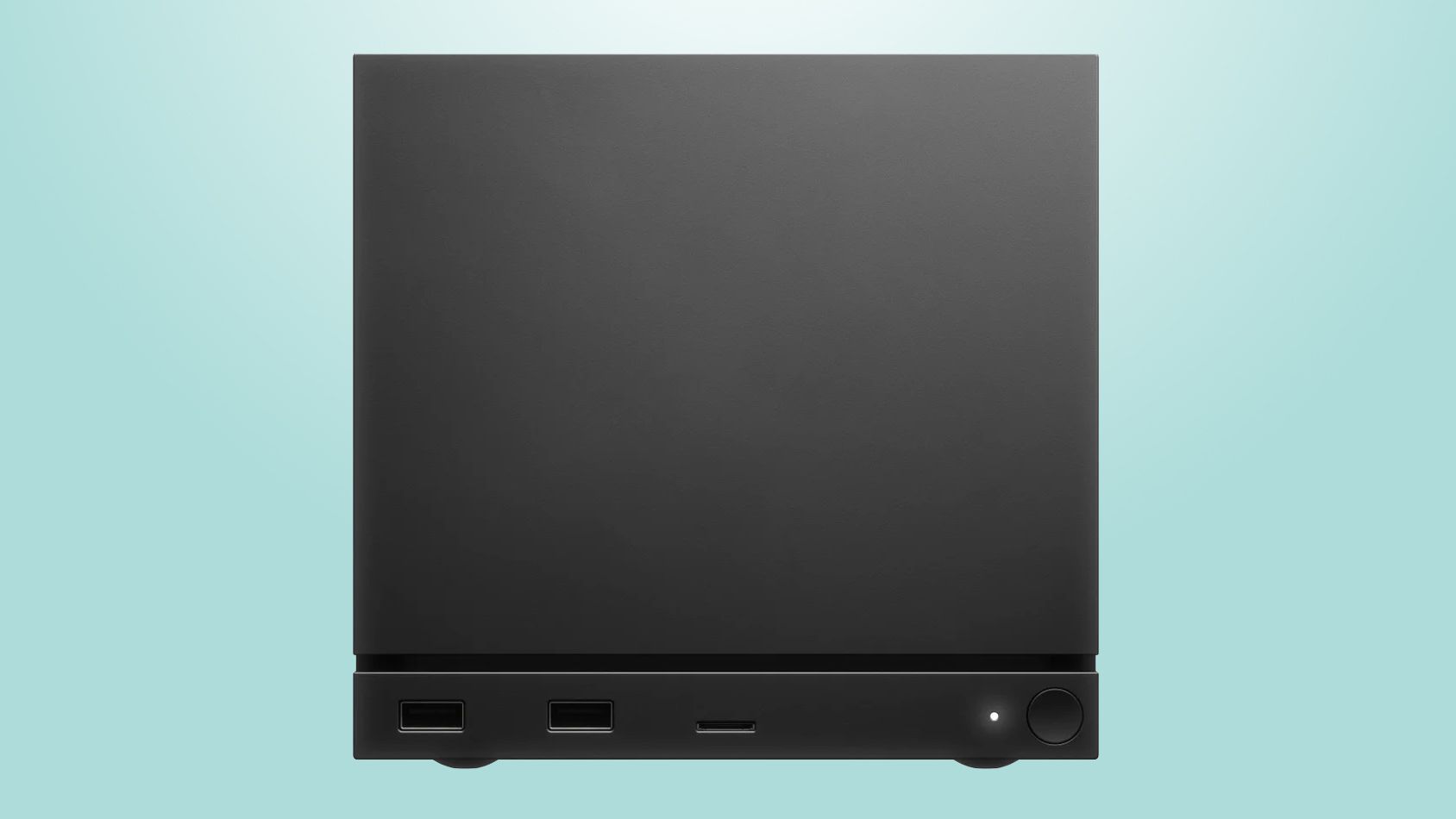
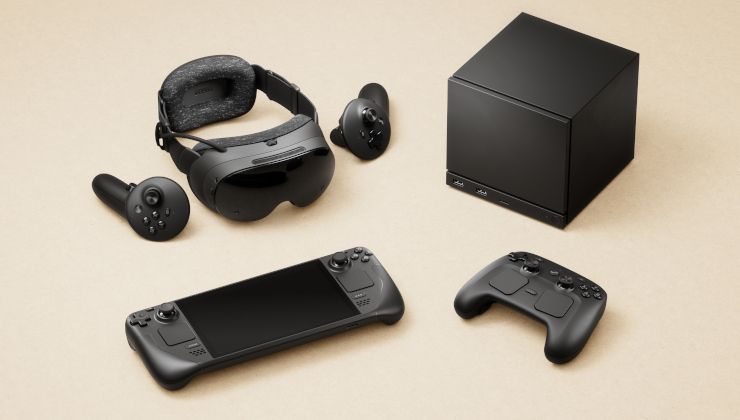
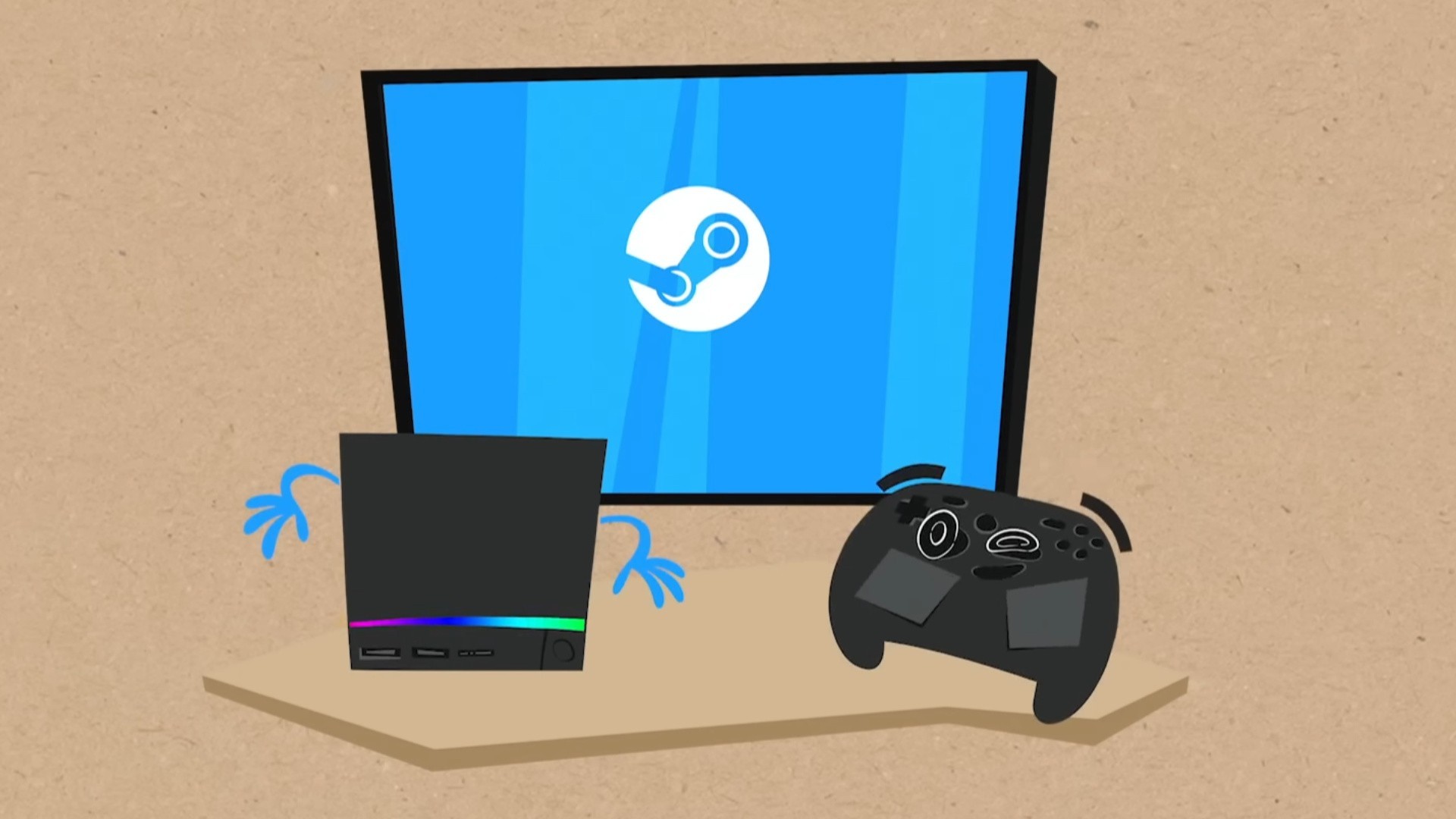
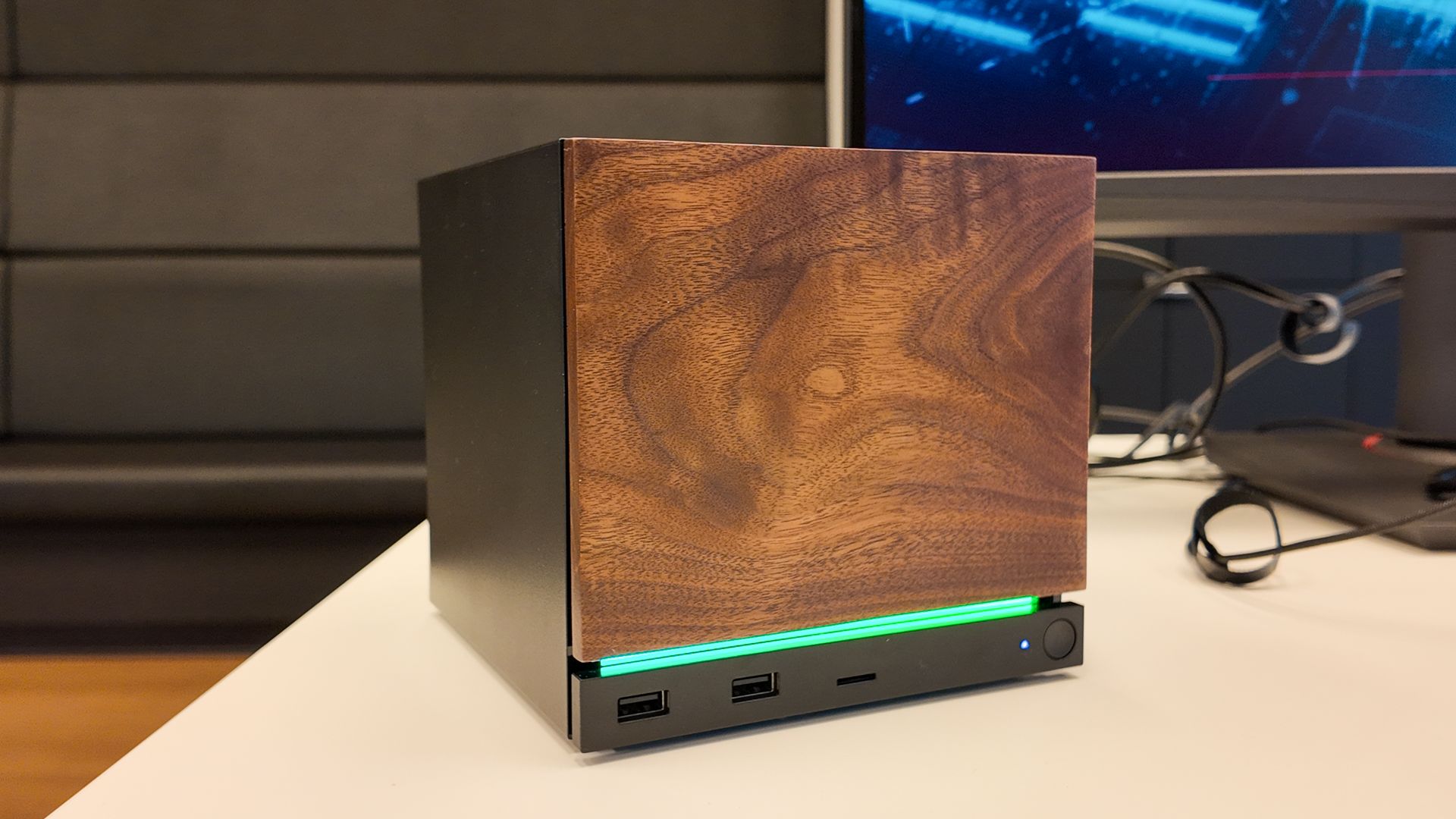
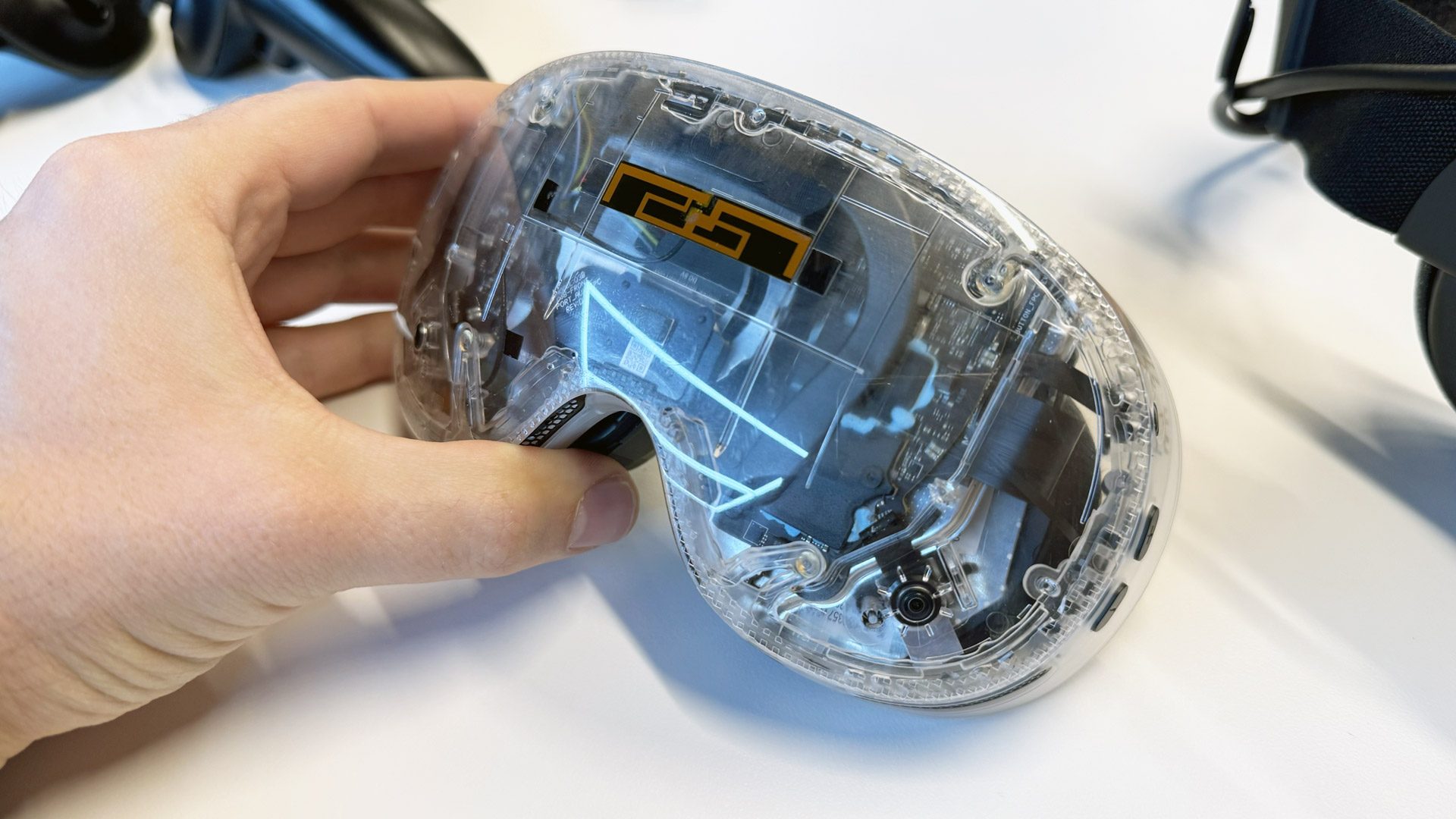
Valve's February 4, 2026 announcement of delayed hardware launches signals a critical supply chain inflection point for e-commerce sellers in gaming hardware and PC components. The company postponed exact shipping dates for three flagship products—Steam Machine, Steam Frame VR headset, and Steam Controller—originally targeted for early 2026, now committed only to "first half of 2026" delivery. The root cause: memory chip prices have more than doubled since October 2025 due to unprecedented demand for High Bandwidth Memory (HBM) from AI data centers, creating cascading supply constraints across GPU availability, RAM pricing, and storage components.
For cross-border e-commerce sellers, this represents a 6-month window of sustained margin compression and inventory volatility. Gaming hardware resellers and PC component distributors face three critical operational challenges: (1) Extended lead times from Asian suppliers (Taiwan, South Korea) now quoting 12-16 weeks for memory-intensive products versus historical 6-8 weeks; (2) Volatile pricing with RAM and GPU costs fluctuating 15-25% monthly, making fixed-price listings unsustainable; (3) Inventory planning paralysis as major OEM launches (Valve, competitors) remain uncertain, preventing sellers from pre-positioning stock in regional warehouses. Industry expert Chris Miller confirms suppliers are "aggressively pushing prices upward due to converging demand clarity and supply constraints across multiple memory chip categories."
The AI boom's demand for specialized semiconductors has created a two-tier market: data center components command premium pricing and priority allocation, while consumer gaming hardware faces allocation delays and cost inflation. Sellers relying on predictable component costs for custom PC builds, gaming laptop resale, or peripheral bundling will experience 8-15% margin compression through mid-2026. The delay also signals that Valve—despite its market position—cannot absorb component cost volatility, meaning smaller resellers have zero pricing power. Immediate inventory actions required: liquidate existing high-margin RAM/GPU stock before further price volatility; shift sourcing toward alternative suppliers (Eastern European distributors, secondary market channels); and redistribute inventory from US warehouses to EU/Asia-Pacific fulfillment centers where component availability remains marginally better.
Strategic opportunity exists in alternative product categories: sellers should pivot toward lower-memory-footprint gaming products (indie game bundles, retro gaming peripherals, esports accessories) that avoid direct competition with component shortages. The 6-month delay window also creates arbitrage opportunities for sellers with existing inventory—gray market pricing for current-generation components may reach 20-30% premiums before new products launch, creating temporary margin expansion for liquidation strategies.
Questions 8
How do Valve's delays affect competitive positioning for other gaming hardware sellers?
Valve's transparent communication about supply chain challenges creates a 6-month competitive advantage window for sellers offering alternative gaming solutions. With Steam Machine, Steam Frame VR, and Steam Controller launches delayed to H1 2026, sellers can capture market share in gaming PC bundles, VR accessories, and controller alternatives without direct OEM competition. This is particularly valuable for Amazon and eBay sellers offering pre-built gaming systems, as consumer demand for gaming hardware remains strong despite component shortages. Sellers should emphasize inventory availability and faster shipping times (2-3 day delivery) as differentiators against delayed OEM products. The delay also signals that even market leaders cannot absorb component cost volatility, validating sellers' need for dynamic pricing and flexible sourcing strategies.
When should sellers liquidate existing inventory versus hold for price appreciation?
Liquidate high-margin RAM and GPU inventory immediately through February-March 2026 while gray market pricing remains elevated at 20-30% premiums. Valve's delay announcement confirms component shortages will persist through H1 2026, creating a 4-6 month window where current-generation stock commands premium pricing before new products launch. Hold lower-margin items (controllers, peripherals) for 60-90 days as these categories face less pricing pressure. Monitor Valve's official launch date announcements—once specific dates emerge (expected March-April 2026), liquidation windows close rapidly as new product availability increases supply. For Amazon FBA sellers, prioritize inventory turnover over holding costs; storage fees ($0.87/unit/month for oversize items) will exceed margin gains if inventory sits beyond Q2 2026.