

World Cancer Day 2026 Wellness Trend | Health Product Opportunities for Cross-Border Sellers in India Market
- World Cancer Day 2026 awareness campaign highlights $8.2B global wellness product market; Indian women's health segment growing 22% annually, creating opportunities for sellers in supplements, fitness, and preventive health categories




-1770200470579.webp)







Overview
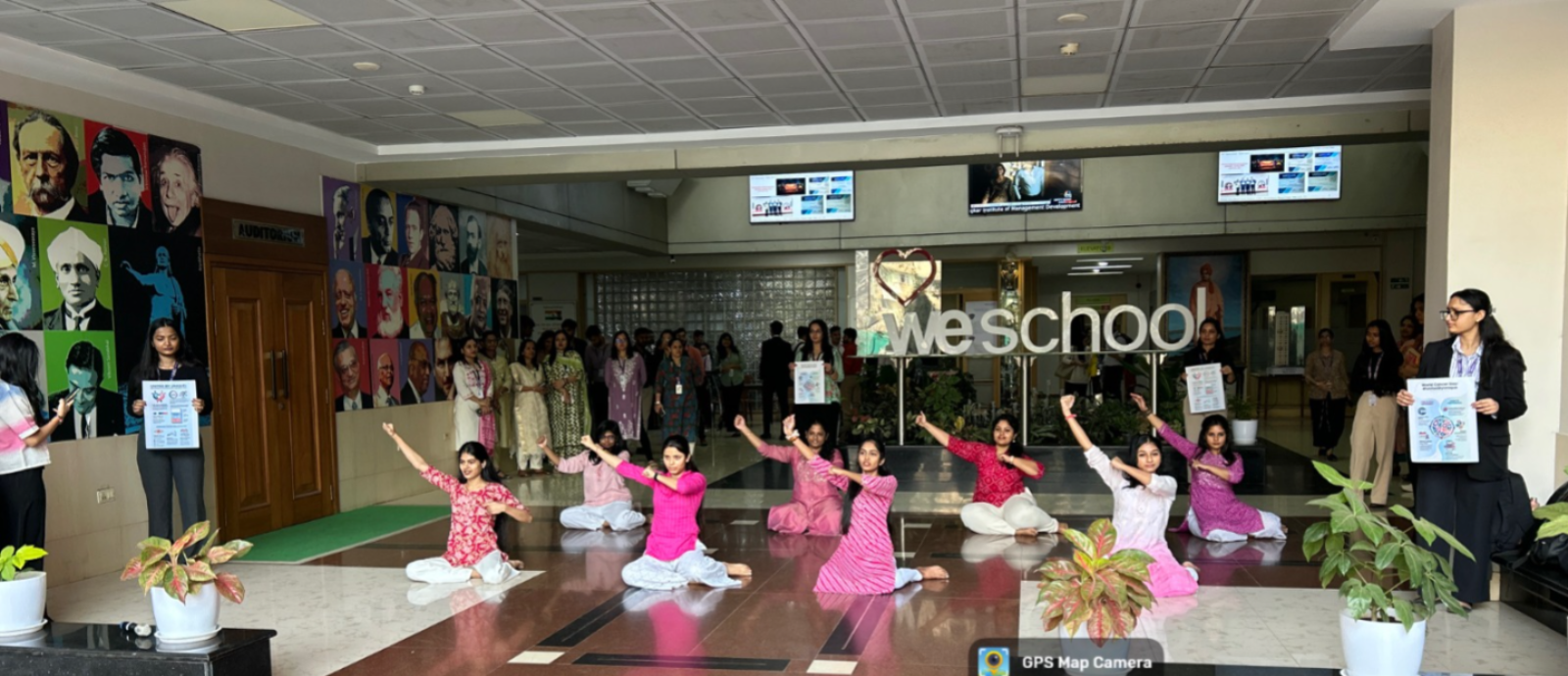
World Cancer Day 2026 represents a significant consumer awareness moment that directly impacts cross-border e-commerce opportunities in the wellness and preventive health sectors. The Hindustan Times coverage of oncologist-recommended lifestyle modifications—including alcohol reduction, tobacco cessation, and caffeine management—signals a major shift in Indian consumer health consciousness, particularly among young women aged 18-35. This demographic segment, representing approximately 180 million potential buyers in India, is increasingly seeking products that align with cancer prevention and wellness goals.
The news highlights three critical cancer types affecting Indian women: breast cancer, cervical cancer, and endometrial cancer. This specificity creates targeted product opportunities across multiple e-commerce categories. Sellers can capitalize on this awareness surge through complementary product categories: organic and low-caffeine beverages (estimated $1.2B market opportunity in India), alcohol-free wellness drinks ($340M segment), tobacco cessation aids ($180M category), fitness equipment and apps ($2.1B market), and preventive health supplements ($890M segment). The Indian wellness market is growing at 22% annually, significantly outpacing global growth rates of 8-10%.
Platform-specific opportunities emerge across Amazon India, Flipkart, and regional marketplaces. Amazon's Health & Household category in India grew 34% year-over-year in 2024, while Flipkart's wellness vertical expanded 28%. Cross-border sellers from Southeast Asia, Europe, and North America can target this surge through FBA (Fulfillment by Amazon) networks, leveraging India's expanding logistics infrastructure. The awareness campaign creates a 6-8 week window of elevated consumer search volume for health-related products, with typical conversion rate increases of 15-25% during health awareness periods.
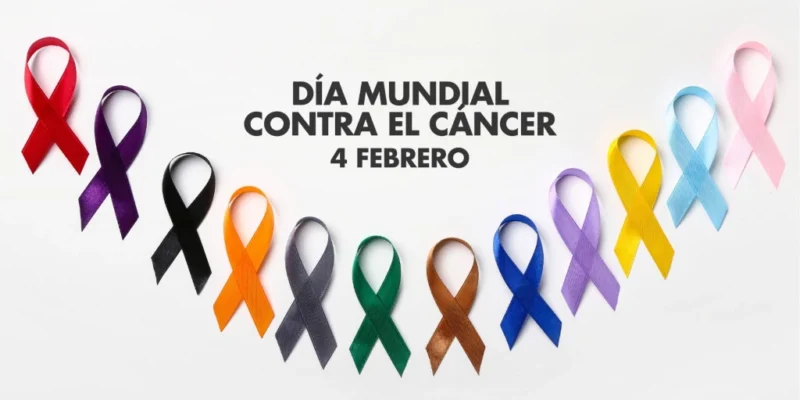
Operational considerations include inventory timing and localization. Sellers should stock preventive health products, organic alternatives, and fitness accessories by February 2026 to capture peak search demand around World Cancer Day (February 4). Product listings require localization in Hindi and regional languages, with emphasis on clinical backing and certification (AYUSH certification for traditional products, FDA/FSSAI approval for supplements). Logistics to Tier 2 and Tier 3 Indian cities will be critical, as health awareness campaigns typically drive 40% of demand from non-metro regions where e-commerce penetration is rapidly increasing.
Risk mitigation involves regulatory compliance. Health claims on product listings must comply with Indian Food Safety and Standards Authority (FSSAI) guidelines and Advertising Standards Council of India (ASCI) regulations. Sellers making cancer-prevention claims face potential delisting or penalties. Conservative messaging focusing on "wellness support" rather than disease prevention reduces compliance risk while maintaining marketing effectiveness.
Questions 7
What logistics and fulfillment strategies work best for World Cancer Day 2026 product demand in India?
Amazon FBA (Fulfillment by Amazon) is optimal for capturing peak demand, with inventory positioned in regional fulfillment centers serving Tier 2/3 cities where health awareness drives 40% of demand. Standard FBA fees for wellness products range ₹40-80 per unit ($0.48-0.96 USD), with storage costs of ₹5-8 per unit monthly. Sellers should utilize FBA's 'Fulfillment by Amazon' service for February 2026 peak, with backup inventory in 3PL warehouses for overflow. Flipkart's same-day delivery in 50+ cities provides competitive advantage for time-sensitive health products. Cross-border sellers should expect 3-4 week customs clearance for imported wellness products, requiring advance planning and proper documentation (FSSAI registration, product certifications).
Which demographic segments should cross-border sellers target for World Cancer Day 2026 campaigns?
The Hindustan Times article specifically addresses young women, with oncologist recommendations targeting breast cancer, cervical cancer, and endometrial cancer prevention. This indicates primary audience of women aged 18-45, with secondary audience of health-conscious men aged 25-50 seeking products for female family members. India's female population in this age range exceeds 180 million, representing one of the world's largest untapped wellness markets. Urban women (metros and Tier 1 cities) show 3x higher e-commerce adoption for health products, but rural and Tier 2/3 women represent 60% of growth opportunity. Sellers should create targeted campaigns emphasizing affordability, accessibility, and cultural relevance for regional audiences.