
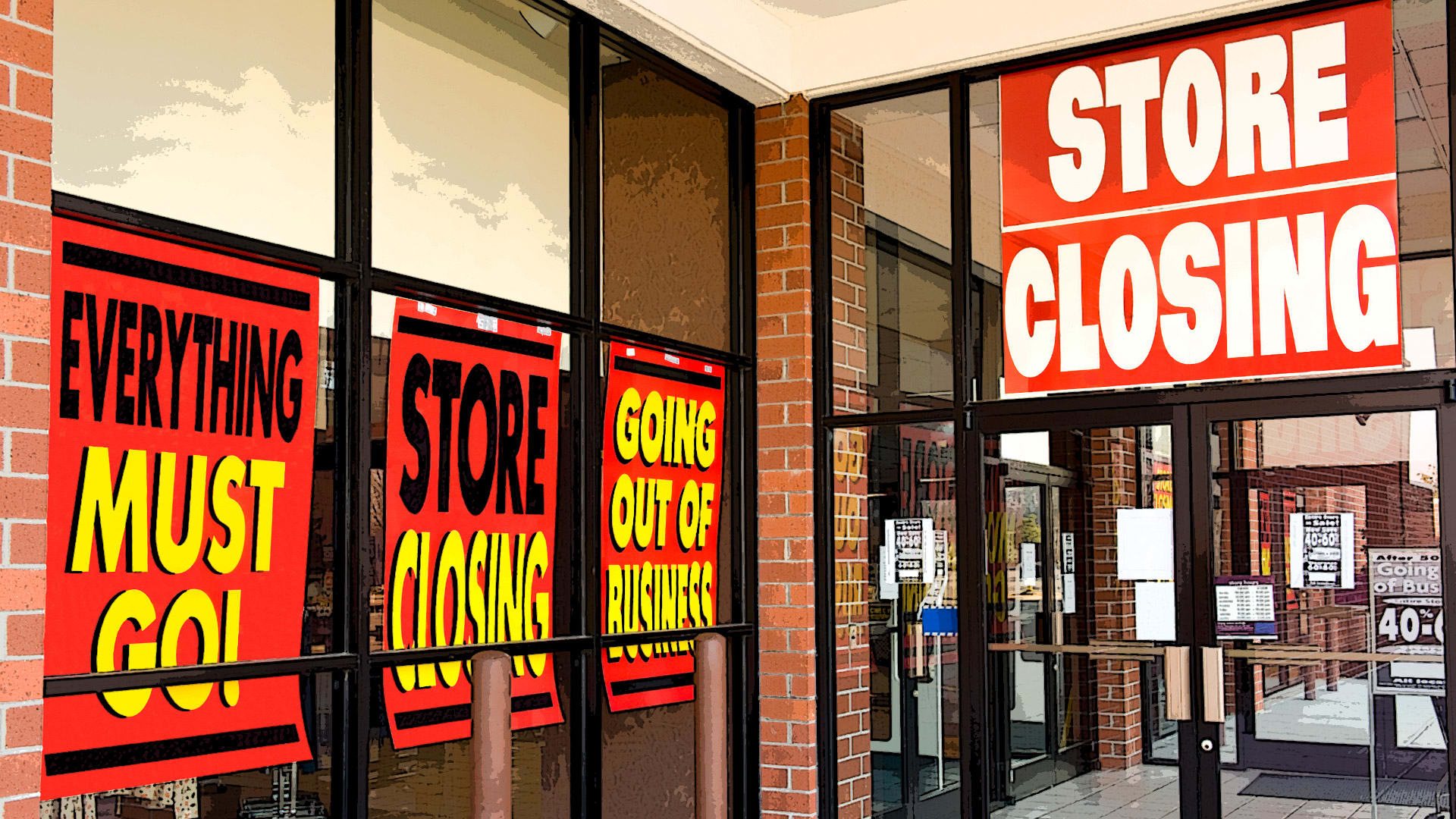
The Great Retail Collapse Accelerates: Physical Stores Vanish as Digital Dominance Reshapes Shopping
- Massive store closures signal fundamental transformation in brick-and-mortar retail ecosystem
Overview
The offline retail landscape is experiencing a seismic transformation in 2025, marked by an unprecedented wave of store closures that reveals deep structural shifts in consumer shopping behaviors. With Coresight Research predicting a net loss of over 9,000 retail locations—approximately 15,000 stores closing while only 5,800 new stores open—the traditional physical retail model is rapidly unraveling.
Retail Apocalypse Dynamics are crystallizing through the comprehensive liquidations of iconic brands like Party City, Joann, and Rite Aid. These closures represent more than isolated business failures; they signal a fundamental restructuring of how consumers interact with physical retail spaces. Party City's shutdown of 700 U.S. locations, Joann's elimination of 800 craft stores, and Rite Aid's complete pharmacy network dissolution underscore a critical trend: physical retail must radically reinvent or risk extinction.
The underlying drivers of this transformation are multifaceted. Consumer preferences are increasingly gravitating toward digital convenience, prioritizing seamless, efficient shopping experiences over traditional in-store interactions. Retailers struggling to adapt their supply chains, implement cost-cutting technologies, and deliver superior customer experiences are finding themselves most vulnerable. This evolution suggests that offline retail's future lies not in maintaining extensive physical footprints, but in creating strategic, high-value physical touchpoints that complement digital ecosystems.
For e-commerce sellers and retail strategists, these developments represent both a warning and an opportunity. The market is demanding hyper-efficient, technology-integrated retail models that can provide instant gratification, personalized experiences, and frictionless purchasing journeys. Brands that can successfully bridge online and offline channels—creating omnichannel experiences that feel intuitive and seamless—will be the survivors in this rapidly evolving landscape.
Questions 3
What strategies can retailers use to survive the offline retail transformation?
Successful retailers must focus on creating integrated omnichannel experiences, leveraging technology to provide personalized shopping journeys, optimizing supply chains, and developing high-value physical touchpoints that complement digital platforms. The key is viewing physical stores as strategic brand experiences, not just transactional spaces.
Why are so many physical retail stores closing in 2025?
The closures stem from shifting consumer preferences toward digital shopping, high operational costs, and retailers' inability to create compelling in-store experiences that complement online channels. Brands like Party City, Joann, and Rite Aid demonstrate that traditional retail models are struggling to adapt to technology-driven consumer expectations.