


Baltic Maritime Enforcement Surge | Cross-Border Sellers Face 15-25% Shipping Cost Increases
- Estonia's February 2026 detention operations signal aggressive customs enforcement affecting South American-to-Russia trade corridors; sellers sourcing from Ecuador/Colombia face 5-7 day delays and enhanced documentation requirements














Overview
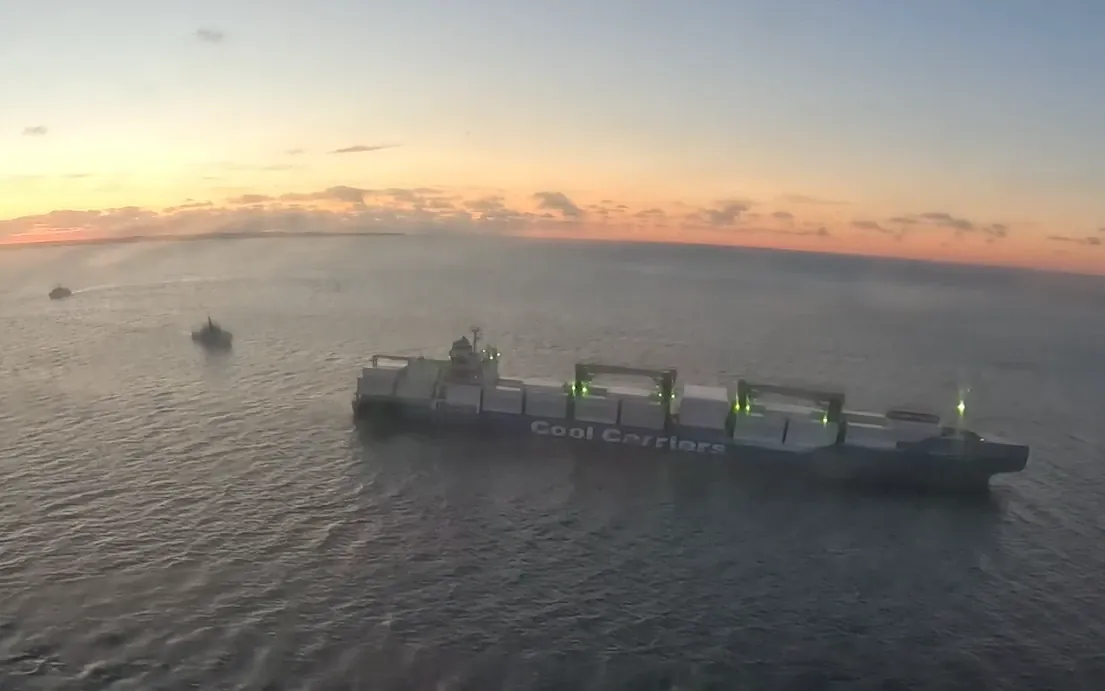
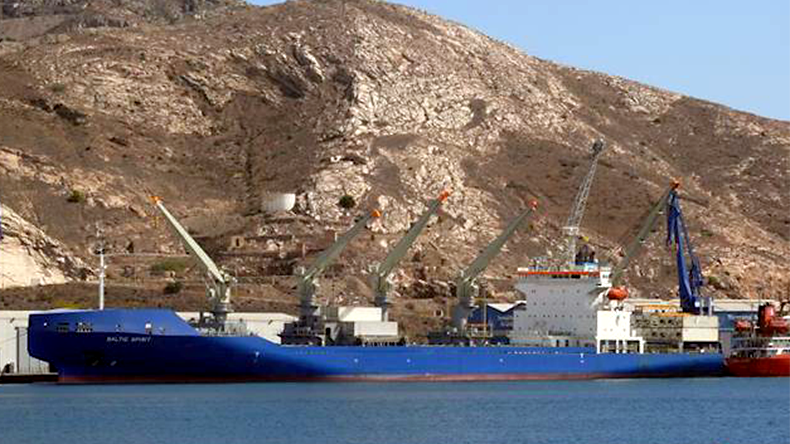
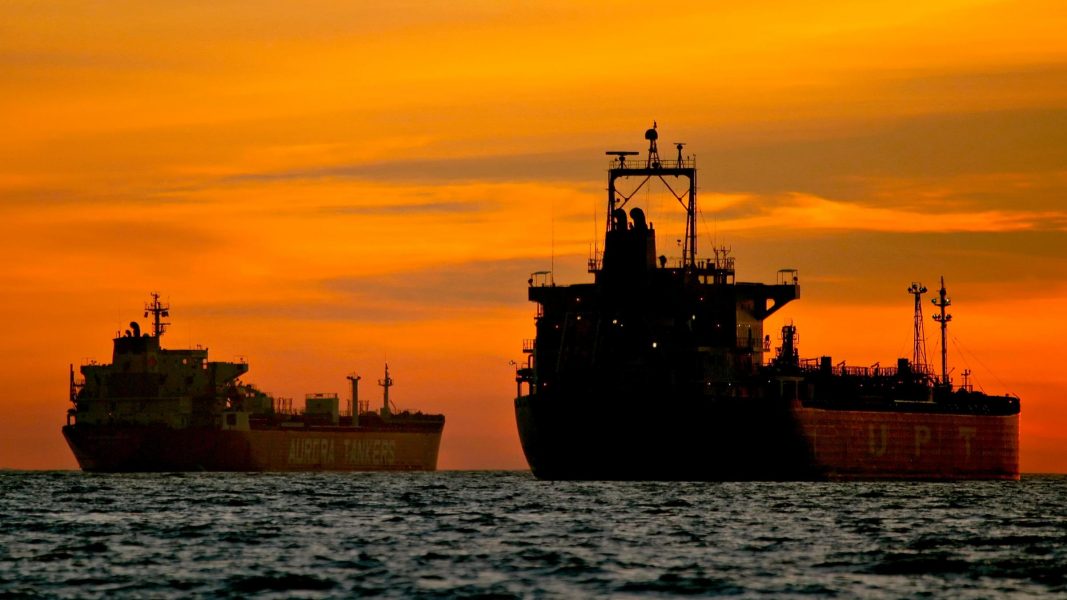
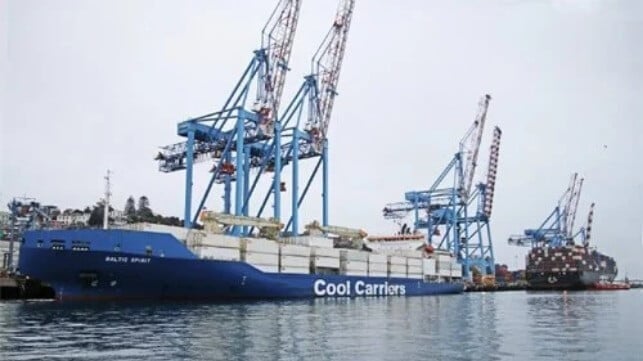
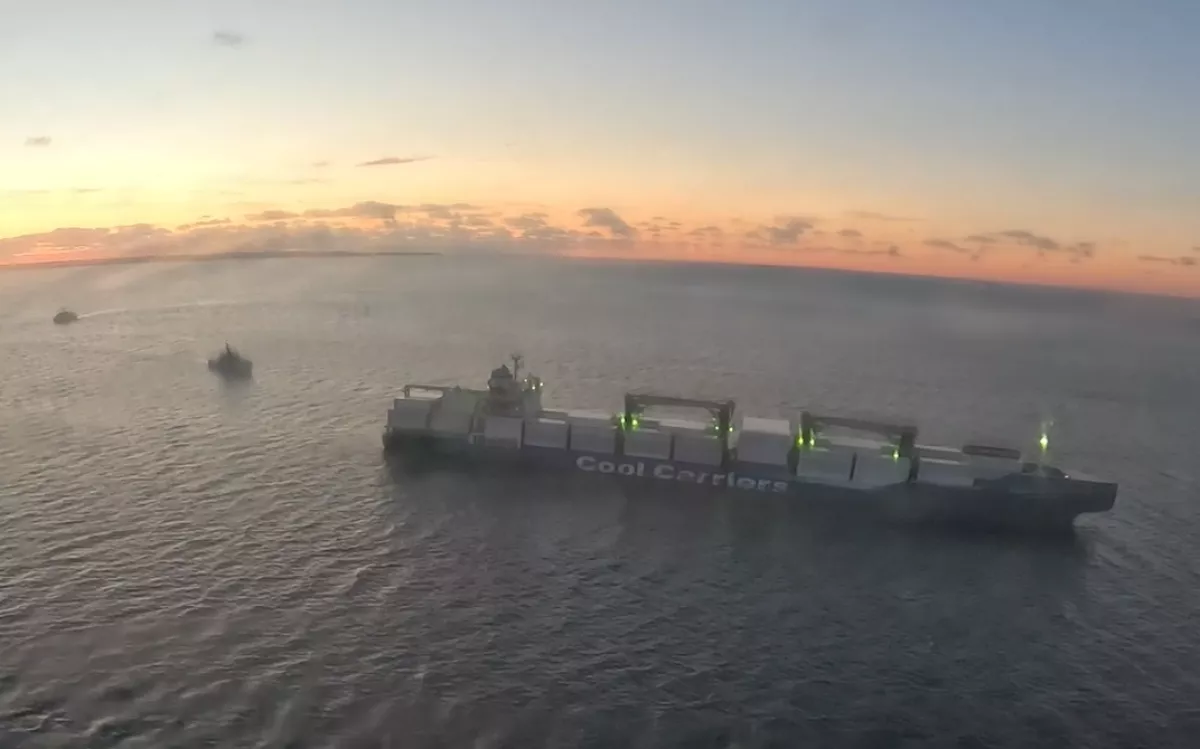
Estonia's coordinated maritime enforcement operations in February 2026 represent a critical inflection point for cross-border e-commerce sellers utilizing Baltic shipping routes. The detention of the Baltic Spirit—a legitimate, non-sanctioned refrigerated container vessel traveling from Ecuador to St. Petersburg—signals that European customs authorities are implementing aggressive interdiction protocols affecting legitimate commerce. This is not sanctions enforcement; it's customs-focused smuggling prevention that creates operational friction for all sellers using these corridors, regardless of compliance status.
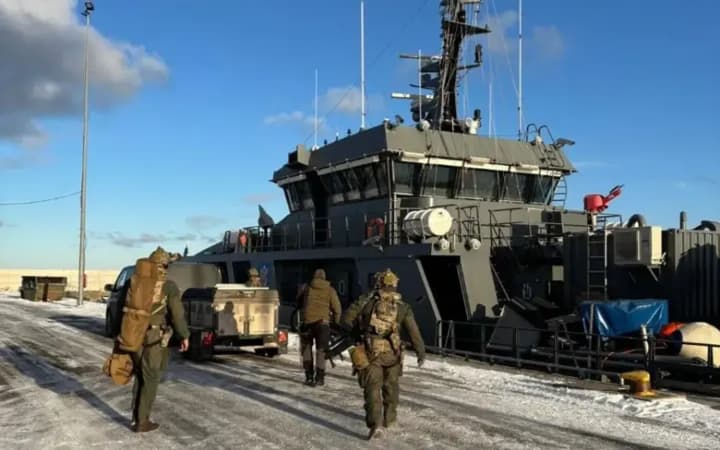
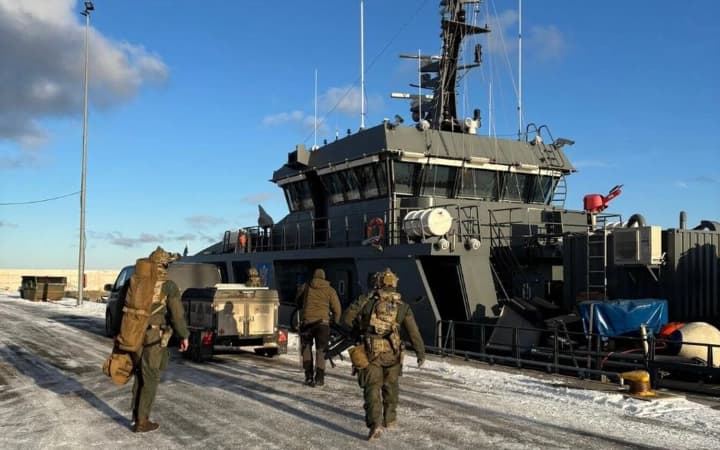
The operational scale demonstrates unprecedented enforcement capacity. Estonia deployed 50+ personnel across multiple agencies (Police, Border Guard, Tax and Customs Board, State Fleet), supported by naval vessels and K-Commando special forces units. This represents Estonia's first large-scale maritime interdiction operation, establishing a precedent that will likely spread across Nordic and Baltic states. For sellers, this means: (1) Shipping delays of 5-7 days for vessels transiting Gulf of Finland anchorages during inspection procedures; (2) Mandatory enhanced documentation including detailed cargo manifests, shipper certifications, and origin verification for South American sourcing; (3) Insurance cost increases of 8-12% as maritime insurers adjust premiums for routes with heightened interdiction risk.
The geographic targeting creates specific sourcing vulnerabilities. The Baltic Spirit's Ecuador-to-Russia routing highlights that customs authorities are specifically monitoring South American agricultural and perishable product flows. Sellers sourcing bananas, tropical fruits, refrigerated goods, and fresh produce from Ecuador and Colombia face the highest scrutiny. However, the broader pattern affects all container traffic through the Gulf of Finland—a critical corridor connecting Baltic ports (Tallinn, Riga, Klaipėda) to European distribution networks. Sellers using these ports for inventory distribution to EU markets should expect 3-5 day processing delays as standard customs inspections intensify.
The competitive advantage shifts toward sellers with compliant logistics infrastructure. Sellers partnering with 3PL providers that maintain transparent documentation systems, pre-cleared carrier relationships, and established customs broker networks will experience minimal delays (1-2 days). Sellers using spot-market shipping or carriers with limited compliance histories face 7-14 day delays. This creates a cost-of-compliance advantage worth $200-400 per 20-foot container for sellers with established logistics partnerships. Mid-market sellers (500-2,000 units/month) should budget $1,500-3,000 monthly for enhanced compliance documentation and expedited customs clearance services.
The timing window for strategic adjustment is 60-90 days. Sellers should immediately audit their logistics partners' compliance certifications and customs broker relationships. Those currently using Baltic routes for Russian market access should evaluate alternative corridors (North Sea ports, Mediterranean routes) or shift to air freight for high-margin perishables. The enforcement pattern suggests this will intensify through Q2 2026, making early route diversification a competitive advantage. Sellers who delay this assessment will face compounding delays and cost increases as other carriers adjust their risk premiums.
Questions 8
What is the compliance risk if my shipment is detained like the Baltic Spirit?
The Baltic Spirit was released after 2-3 days with no violations found, indicating detention is primarily a delay cost, not a compliance penalty. However, the investigation is ongoing, creating uncertainty. For sellers, the primary risks are: (1) Spoilage costs for perishables ($500-2,000 per container); (2) Detention fees ($500-1,200/day); (3) Demurrage charges from shipping lines ($100-300/day); (4) Reputational damage if shipments miss delivery windows. Total cost of a 5-day detention: $3,000-8,000 per container. Mitigation: ensure all documentation is complete and consistent, use compliant carriers, and maintain customs broker relationships. The risk is financial, not legal, for legitimate commerce.
How does this enforcement affect my sourcing strategy for South American products?
The Baltic Spirit's Ecuador-to-Russia routing highlights that customs authorities are specifically monitoring South American agricultural flows. Sellers sourcing bananas, tropical fruits, cocoa, or other perishables from Ecuador and Colombia should: (1) Verify supplier certifications and export documentation quality; (2) Use established freight forwarders with Baltic port experience; (3) Consider consolidating shipments to reduce per-unit detention costs; (4) Evaluate alternative sourcing regions (Central America, Africa) with lower enforcement scrutiny. The enforcement is not targeting specific products but rather the South American-to-Russia corridor. Sellers can maintain sourcing but must accept 5-7 day delays and 8-12% cost increases as permanent structural changes to this trade route.