



Geopolitical Pressure Reshapes Global Oil Markets: Venezuela's Maritime Blockade Signals New Trade Dynamics
- Escalating US sanctions create strategic disruptions in international energy trade corridors













Overview
The global oil market is experiencing a profound transformation driven by geopolitical strategic interventions, with the United States leveraging maritime and economic pressure to reshape energy trade dynamics. Geopolitical tensions are no longer background noise but a primary mechanism of market manipulation, particularly evident in the unfolding scenario around Venezuela's oil exports.
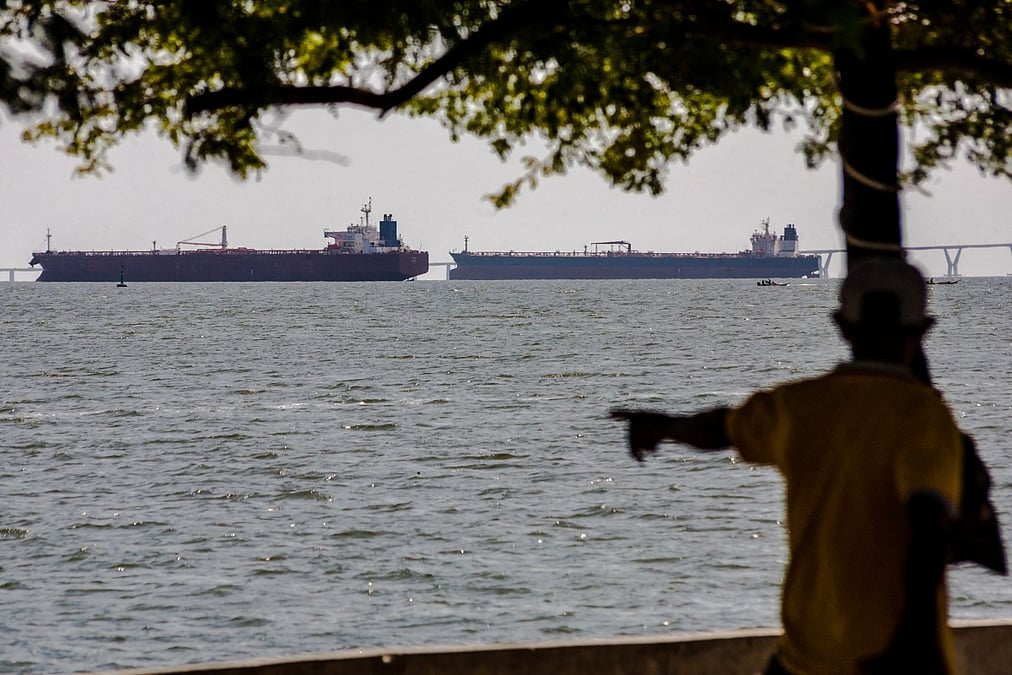
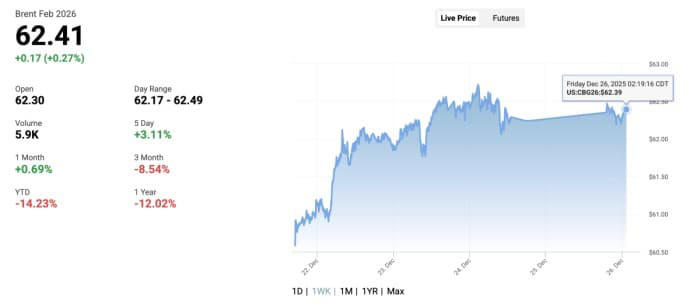
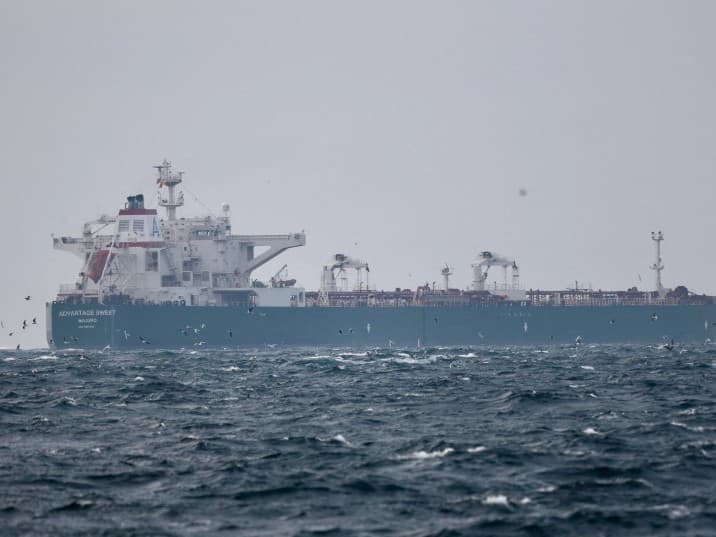
Strategic maritime actions by the US have created a complex disruption landscape, with a targeted blockade of Venezuelan crude shipments signaling a new approach to economic pressure. The data reveals critical market indicators: Brent crude trading above $62 per barrel and West Texas Intermediate (WTI) futures fluctuating around $58, reflecting the market's sensitivity to these interventions. The US is effectively using maritime interdiction as a sophisticated trade weapon, creating uncertainty that directly impacts global energy pricing.
The broader implications extend far beyond Venezuela. Crude oil supply chains are being fundamentally reconfigured through these geopolitical maneuvers. The US's actions suggest a strategic playbook where maritime control and targeted sanctions can create significant market volatility. For international traders and logistics professionals, this represents more than a temporary disruption—it's a structural shift in how global energy markets operate.
Critically, these developments underscore the interconnected nature of geopolitical strategy and commodity markets. The maritime blockade is not just an isolated incident but part of a broader strategy of economic pressure. Countries are increasingly using trade corridors and shipping routes as geopolitical leverage points, transforming traditional notions of international commerce.
The market's response—with oil prices showing resilience and even modest gains—indicates that traders are adapting to this new paradigm of geopolitically driven market dynamics. Companies operating in energy-intensive sectors must now factor geopolitical risk into their strategic planning, recognizing that maritime actions, sanctions, and diplomatic tensions are as crucial to understanding market movements as traditional supply-demand metrics.
Questions 3
How are US maritime actions impacting Venezuelan oil exports?
The US is implementing a strategic maritime blockade targeting Venezuelan crude shipments, effectively quarantining oil tankers and creating significant market uncertainty. This approach disrupts Venezuela's export capabilities and signals a new form of economic pressure through maritime interdiction.
What are the broader implications for international energy traders?
Traders must now incorporate geopolitical risk assessment into their strategic planning. The maritime blockade demonstrates that shipping routes, diplomatic tensions, and strategic interventions are becoming as critical to market analysis as traditional supply-demand metrics.