



Watch Market Revolution: Innovation Meets Affordability in 2025
- Emerging trends redefine timepiece design for digital-first consumers and budget-conscious collectors
Overview
The watch industry in 2025 is experiencing a transformative moment where technological innovation and accessible design converge to reshape consumer expectations. At the heart of this revolution lies a critical shift: watchmakers are no longer competing solely on traditional metrics of precision, but on creating distinctive experiences that blend cutting-edge engineering with compelling aesthetic narratives.
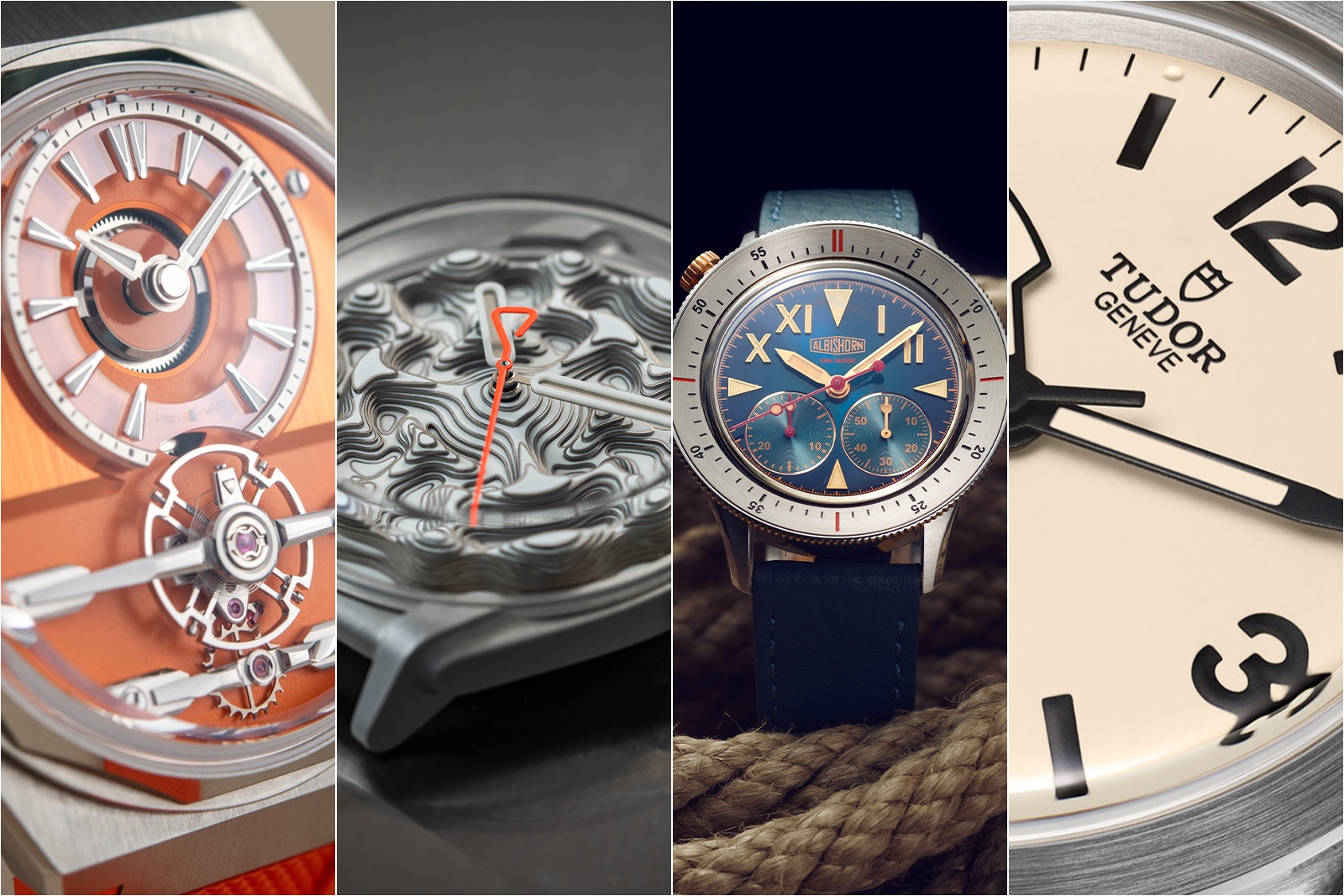
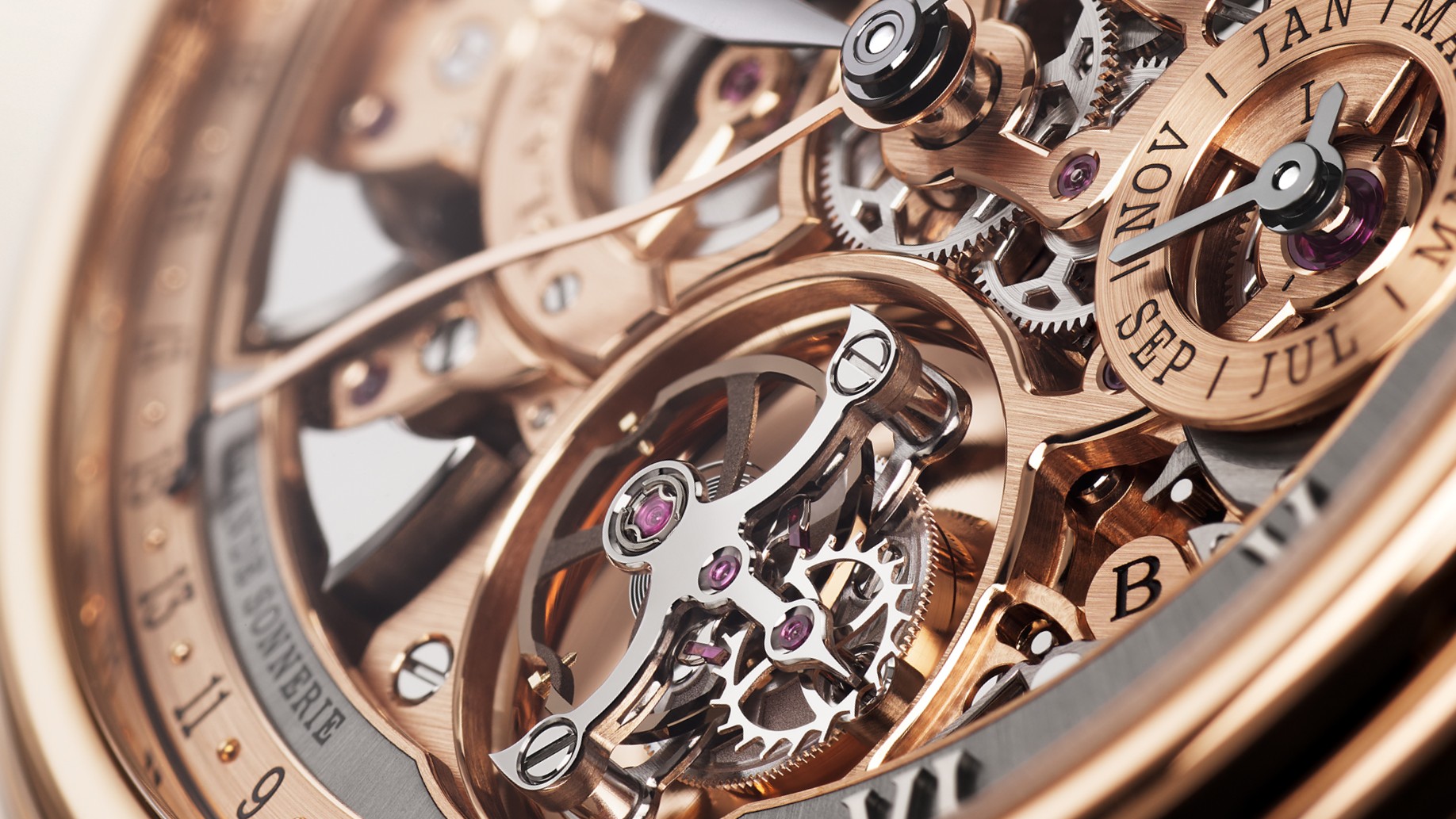
Technological Innovation as a Differentiator emerges as the primary strategic driver. Brands like Breguet are pushing boundaries with revolutionary technologies, such as the Expérimentale 1's magnetic escapement enabling unprecedented -1 second per day accuracy. Similarly, Seiko's Rotocall demonstrates how mechanical innovation can reimagine user interaction through its innovative rotating bezel control mechanism. These developments signal a broader trend: watches are evolving from mere timekeeping devices to sophisticated technological platforms.
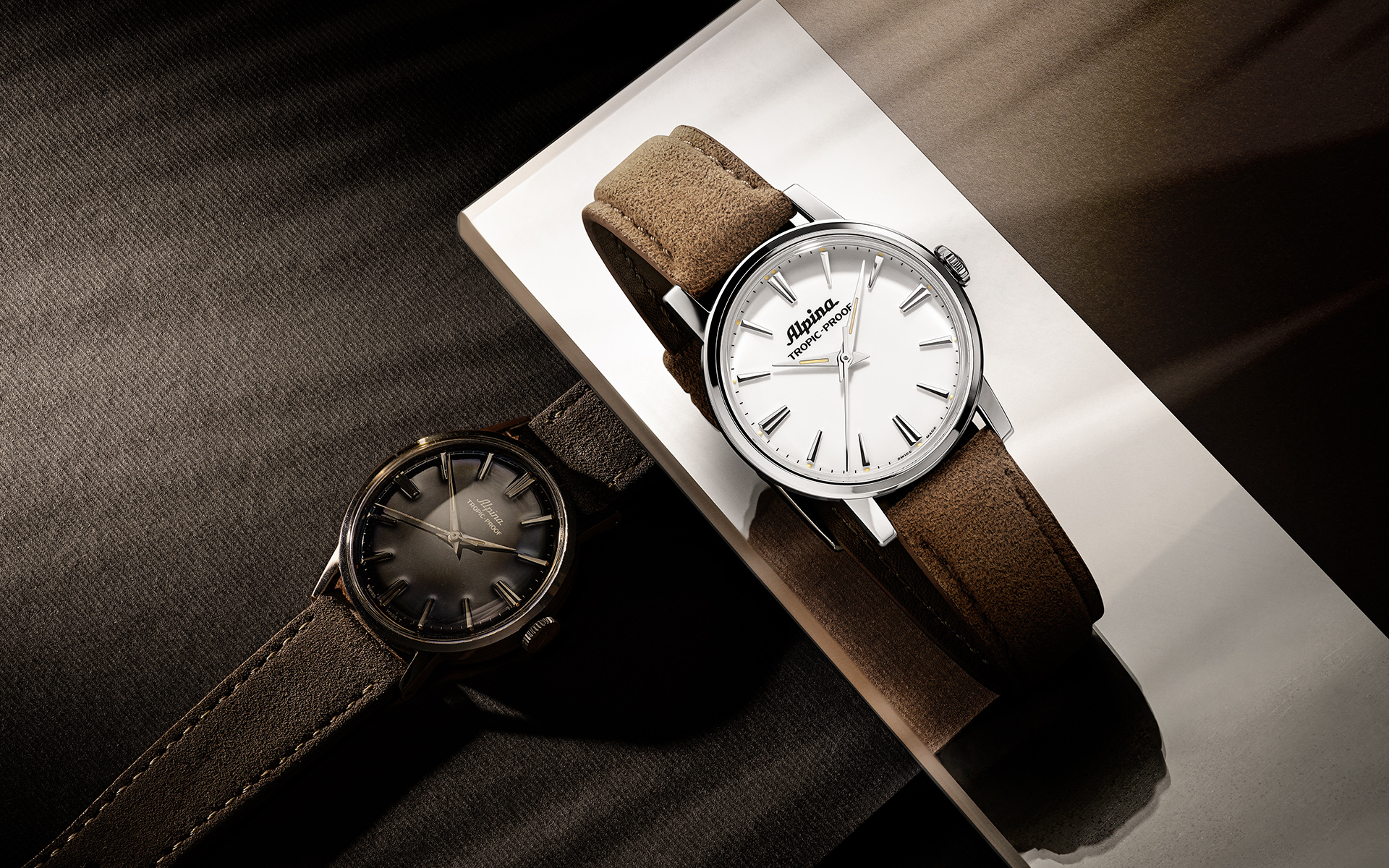
Democratization of Design and Technology represents the second critical trend. The affordable watch market is experiencing unprecedented diversification, with brands like Unimatic, Lorier, and Brew challenging established manufacturers. Cross-brand collaborations and limited edition releases—such as Nomos's Club Sport neomatik Worldtimer with its unique colorways—demonstrate a new approach to product development. Consumers now expect personalized, accessible timepieces that combine heritage design with modern manufacturing techniques.
For digital marketers and e-commerce sellers, these trends present remarkable opportunities. The market is signaling strong demand for watches that offer:
- Unique technological features
- Distinctive design narratives
- Affordable price points (under $1,000)
- Collaborative and limited-edition models
The strategic imperative is clear: success will come to those who can curate collections that blend vintage inspiration, minimalist aesthetics, and functional technology. Brands that master this delicate balance between innovation, design, and accessibility will capture the emerging watch enthusiast market.
Questions 3
What technological innovations are driving the watch market in 2025?
Key innovations include magnetic escapement technology (like Breguet's Expérimentale 1), innovative control mechanisms (Seiko's Rotocall), and ultra-lightweight designs (Ulysse Nardin's Diver Air). These technologies focus on precision, user interaction, and material engineering.
How are affordable watch brands competing with luxury manufacturers?
Emerging brands like Unimatic, Lorier, and Brew are competing through unique collaborations, distinctive design narratives, and offering high-quality timepieces under $1,000. They're targeting consumers seeking personalized, technologically innovative watches at accessible price points.