



Community Resilience and Policy Transformation in the Wake of Antisemitic Violence
- Unprecedented National Strategy Redefines Security and Social Cohesion for Australian Society

















)





Overview
The Bondi Beach terrorist attack represents a pivotal moment in Australia's national security and social policy landscape, triggering a comprehensive multi-dimensional response that transcends traditional crisis management. On December 14, 2025, a devastating antisemitic attack that claimed multiple lives has catalyzed an extraordinary governmental and societal transformation, revealing deep strategic insights into community resilience and policy innovation.
The Australian government's response is distinguished by its holistic approach, simultaneously addressing security, community healing, and symbolic recognition. Prime Minister Anthony Albanese's announcement of a national bravery award signals a profound commitment to honoring civilian heroism, exemplified by individuals like Ahmed al Ahmed, the Syrian-Australian Muslim who risked his life to disarm an attacker. This narrative of cross-cultural solidarity directly challenges the attackers' divisive intentions.
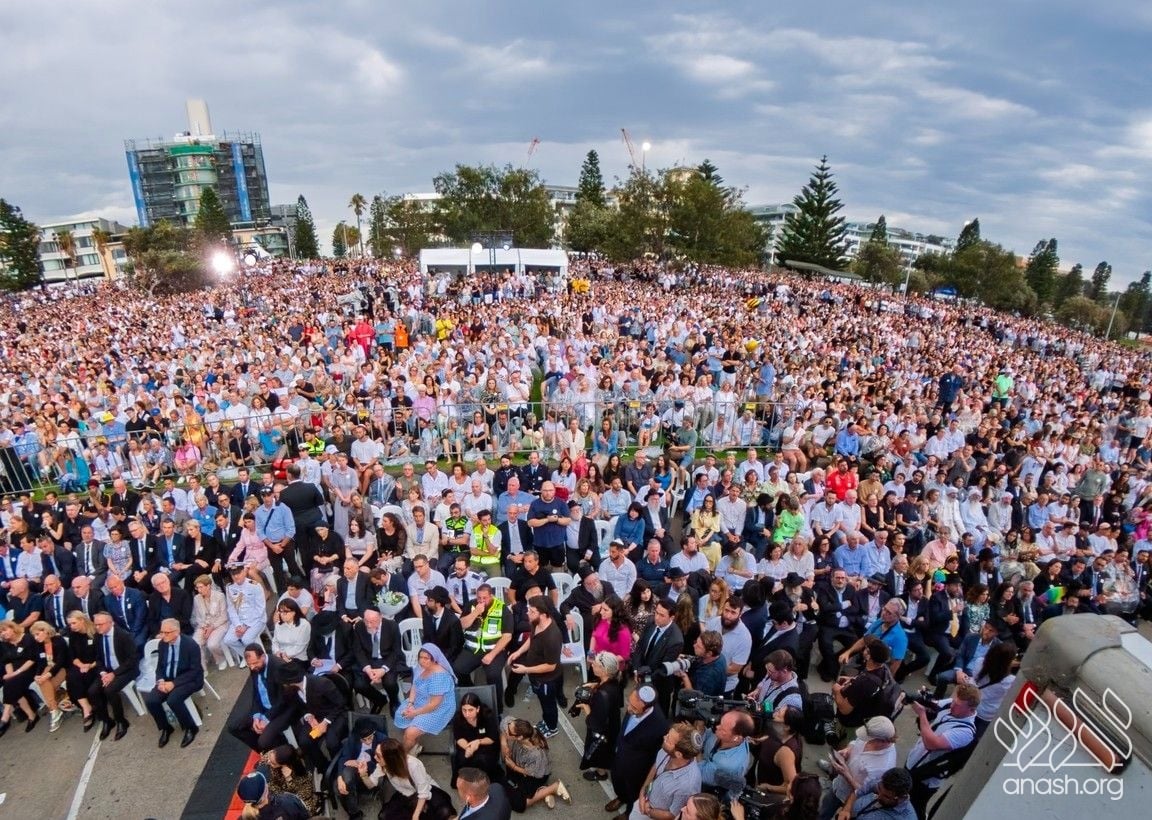
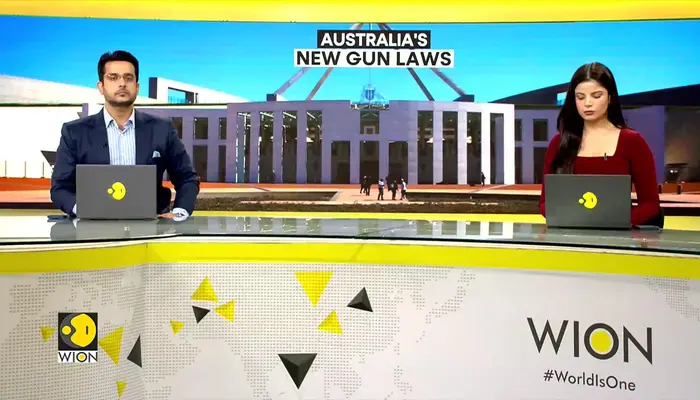
The policy reforms are particularly noteworthy for their strategic depth. Gun control legislation introduces unprecedented restrictions, including a cap of four firearms per individual, two-year licensing terms, and expanded police powers. These measures represent more than reactive policy—they constitute a systematic reimagining of public safety frameworks. The legislative package goes beyond traditional security approaches by integrating community engagement, as demonstrated by the innovative 'One Mitzvah for Bondi' campaign, which transforms collective trauma into a constructive social movement.
For cross-border businesses and e-commerce platforms, these developments signal significant compliance and operational shifts. Enhanced background check requirements, potential import/export restrictions, and stricter regulations around restricted items will necessitate agile adaptation. The reforms suggest a broader trend of integrating security considerations more deeply into commercial and social infrastructures.
The attack, described as Australia's worst massacre since 1996, has triggered a national recalibration of security strategies. By emphasizing both hard security measures and soft power approaches like community healing initiatives, the Australian government is crafting a nuanced response that addresses root causes of extremism while preserving social cohesion.
Questions 3
What makes the 'One Mitzvah for Bondi' campaign strategically significant?
The campaign transforms collective trauma into constructive social action, demonstrating a sophisticated approach to community healing. By encouraging citizens to perform acts of kindness, the government creates a positive narrative that directly counters the attackers' divisive intentions.
How does this attack change Australia's national security approach?
The response reveals a multi-dimensional strategy that balances hard security measures with community engagement. By integrating legislative reforms, symbolic recognition of heroism, and social healing initiatives, Australia is developing a more holistic approach to preventing extremist violence.