


Persian Gulf Maritime Enforcement Escalation | Shipping Cost Impact for Cross-Border Sellers
- Iran's intensified naval operations increase insurance premiums 8-15% and shipping delays 5-10 days for sellers routing inventory through Strait of Hormuz corridor




)





)



Overview
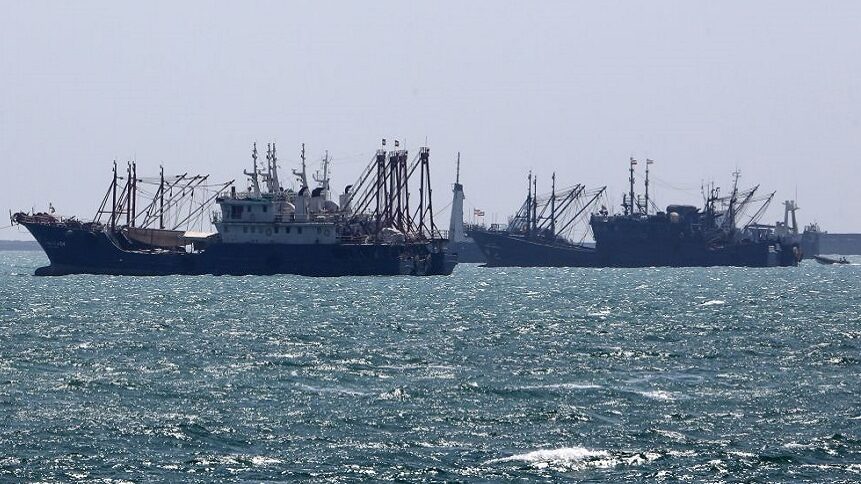
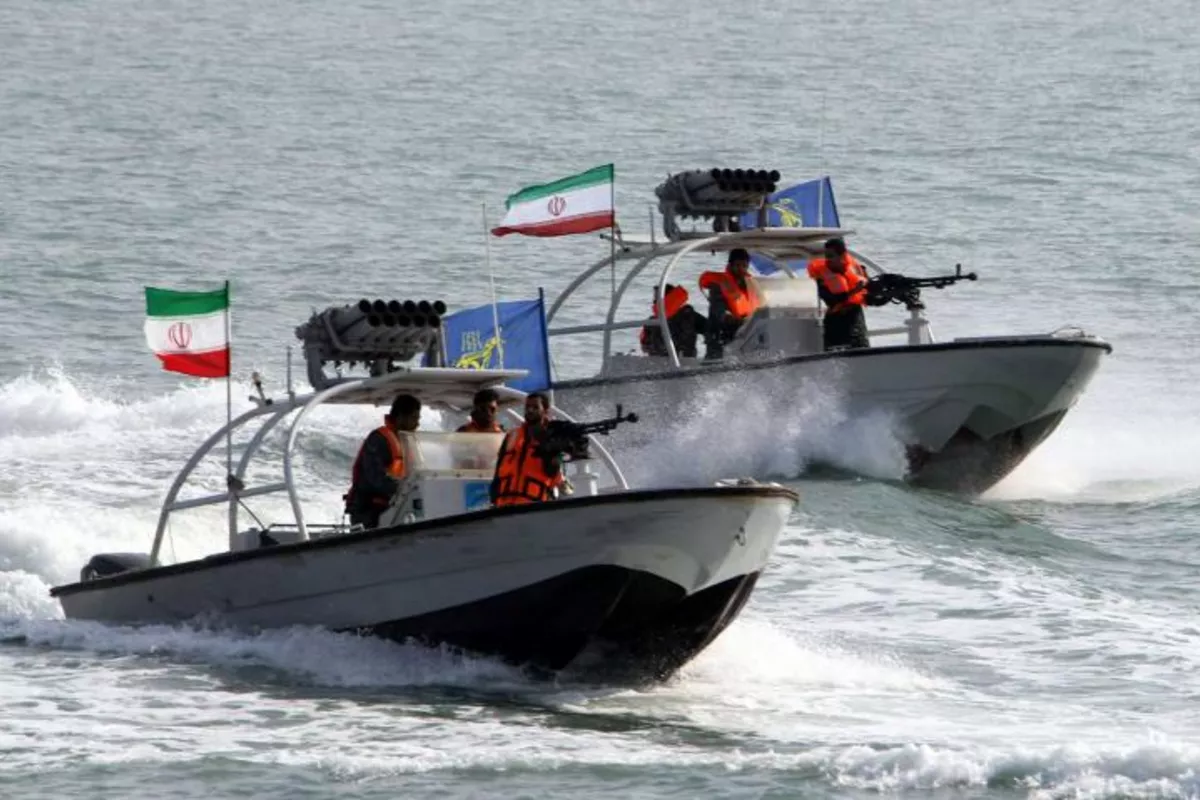
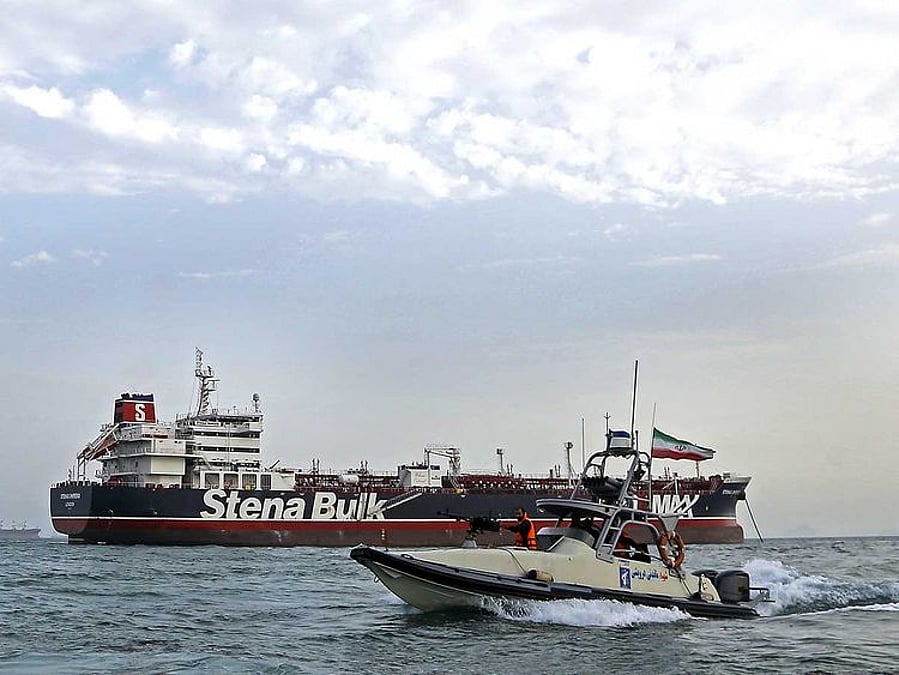
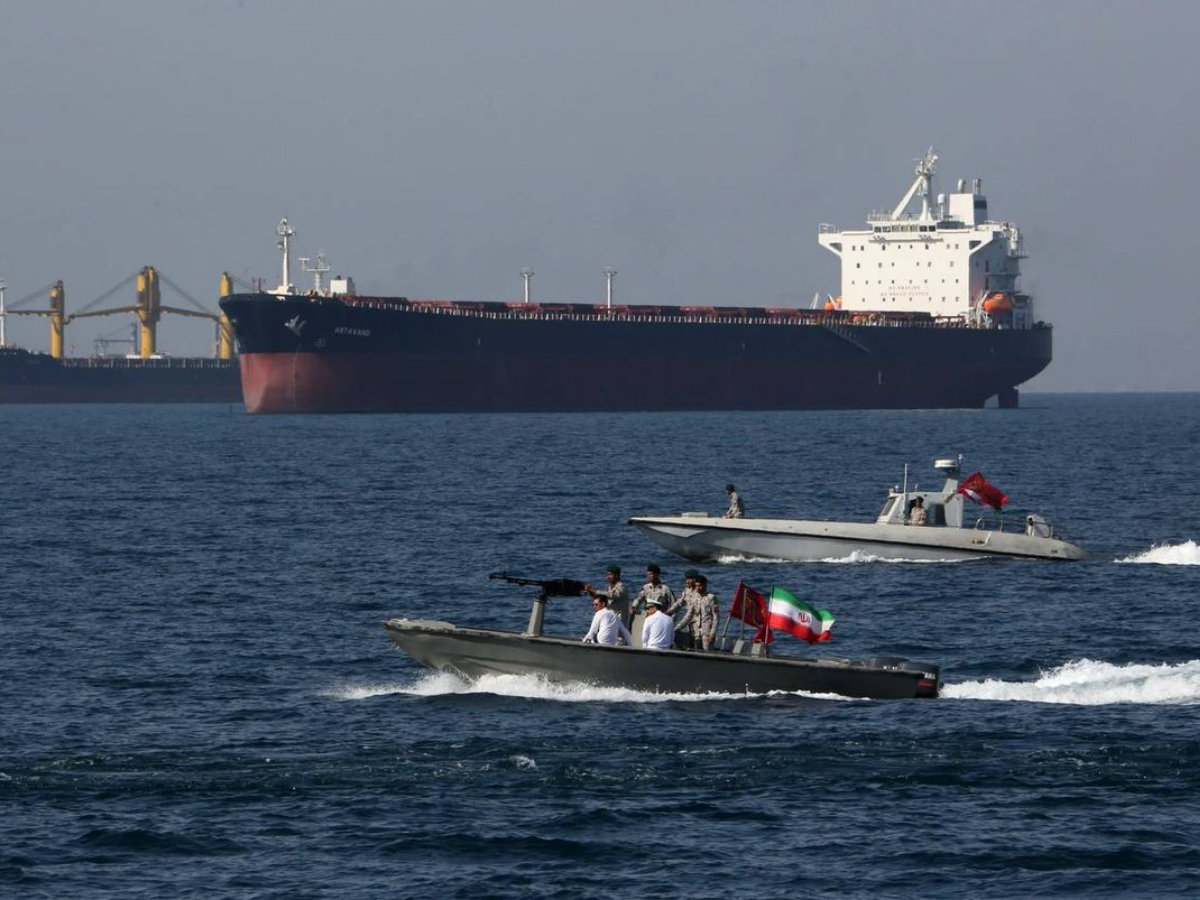
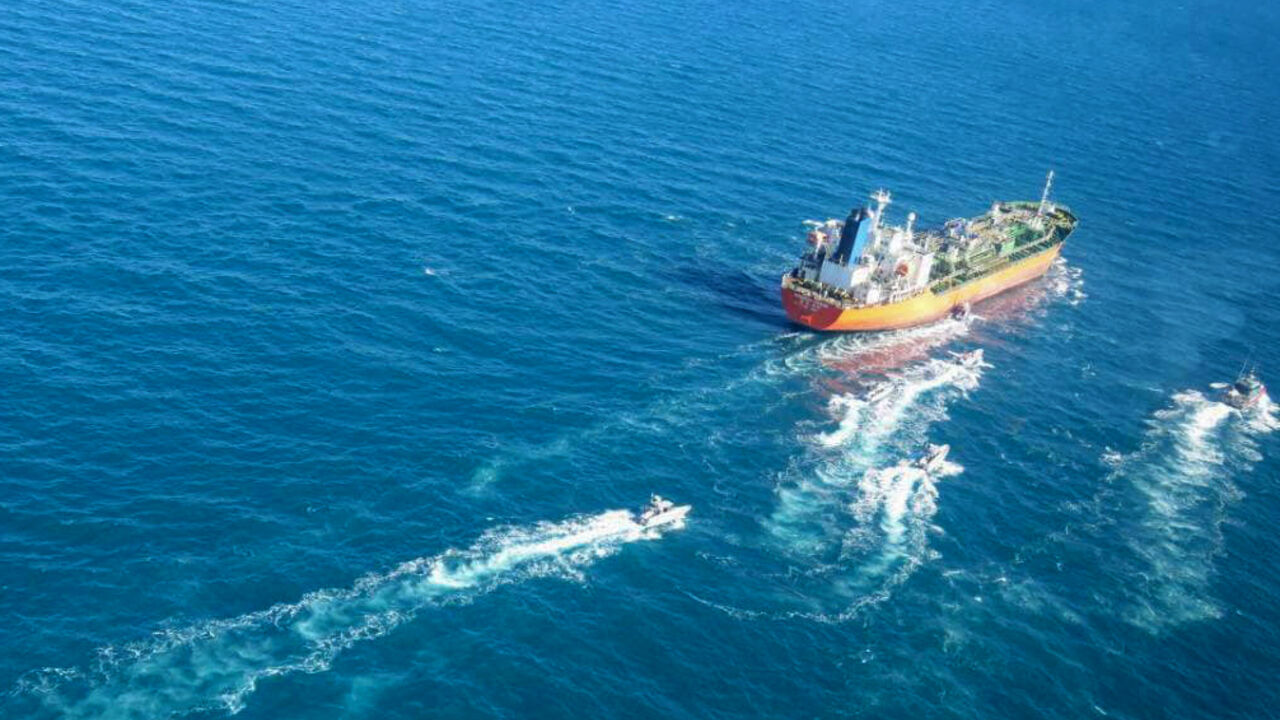
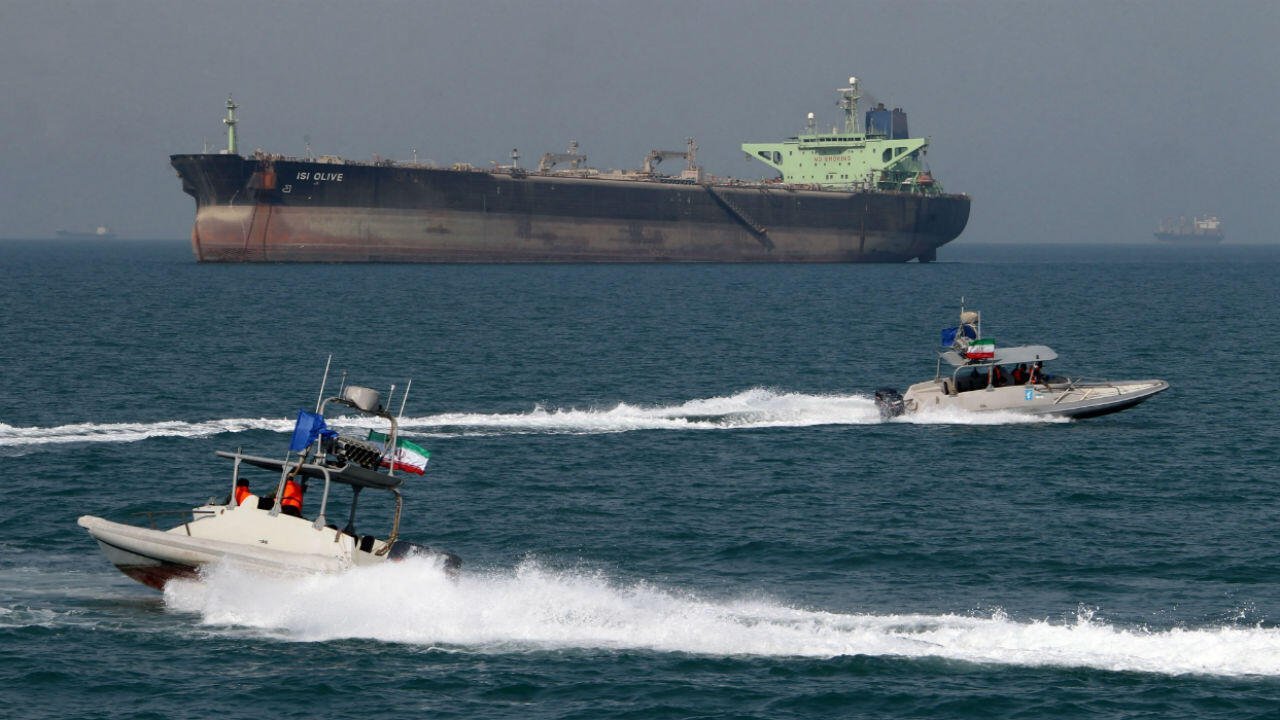
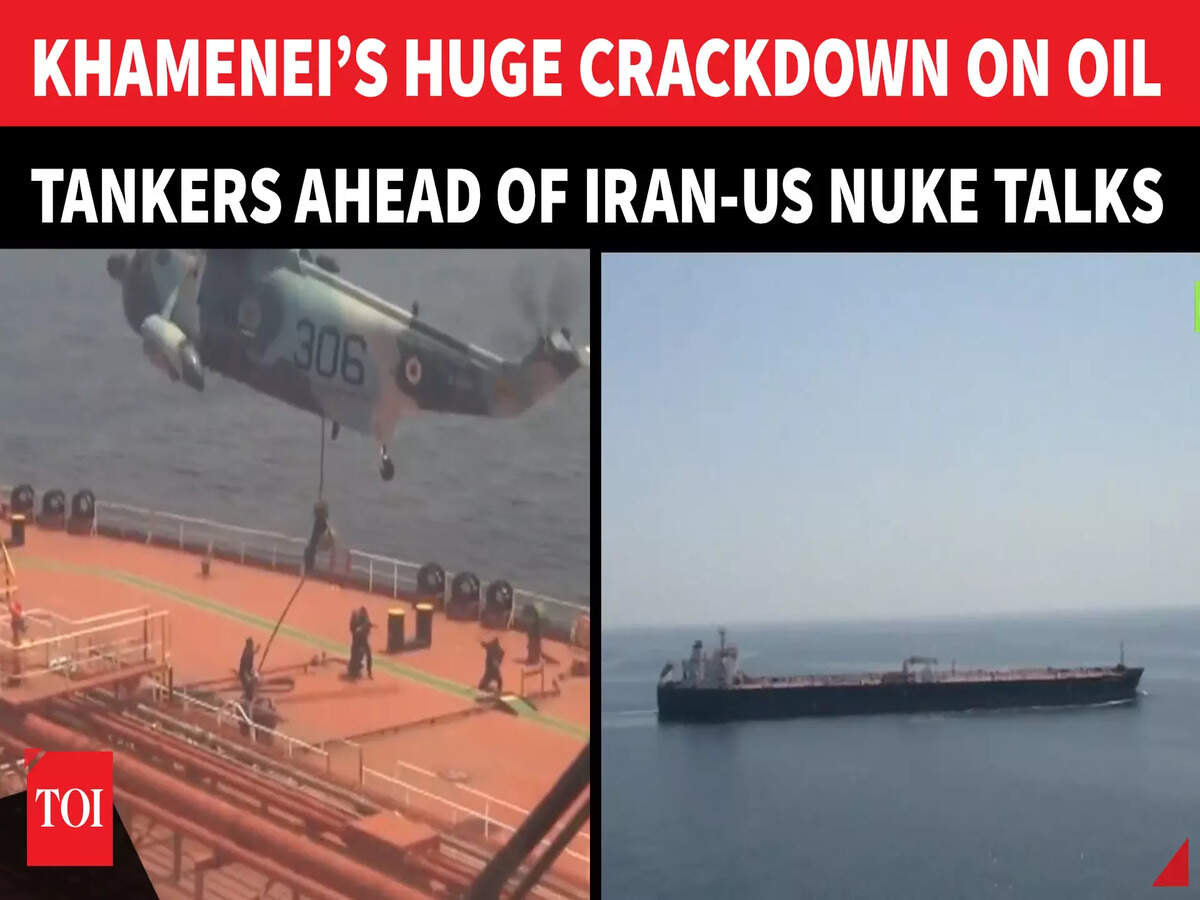
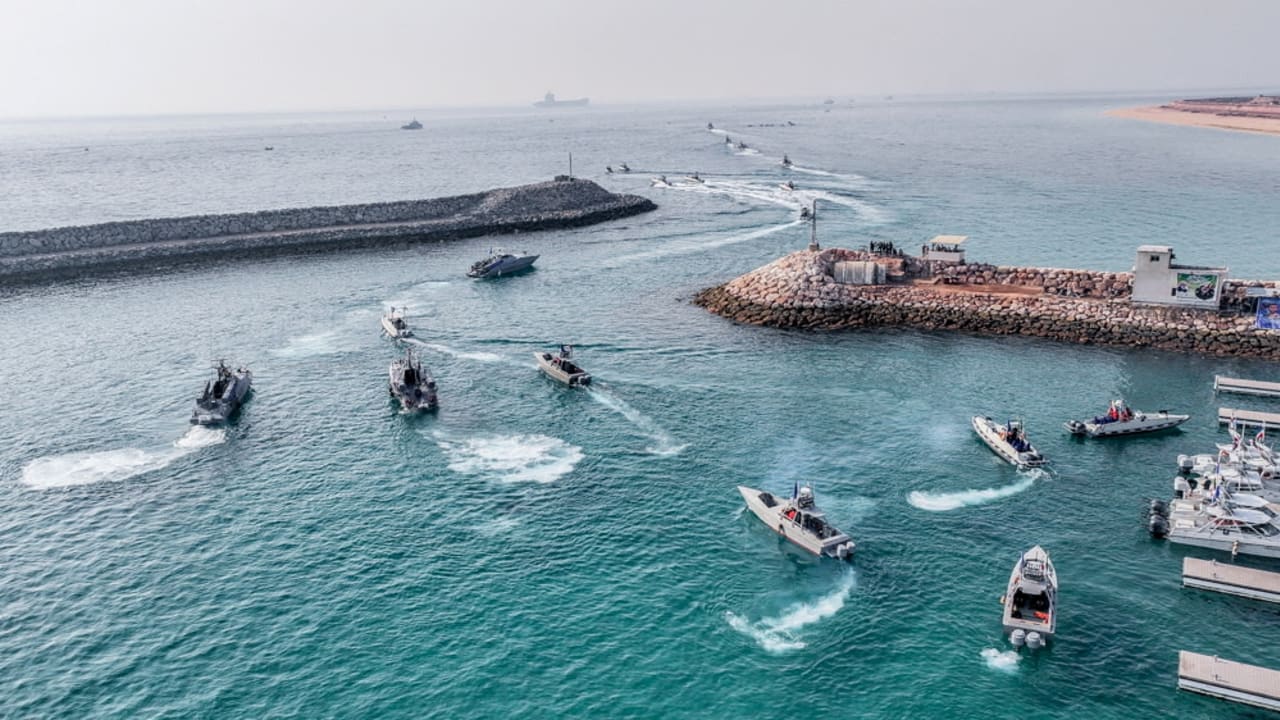
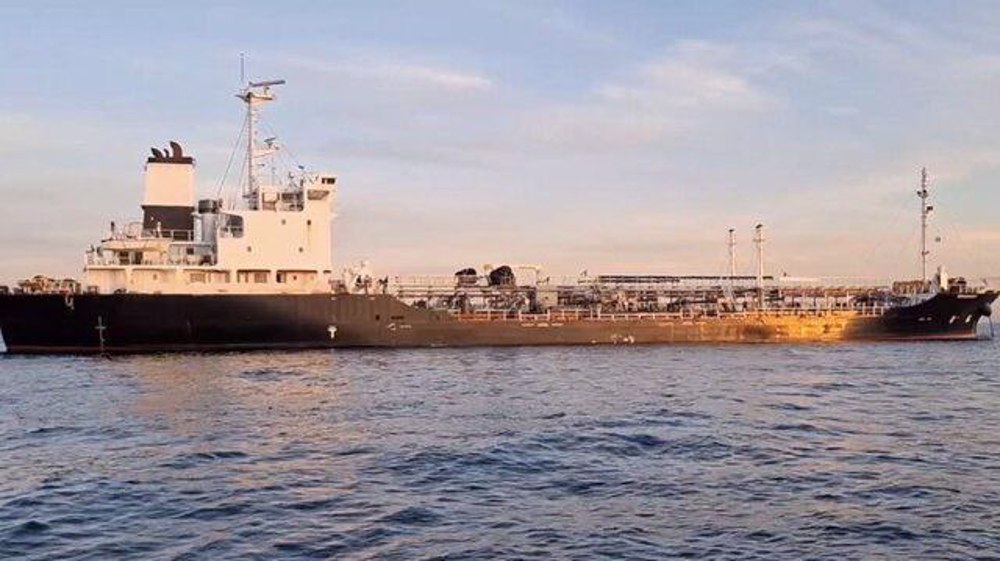
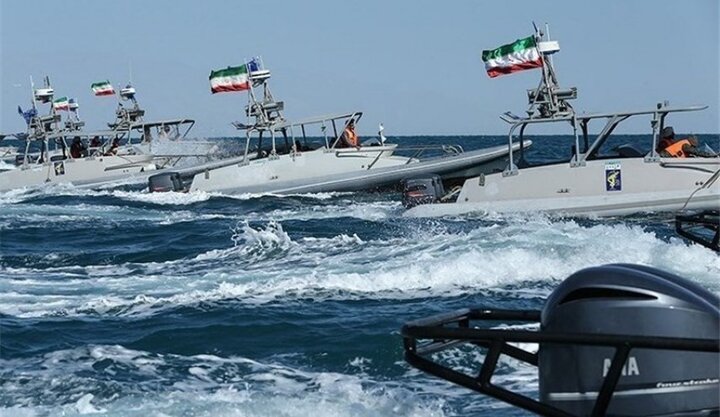
Iran's February 5, 2026 seizure of two vessels carrying 1+ million liters of smuggled fuel signals a critical shift in Persian Gulf maritime enforcement that directly impacts cross-border e-commerce logistics networks. The detention of 15 foreign crew members and systematic enforcement operations by Iran's IRGC Navy indicate a sustained crackdown on maritime smuggling networks—a development with cascading consequences for sellers relying on sea freight routes connecting Asia, Middle East, and Western markets through the Strait of Hormuz.
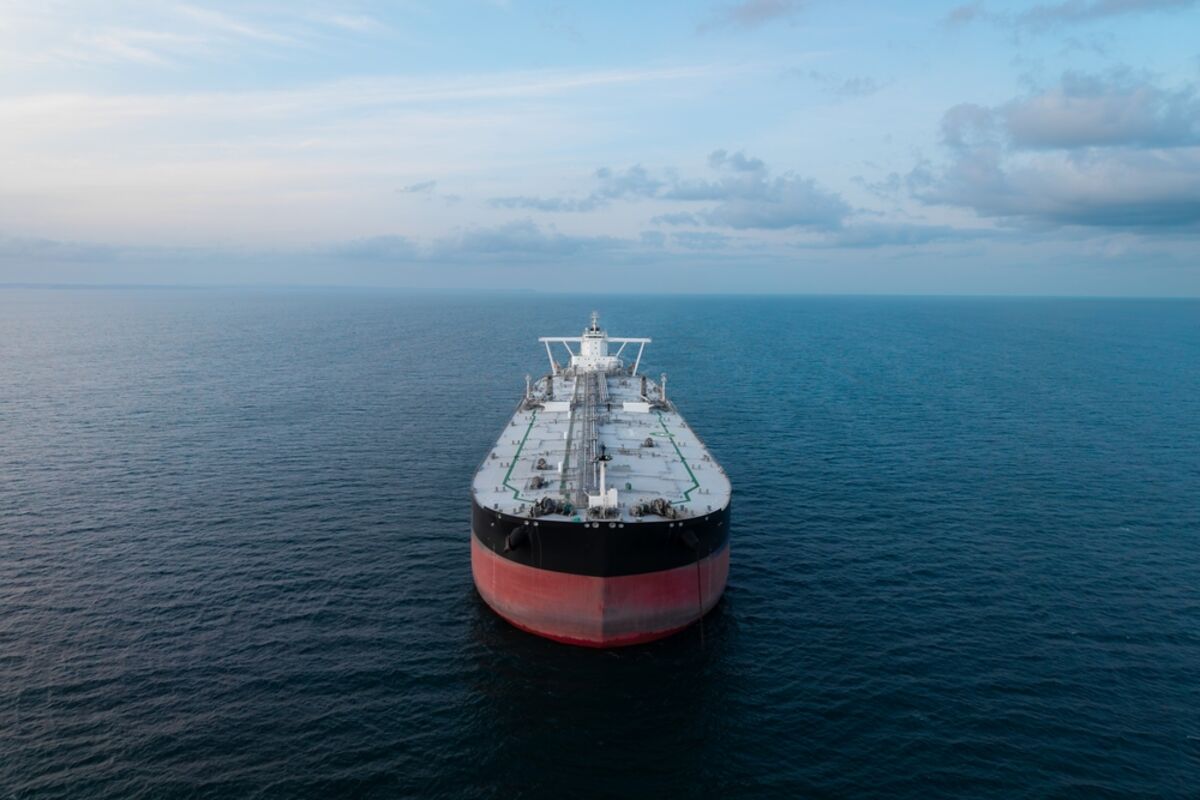
For cross-border sellers, this enforcement escalation translates into measurable supply chain costs. The Persian Gulf and Strait of Hormuz handle approximately 21% of global maritime trade, making it the world's most critical energy and goods corridor. Increased Iranian naval monitoring creates three direct cost pressures: (1) Insurance premiums for vessels transiting the region are rising 8-15% as underwriters price in heightened seizure and detention risks; (2) Port delays are extending 5-10 days as enhanced customs scrutiny and documentation verification slow clearance processes; (3) Shipping route diversification is forcing some carriers to reroute around Africa (adding 10-14 days and $3,000-5,000 per container). Sellers shipping inventory from China, Vietnam, or India to Middle Eastern markets or using the corridor for transshipment face immediate cost pressures.
The operational impact varies significantly by seller segment and product category. Small-to-medium sellers (SMBs) with 50-500 monthly shipments face the highest proportional cost burden, as insurance and delay costs don't scale down with volume. Electronics, apparel, and consumer goods sellers routing through the Gulf see margin compression of 3-7% on affected shipments. Conversely, sellers already using alternative routes (Red Sea alternatives, air freight, or overland corridors through Central Asia) gain competitive advantages. The news also reveals systematic enforcement patterns—the vessels operated "for several months" before interception, suggesting Iran is building intelligence networks and increasing interdiction frequency. This indicates the enforcement window is expanding, not contracting.
Strategic sourcing implications are emerging. Sellers currently dependent on single-route logistics through the Strait of Hormuz should evaluate diversification: (1) Shift 20-30% of inventory to alternative carriers using Red Sea/Suez routes with premium pricing; (2) Negotiate longer lead times (45-60 days vs. 30-35 days) with 3PL providers offering non-Gulf routing; (3) Consider nearshoring to regional fulfillment centers in UAE, Saudi Arabia, or Egypt to reduce transit exposure. The detention of foreign crew members also signals increased diplomatic friction and potential for escalating enforcement—sellers should monitor statements from Ezzatollah Zarghami and other Iranian officials warning of "military confrontation in the Strait of Hormuz," as geopolitical rhetoric often precedes operational changes.
Questions 7
How does geopolitical rhetoric about Strait of Hormuz military confrontation affect seller planning?
Statements from Iranian officials like Ezzatollah Zarghami warning of 'military confrontation in the Strait of Hormuz' are significant risk signals that typically precede operational escalation. Sellers should treat such rhetoric as early warning indicators and accelerate diversification timelines. Historical patterns show that geopolitical tensions in the Gulf escalate enforcement 2-4 weeks after official statements. Sellers should: (1) Monitor Iranian official statements and international news weekly; (2) Accelerate route diversification plans if rhetoric intensifies; (3) Increase inventory buffers in regional fulfillment centers; (4) Establish contingency shipping plans with alternative carriers. The detention of 15 foreign crew members indicates Iran is actively building enforcement capacity, suggesting the enforcement window will remain open for 6-12 months minimum. Sellers should plan accordingly.
How does Iran's maritime enforcement affect shipping costs for sellers?
Iran's intensified naval operations in the Persian Gulf are increasing maritime insurance premiums by 8-15% and adding 5-10 day delays to port clearance for vessels transiting the Strait of Hormuz. The February 5, 2026 seizure of two vessels demonstrates systematic enforcement that's expanding interdiction frequency. Sellers shipping from Asia to Middle Eastern markets or using the corridor for transshipment face immediate cost pressures. Small-to-medium sellers (50-500 monthly shipments) experience the highest proportional impact, with margin compression of 3-7% on affected shipments. Alternative routing around Africa adds $3,000-5,000 per container and 10-14 additional days.