


Pizza Hut Closing 250 US Stores | Restaurant Supply Chain Opportunities for E-Commerce Sellers
- 250 store closures by June 2026 create supply chain disruption opportunities; international expansion across 65 countries signals emerging market demand for restaurant tech and food service products
















Overview
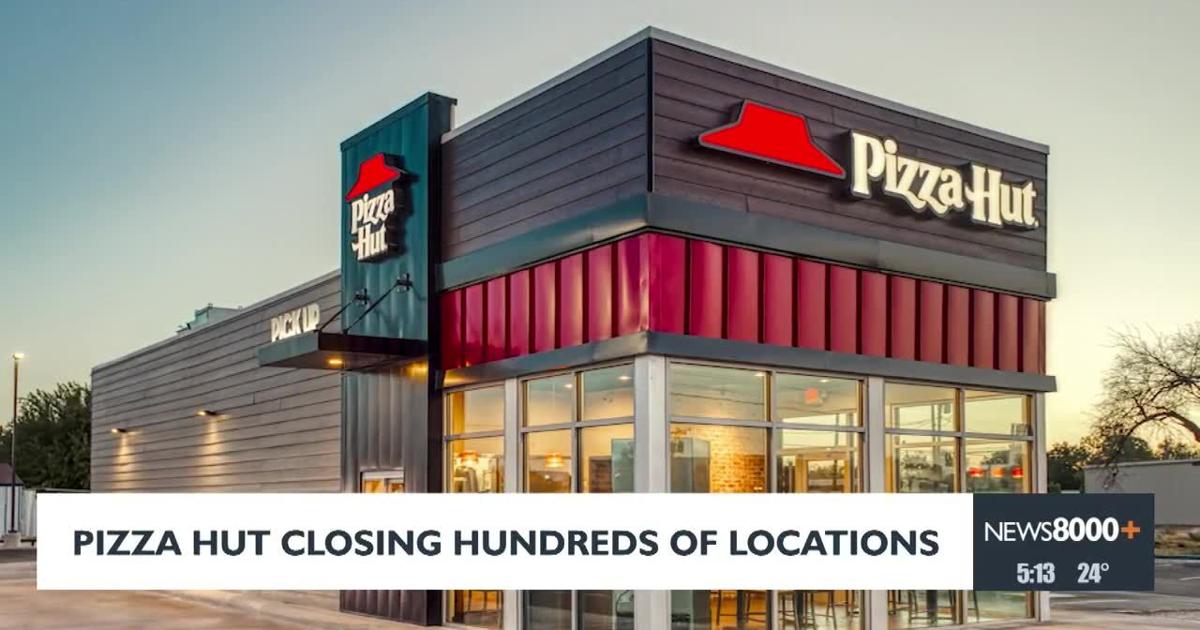
Pizza Hut's strategic restructuring—closing 250 underperforming U.S. locations by June 2026 while simultaneously opening 1,200+ restaurants globally across 65 countries—signals a fundamental shift in the QSR (quick-service restaurant) supply chain that creates distinct opportunities for cross-border e-commerce sellers. The closure initiative, announced as part of Yum Brands' "Hut Forward" modernization program, reflects Pizza Hut's 5% U.S. same-store sales decline in 2025 versus Domino's 2.7% growth. However, the company's international momentum—with 1% global same-store sales growth and 19% of international revenue from China—indicates where supply chain investment is shifting.
For restaurant supply and food service e-commerce sellers, this creates a two-phase opportunity window. First, the 250 U.S. closures will liquidate inventory from point-of-sale systems, kitchen equipment, packaging materials, and operational supplies—creating B2B wholesale opportunities for sellers who can aggregate and resell this equipment to independent restaurants, food trucks, and emerging QSR concepts. Second, Pizza Hut's aggressive international expansion (440+ locations opened in Q4 2025 alone) signals demand for modernized restaurant technology, digital ordering platforms, and supply chain optimization tools in Asia, Middle East, and Latin America markets. Sellers specializing in restaurant management software, eco-friendly food packaging, and kitchen automation equipment should prioritize these growth regions.
The strategic review process—expected to conclude in 2026—may result in franchise partner changes, creating supply chain disruption. Current franchise partners losing locations will seek alternative suppliers, while new operators entering Pizza Hut's remaining 5,750+ U.S. locations may require updated equipment and systems. This creates a 6-12 month window for sellers to position themselves as modernization solution providers. Additionally, the contrast between Pizza Hut's domestic contraction and international growth mirrors broader e-commerce trends: U.S. restaurant margins are compressed by inflation and labor costs, while emerging markets offer higher growth potential. Sellers should monitor Yum Brands' quarterly earnings announcements for specific expansion markets and franchise partner announcements, which typically precede supply chain procurement cycles by 60-90 days.
Questions 8
Which geographic markets offer the highest growth potential for restaurant tech sellers?
Pizza Hut's international expansion strategy—opening 1,200+ locations across 65 countries in 2025 with 440+ in Q4 alone—indicates strongest growth in Asia, Middle East, and Latin America. China specifically represents 19% of Pizza Hut's international revenue and is the second-largest market outside the U.S., with same-store sales growth of 1% globally in 2025. Sellers of restaurant management software, digital ordering platforms, and supply chain optimization tools should prioritize these regions, where Pizza Hut is investing in modernized store formats. The company projects accelerated global openings in H2 2026, suggesting a 60-90 day procurement lead time for suppliers.
How does Pizza Hut's 250-store closure impact restaurant supply chain sellers?
Pizza Hut's closure of 250 underperforming U.S. locations by June 2026 creates immediate B2B opportunities for sellers specializing in restaurant equipment liquidation and resale. Closed locations will release inventory including point-of-sale systems, kitchen equipment, and operational supplies that can be aggregated and sold to independent restaurants, food trucks, and emerging QSR concepts. Additionally, the 5,750+ remaining Pizza Hut locations will require modernization investments as part of the 'Hut Forward' initiative, creating demand for updated technology and equipment. Sellers should establish relationships with restaurant liquidation brokers and franchise operators during the 6-month closure window (January-June 2026) to capture this supply surge.