



Ukraine's Strategic Escalation: Precision Strikes Reshape Geopolitical Conflict Dynamics
- Technological Warfare and Diplomatic Maneuvering Redefine Regional Power Strategies
Overview
The Russia-Ukraine conflict has entered a critical phase of technological and strategic sophistication, with recent developments signaling a profound transformation in modern warfare and geopolitical confrontation. Ukrainian military operations have demonstrated unprecedented precision and strategic targeting, exemplified by the December 26 drone strikes against Russian oil infrastructure that reveal a nuanced approach to economic warfare.
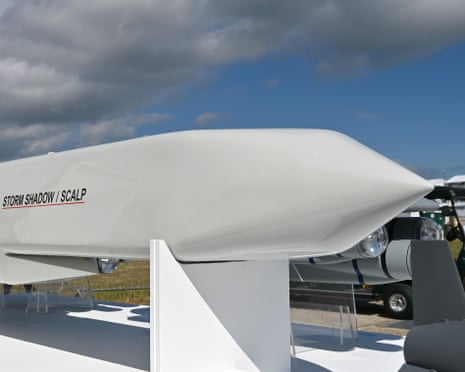
Technological Warfare Breakthrough: Ukraine's deployment of British Storm Shadow missiles to strike the Novoshakhtinsk oil refinery represents a significant tactical evolution. By targeting critical petroleum product supply chains, Ukrainian forces are strategically undermining Russia's military logistics and economic resilience. The precision of these attacks—hitting storage tanks in Temryuk port and a gas processing plant in the Orenburg region—indicates a sophisticated intelligence and targeting capability that goes beyond traditional military engagement.
Diplomatic Complexity: Simultaneously, the conflict is characterized by intricate diplomatic maneuvers. Ukrainian President Volodymyr Zelenskyy's discussions with Donald Trump's envoy suggest ongoing efforts to maintain international diplomatic channels, even as military tensions escalate. The geopolitical landscape remains fluid, with Poland's increased military surveillance and Russia's diplomatic tensions with France highlighting the broader international implications of this conflict.
Strategic Implications: The conflict now transcends traditional military confrontation, emerging as a multidimensional contest of technological capability, economic resilience, and diplomatic maneuvering. Ukraine's ability to conduct long-range, precision strikes demonstrates a strategic adaptation that challenges conventional military assumptions. For global businesses and policymakers, this represents a critical case study in modern conflict dynamics, where technological innovation and targeted economic pressure can potentially offset traditional military advantages.
The ongoing tensions underscore the importance of adaptive strategic planning in an increasingly complex and volatile international environment. Organizations must develop robust risk management frameworks that can rapidly respond to rapidly evolving geopolitical scenarios.
Questions 3
How are Ukraine's precision strikes changing the dynamics of the conflict?
Ukraine is leveraging advanced technological capabilities to conduct strategic, targeted attacks on Russian oil infrastructure. By focusing on economic supply chains rather than traditional military targets, they're demonstrating a sophisticated approach that disrupts Russia's military logistics and economic resilience.
What technological capabilities are Ukraine demonstrating in this conflict?
Ukraine is showcasing advanced long-range drone technologies and precision missile systems like the British Storm Shadow. These capabilities allow for highly targeted strikes on critical infrastructure, revealing a new paradigm of technological warfare that emphasizes intelligence and precision over traditional military engagement.