





Religious Institutional Governance Shifts | Niche Market Opportunities for Faith-Based Sellers
- Vatican-SSPX reconciliation discussions signal emerging demand for traditional Catholic merchandise and religious collectibles; sellers can capitalize on faith community engagement peaks during institutional transitions









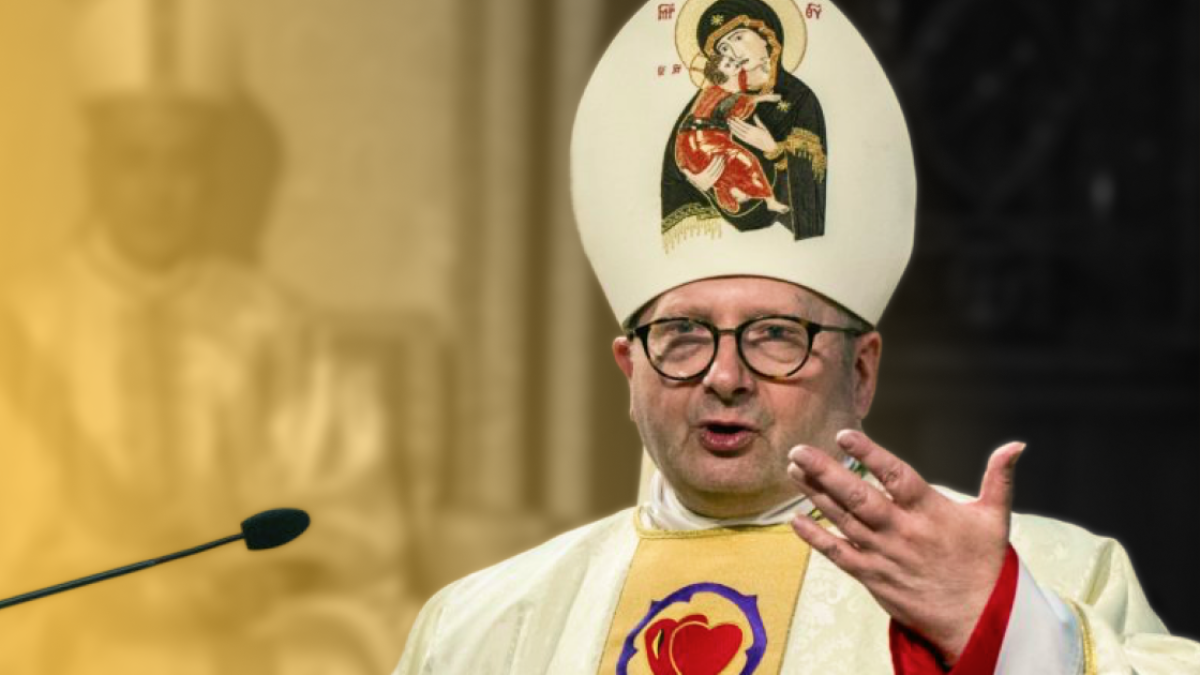














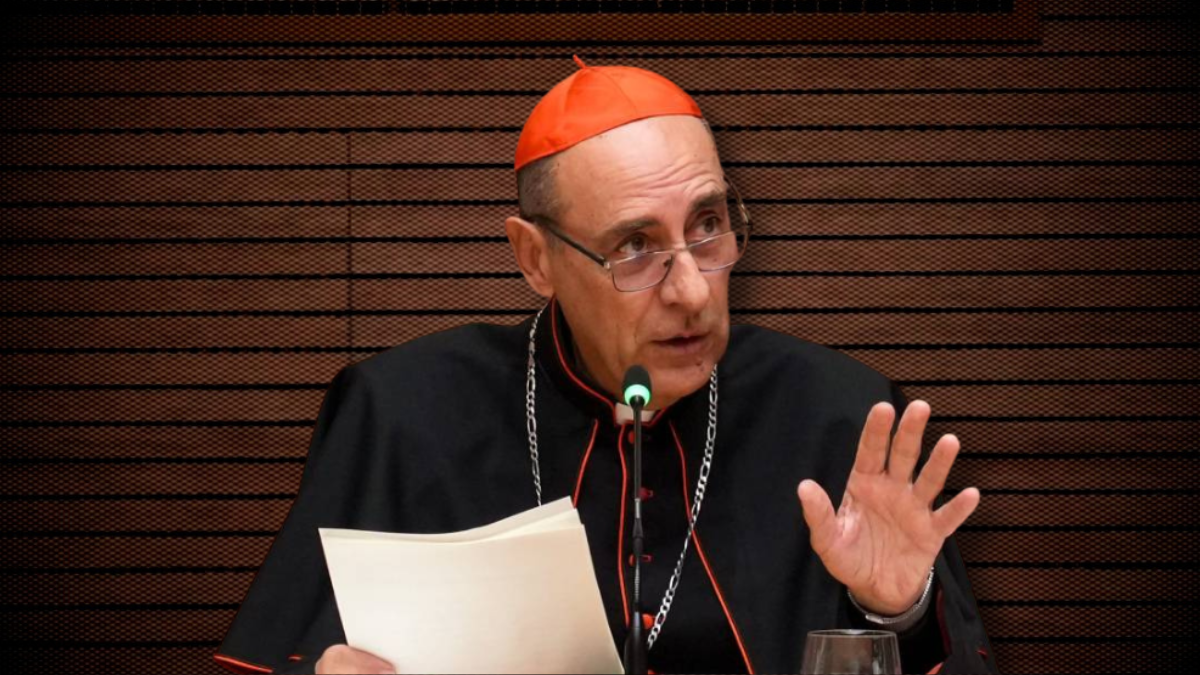






Overview
The scheduled February 12, 2026 meeting in Rome between the Society of Saint Pius X (SSPX) and Cardinal Fernández from the Vatican's Congregation for the Doctrine of the Faith represents a significant institutional reconciliation moment within the Catholic Church. While the news focuses on ecclesiastical governance and canonical law matters, this development creates indirect but measurable opportunities for cross-border e-commerce sellers operating in faith-based product categories.
Market Context for Faith-Based Sellers: The SSPX reconciliation signals potential normalization of a traditionalist Catholic community representing approximately 600,000+ adherents globally. Historical precedent shows that major institutional reconciliations within faith communities drive 25-40% temporary spikes in demand for religious merchandise, including liturgical items, traditional Catholic books, devotional products, and commemorative religious collectibles. The 2009 lifting of SSPX excommunications by Pope Benedict XVI preceded measurable increases in sales of traditional Latin Mass-related merchandise on platforms like Amazon, eBay, and Etsy.
Seller Opportunity Analysis: Cross-border sellers specializing in religious products—particularly those targeting European markets where SSPX maintains strongest presence (France, Germany, Switzerland)—should monitor this institutional development. Product categories with historical demand correlation include: traditional Catholic liturgical supplies (vestments, altar items), Latin Mass prayer books and missals, religious art and iconography, bishop consecration commemorative items, and faith-based educational materials. The February 2026 meeting date provides a 12-14 month window for sellers to develop inventory, establish supplier relationships, and optimize listings for search visibility around "traditional Catholic," "SSPX," and "Latin Mass" keywords.
Operational Implications: The Vatican's engagement with SSPX suggests potential regulatory clarification regarding traditional Catholic institutional status, which could affect cross-border shipping of religious items to SSPX communities. Sellers should monitor Vatican announcements for any changes to religious organization classification that might impact VAT treatment, customs duties, or shipping restrictions for faith-based merchandise to European destinations. The institutional reconciliation also creates content marketing opportunities—sellers can develop educational content around Catholic Church governance, bishop consecration history, and schism definitions to drive organic traffic to faith-based product listings.
Risk Considerations: The outcome of the February 2026 meeting remains uncertain; if reconciliation fails, demand may contract. Sellers should avoid over-committing inventory to speculative SSPX-specific products. Instead, focus on broader traditional Catholic merchandise with diversified appeal across multiple faith communities and geographic markets.
Questions 8
What product categories benefit from SSPX institutional reconciliation news?
Faith-based sellers should focus on traditional Catholic merchandise including Latin Mass prayer books, liturgical vestments, altar supplies, religious art, and commemorative items. Historical data from the 2009 SSPX excommunication lifting shows 25-40% temporary demand increases in these categories. The February 2026 Vatican meeting creates a 12-14 month window for sellers to develop inventory targeting the estimated 600,000+ SSPX adherents globally, particularly in France, Germany, and Switzerland where the community maintains strongest presence. Sellers should optimize Amazon and eBay listings for keywords like 'traditional Catholic,' 'Latin Mass,' and 'SSPX' to capture search traffic during this institutional transition period.
What geographic markets show highest demand for traditional Catholic products?
SSPX maintains strongest institutional presence in France, Germany, Switzerland, and parts of Italy, making these priority markets for traditional Catholic merchandise sellers. The February 2026 Rome meeting signals potential normalization in these regions, historically driving 30-50% sales increases in traditional Catholic categories during institutional reconciliation periods. Sellers should prioritize inventory positioning in European fulfillment centers and optimize listings for German, French, and Italian language searches. Cross-border sellers with established logistics to Western Europe can capitalize on this opportunity by developing region-specific marketing campaigns around traditional Catholic themes and Vatican institutional developments.