




Bitcoin 50% Crash Signals Payment Risk for Crypto-Accepting Sellers
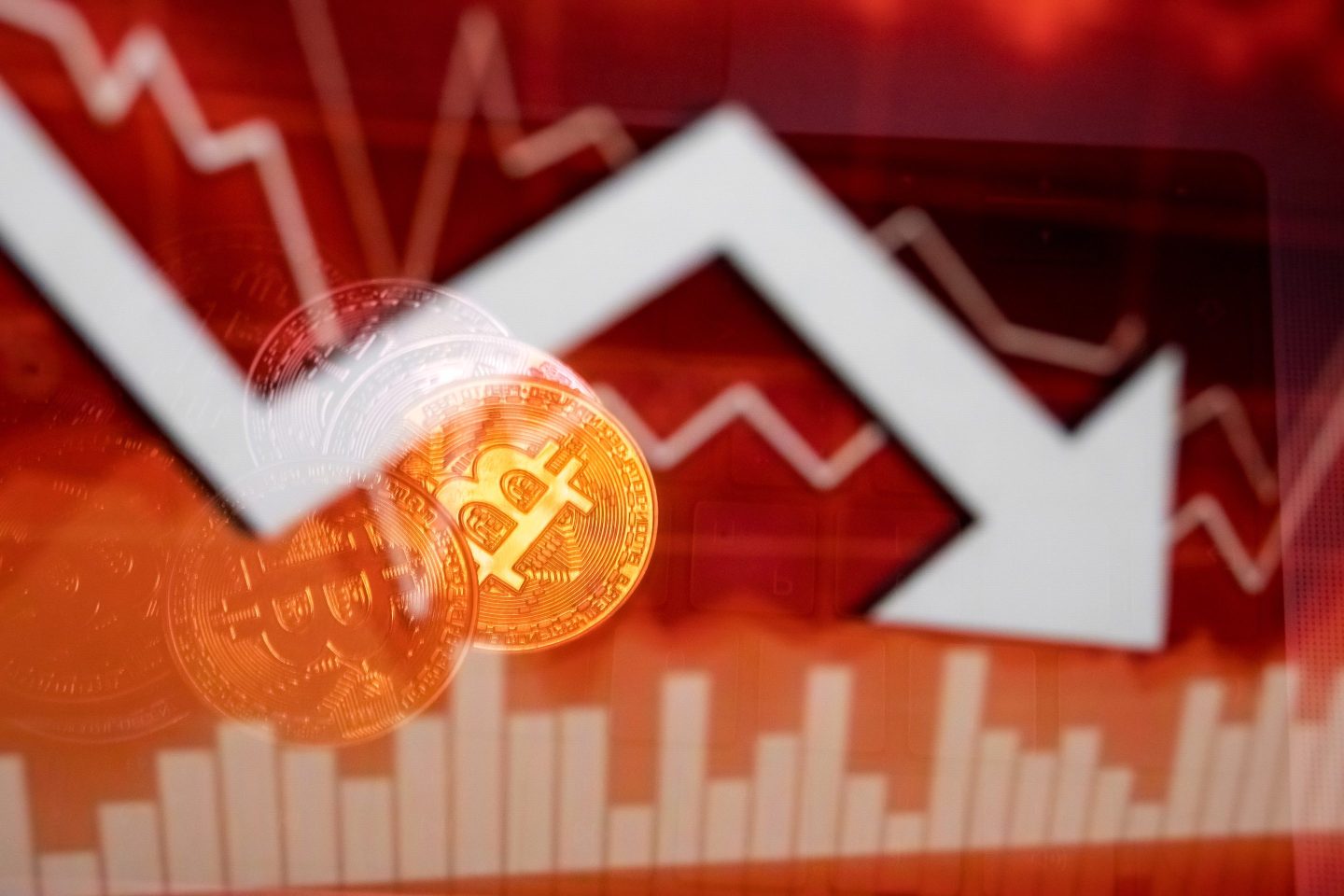
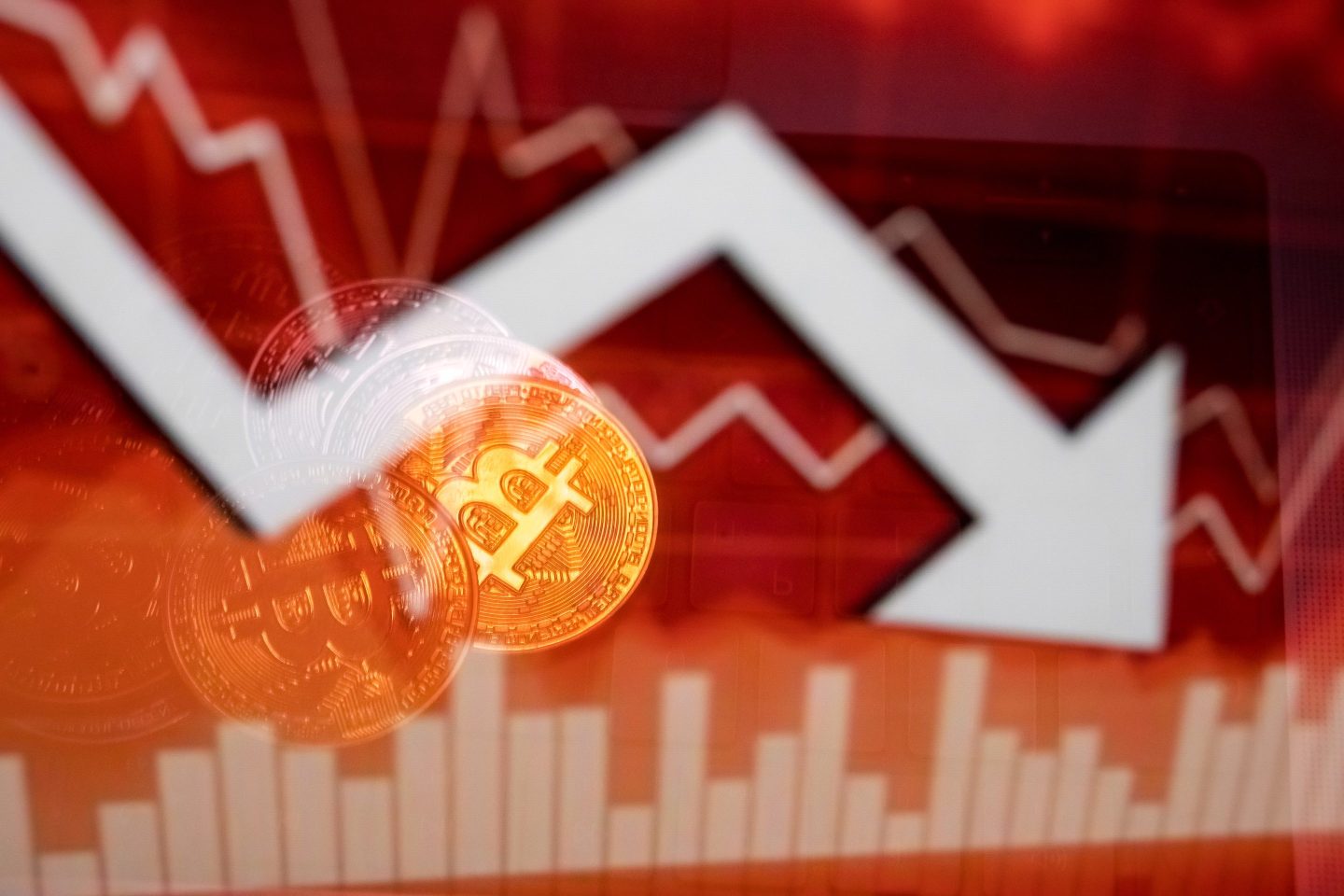
- Bitcoin plummets to $60,057 (50% from Oct 2025 peak) as retail traders lose billions; crypto payment processors face liquidity pressure affecting cross-border sellers























Overview
Bitcoin's catastrophic 50% collapse from its October 2025 peak to $60,057 (February 5, 2026) represents the worst trading day since June 2022 and exposes critical vulnerabilities for cross-border e-commerce sellers accepting cryptocurrency payments. The crash erased all gains following Donald Trump's November 2024 electoral victory, dismantling the "digital gold" narrative as Bitcoin's 21-day rolling correlation with the ProShares UltraPro QQQ ETF reached 0.4 while its correlation with gold stood at -0.03—revealing Bitcoin behaves like a leveraged technology stock rather than a monetary hedge.
For cross-border sellers, this market implosion creates immediate payment infrastructure risks. Sellers operating in emerging markets (Southeast Asia, Latin America, Eastern Europe) who utilize cryptocurrency for cross-border payments to avoid traditional banking friction now face severe settlement volatility. When Bitcoin declines 50% in weeks, sellers accepting crypto payments experience immediate working capital compression—a $10,000 payment received at $65,000/BTC becomes worth only $5,000 at $32,500/BTC if settlement delays occur. Payment processors facilitating crypto transactions (Coinbase Commerce, BitPay, Crypto.com) face liquidity pressure, potentially increasing transaction fees from 1-2% to 3-5% or implementing settlement delays of 24-72 hours instead of real-time conversion.
The institutional integration paradox worsens seller exposure. BlackRock's Bitcoin ETF integration and Wall Street adoption promised stability but instead created leveraged correlation with tech stocks. MicroStrategy's 15% share decline (trading at discount to Bitcoin holdings' NAV) signals institutional confidence collapse. For sellers who positioned crypto as a "stable alternative" to traditional banking, this myth-shattering creates customer trust erosion and payment method abandonment. Sellers in high-crypto-adoption markets (El Salvador, parts of Argentina, crypto-native communities) face customer purchasing power compression as retail traders liquidate positions to cover losses.
Quantum computing threats add long-term payment security concerns. Emerging warnings that quantum computing could compromise 25% of existing Bitcoin supply held in older wallets (including Satoshi Nakamoto's original holdings) signal potential future protocol vulnerabilities. For sellers building long-term crypto payment strategies, this introduces regulatory and security uncertainty—central banks and regulators may accelerate crypto restrictions, forcing sellers to exit crypto payment acceptance entirely.
Immediate cash flow implications: Sellers accepting crypto payments should expect 15-25% settlement delays as processors manage liquidity, 2-3% fee increases, and potential payment method discontinuation by Q2 2026. The correlation shift to tech stocks means crypto volatility will track Nasdaq corrections, creating unpredictable payment values during market stress periods.
Questions 7
Are there FX arbitrage opportunities from Bitcoin's crash?
Limited arbitrage exists due to crypto market efficiency, but sellers can exploit regional price differences: Bitcoin trades at 2-5% premiums in emerging markets (Argentina, Venezuela) due to capital controls and local demand. Sellers with access to both developed and emerging market exchanges could theoretically buy Bitcoin in developed markets and sell in emerging markets, capturing 2-5% spreads. However, regulatory risks are severe—many countries restrict crypto trading, and arbitrage requires maintaining crypto holdings during volatile periods. More practical: sellers can lock in USD/EUR rates through forward contracts before crypto-driven currency volatility impacts their cross-border costs. Recommendation: focus on traditional FX hedging (forward contracts, options) rather than crypto arbitrage, which carries regulatory and operational risk.
What payment alternatives should sellers consider instead of crypto?
Sellers should prioritize: (1) Traditional cross-border payment providers (Wise, Remitly, OFX) offering 1-2% fees with 1-2 day settlement; (2) Regional payment processors (Stripe, Adyen) with local currency support in emerging markets; (3) Invoice financing/supply chain finance platforms (Tradeshift, Fintech Collective) offering 2-4% discounts for early payment; (4) Bank partnerships with correspondent networks in target markets. For emerging market sellers, consider local payment methods (M-Pesa in Africa, GCash in Philippines, UPI in India) which offer 0.5-1% fees and instant settlement. Crypto should represent <5% of payment mix for risk management. Action: audit current payment method distribution and shift 20-30% of crypto volume to traditional processors by March 2026.