
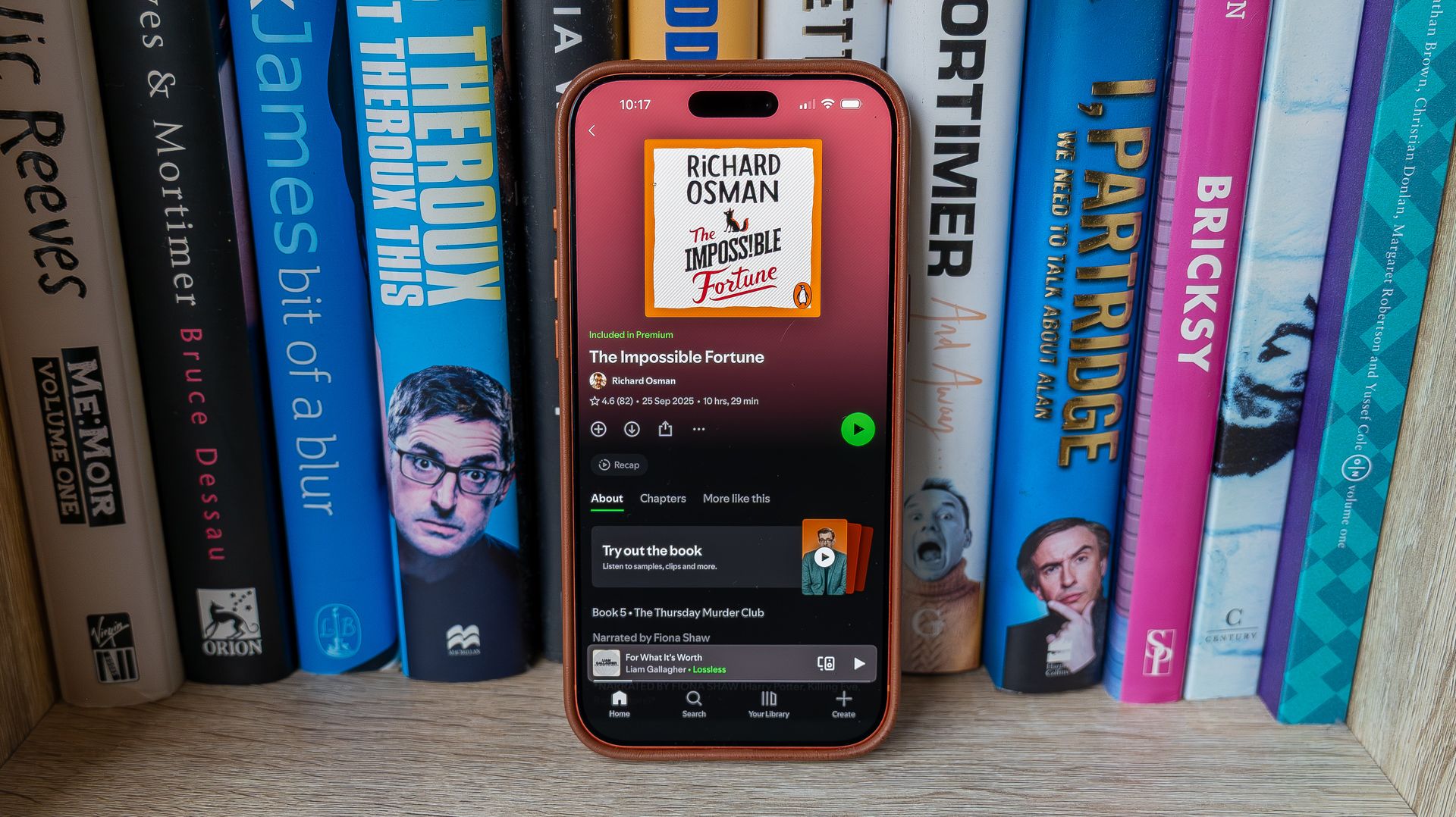



Spotify's Omnichannel Book Strategy Disrupts Amazon | 500M+ Users, Physical + Audio Integration
- Spotify launches Page Match feature (Feb 2025-2026) enabling seamless format switching; partners with Bookshop.org for physical book sales; 36% YoY audiobook listener growth signals major shift in book retail distribution channels


)















Overview
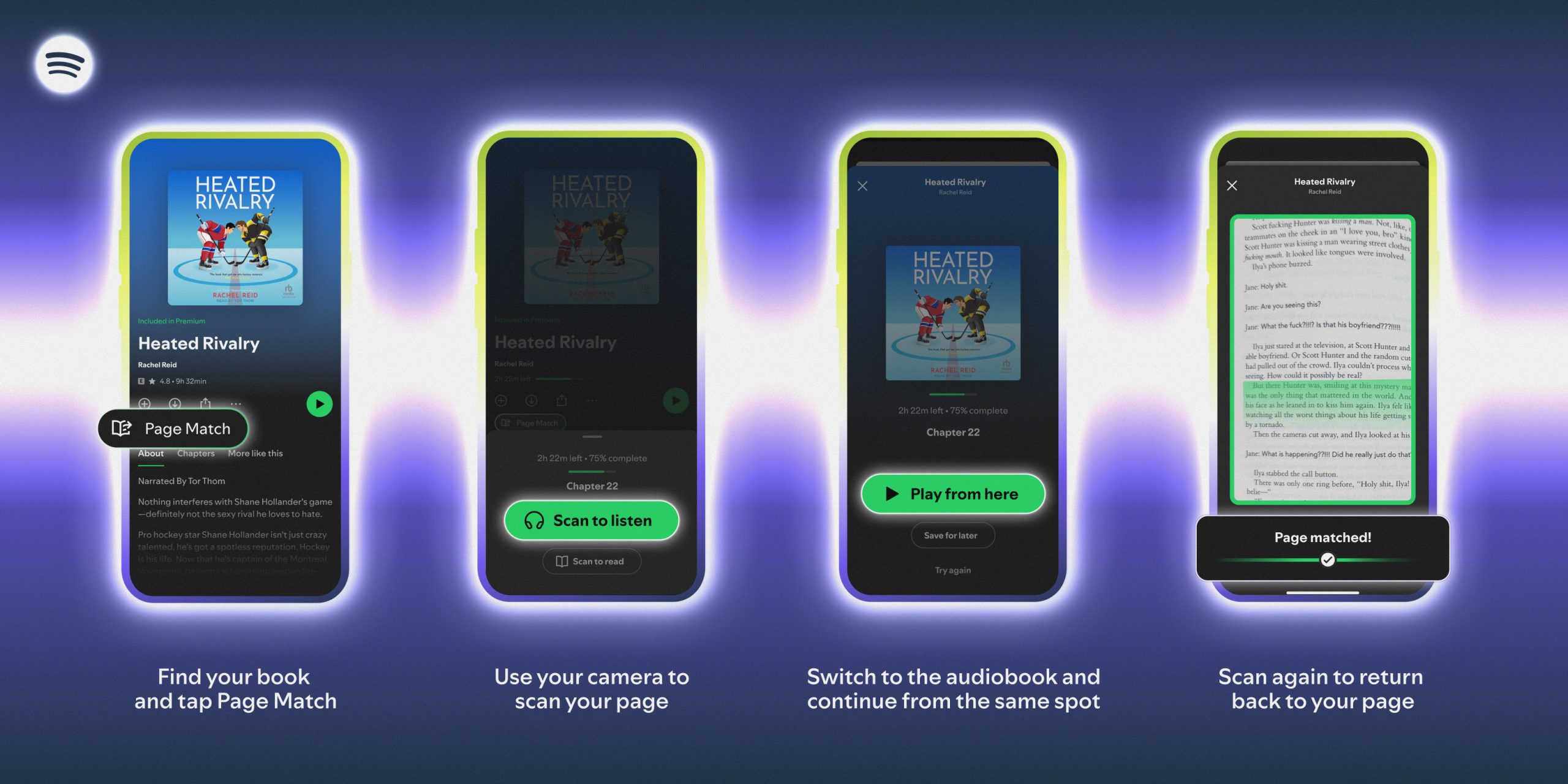
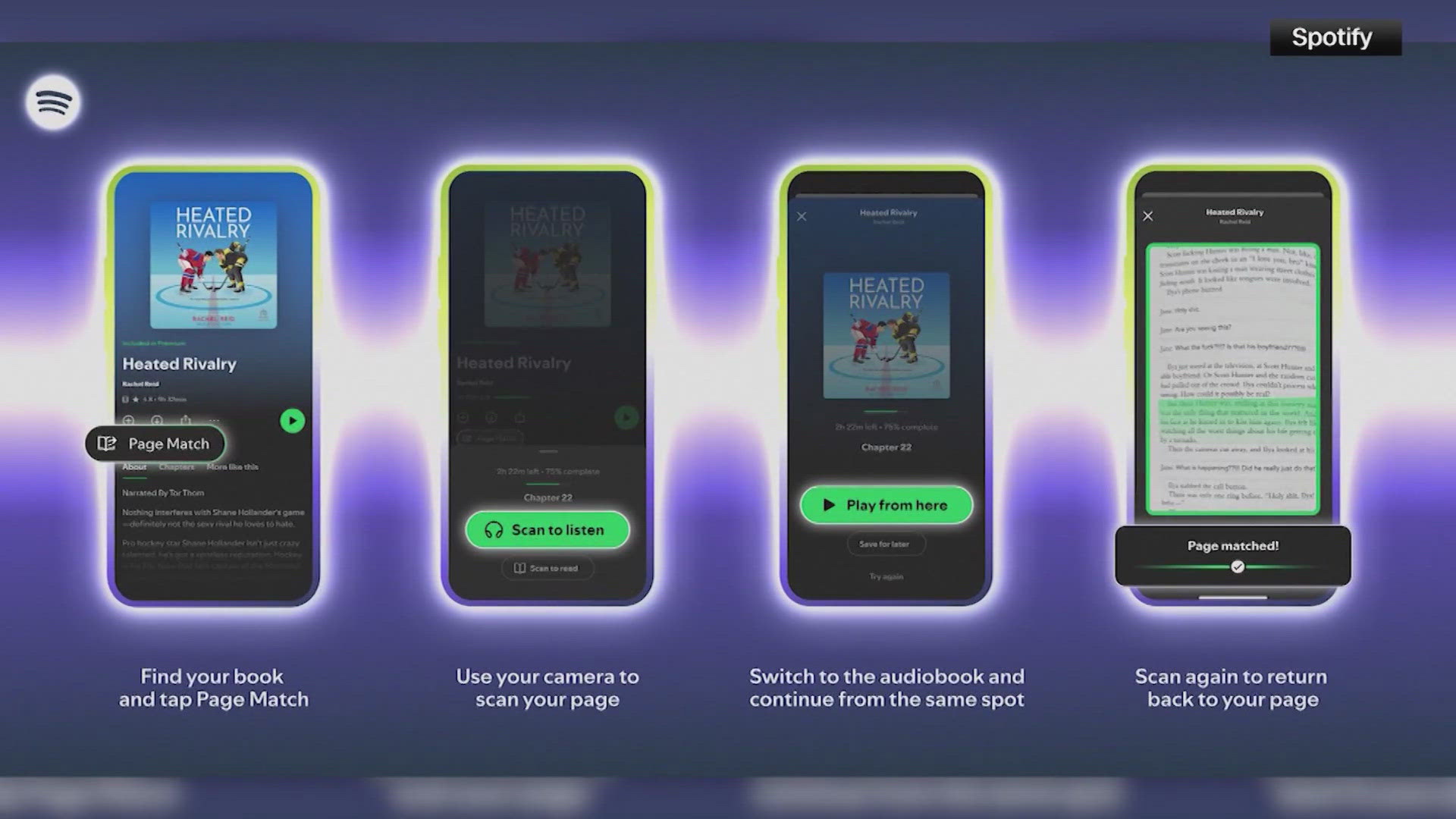
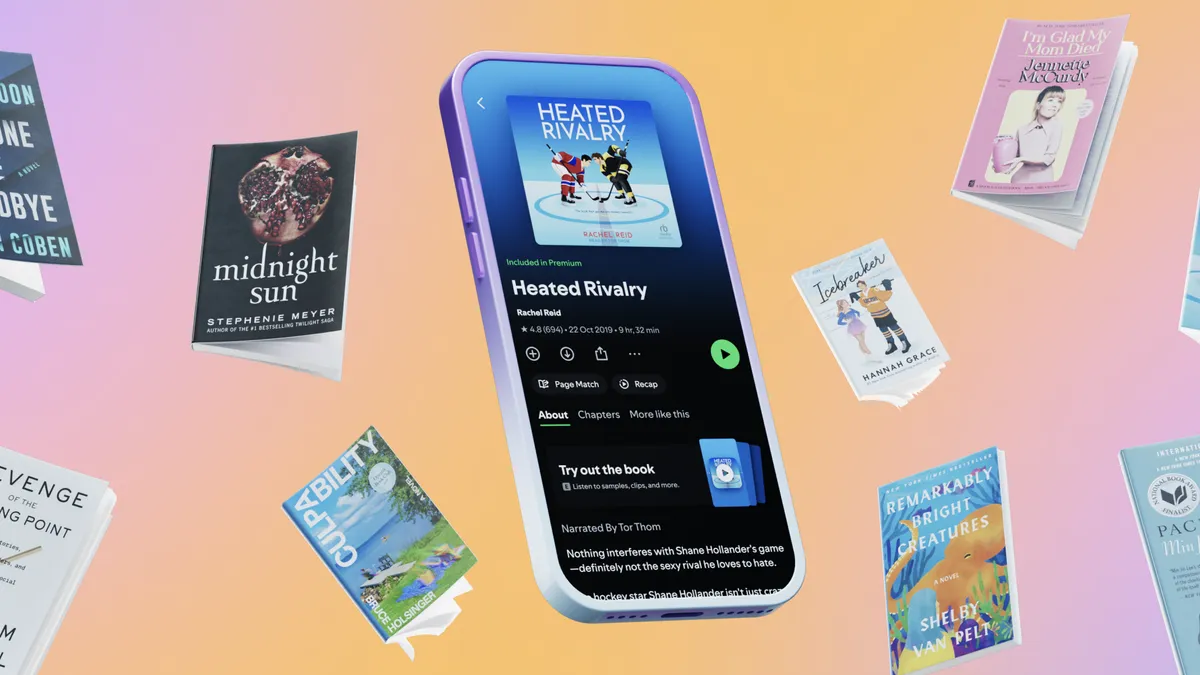
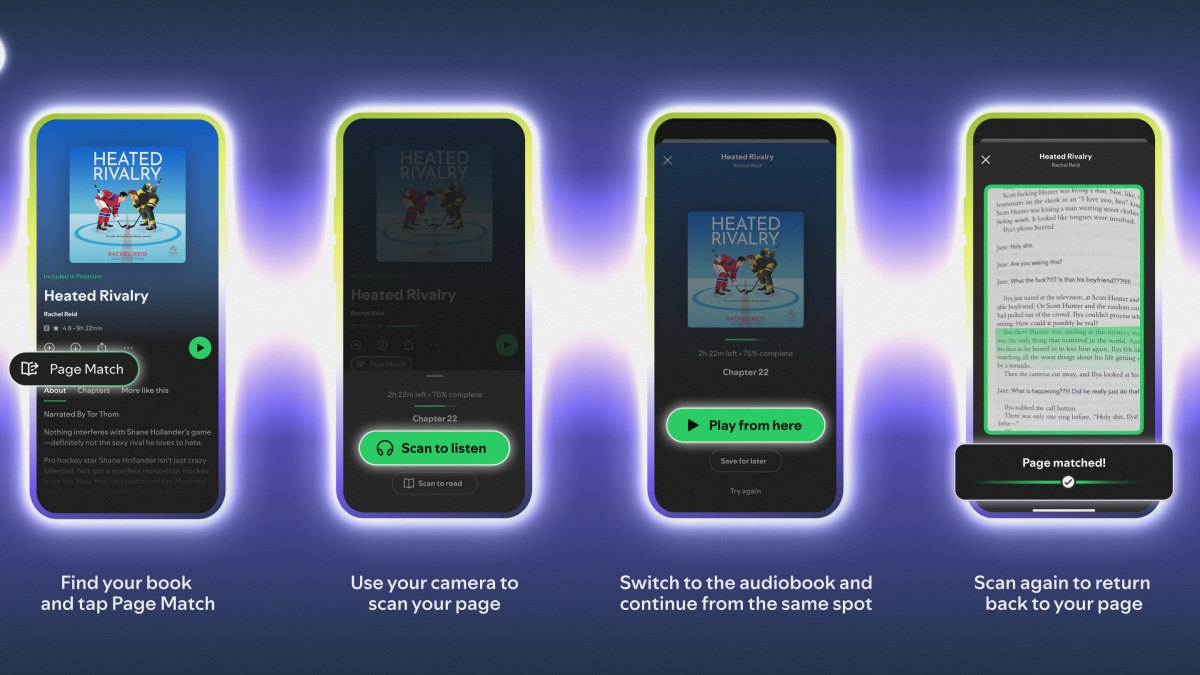
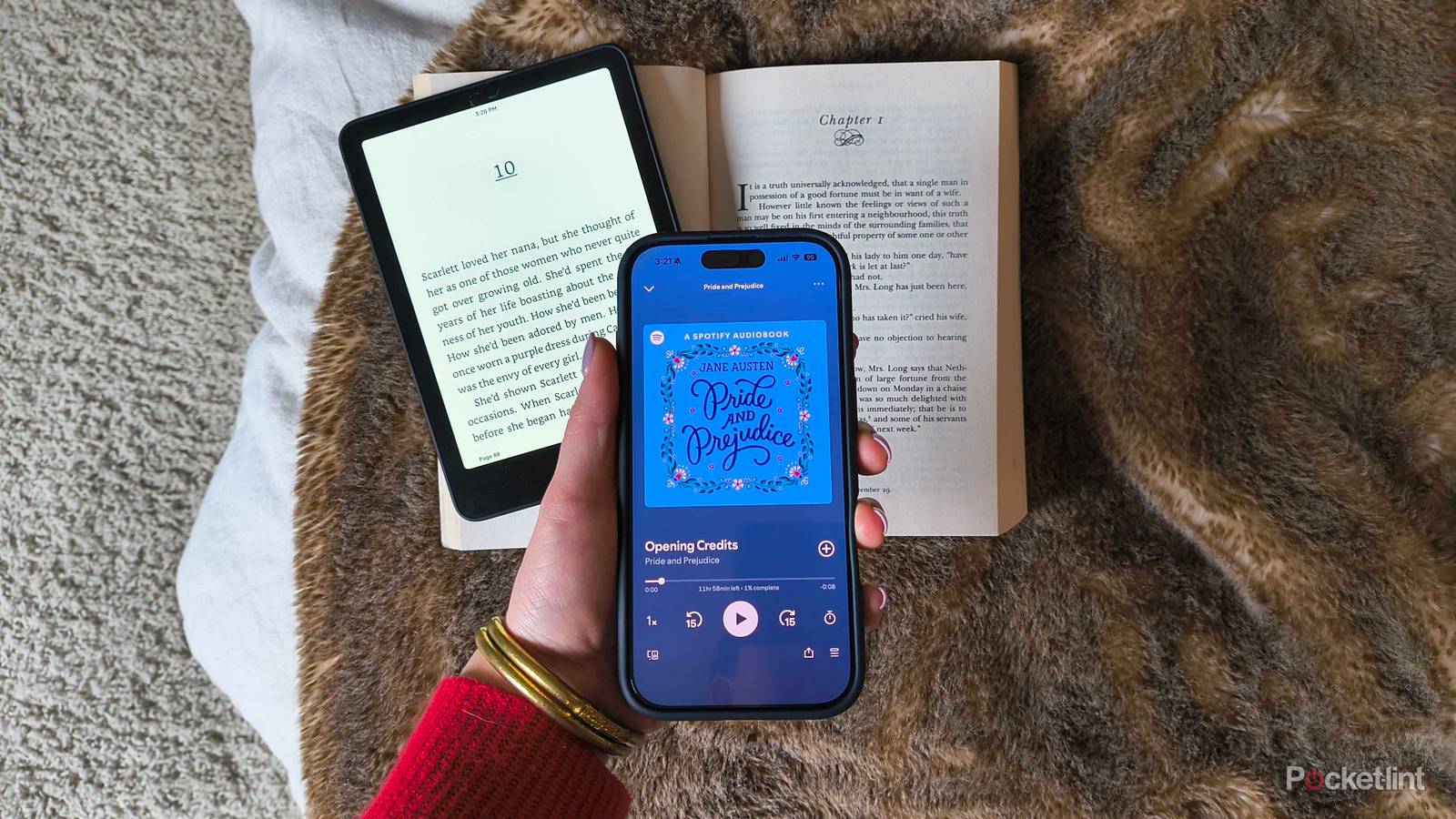
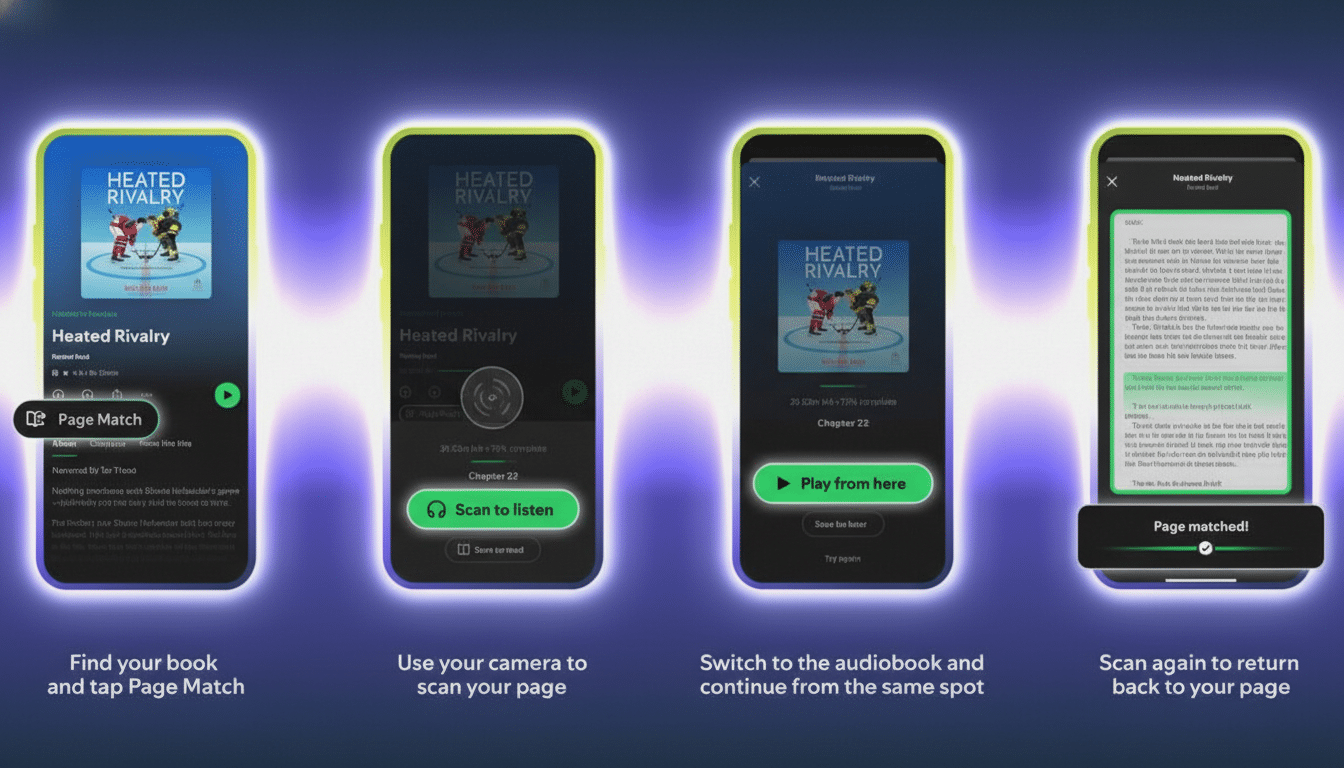
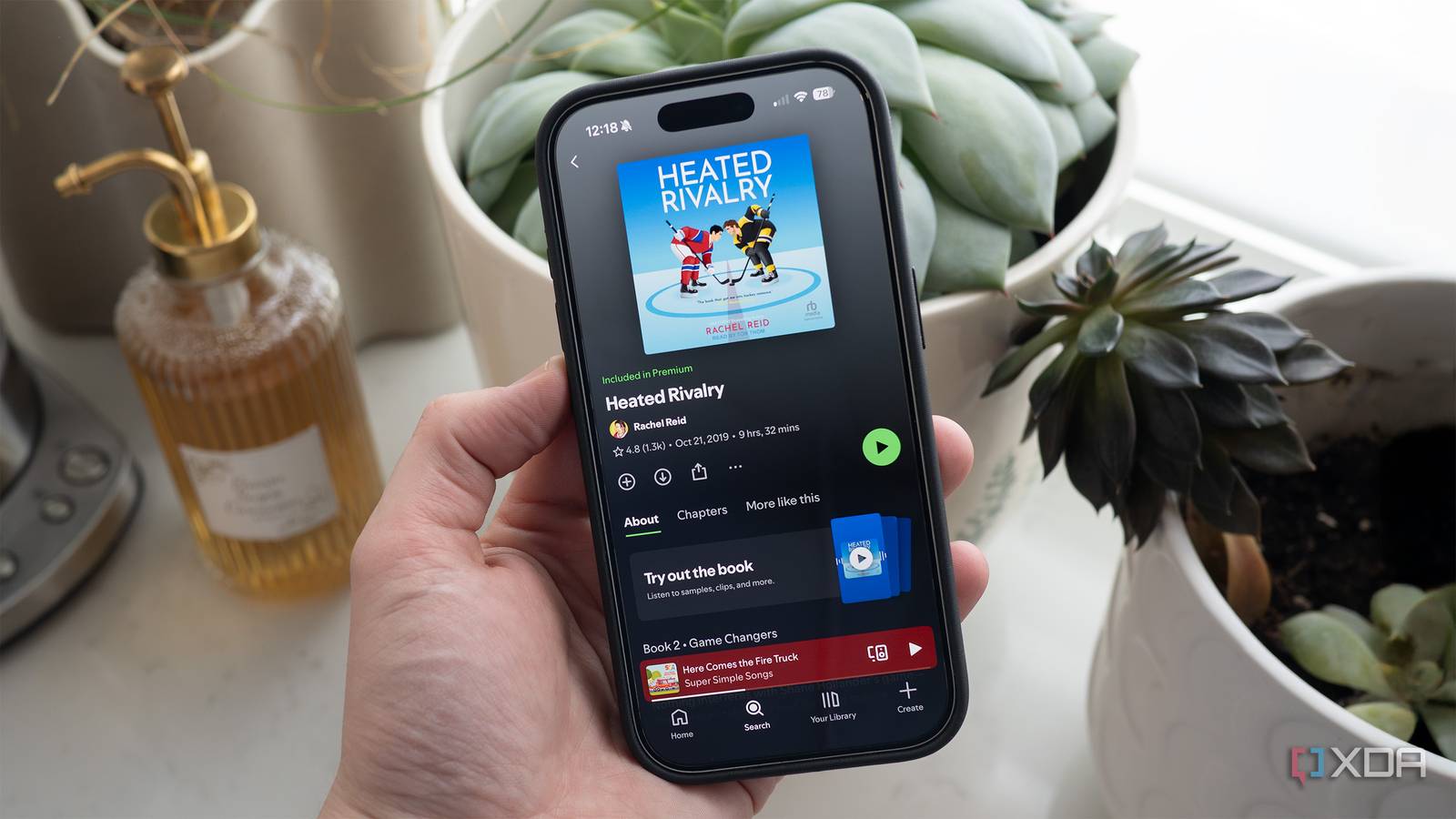
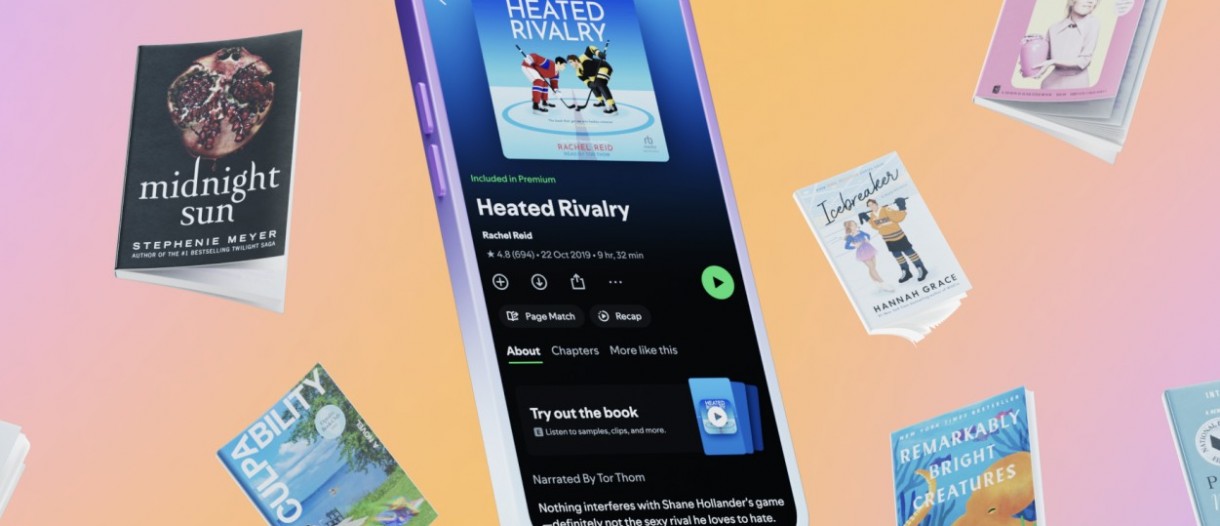
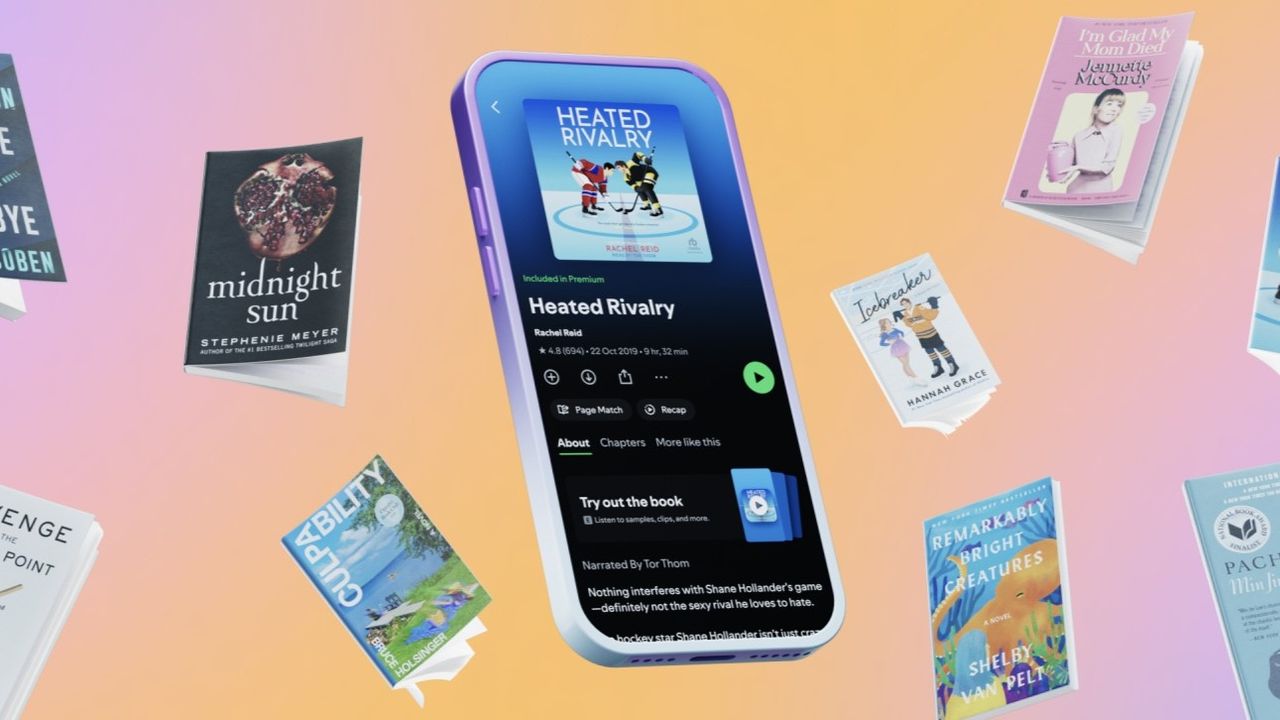
Spotify's transformation from audio streaming into omnichannel book retail represents a seismic shift in content discovery and e-commerce distribution, directly challenging Amazon's audiobook dominance and traditional book retailers. The company announced two major initiatives: a partnership with Bookshop.org enabling U.S. and U.K. premium subscribers to purchase physical hardcover and paperback books directly through the Spotify app (launching Spring 2025-2026), and the debut of Page Match, an industry-first feature using computer vision and text matching technology to synchronize reading across physical books, e-books, and audiobooks by scanning a page with a mobile device camera.
The scale of this opportunity is substantial: Spotify's 500+ million user base (600M+ globally) combined with 36% year-over-year audiobook listener growth (2024-2025) and 37% increase in listening hours demonstrates explosive demand for integrated reading experiences. The platform currently offers 500,000 audiobook titles, with Page Match functionality rolling out to most English-language titles by end of February 2025-2026. Physical books represent approximately 67% of trade publishing revenue, making this partnership strategically critical for capturing readers who prefer tangible formats while maintaining engagement across Spotify's massive subscriber base.
For cross-border e-commerce sellers, this development signals three critical market shifts: First, platform-driven commerce consolidation—Spotify is leveraging its existing user base to drive commerce in adjacent categories, mirroring successful strategies like podcast placement on Netflix. This demonstrates how streaming platforms are maximizing customer lifetime value through ecosystem expansion rather than single-category focus. Second, competitive pressure on traditional book retail channels—Spotify's entry directly challenges Amazon's Audible dominance (which offers Whispersync but lacks physical book integration), traditional booksellers, and independent retailers. The Bookshop.org partnership, which flows revenue to independent bookstores and authors, signals Spotify's strategy to capture price-sensitive and values-conscious readers while maintaining brand differentiation from Amazon. Third, format interoperability as a competitive moat—Page Match technology addresses a specific consumer pain point (friction when switching between physical and audio formats), creating customer lock-in through convenience and integrated features that competitors like Audible lack.
The operational implications for sellers are profound: Spotify's preference for partnering with established logistics infrastructure (Bookshop.org) rather than building proprietary supply chains suggests the company views fulfillment as a commodity service. This creates opportunities for 3PL providers and logistics partners to capture Spotify-driven volume. Additionally, the 15 hours of free monthly audiobook listening for Premium subscribers (with additional purchases available) indicates Spotify is building a freemium-to-paid conversion funnel similar to its music strategy, which will drive sustained demand for audiobook content and physical book inventory. The focus on Premium subscribers in English-speaking markets (U.S. and U.K. initially) with planned regional expansion signals a phased rollout targeting high-value customer segments first—a pattern that typically precedes broader geographic expansion within 12-18 months.
Questions 7
How does the Bookshop.org partnership benefit independent bookstores and what does it signal about Spotify's strategy?
The Bookshop.org partnership directly supports independent bookstores, with purchase revenue flowing to local retailers and authors. Bookshop.org founder Andy Hunter highlighted that Spotify's scale will significantly impact indie bookseller financial sustainability. This partnership indicates Spotify's preference for established logistics and fulfillment infrastructure rather than building proprietary supply chains, reducing operational complexity while maintaining brand control over the customer experience. The strategy mirrors Spotify's approach of placing podcasts on Netflix to reach incremental audiences—leveraging existing user bases to drive commerce in adjacent categories. By partnering with an independent bookstore network rather than competing directly with Amazon, Spotify positions itself as a values-conscious alternative that appeals to readers prioritizing local retail support while maintaining engagement across its massive subscriber base.
What are the key metrics showing Spotify's audiobook growth and market opportunity?
Spotify's audiobook division demonstrated 36% year-over-year growth in new listeners between 2024-2025, with listening hours increasing 37% during the same period. The platform currently offers 500,000 titles in its catalog, with Page Match functionality available for most English-language titles by end of February 2026. Premium subscribers receive 15 hours of free audiobook listening monthly, with additional listening or full book purchases available. Physical books represent approximately 67% of trade publishing revenue, making this partnership strategically important for capturing readers who prefer tangible formats. Spotify's 500+ million user base (600M+ globally) provides substantial distribution leverage, with initial rollout targeting U.S. and U.K. premium subscribers in Spring 2025-2026, with planned expansion to additional regions following initial success.