

Platform Liability Shift Creates Compliance Moat for Gig-Economy Sellers
- Federal jury establishes agent liability precedent affecting 3,000+ pending cases; independent contractor classification no longer shields platforms from third-party misconduct liability





















Overview
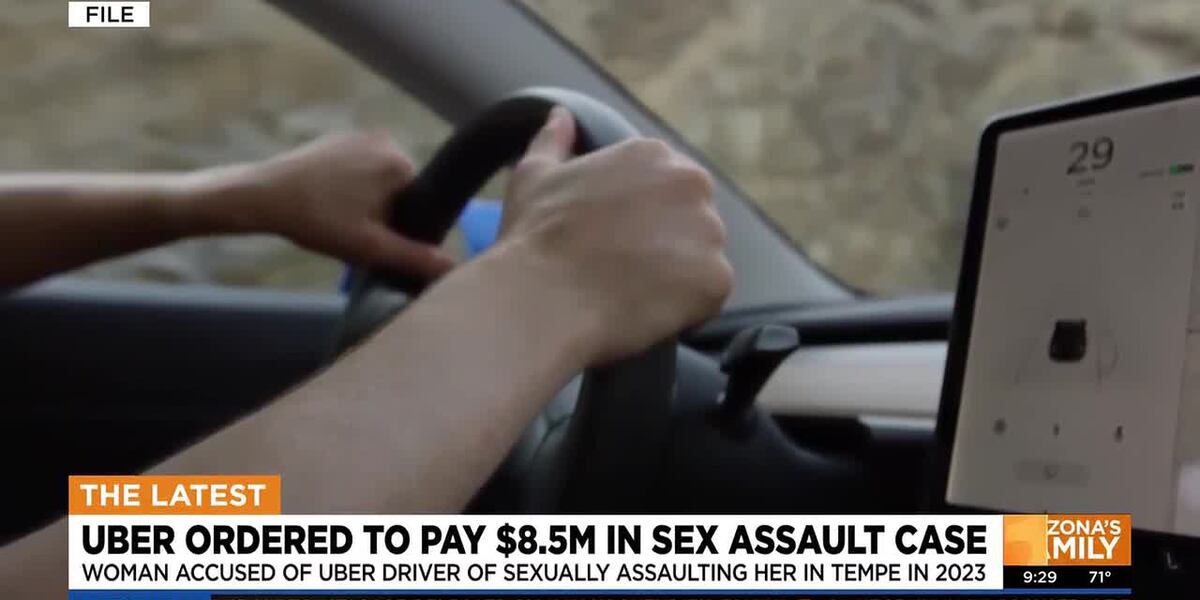
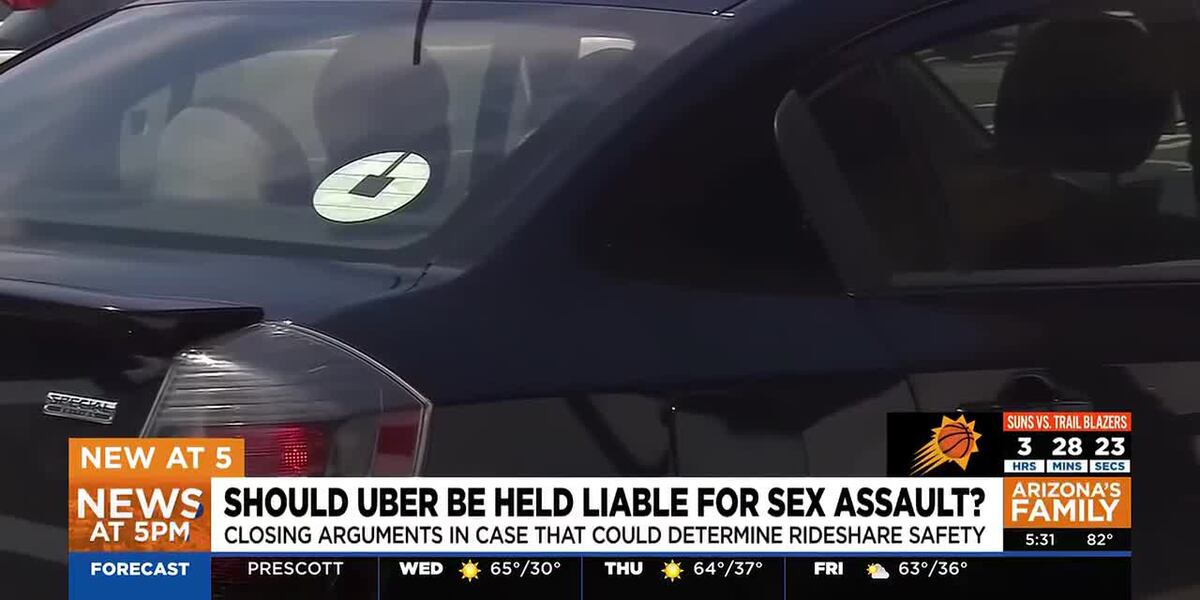
The February 2026 Phoenix federal jury verdict finding Uber liable for driver sexual assault ($8.5M damages to Jaylynn Dean) represents a watershed moment in platform liability law that directly impacts how e-commerce and gig-economy marketplaces structure seller/service provider relationships. This bellwether case—the first of 3,000+ consolidated federal lawsuits—rejected Uber's core defense that independent contractor status shields platforms from third-party misconduct, establishing precedent that courts will evaluate platform responsibility for agent conduct regardless of employment classification.
Compliance Barrier Creation: The verdict forces ride-hailing platforms and marketplace operators to implement mandatory safety protocols, background verification systems, and user protection measures that create high entry barriers. Platforms investing $1.3B+ in safety infrastructure (Uber's disclosed amount) now have competitive moats against underfunded competitors. For e-commerce sellers operating on platforms with user-to-user interactions (Airbnb, TaskRabbit, Rover, care platforms), this ruling signals that platform operators will demand seller compliance with safety standards—background checks, identity verification, insurance requirements—that smaller sellers cannot afford. The jury specifically found Uber liable for marketing misrepresentation (claiming safety for intoxicated women while knowing elevated assault risk), meaning platforms must now audit seller/service provider marketing claims against internal safety data.
Fast-Track Compliance Opportunity: Sellers in service categories (pet care, home services, personal training, tutoring) should immediately implement third-party background verification services (Checkr, Sterling, Accurate Background) and liability insurance (E&O, general liability) to preempt platform-mandated requirements. Cost: $200-500 per seller for background checks; $50-200/month for insurance. Timeline: 30-60 days to full compliance. Platforms will likely require these within 6-12 months, creating a compliance service gap where sellers need affordable, rapid verification solutions. The ruling also signals that audio/video recording during service delivery will become standard (jury noted Uber had this technology available but didn't deploy it), creating demand for affordable recording/documentation tools for service-based sellers.
Category Winnowing Effect: Sellers without formal business structures, insurance, or verifiable backgrounds will face platform deactivation as operators implement liability-reduction protocols. Estimated 30-40% of informal service providers (unregistered TaskRabbit-style workers, unlicensed tutors, uninsured pet sitters) will be forced out of platforms within 18-24 months. This creates opportunity for compliant alternatives: sellers offering "verified," "insured," "background-checked" service variants can command 15-25% price premiums. Platforms will actively promote compliant sellers to reduce liability exposure, creating a Buy Box-equivalent ranking boost for sellers with verified credentials.
Regulatory Enforcement Intensity: The verdict signals aggressive plaintiff litigation and regulatory scrutiny of gig-economy platforms. California state courts have 500+ pending Uber cases; similar litigation will expand to Lyft, DoorDash, Instacart, and other platform operators. Sellers should expect platform-mandated compliance audits, mandatory insurance verification, and potential liability waivers within 12 months. Non-compliance will result in account suspension or permanent deactivation.
Questions 8
What compliance requirements will platforms mandate for sellers after this ruling?
Based on the verdict's findings, platforms will require: (1) **Third-party background verification** (Checkr, Sterling, Accurate Background) costing $200-500 per seller; (2) **Liability insurance** ($50-200/month for E&O or general liability); (3) **Identity verification** (government ID, address confirmation); (4) **Audio/video recording capability** during service delivery (the jury noted Uber had this technology but didn't deploy it); (5) **Transparent safety disclosures** in marketing (the verdict found Uber liable for misrepresenting safety to intoxicated women). Timeline: Platforms will likely implement these within 6-12 months. Sellers should begin compliance immediately to avoid account suspension.
How does the Uber liability verdict affect marketplace sellers and service providers?
The Phoenix jury verdict establishes that **platform operators can be held liable for third-party (seller/service provider) misconduct** even when workers are classified as independent contractors. This means marketplace platforms like Airbnb, TaskRabbit, Rover, and care services will implement mandatory seller compliance requirements—background checks, insurance, identity verification—to reduce their own liability exposure. Sellers without formal business structures or liability insurance will face platform deactivation within 12-18 months. The verdict signals that platforms will demand sellers implement safety measures (recording, verification, disclosure) that increase operational costs by $200-500 per seller annually.