




Japan's Takaichi Landslide Win Reshapes Asia-Pacific Trade | Seller Tariff & Market Opportunities
- Political stability unlocks $550B US-Japan investment deal; tariff reductions (25% to 15%) benefit electronics/apparel sellers; "Sana-mania" merchandise trend drives 2.6M social followers into consumer spending surge























Overview
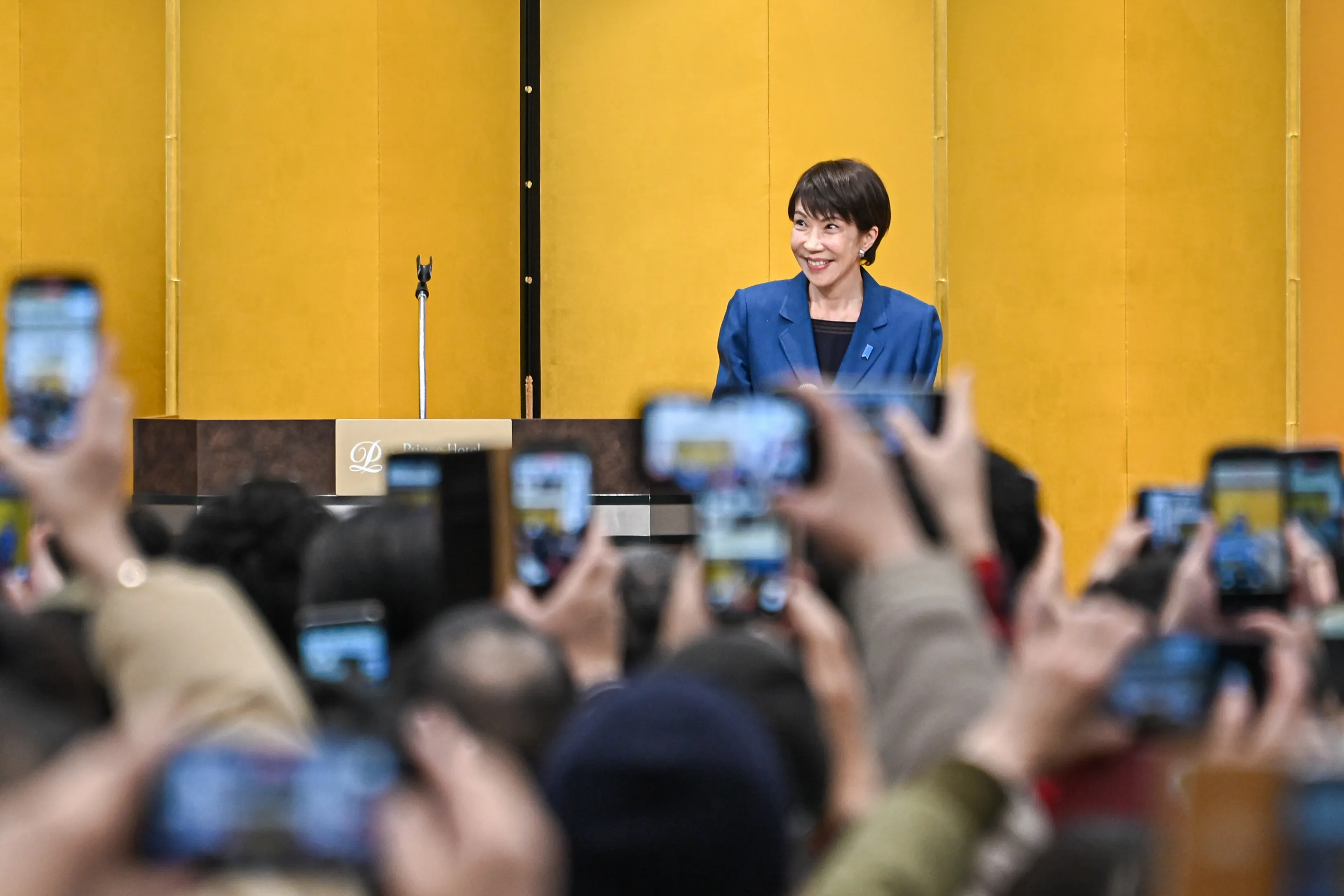
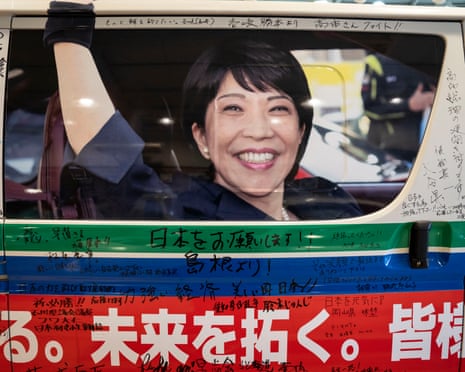
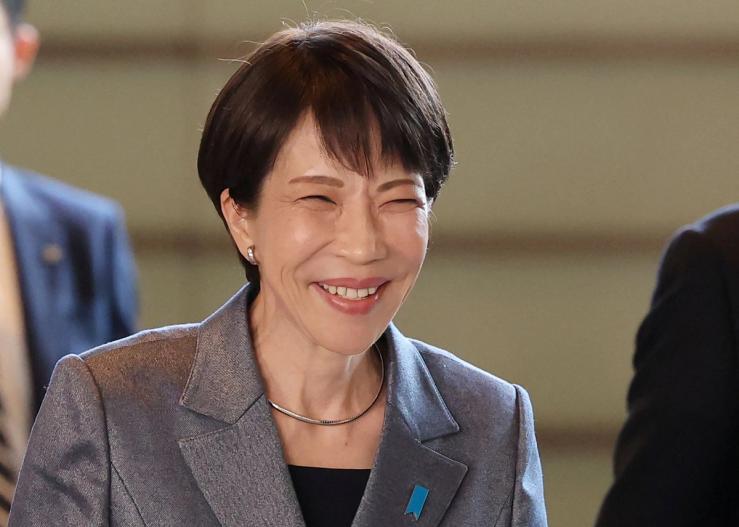
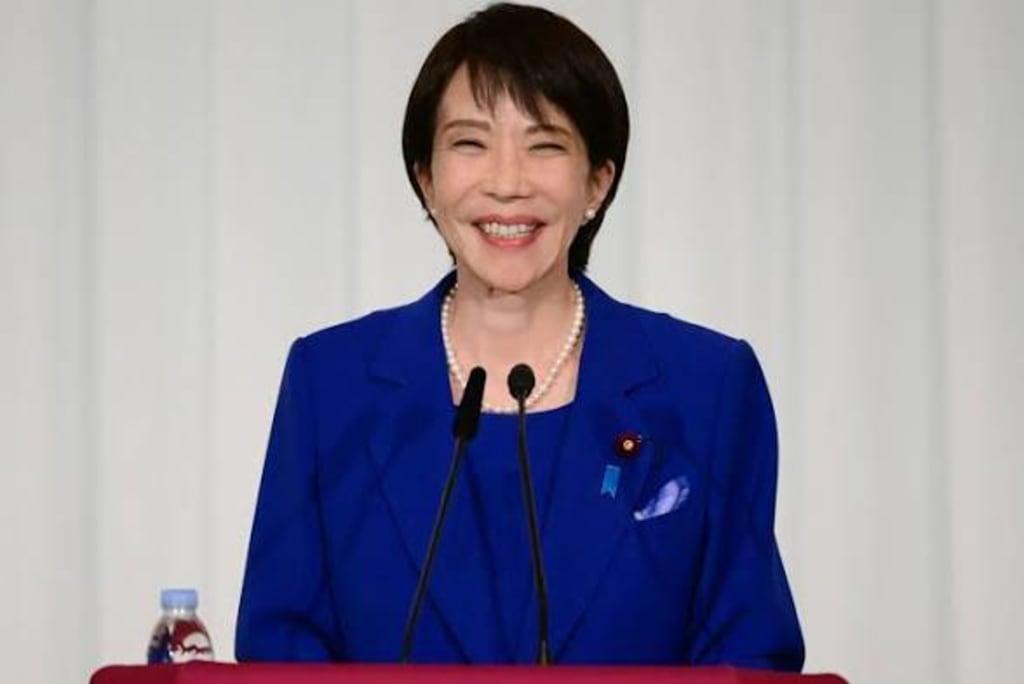
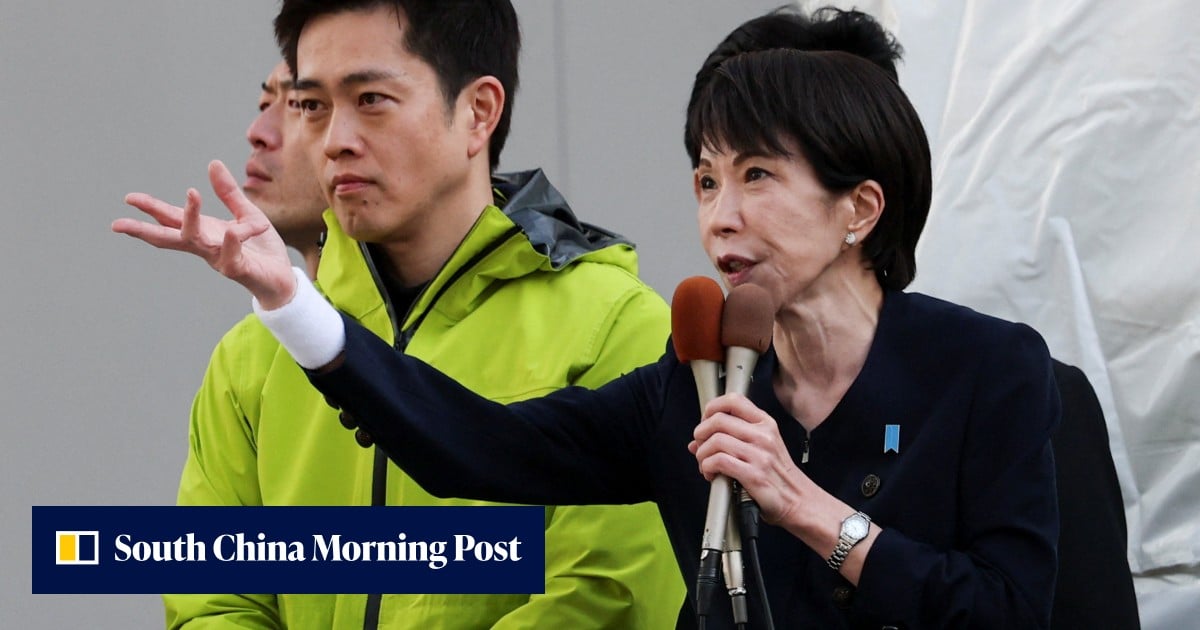
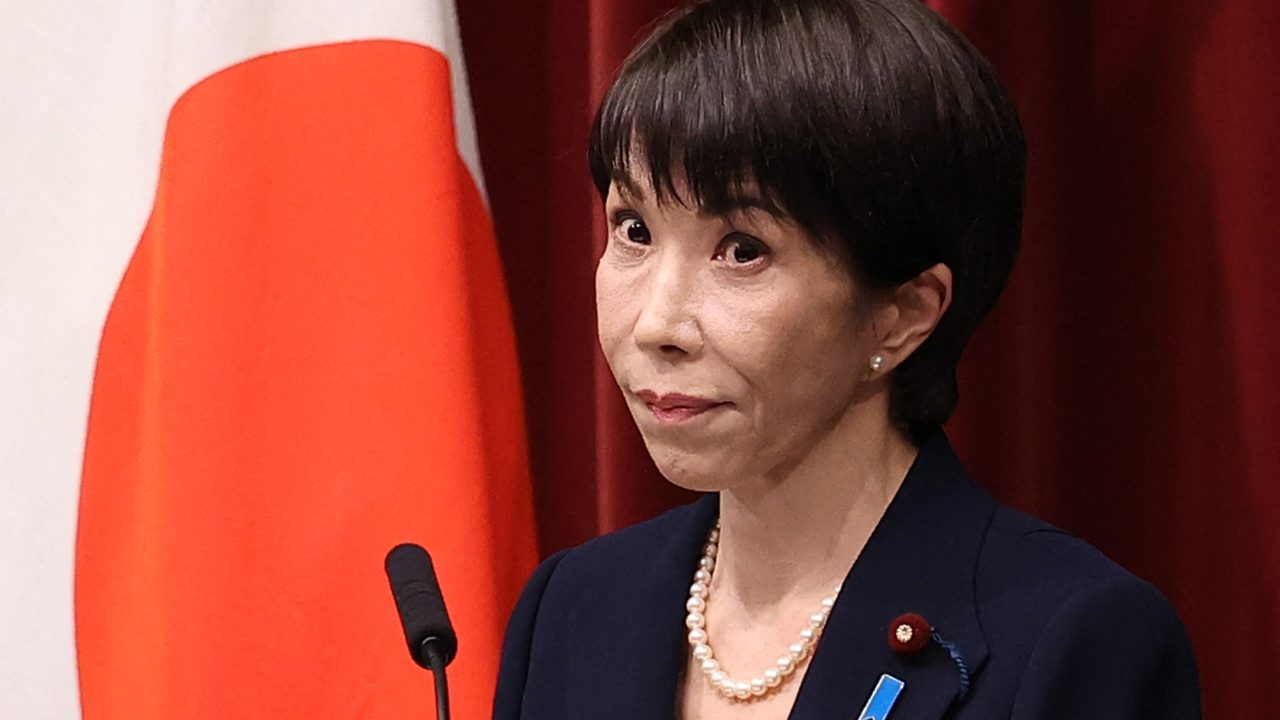
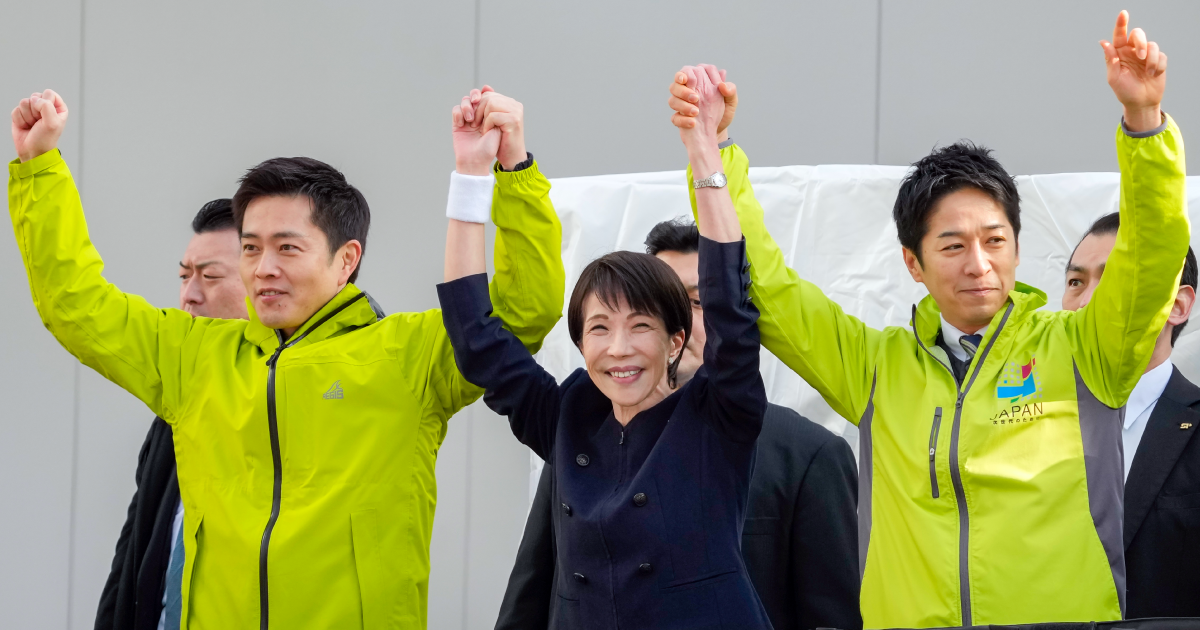
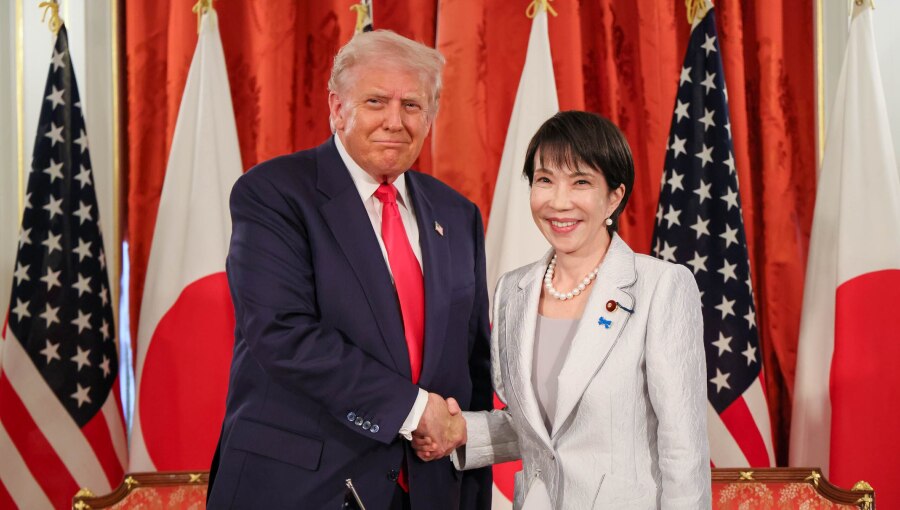
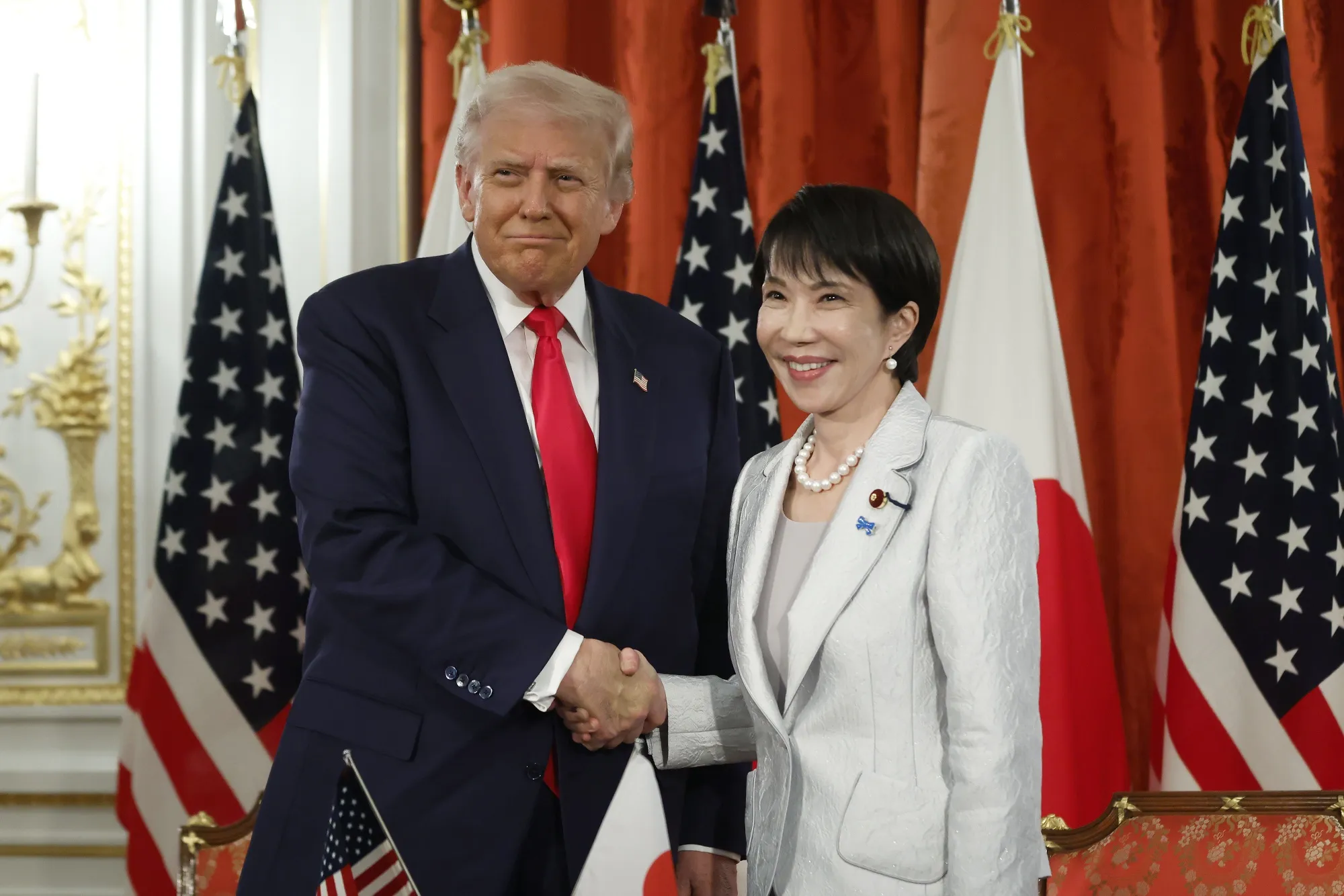
Japan's February 8, 2026 snap election delivers a decisive mandate for Prime Minister Sanae Takaichi, with the LDP-led coalition projected to secure 300+ of 465 Lower House seats—a dramatic reversal from 2024-2025 political turmoil. This political stabilization carries profound implications for cross-border e-commerce sellers, particularly those sourcing from or selling to Japan and the broader Asia-Pacific region.
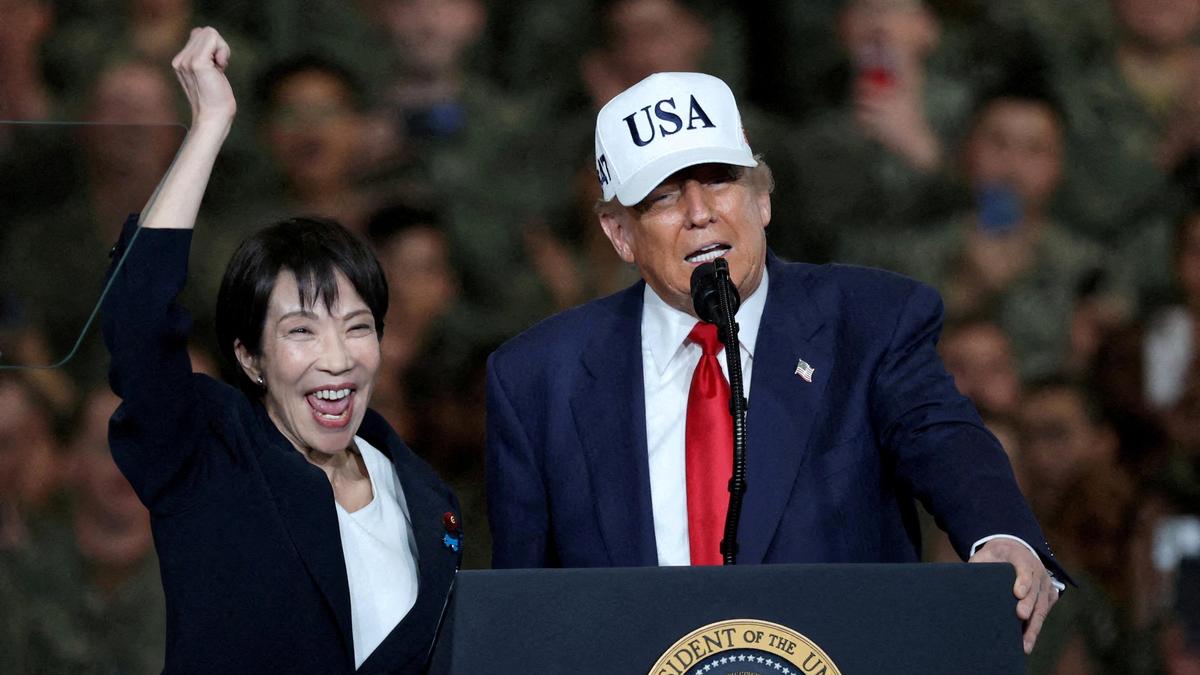
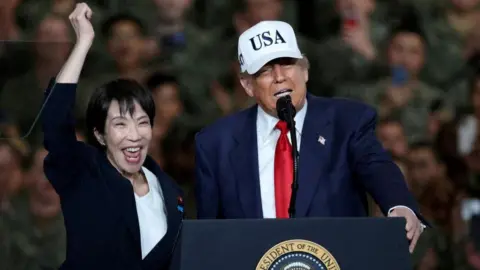
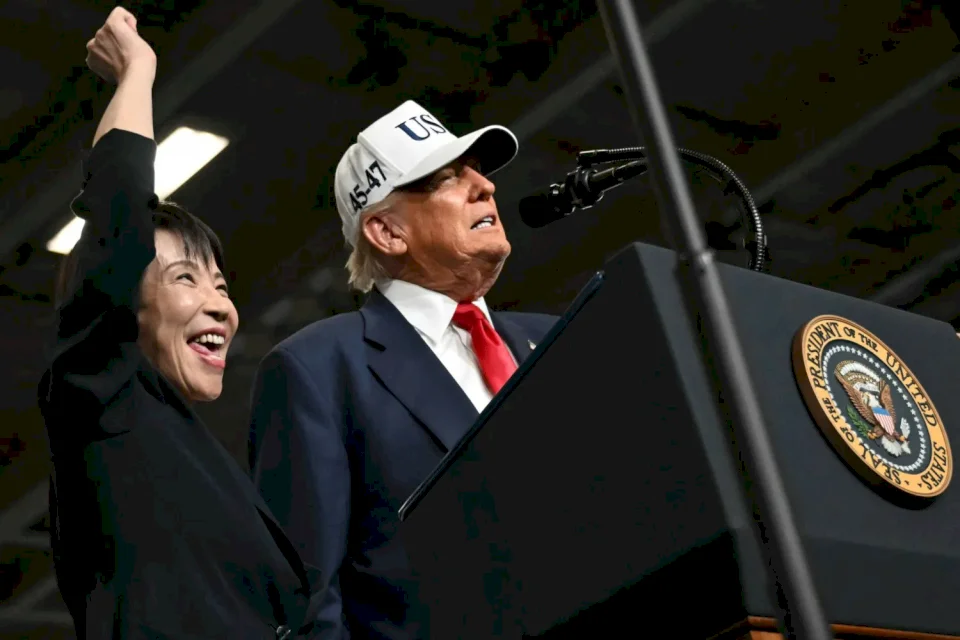
The tariff environment represents the most immediate seller opportunity. Japan's July 2024 deal to invest $550 billion in the US resulted in reduced tariffs from Trump's threatened 25% to 15%—a 10-percentage-point reduction that directly impacts import costs for electronics, apparel, and consumer goods sellers. Takaichi's landslide victory and Trump's explicit endorsement (February 6, 2026) signal policy continuity on this favorable tariff framework. Sellers currently shipping Japanese electronics, automotive parts, or consumer goods to US markets benefit from this 40% tariff reduction relative to threatened rates. The LDP's two-thirds majority (targeting 261+ seats) enables legislative control and committee dominance, reducing policy uncertainty that typically creates volatility in cross-border trade agreements.
The "Sana-mania" phenomenon reveals critical consumer behavior insights for merchandise sellers. News reports document her $900 black leather handbag selling out and preferred snacks experiencing increased demand—classic celebrity-driven merchandise spikes. Her 2.6 million X followers significantly outpace opposition leaders, indicating concentrated social media influence. This mirrors historical patterns where political figures generate merchandise demand: Margaret Thatcher-inspired products, Obama memorabilia, and similar collectibles. Japanese sellers and international merchants targeting Japan's younger demographic (her core support base) should monitor trending product categories: luxury accessories, premium snacks, political memorabilia, and lifestyle products aligned with her "accessibility and relatability" brand positioning. The consumption tax suspension proposal (food for two years) signals potential demand shifts toward food/beverage categories if implemented.
Market volatility and currency implications require active monitoring. CSIS expert Kristi Govella noted that "little else has changed since July when the LDP was drubbed"—indicating the victory reflects personal popularity rather than economic improvement. Japan's stagnant economy creates uncertainty for sellers relying on Japanese consumer spending growth. However, the political stability reduces currency volatility risk. Sellers with JPY-denominated costs or revenue should lock in favorable exchange rates during this post-election stabilization period (March-April 2026). The US-Japan "golden age" declaration and rare earth cooperation agreements suggest supply chain opportunities in materials sourcing, particularly for electronics sellers requiring rare earth elements.
Questions 8
When should sellers adjust inventory and pricing for post-election market conditions?
The election occurs February 8, 2026, with results expected by February 9. Sellers should implement tariff-optimized pricing and inventory adjustments by March 1, 2026 (3-week window). Currency hedging strategies should be locked in by March 15, 2026, before post-election volatility subsides. Merchandise sellers targeting 'Sana-mania' trends should launch campaigns by February 15, 2026, to capture peak momentum (2-3 month window). Food/beverage sellers should prepare dual pricing models by April 1, 2026, pending consumption tax suspension legislation. Supply chain sellers should initiate rare earth supplier outreach by March 2026 to secure Q2-Q3 2026 contracts.
What risks should sellers monitor regarding Takaichi's Taiwan comments and China tensions?
Takaichi's November 2024 comments suggesting Japan could respond militarily if China attacked Taiwan create geopolitical risk. Trump's endorsement one day after his call with Xi Jinping (who emphasized Taiwan as 'most important issue') signals potential US-China escalation. Sellers with supply chains dependent on China-Taiwan stability should diversify sourcing by Q2 2026. Electronics and semiconductor sellers face highest risk; consider Japanese or South Korean alternatives. Monitor US-China trade developments weekly, as tariff escalation could trigger 15-25% cost increases. Maintain 60-90 day inventory buffers in high-risk categories (electronics, semiconductors) through 2026.