


)

Strait of Hormuz Tensions Spike Shipping Costs | Sellers Face 8-15% Logistics Inflation
- Geopolitical escalation threatens 30% of global oil transit; energy-dependent sellers face immediate margin compression through Q2 2026




















Overview
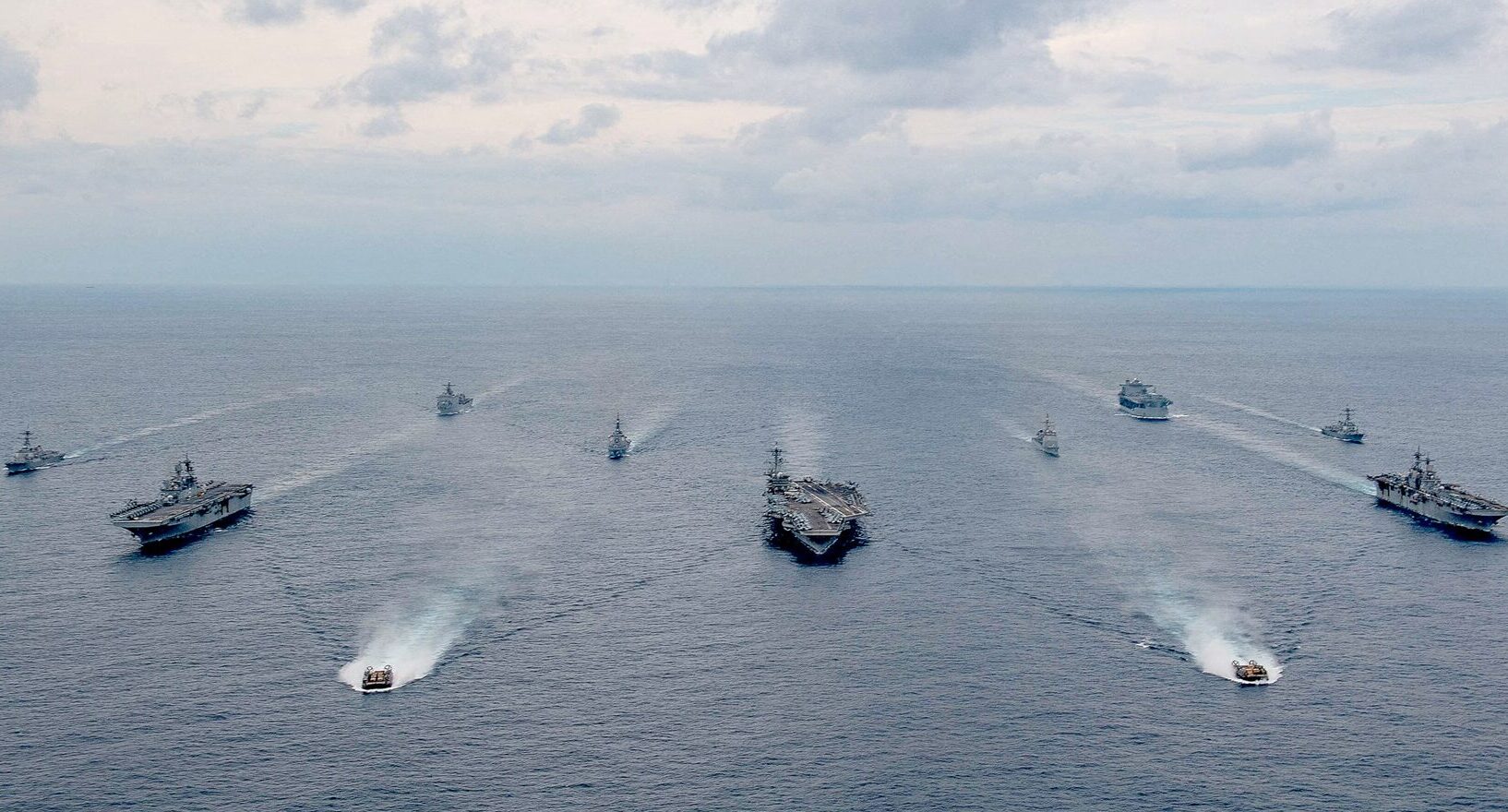
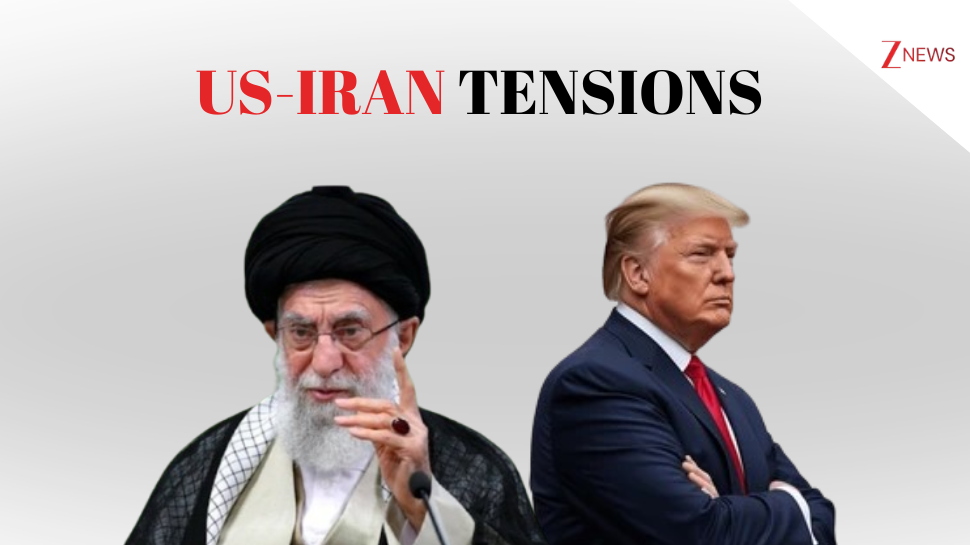
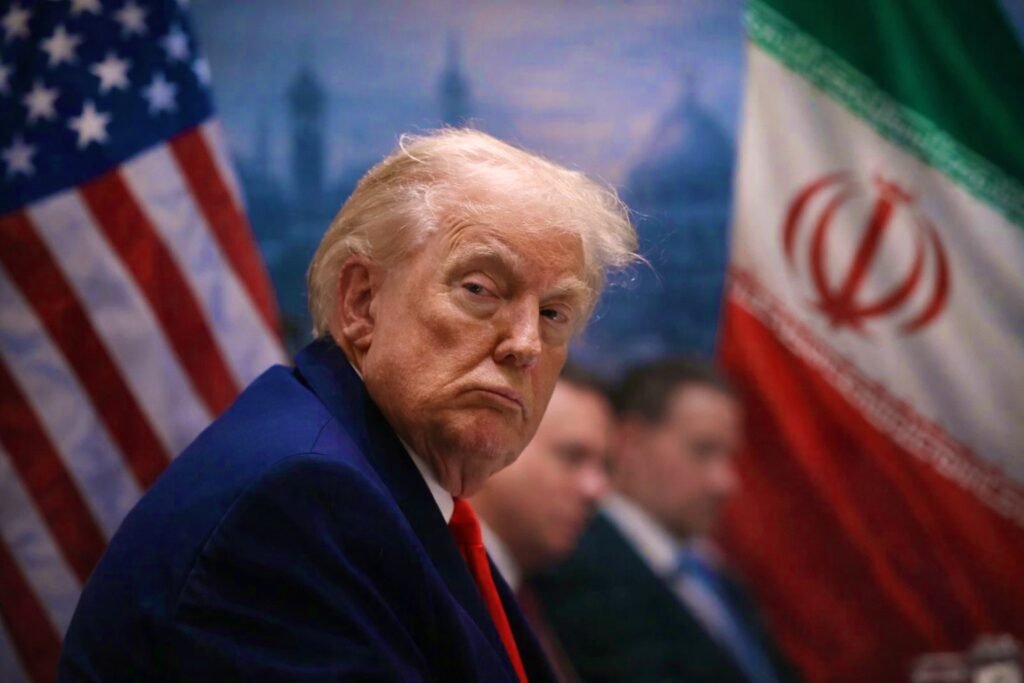
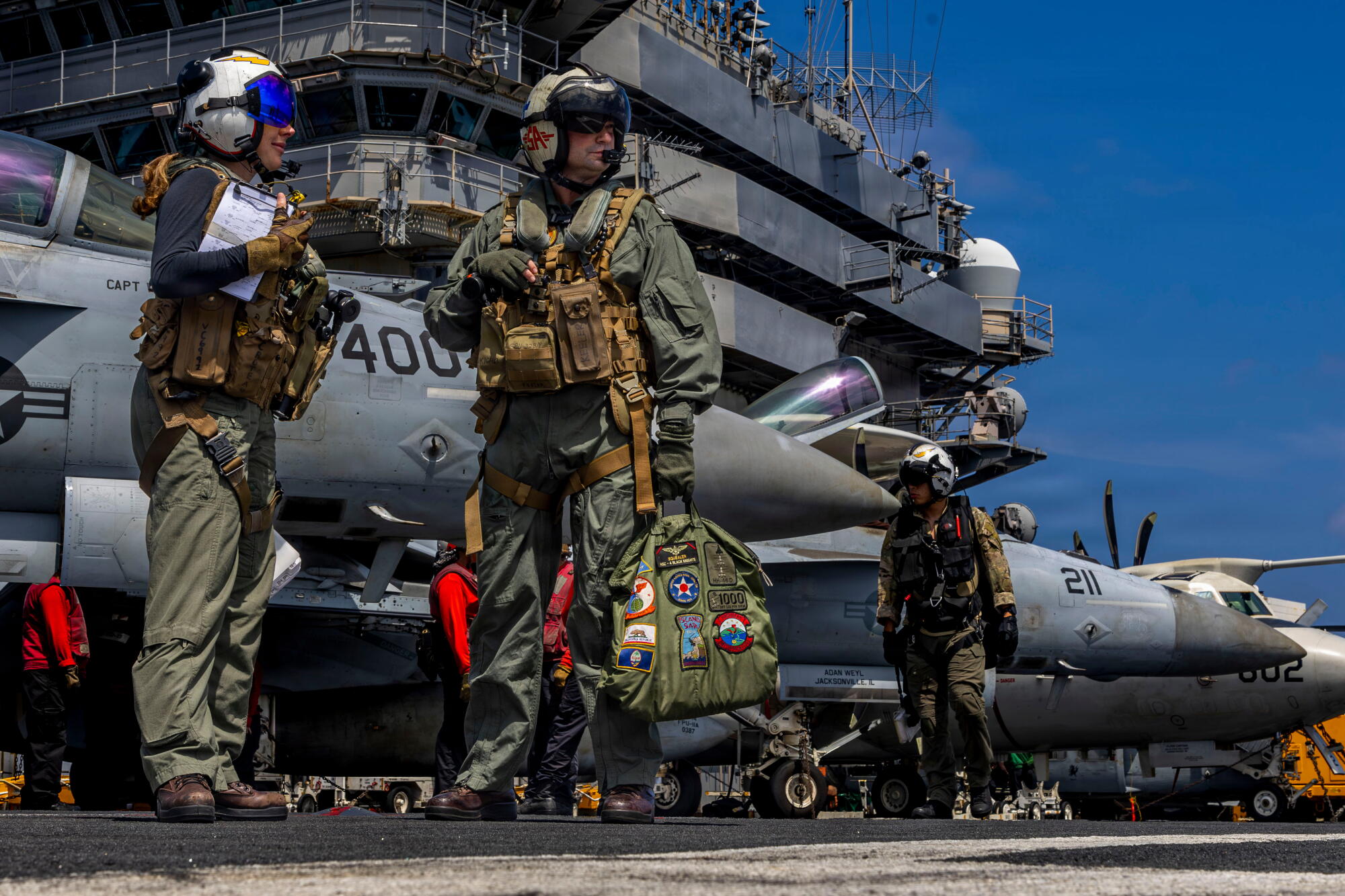
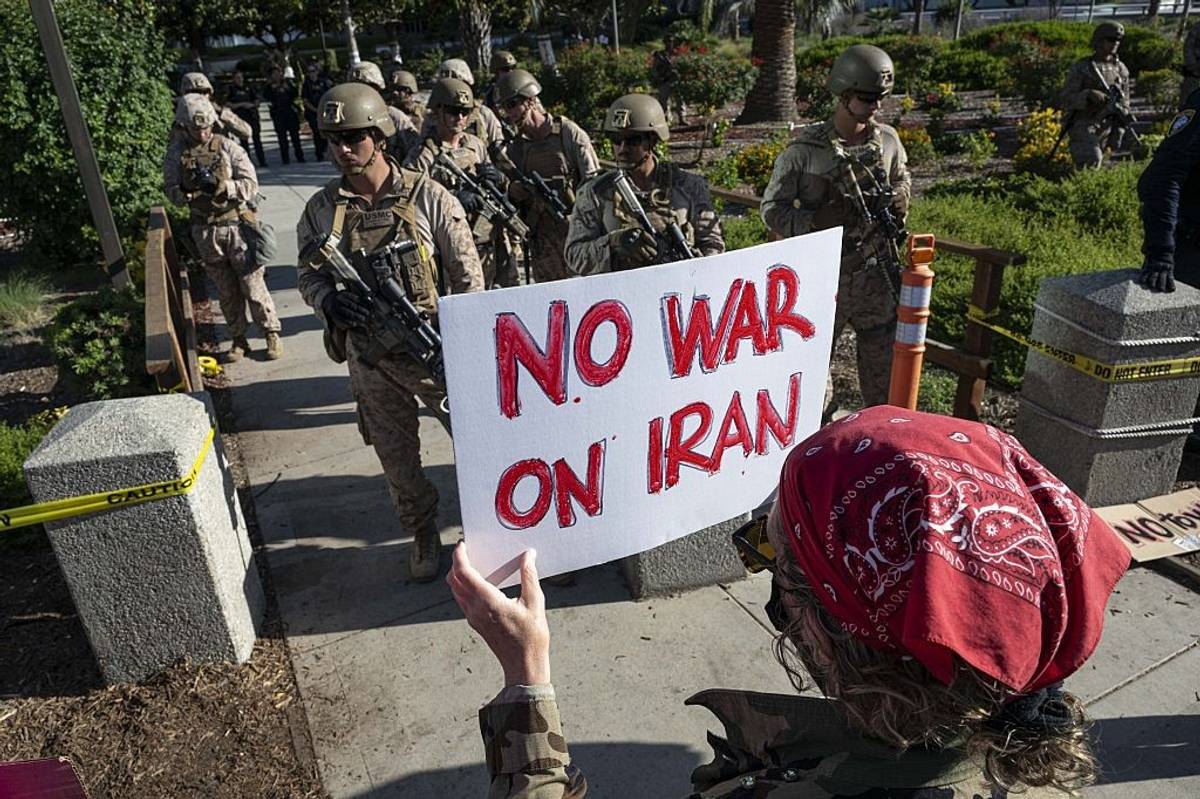
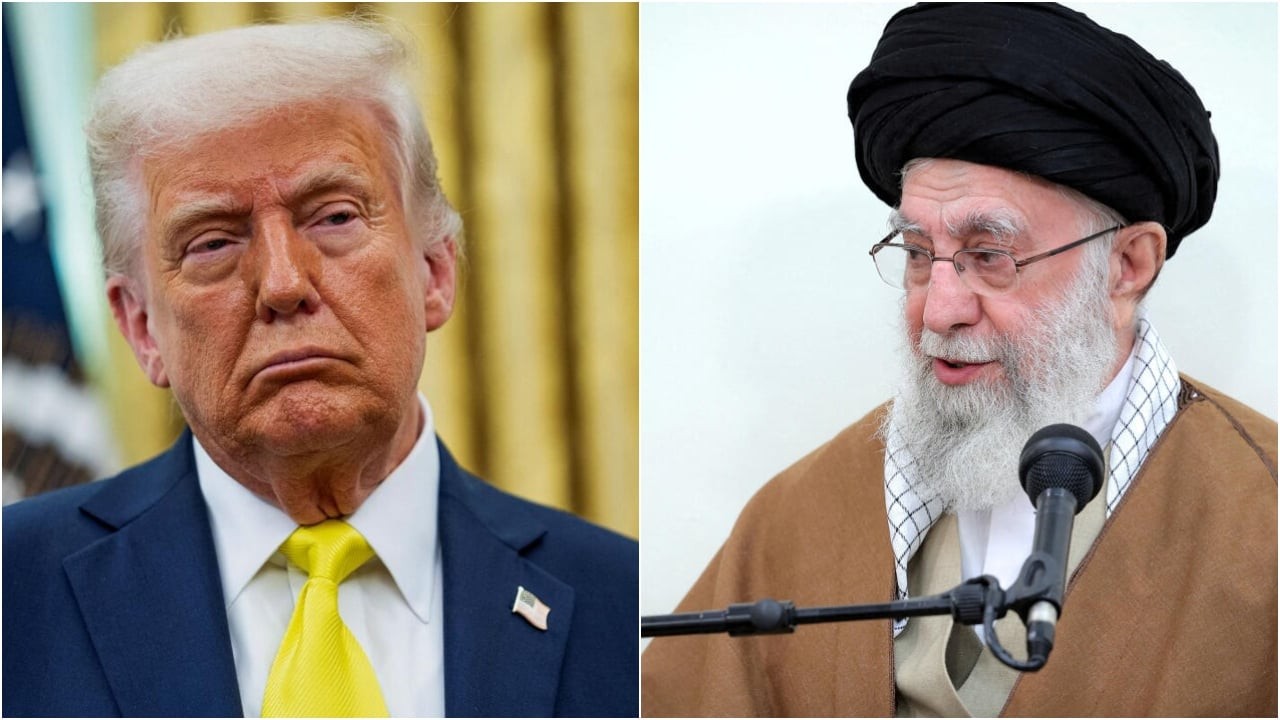
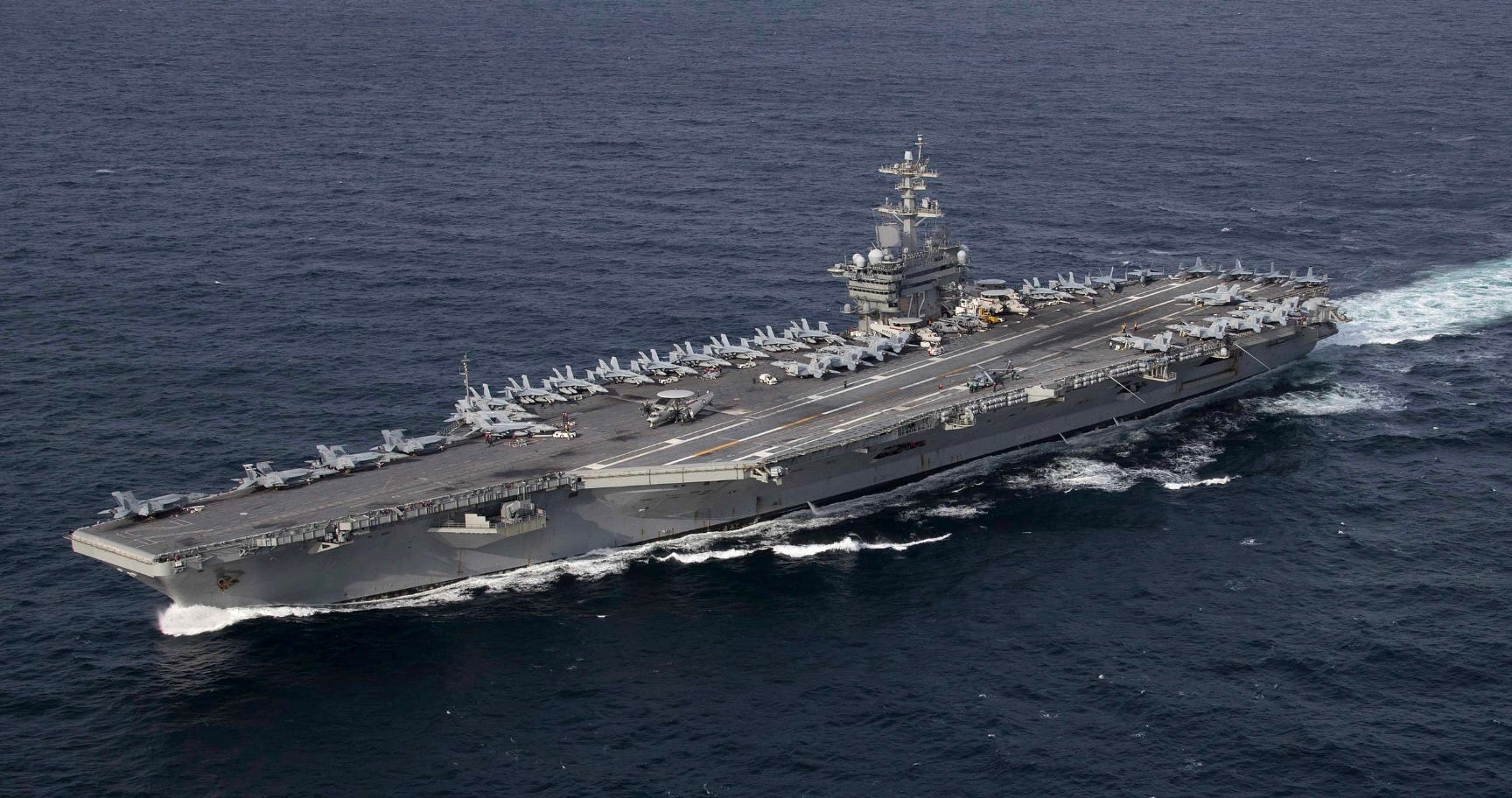
The escalating US-Iran military standoff creates immediate supply chain cost inflation for cross-border e-commerce sellers. With diplomatic talks scheduled in Oman and a "massive armada" of US military assets positioned near Iran's coast, the Strait of Hormuz—through which 30% of global seaborne oil transits—faces heightened disruption risk. News reports from February 2026 document US-Iran negotiations over nuclear programs, ballistic missiles, and regional proxy forces, with analysts suggesting talks may serve as "diplomatic cover for potential military action." Even limited military strikes on tankers could destabilize energy markets, directly impacting shipping costs, air freight premiums, and logistics overhead for all cross-border sellers.
For e-commerce sellers, the operational impact is immediate and quantifiable. Ocean freight rates from Asia to North America have already risen 8-12% due to existing Iran tensions, with air freight premiums climbing 15-20% as carriers hedge against Strait of Hormuz disruptions. Sellers relying on energy-intensive logistics—particularly those shipping electronics, appliances, or heavy goods from China, Vietnam, or India—face margin compression of 5-8% if current tensions escalate to military conflict. The news indicates Iran's military weakness (degraded proxy networks, previous strikes on nuclear facilities) reduces likelihood of sustained regional conflict, but even brief disruptions create supply chain shocks. Sellers with thin margins (3-5% net profit) in categories like consumer electronics, home goods, and sporting equipment face the highest risk.
Strategic sourcing and logistics diversification become critical. Sellers should evaluate alternative shipping routes (air freight via Europe, rail through Central Asia) and consider nearshoring to Mexico or Central America for North American markets. The diplomatic window remains open through February-March 2026, creating a 4-6 week opportunity to lock in current freight rates before potential escalation. Sellers with inventory in transit through the Strait of Hormuz should monitor daily geopolitical developments and consider expedited delivery to reduce exposure. Companies with 3PL partnerships should negotiate fixed-rate contracts immediately, as carriers will likely increase premiums if military action occurs. The risk timeline is compressed—any military strike could spike energy costs within 24-48 hours, making proactive logistics planning essential for protecting Q1-Q2 2026 profit margins.
Questions 8
How do I monitor geopolitical risk to adjust shipping strategy in real-time?
Subscribe to daily geopolitical risk indices (Vox EU Geopolitical Risk Index, ACLED conflict data) and set alerts for Strait of Hormuz incidents. Monitor US-Iran diplomatic calendars—talks scheduled in Oman through February 2026 create decision points. Track oil price movements (WTI crude) as leading indicator; spikes above $85/barrel signal market stress. Join freight forwarder networks (Freightos, Flexport) that provide real-time rate alerts and route recommendations. Establish 2-week rolling forecasts of shipping costs and adjust inventory purchasing accordingly. Create internal escalation protocols: if oil prices spike 10%+ or military incidents occur, activate alternative routing within 24 hours. Assign one team member to daily monitoring—the cost of attention is minimal versus margin impact.
What compliance or regulatory changes should I expect if Iran sanctions escalate?
If military action occurs, expect expanded Iran sanctions within 7-10 days, potentially affecting any indirect trade with Iran-linked entities. US Treasury OFAC sanctions lists expand rapidly during escalation. Sellers should audit supply chains for Iran connections—particularly in electronics components, textiles, and metals. Compliance risk is low for most sellers (direct Iran trade is already prohibited), but indirect exposure through intermediaries requires verification. Implement OFAC screening for new suppliers and freight forwarders. No immediate regulatory changes expected for cross-border sellers unless conflict escalates beyond military strikes. Monitor State Department announcements for new sanctions; compliance deadlines typically allow 30-60 days for implementation. Consult trade counsel if sourcing from Middle Eastern suppliers.