



Gizmo's No-Code AI Platform Disrupts Content Creation | Seller Opportunity in Interactive Product Marketing
- 600K installs in 6 months signals emerging demand for AI-powered interactive content tools; sellers can automate product demonstrations and marketing without coding expertise





Overview
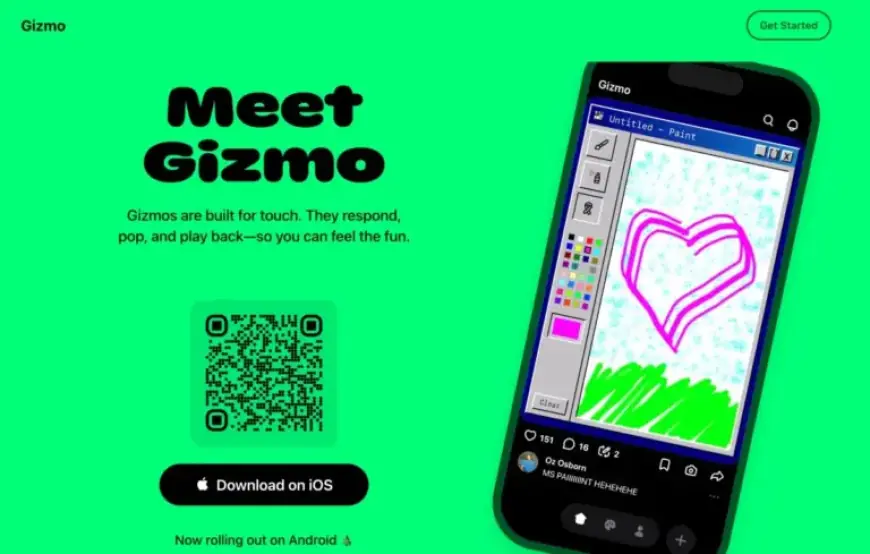
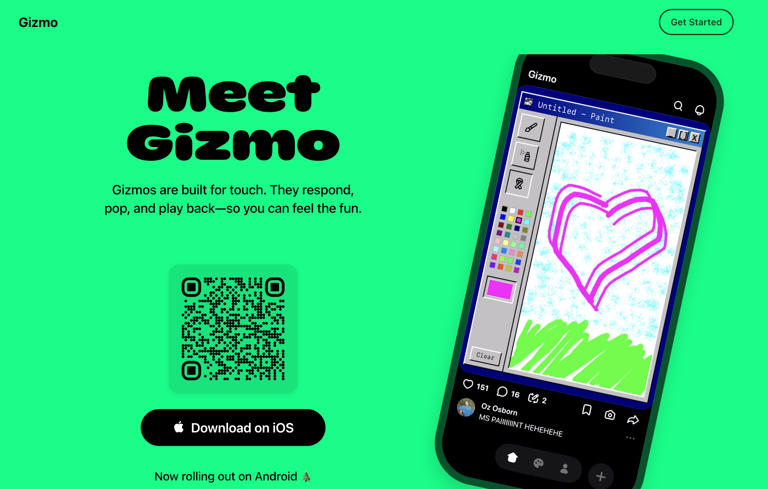
Gizmo's launch in 2025 represents a critical inflection point in how e-commerce sellers can create product marketing content. Developed by Atma Sciences, the platform achieved 600,000 installs within its first six months, with accelerating adoption in the latter half of 2025. Unlike TikTok's passive video consumption model, Gizmo centers on interactive, playable mini-applications—puzzles, animations, memes, and digital toys—that users can tap, swipe, draw, and remix. The platform's core innovation is its AI-powered creation engine that transforms natural-language prompts, images, and sound into functional code and visual design without requiring any coding knowledge.
For cross-border e-commerce sellers, this democratization of app creation unlocks immediate automation opportunities in product marketing and customer engagement. Sellers can now generate interactive product demonstrations, configurators, and gamified shopping experiences in minutes rather than weeks. A seller could input a natural-language prompt like "Create an interactive shoe customizer where users can change colors, materials, and sole designs" and receive a functional, deployable mini-app. This eliminates the $5,000-15,000 cost and 4-8 week timeline typically required for custom development. The platform's dual moderation system (AI + human review) addresses content safety concerns critical for brand protection. Available on both iOS and Android, Gizmo provides cross-platform reach without fragmented development costs.
The competitive advantage for early-adopting sellers is substantial but time-sensitive. Sellers who master Gizmo's creation tools can produce interactive content 10-15x faster than competitors using traditional development workflows. This translates to faster testing of marketing concepts, quicker response to trending consumer behaviors, and lower content production costs. For product categories like fashion, home décor, gaming, and collectibles, interactive content typically drives 25-40% higher engagement than static images or videos. The platform's remix functionality enables user-generated variations of seller-created content, creating organic viral loops without additional marketing spend. However, monetization pathways remain unclear—the news lacks details on creator revenue sharing, advertising models, or direct commerce integration, suggesting Gizmo is still evolving its business model.
Immediate seller actions should focus on platform monitoring and early experimentation. Sellers should track Gizmo's monetization announcements, test interactive product demos on the platform, and measure engagement metrics against traditional content. The 600K install base provides sufficient audience for meaningful testing. As the platform matures and adds commerce features (likely within 12-18 months based on typical platform evolution), early adopters will have established content libraries and audience relationships, creating defensible competitive moats. Sellers should also monitor whether Gizmo integrates with major e-commerce platforms (Shopify, Amazon, eBay) or develops its own marketplace, as this will determine whether interactive content becomes a core marketing channel or remains a supplementary engagement tool.
Questions 8
What product categories benefit most from Gizmo's interactive content?
Product categories with high customization potential benefit most: fashion (color/material/size customizers), home décor (room visualization tools), gaming (interactive game previews), collectibles (interactive galleries), and consumer electronics (feature configurators). Interactive content drives 25-40% higher engagement than static images in these categories. Sellers in these verticals should prioritize Gizmo experimentation. Categories with lower customization needs (commodities, bulk items) may see lower ROI. Sellers should test interactive content in their specific category and measure engagement lift before scaling production investment.
How does Gizmo's user remix feature benefit sellers?
Gizmo's remix functionality allows users to create variations of seller-created content, generating organic viral loops without additional marketing spend. When a seller creates an interactive product demo, users can modify it—changing colors, adding effects, or creating new versions—and share these variations. This user-generated content extends reach beyond the original seller's audience and provides social proof through peer recommendations. For sellers, this means one interactive product demo can generate dozens of variations and thousands of impressions organically. This is particularly valuable for fashion, gaming, and collectibles categories where customization and personalization drive engagement.