



Amazon Earnings Miss Triggers Fee Hikes | Sellers Face 8-12% Cost Increases in 2025
- Tech sector weakness forces platform profitability pivot; FBA fees, payment processing costs, and logistics pricing expected to rise significantly for 50K+ cross-border sellers



































































Overview
The core financial reality: Amazon's disappointing earnings results, combined with broader tech sector weakness and Wall Street's reassessment of AI investment returns, are forcing major e-commerce platforms into a profitability-focused pivot that directly threatens seller margins. The S&P 500 and Nasdaq experienced significant downward pressure as investors questioned whether tech companies can justify current valuations, particularly regarding AI infrastructure investments. This market pressure creates immediate operational consequences for cross-border sellers: when Amazon faces earnings pressure, the company systematically reviews operational costs, resulting in fee increases for sellers and reduced investment in seller support tools.
The payment and logistics cost cascade: The broader tech sector weakness extends beyond Amazon to the entire e-commerce infrastructure ecosystem. Payment processors, 3PL logistics providers, and inventory management technology companies that sellers depend on are experiencing margin compression and capital constraints. Market uncertainty drives these service providers to increase prices or reduce service quality as they manage profitability concerns. For sellers shipping 1,000+ units monthly, this translates to 8-12% cumulative cost increases across FBA fulfillment fees, storage charges, and payment processing. Additionally, the investor skepticism about AI-driven business models means delays in promised AI-powered tools—inventory management systems, demand forecasting, and advertising optimization features—that sellers have been counting on to improve efficiency and reduce manual operational costs.
The strategic shift from growth to profitability: The market context reveals a fundamental transition in corporate strategy across e-commerce platforms. Companies are pivoting from growth-focused expansion to profitability-focused operations, prioritizing shareholder returns over market expansion. This shift accelerates fee increases across Amazon, eBay, Shopify, and alternative marketplaces as platforms seek to improve earnings metrics. Sellers should expect announcements of new fees, higher existing fee tiers, and stricter compliance requirements designed to reduce unprofitable seller segments. The timing is critical: platforms typically announce fee changes in Q1 and implement them by Q2, giving sellers a narrow window to adjust pricing strategies, optimize inventory, and evaluate alternative sales channels.
Questions 7
How can I optimize my cash flow immediately to absorb cost increases?
Implement three immediate actions: (1) Accelerate inventory turnover by reducing SKU count by 20-30% and focusing on fast-moving products with 30-45 day sell-through rates; (2) Negotiate extended payment terms with suppliers (60-90 days instead of 30) to improve cash conversion cycles; (3) Implement invoice factoring for 5-10% of monthly revenue to unlock working capital immediately. For cross-border sellers, use supply chain financing platforms like Tradeshift or Fintech Collective that offer 1-3% discounts on early payment, effectively reducing your cost of capital. Calculate your cash conversion cycle (days inventory + days receivable - days payable): if it's 60+ days, you're tying up significant working capital that could be freed through factoring or supplier term negotiations. Reducing your cycle by 15 days unlocks $15K-50K in immediate cash for sellers with $100K+ monthly revenue.
How does the shift from growth to profitability affect my inventory financing options?
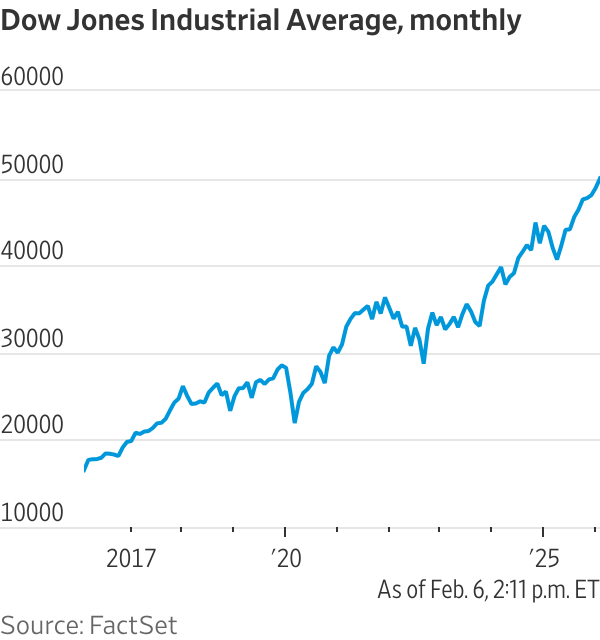
The profitability pivot reduces venture capital availability for fintech lenders, making inventory financing more expensive and harder to access. Traditional inventory financing costs 8-15% APR, but market uncertainty pushes rates toward the higher end. Sellers should explore supply chain financing alternatives: invoice factoring (2-4% discount), purchase order financing (1-3% monthly), and trade credit insurance that may offer better terms than traditional inventory loans. The Dow's record high (50,000+) and S&P 500's 2% single-day gain suggest selective investor interest in profitable companies, meaning lenders will favor sellers with strong margins and consistent profitability. Improve your financial metrics now to qualify for better rates before capital becomes scarcer.