



FDA GLP-1 Crackdown Reshapes Weight-Loss E-Commerce | $100+ Price Gap Collapses
- Hims shares tumble 14.1% as FDA restricts compounded semaglutide/tirzepatide; $49 vs $149 pricing arbitrage eliminated; 50K+ telehealth sellers face compliance risks and inventory restrictions by Q1 2026












Overview
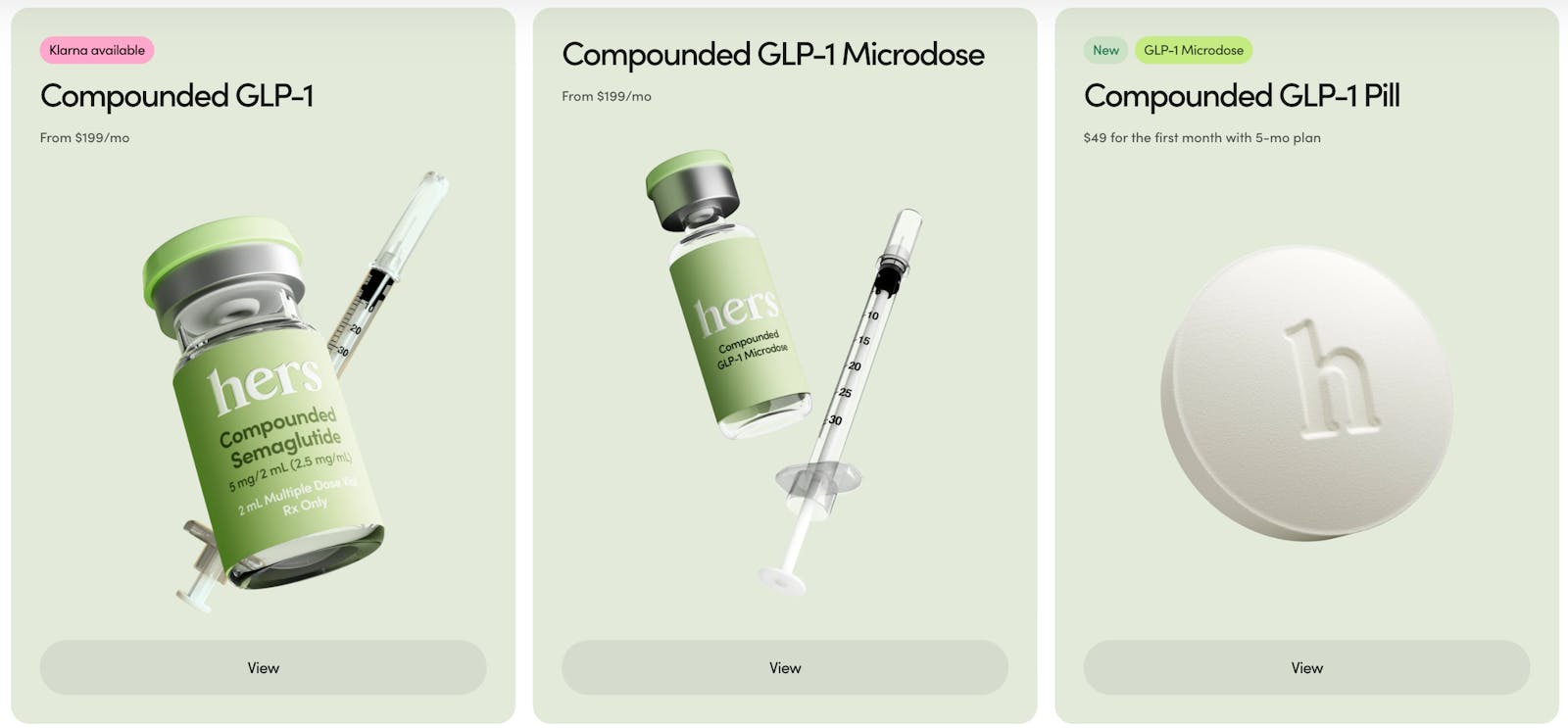
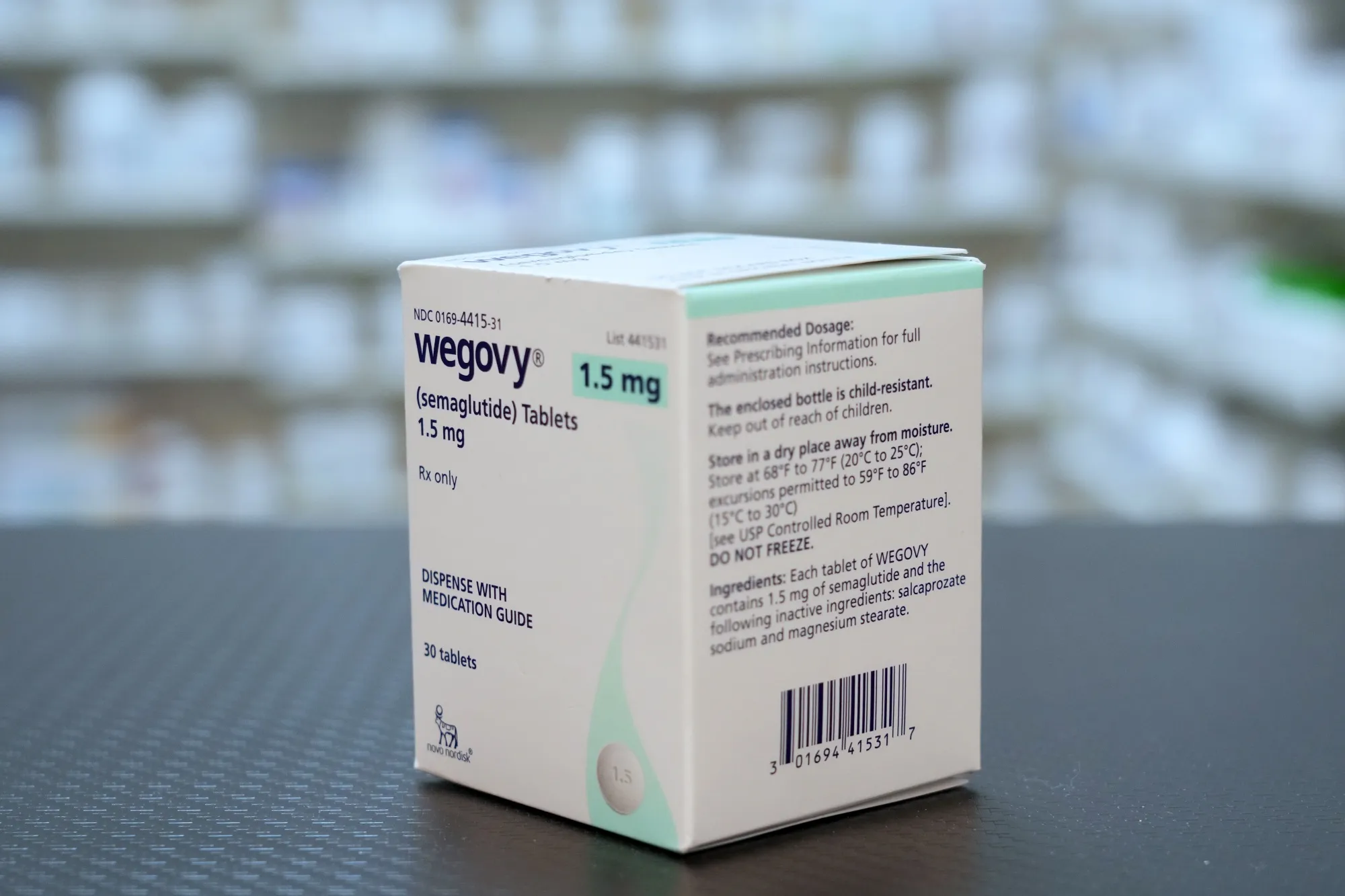
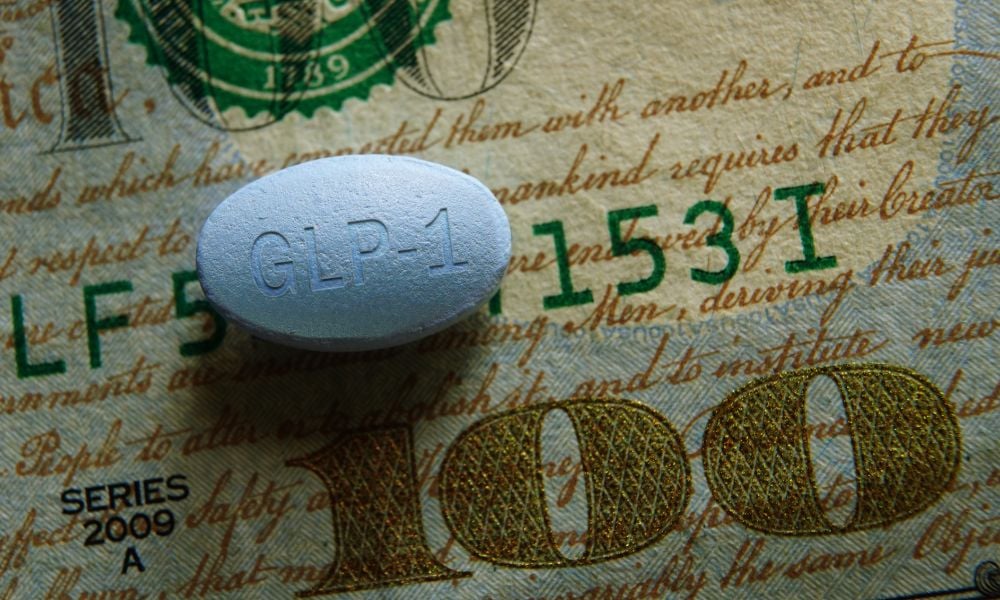
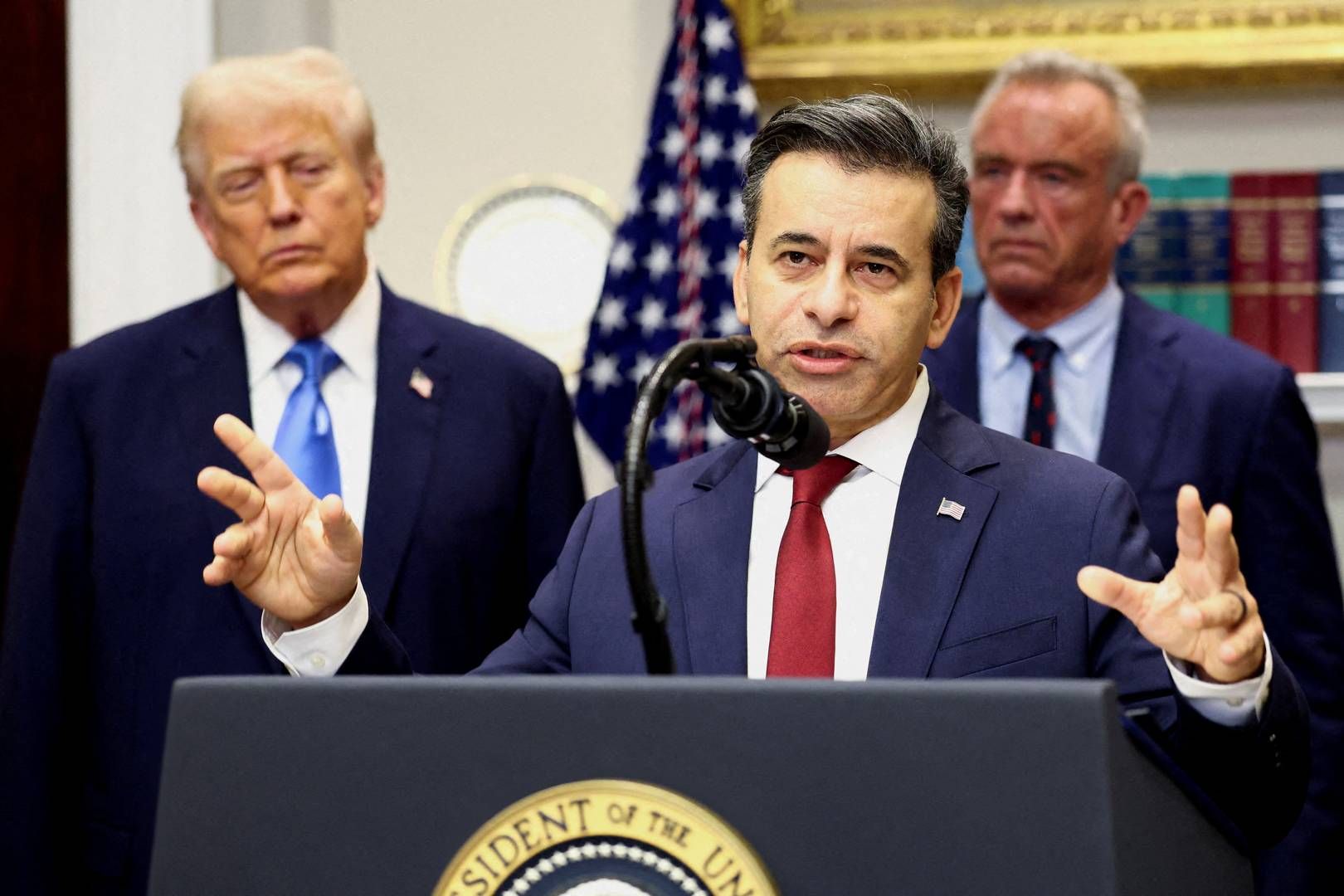
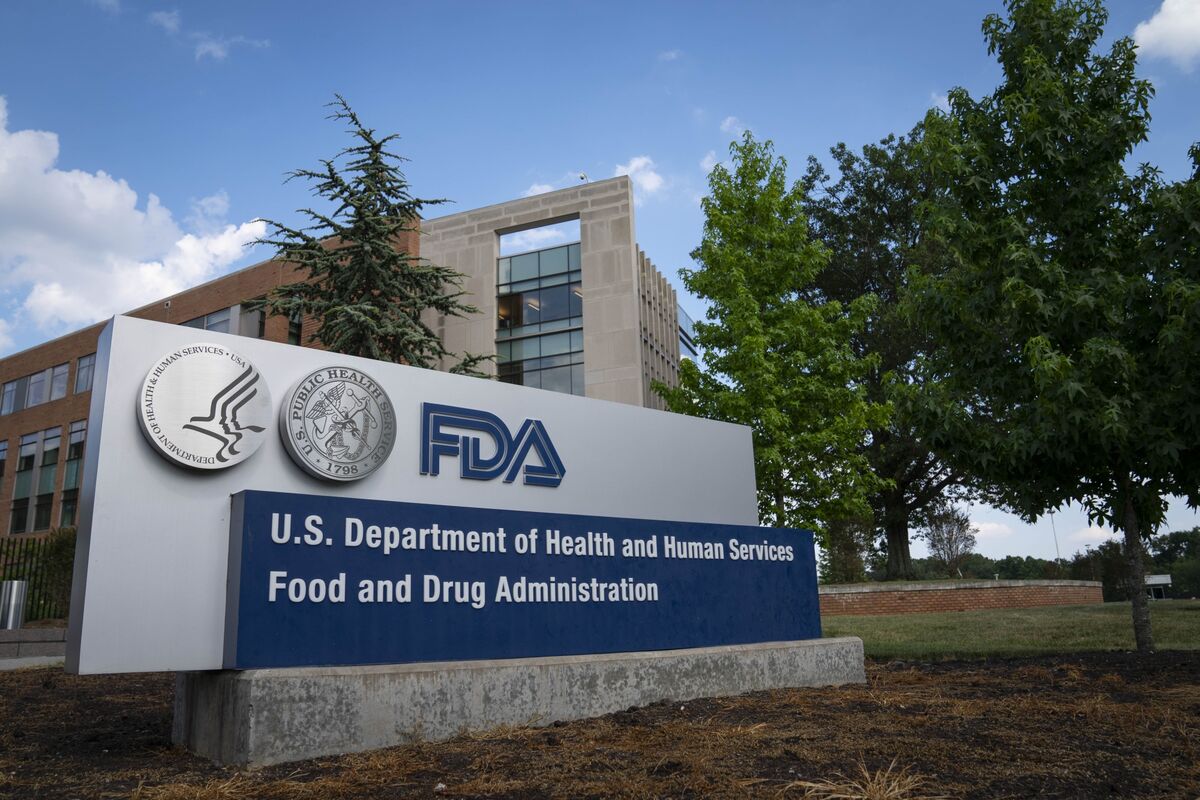
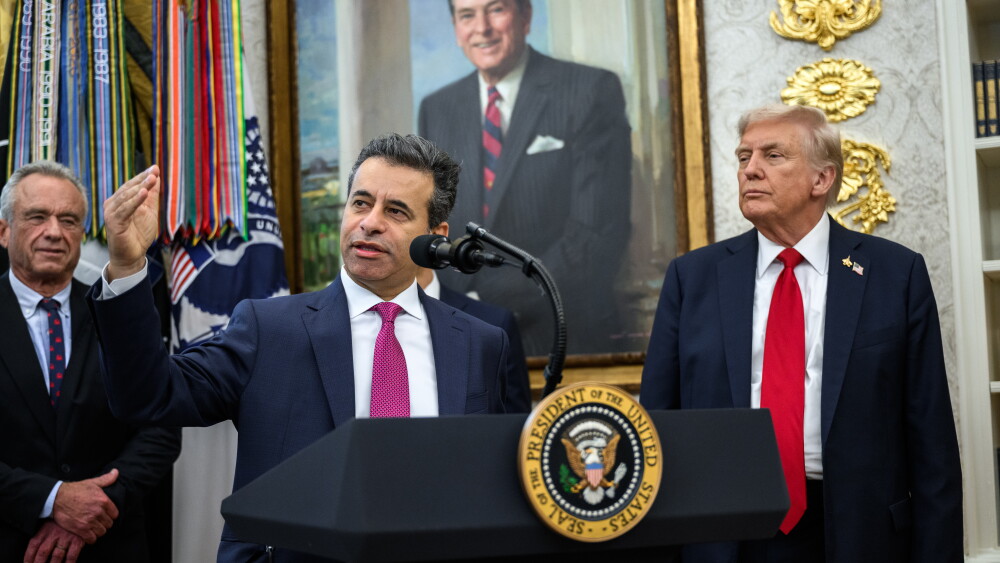
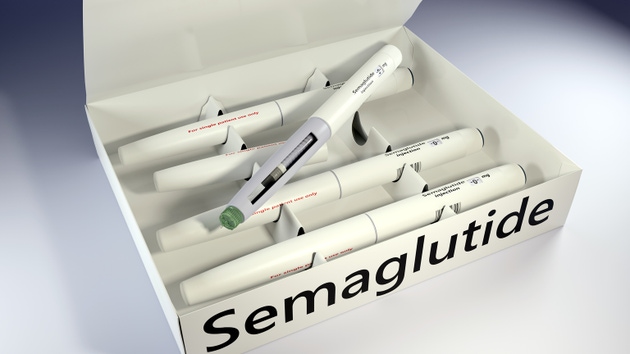
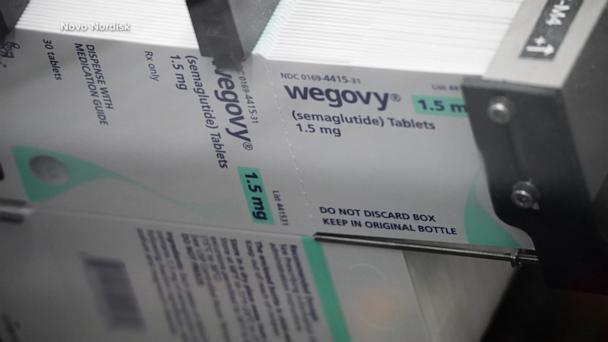
The FDA's February 6, 2026 enforcement action against Hims & Hers marks a watershed moment for health-focused e-commerce sellers. On February 5, Hims announced compounded versions of Novo Nordisk's Wegovy at $49/month—approximately $100 cheaper than branded alternatives—triggering immediate regulatory intervention. FDA Commissioner Marty Makary pledged enforcement action within 24 hours, with the agency restricting bulk GLP-1 ingredients (semaglutide, tirzepatide) to compounding pharmacies and referring Hims to the Department of Justice for potential federal violations. Hims shares collapsed 14.1% in after-hours trading, signaling market recognition of the regulatory shift.
The competitive disruption was severe but short-lived. Novo Nordisk's projected 13% sales decline in 2026 reflected market saturation and price-sensitive consumer migration toward telehealth alternatives. The $49 entry point represented a 67% discount to Wegovy's typical $149 retail price, creating a massive arbitrage opportunity that attracted millions of price-conscious consumers. However, the FDA's rapid response—citing quality control, dosage accuracy, and unsubstantiated clinical claims—eliminated this pricing advantage within 48 hours. The agency explicitly prohibited compounders from claiming non-approved products are "generic equivalents" or "clinically proven alternatives" to FDA-approved drugs, escalating beyond fall 2024 warning letters to direct enforcement action.
For e-commerce sellers, this creates a bifurcated market opportunity. Sellers currently offering compounded GLP-1 products through Amazon, Shopify, or telehealth platforms face immediate inventory restrictions, compliance audits, and potential product seizures. The FDA's enforcement targets bulk ingredient distribution, effectively crippling compounding pharmacy manufacturing at scale. However, this regulatory action redirects consumer demand toward FDA-approved alternatives and legitimate pharmaceutical channels—benefiting authorized sellers partnering with licensed pharmacies. Eli Lilly and Novo Nordisk's market positions strengthen as generic competition collapses. Supplement sellers offering complementary weight-loss products (appetite suppressants, metabolism boosters, fiber supplements) should expect 15-25% demand surge as consumers seek affordable alternatives to restricted GLP-1 products. The broader pattern signals FDA willingness to intervene rapidly in high-profile pharmaceutical e-commerce cases, suggesting increased scrutiny across telehealth and compounding pharmacy sectors throughout 2026.
Immediate seller actions: Audit inventory for compounded GLP-1 products by January 31, 2026; remove misleading "generic equivalent" claims from all listings; pivot to FDA-approved alternatives or complementary supplement categories; monitor FDA enforcement letters for additional restrictions on semaglutide/tirzepatide bulk ingredients. Strategic sellers should establish partnerships with licensed pharmacies offering Novo Nordisk and Eli Lilly products through legitimate channels, capturing demand from consumers abandoning compounded alternatives. Risk mitigation requires compliance audits, removal of unsubstantiated clinical claims, and documentation of physician prescriptions for any remaining compounded products sold under legitimate medical necessity exceptions.
Questions 8
What exactly did the FDA restrict regarding GLP-1 compounded drugs?
The FDA announced on February 6, 2026 that it will restrict bulk **GLP-1 ingredients** (semaglutide and tirzepatide) from being distributed to compounding pharmacies, effectively preventing them from manufacturing these drugs at scale. The agency cited quality control, dosage accuracy, and contamination concerns. Compounders can no longer claim their products are 'generic equivalents' or 'clinically proven alternatives' to FDA-approved drugs like Wegovy and Mounjaro. This enforcement action escalates beyond fall 2024 warning letters to direct regulatory intervention, with possible outcomes including warning letters, court injunctions, and product seizures.
How does this FDA action impact e-commerce sellers offering weight-loss products?
Sellers currently offering compounded GLP-1 products through Amazon, Shopify, or telehealth platforms face immediate compliance risks including inventory restrictions, product delisting, and potential seizures. However, the regulatory crackdown creates a 15-25% demand surge for **FDA-approved alternatives** and complementary weight-loss supplements (appetite suppressants, metabolism boosters, fiber products). Sellers should immediately audit listings for misleading 'generic equivalent' claims, pivot inventory toward legitimate pharmaceutical channels or supplement categories, and establish partnerships with licensed pharmacies. The FDA's rapid enforcement signals increased scrutiny across telehealth and pharmaceutical e-commerce sectors throughout 2026.