



Labor Market Collapse Signals Logistics Crisis | E-Commerce Sellers Face UPS/AWS Disruptions
- 108,435 January layoffs (205% MoM surge) threaten fulfillment reliability; Amazon/UPS cuts create service gaps for cross-border sellers








Overview
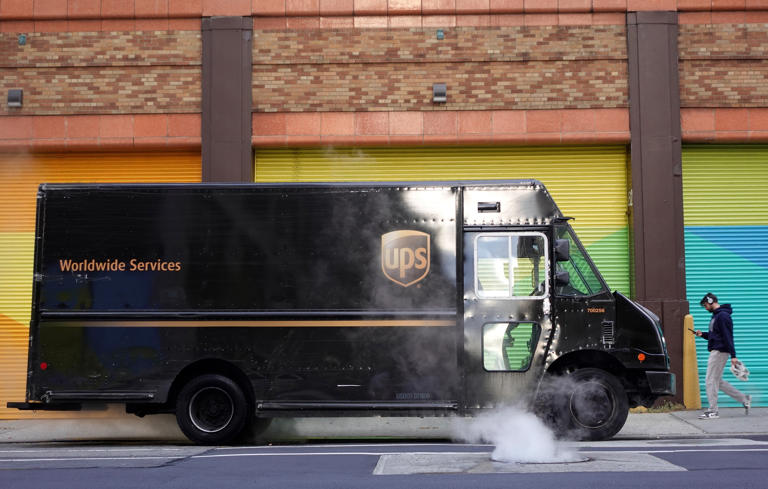
The U.S. labor market has entered a critical contraction phase with 108,435 planned layoffs in January 2026—the highest level since January 2009's financial crisis—representing a 205% month-over-month increase and 118% year-over-year surge. UPS announced 31,243 layoffs (largest single contributor) while Amazon cut 22,291+ positions in technology, directly threatening the operational backbone of cross-border e-commerce. This represents a fundamental shift in employer confidence, with Andy Challenger from Challenger, Gray & Christmas noting these decisions were "set at the end of 2025, signaling employers are less-than-optimistic about the outlook for 2026."
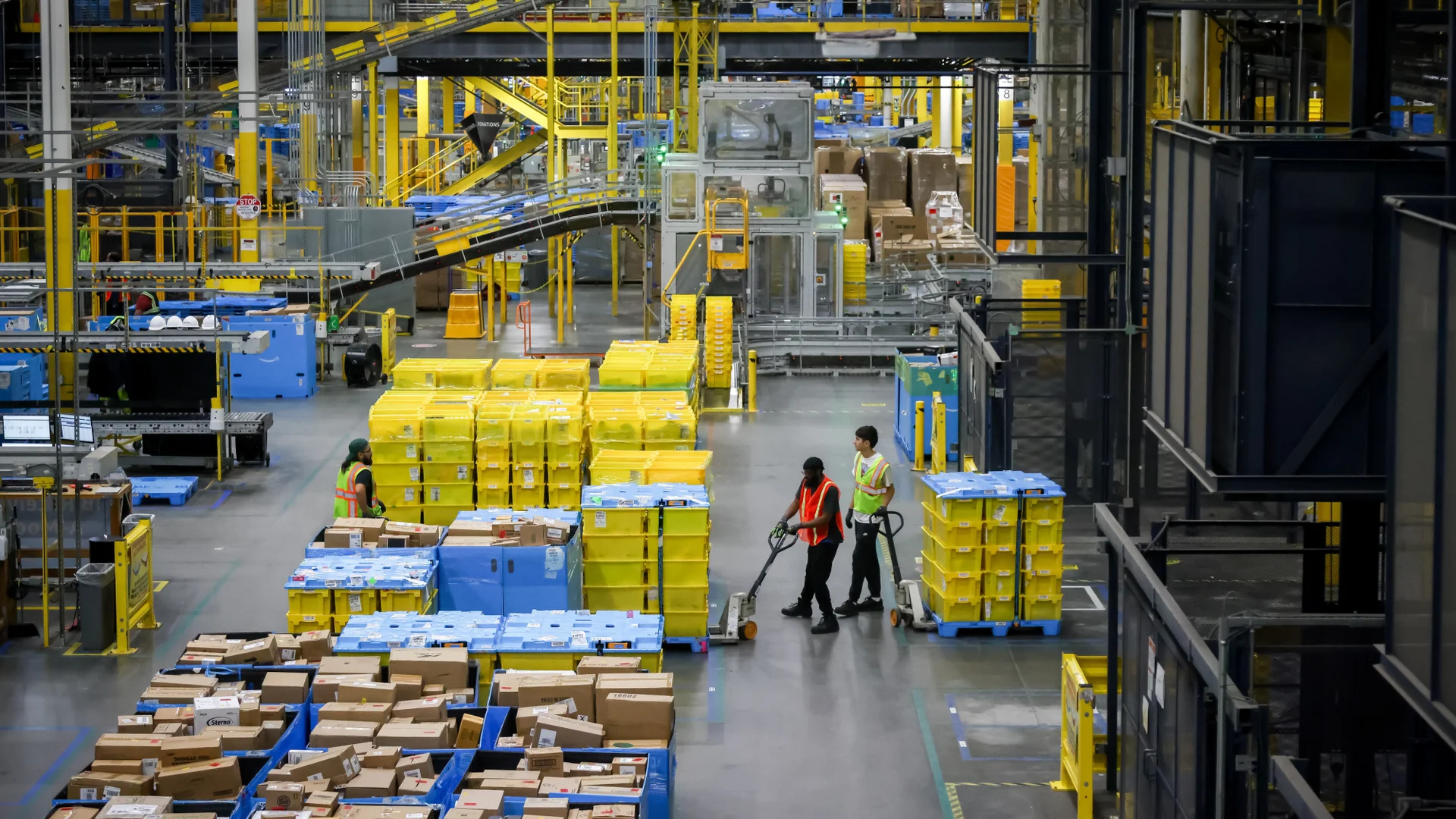
For e-commerce sellers, this creates a three-tier operational crisis: First, UPS service degradation poses immediate fulfillment risks. With 31,243 layoffs, UPS faces capacity constraints, longer processing times, and potential service quality deterioration across domestic and international shipping. Sellers relying on UPS for last-mile delivery to North America, Europe, and Asia-Pacific regions should expect 5-10 day delays and potential rate increases of 8-15% as the carrier optimizes remaining workforce. Second, Amazon Web Services (AWS) infrastructure instability threatens sellers using AWS for inventory management, order processing, and analytics. Amazon's technology layoffs could slow platform updates, reduce customer support responsiveness, and create security vulnerabilities—critical concerns for sellers managing multi-channel operations. Third, consumer spending contraction looms as labor market deterioration signals recession. The private data from Challenger, Gray & Christmas serves as an early warning signal ahead of official BLS reports, indicating demand destruction across discretionary categories (fashion, electronics, home goods) by Q2 2026.
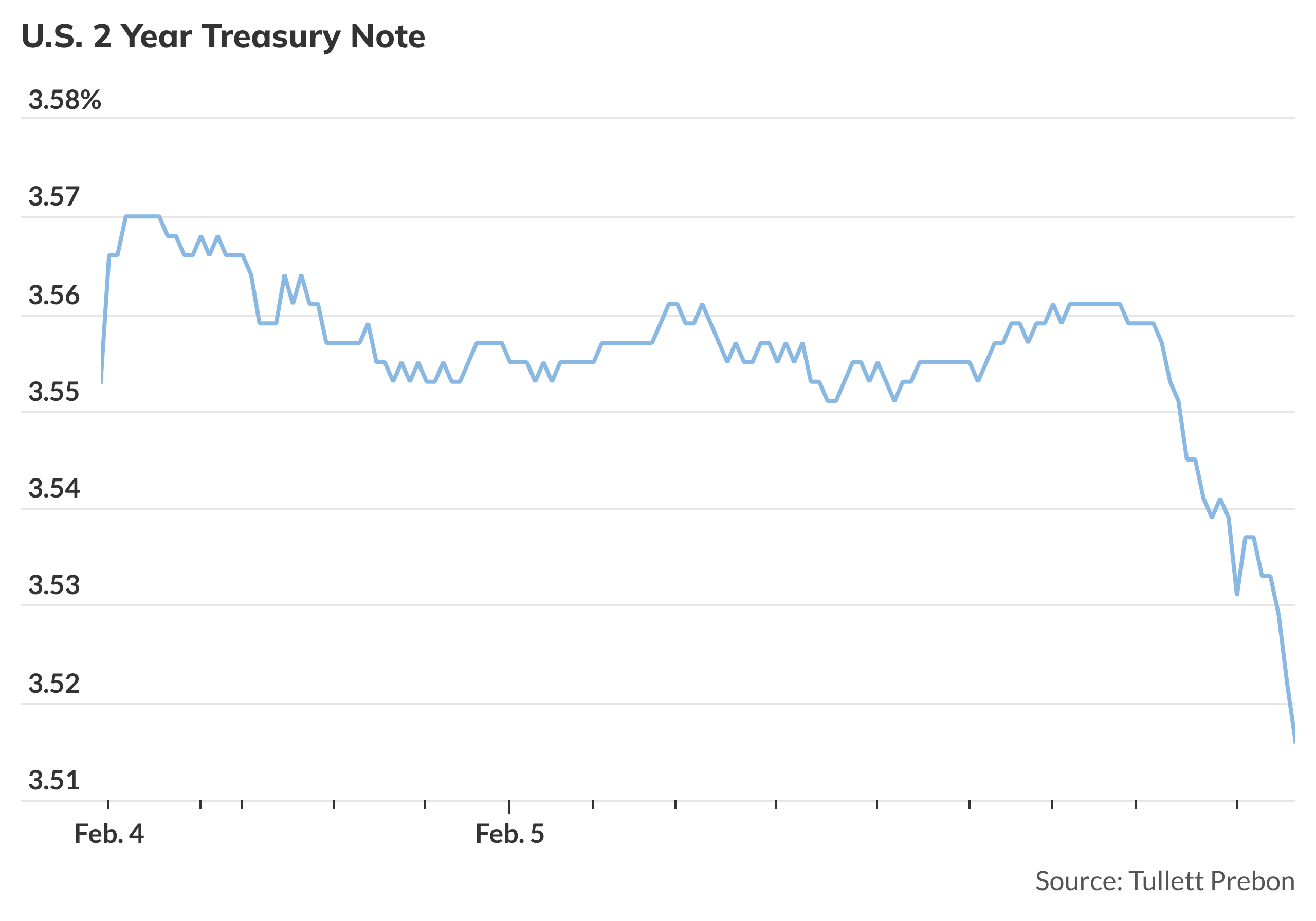
Monetary policy divergence compounds these risks. JPMorgan projects rates unchanged throughout 2026, while other analysts forecast 50-100 basis point cuts before November midterms. This uncertainty creates currency volatility affecting cross-border transaction costs—sellers shipping from China to US/EU face 3-8% FX headwinds if dollar strengthens. Simultaneously, real inflation (Truflation showing sub-1%) versus official CPI (2%+) suggests aggressive Fed cuts are likely, potentially weakening the dollar and increasing import costs for sellers sourcing from Asia. The convergence of logistics disruption, platform instability, and demand contraction creates a perfect storm for Q1-Q2 2026 e-commerce operations.
Questions 8
Which e-commerce platforms offer the best alternatives to Amazon FBA during this disruption?
Shopify with third-party 3PL integrations (ShipBob, Flexport, Fulfillment.com) provides carrier flexibility and reduces AWS dependency. eBay's managed delivery program partners with multiple carriers, reducing single-carrier risk. Walmart Marketplace offers integrated logistics through their network, less exposed to UPS disruptions. TikTok Shop's emerging logistics partnerships with regional carriers provide geographic diversification. Evaluate 2-3 platform combinations to distribute fulfillment risk and reduce reliance on Amazon's infrastructure.
How can I protect my business from AWS service degradation?
Implement multi-cloud architecture: migrate critical inventory and order data to Google Cloud or Azure as backup systems. Use API-based integrations that allow rapid carrier/platform switching without system rebuilds. Establish manual backup processes for order fulfillment in case AWS experiences outages. Test disaster recovery procedures monthly. Consider managed service providers (Shopify Plus, BigCommerce Enterprise) that maintain independent infrastructure separate from AWS dependency.