
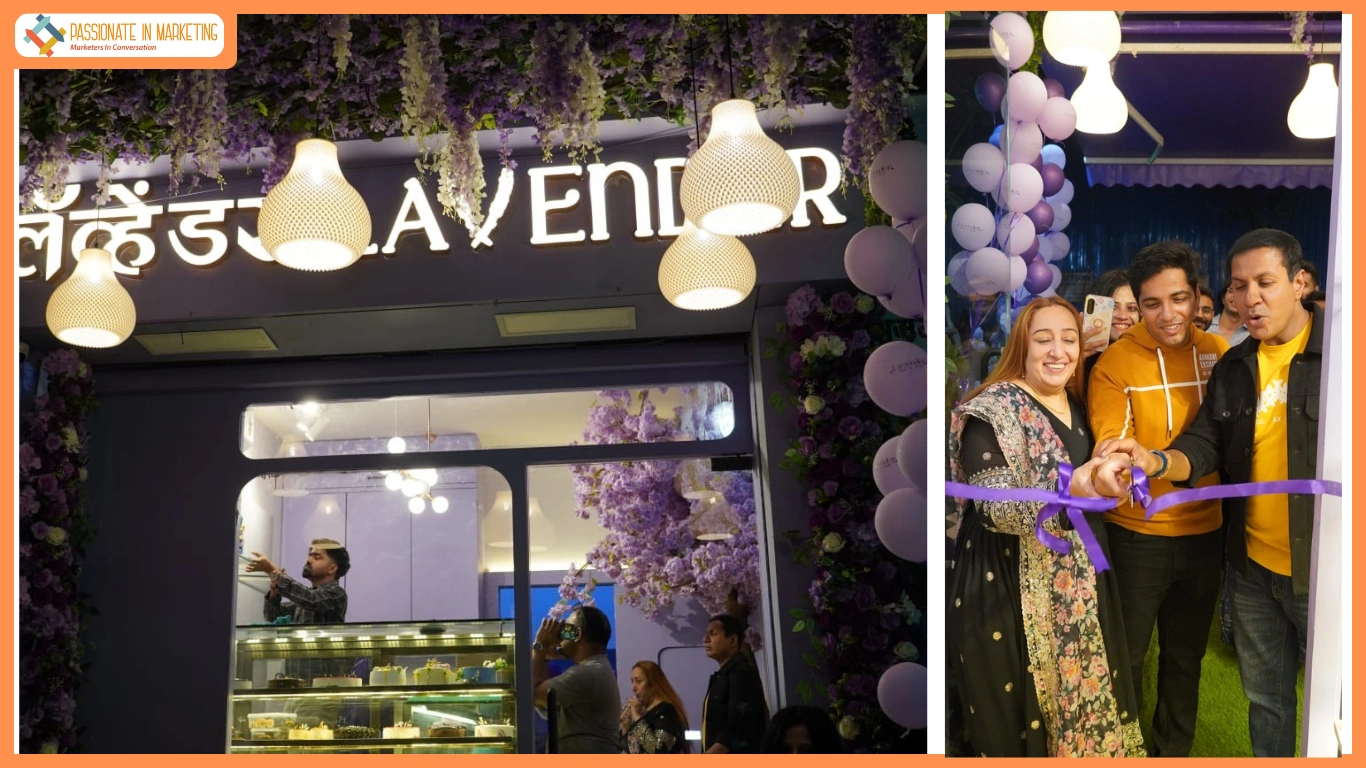
Niche Branding Unlocks Suburban Market Potential
- Strategic location and unique positioning drive growth for local businesses
Overview
In the evolving landscape of local marketing, Lavender Bakery's strategic expansion reveals critical insights into successful brand development and market penetration. The brand's growth from a single location to three outlets demonstrates the powerful potential of targeted marketing strategies that combine aesthetic differentiation with strategic positioning.
Suburban market expansion emerges as a key opportunity for innovative businesses. Lavender Bakery's approach highlights how niche positioning can create competitive advantage in saturated markets. By developing a distinctive lavender-themed concept and carefully selecting locations, the brand has transformed a simple café into a destination experience. This strategy goes beyond traditional marketing, creating a brand ecosystem that resonates with urban consumers seeking unique dining experiences.
The marketing implications are profound. Strategic location selection proves crucial, with the brand deliberately choosing suburban areas that offer both accessibility and growth potential. The 2,000 sq. ft. outlet in Vile Parle East represents more than just physical expansion—it's a carefully calculated market entry that considers local demographics, foot traffic, and community preferences.
Moreover, the timing of the launch during the festive season demonstrates sophisticated seasonal marketing tactics. By positioning themselves as a potential destination for holiday gatherings, Lavender Bakery transforms a simple café opening into a community event. This approach illustrates how modern marketing transcends traditional advertising, creating emotional connections and experiential value.
For local entrepreneurs, the key takeaway is clear: differentiation matters more than scale. By focusing on a unique aesthetic, curated menu, and consistent brand experience, businesses can carve out significant market share even in competitive industries. The success of Lavender Bakery signals a broader trend where targeted, experience-driven marketing can overcome traditional barriers to entry.
Questions 3
What role does location play in marketing strategy?
Location is critical for market penetration and brand visibility. The Lavender Bakery example shows how strategic suburban location selection can provide access to specific demographic segments, create community engagement, and support business expansion by understanding local market dynamics.
How important is seasonal timing in marketing?
Seasonal timing can significantly enhance marketing effectiveness. By launching during the festive season, businesses can leverage increased consumer spending, create timely relevance, and position themselves as destination experiences that align with current consumer moods and social patterns.