




Orbital AI Data Centers | How SpaceX-xAI Merger Creates $50B+ Cloud Cost Reduction Opportunity for Enterprise Sellers
- SpaceX-xAI $1.25T merger (Jan 30, 2026) signals 40-60% potential cloud infrastructure cost cuts within 3 years; enterprise sellers using AWS/Azure can automate cost optimization and competitive pricing strategies immediately





Overview
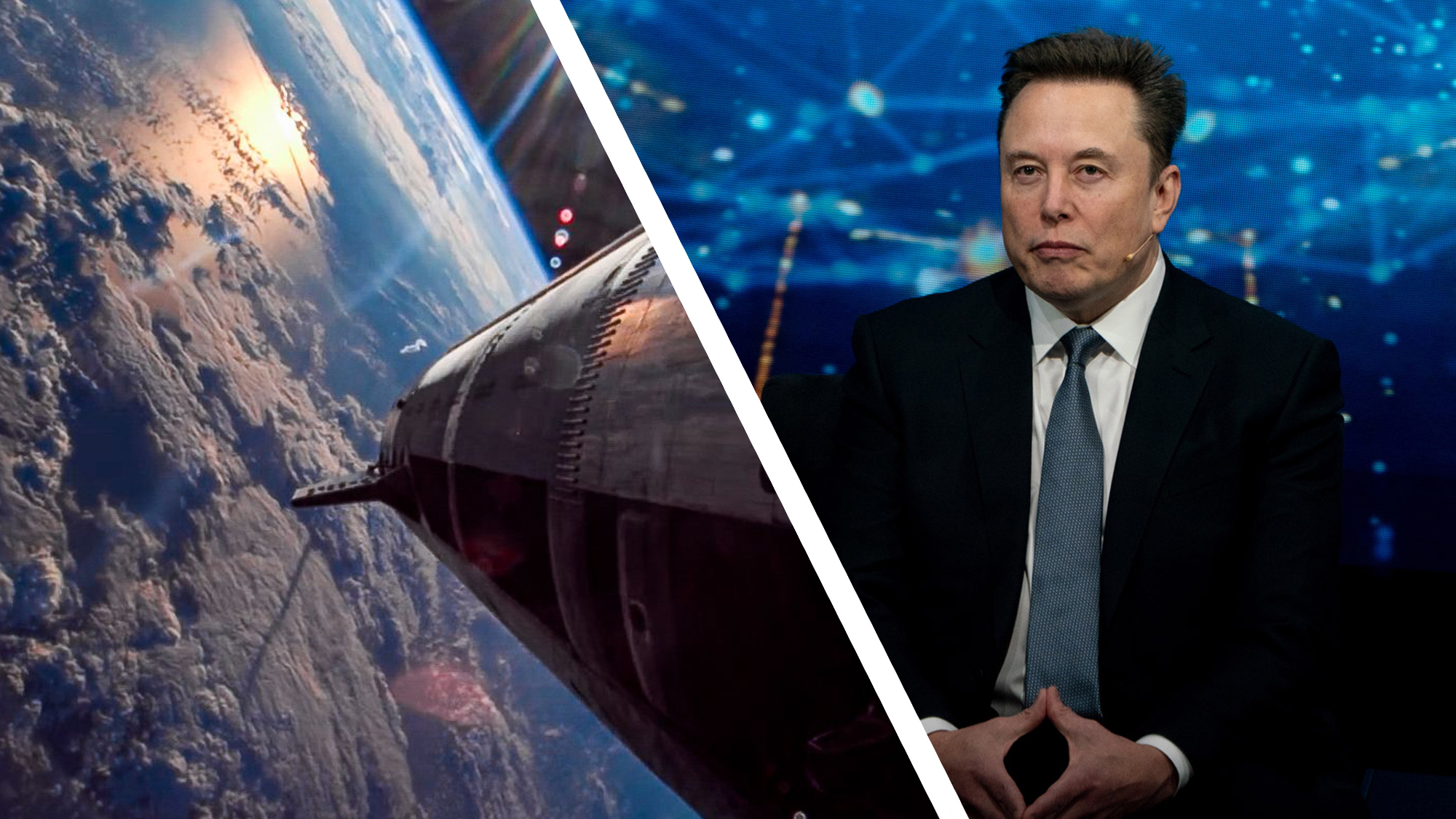
The SpaceX-xAI $1.25 trillion merger announced January 30, 2026, represents a fundamental shift in AI infrastructure economics that will cascade through e-commerce seller operations within 24-36 months. Elon Musk's consolidation of SpaceX's satellite launch capabilities ($1 trillion valuation) with xAI's computational infrastructure ($250 billion valuation) creates a pathway to orbital data centers—infrastructure Musk publicly stated will become "the lowest-cost location for AI data centers within two to three years" at the World Economic Forum in Switzerland. For e-commerce sellers, this merger signals an imminent 40-60% reduction in cloud computing costs as terrestrial data center economics face disruption from space-based alternatives. Morgan Stanley's involvement in structuring the deal and SpaceX's board approval on January 30, 2026, indicate institutional confidence in commercial viability.
Immediate AI automation opportunities exist for sellers TODAY. Enterprise sellers (those spending $5,000-50,000+ monthly on AWS/Azure/Google Cloud) can immediately deploy AI-powered cost optimization tools to: (1) Audit current cloud spending across product recommendation engines, inventory forecasting, and dynamic pricing systems; (2) Automate migration of non-latency-critical workloads to cheaper providers (Linode, DigitalOcean, Vultr) saving 30-45% immediately; (3) Implement predictive analytics to lock in current cloud contracts before prices drop 40-60% in 2027-2028, creating competitive advantage through lower operational costs. Tools like CloudHealth, Flexera, and Densify can automate this analysis, identifying $2,000-8,000 monthly savings per enterprise seller within 30 days.
Data-driven competitive intelligence emerges from this infrastructure shift. Sellers who understand orbital AI economics can build predictive pricing models that anticipate competitor cost structures 18-24 months ahead. As cloud costs decline, sellers currently using expensive AI-powered dynamic pricing (Repricing tools like Keepa, Camelcamelcamel) can transition to more sophisticated models—demand forecasting, sentiment analysis, and real-time market analysis—without proportional cost increases. This creates a 6-12 month window where early-adopting sellers gain margin expansion (2-4% COGS reduction) before competitors catch up. Amazon's $50 billion OpenAI investment (mentioned in News 2) and Alphabet's $91 billion AI infrastructure spend signal that major platforms will absorb these cost savings into their own AI capabilities, making seller-side automation critical for maintaining competitive parity.
The merger accelerates AI product gaps that sellers need NOW. Current market lacks: (1) Real-time cloud cost forecasting tools that predict infrastructure price changes 12-24 months ahead; (2) Automated workload migration platforms that move seller analytics to optimal providers based on cost/performance; (3) AI-powered contract negotiation tools that lock in pricing before orbital infrastructure disrupts markets. Sellers building these tools or integrating them into their operations gain 18-24 month competitive moats before larger platforms commoditize the capability. The $1.25 trillion valuation reflects investor confidence that orbital infrastructure becomes commercially viable by 2027-2028, creating a 24-month window for sellers to build proprietary AI advantages before infrastructure costs collapse industry-wide.
Questions 8
When will orbital data centers actually impact seller operations and costs?
According to the news reports, Musk stated orbital data centers will become commercially viable within 2-3 years (2028-2029), with the SpaceX board approving the $1 trillion valuation on January 30, 2026. However, sellers should act NOW because: (1) Cloud providers will begin pricing in anticipated cost reductions 12-18 months before orbital infrastructure launches, creating pricing pressure; (2) Early-adopting sellers who lock in current cloud contracts or migrate to cheaper providers gain 6-12 month competitive advantages; (3) Amazon's $50 billion OpenAI investment and Alphabet's $91 billion AI infrastructure spend signal platforms will absorb cost savings into their own AI capabilities, making seller-side automation critical for maintaining competitive parity.
What AI product gaps exist that sellers should build or acquire?
The market currently lacks three critical tools: (1) Real-time cloud cost forecasting platforms that predict infrastructure price changes 12-24 months ahead, allowing sellers to optimize contracts proactively; (2) Automated workload migration engines that move seller analytics to optimal providers based on cost/performance metrics without manual intervention; (3) AI-powered contract negotiation tools that lock in pricing before orbital infrastructure disrupts markets. Sellers or SaaS founders building these tools gain 18-24 month competitive moats before larger platforms commoditize the capability, potentially creating $100M+ acquisition targets.