



Trump's 15% Auto Tariffs Trigger Supply Chain Recalibration | E-Commerce Seller Impact
- $9 billion tariff hit forces Toyota cost-cutting; Japanese auto component sellers face 6-12 month margin compression window























Overview
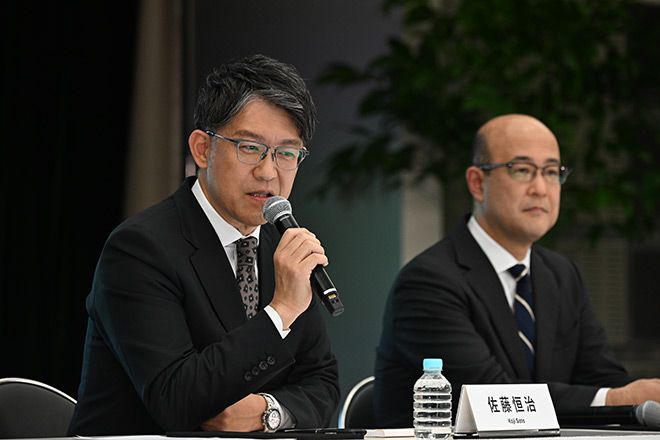
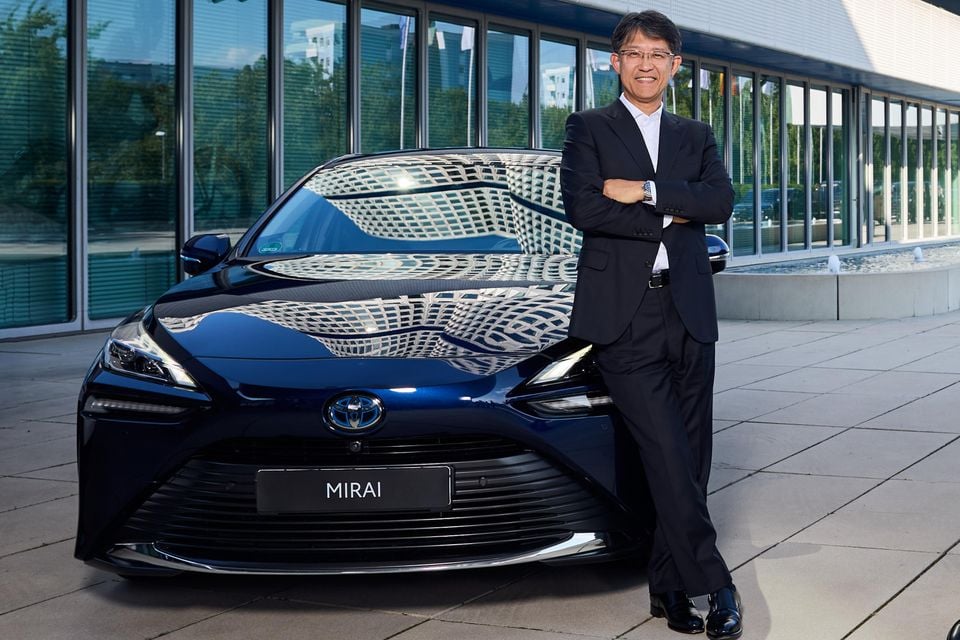
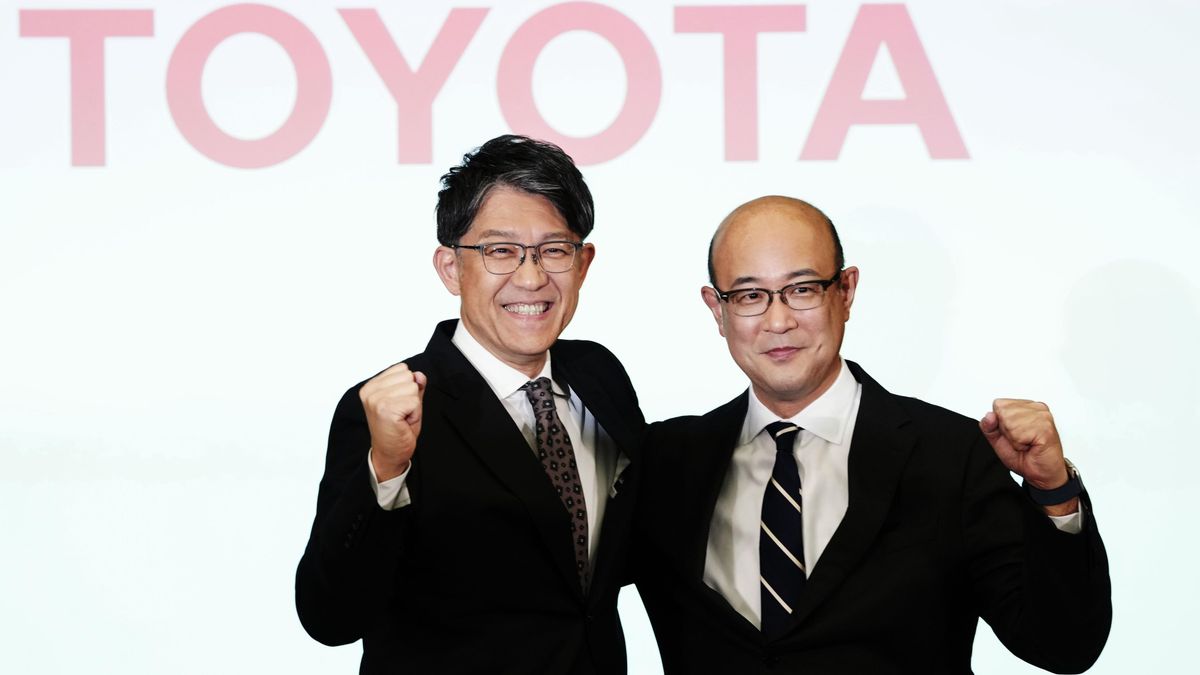
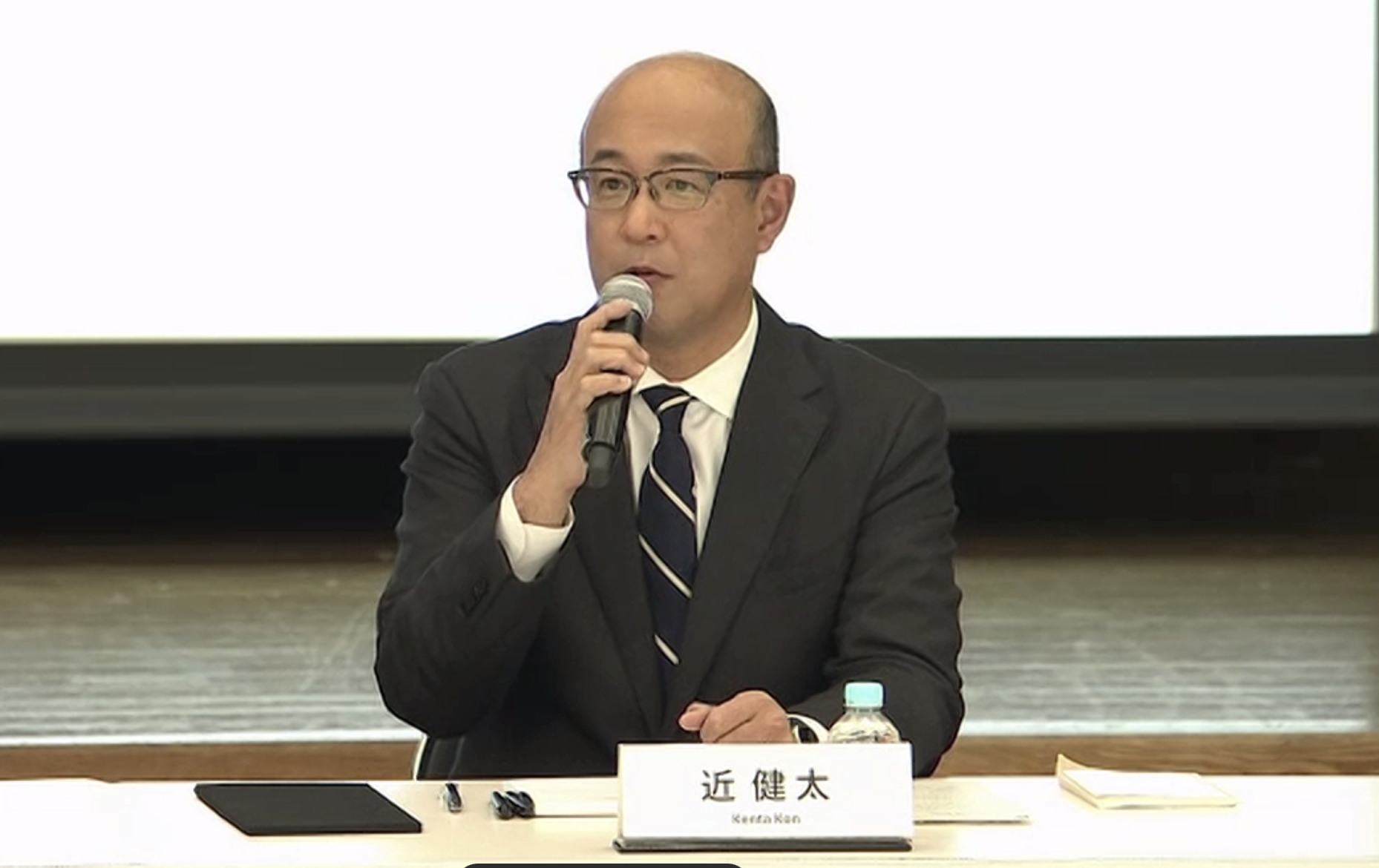
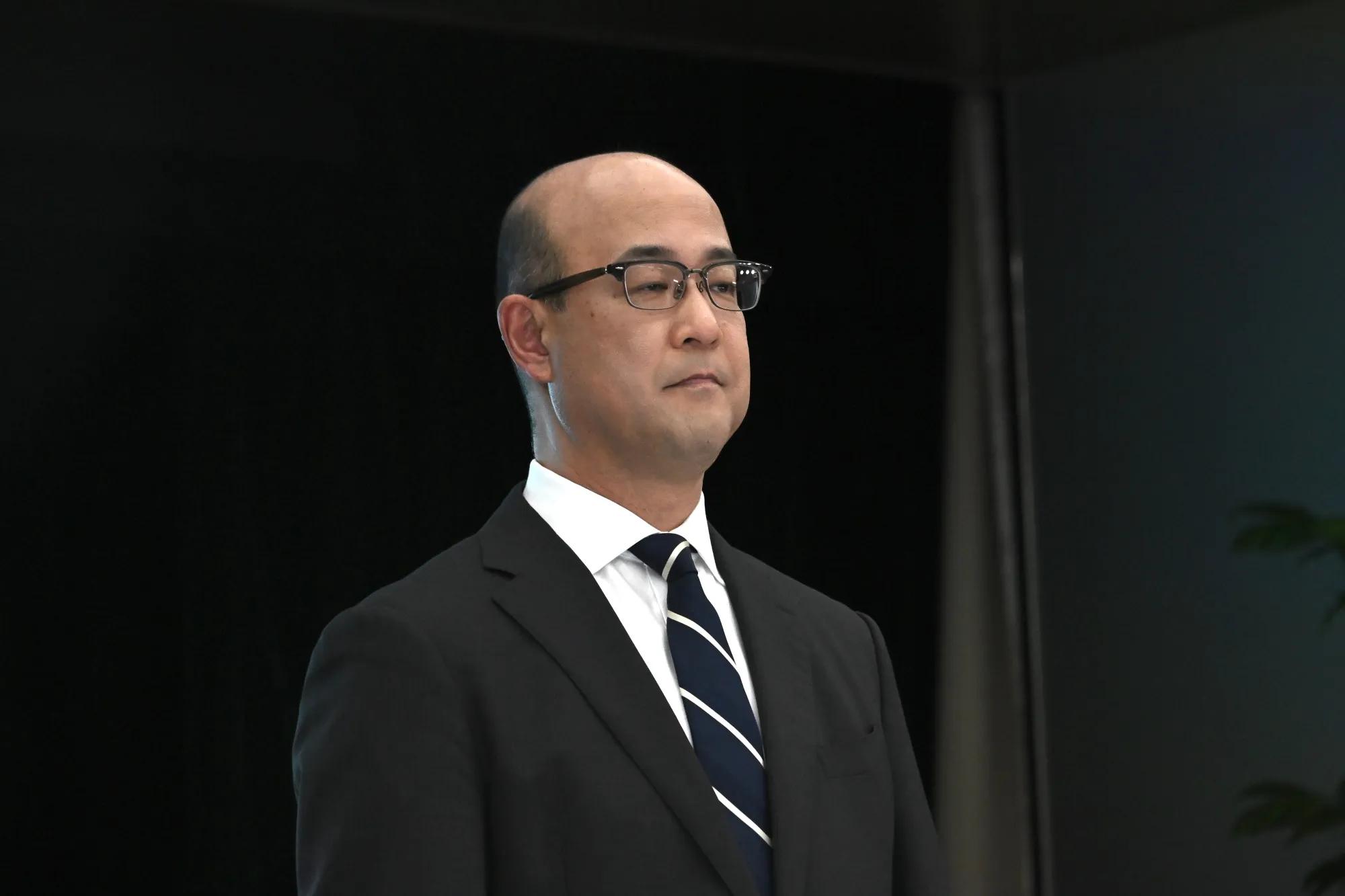
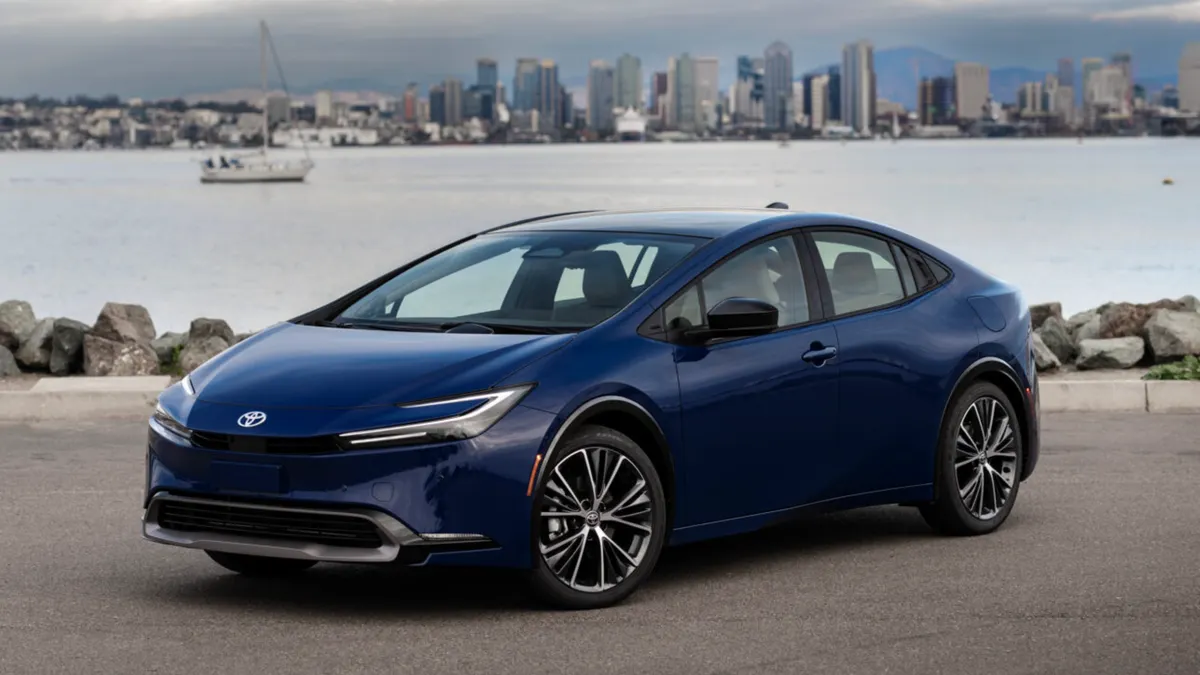
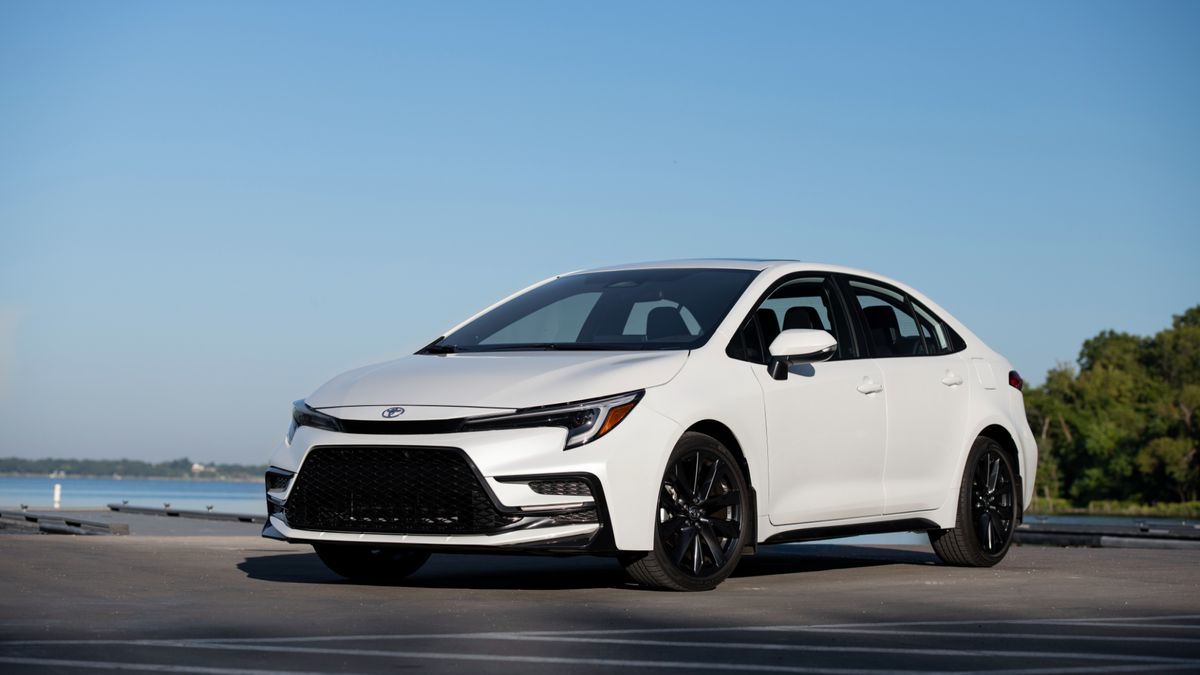
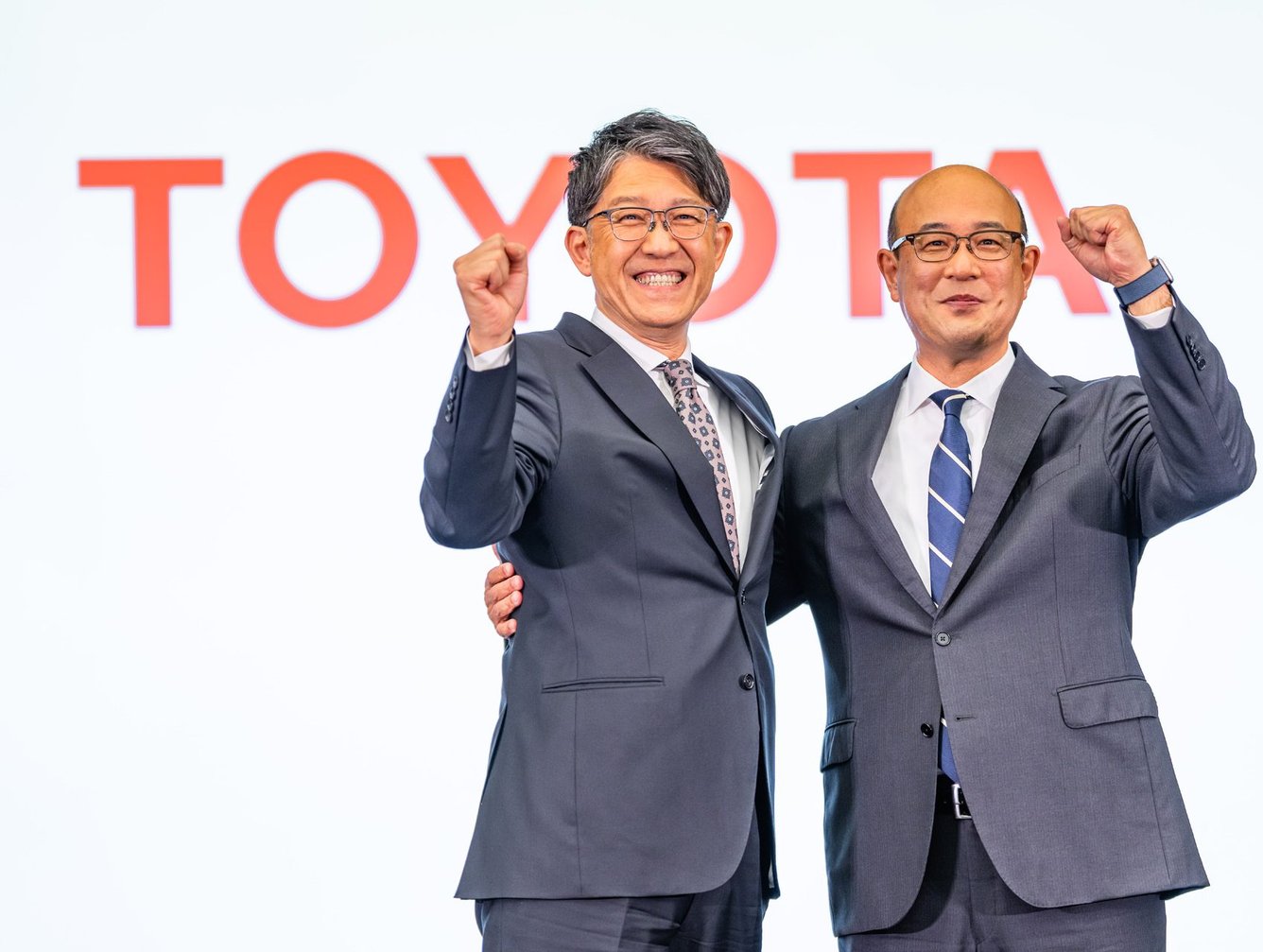
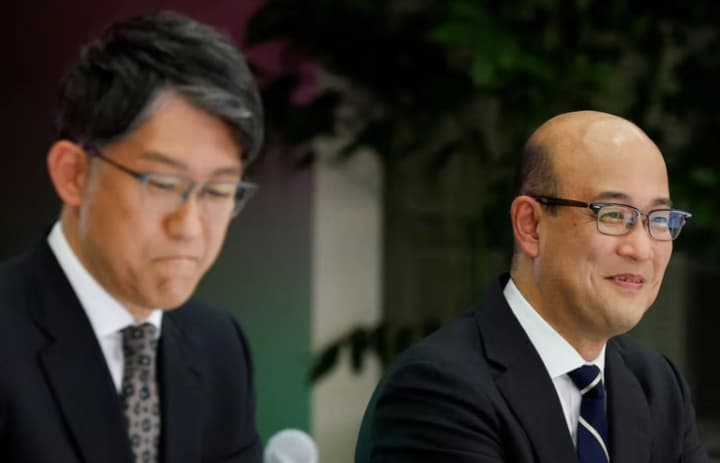
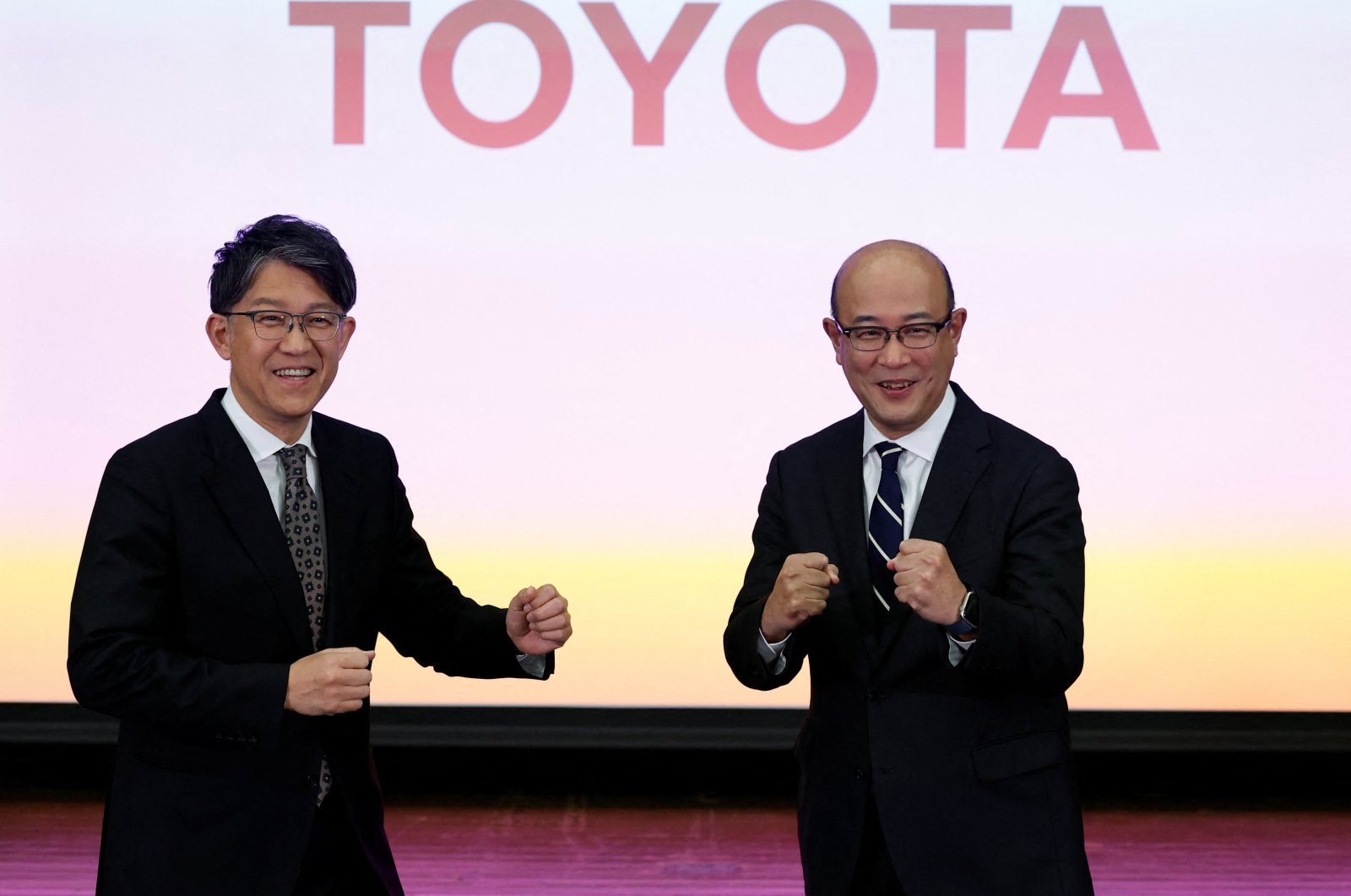
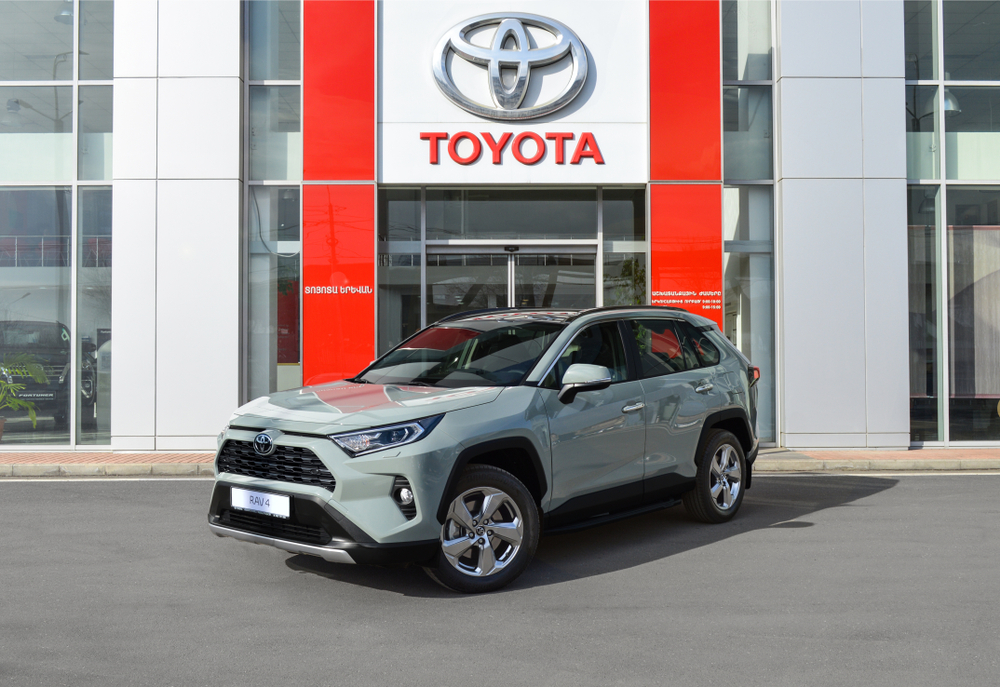
Toyota's February 6, 2026 leadership transition—replacing CEO Koji Sato with CFO Kenta Kon effective April 1, 2026—signals a critical inflection point in global automotive supply chains directly affecting cross-border e-commerce sellers. The $9 billion tariff impact from Trump administration policies, combined with Japan's newly negotiated 15% automotive tariff (down from threatened 27.5% but still 6x historical rates), has forced the world's largest automaker to prioritize cost reduction and margin stabilization over growth initiatives.
For automotive component sellers, this creates a 6-12 month window of acute supply chain vulnerability. Toyota's mandate under new CFO-led management will likely trigger aggressive procurement cost-cutting, component consolidation, and supplier rationalization. E-commerce sellers dependent on Japanese automotive parts imports face three immediate pressures: (1) tariff pass-through costs increasing 8-15% on HS codes 8708 (vehicle parts), 8704 (commercial vehicles), and 8703 (passenger vehicles); (2) supplier payment term compression as OEMs demand faster cash conversion; and (3) inventory destocking as manufacturers reduce safety stock in response to tariff uncertainty.
The competitive landscape is shifting toward alternative sourcing corridors. Canada's announced multi-billion dollar EV incentive package (February 5, 2026) signals a strategic shift away from Japan-U.S. direct trade. Sellers currently sourcing Japanese automotive components should evaluate Vietnam (lower tariff exposure), Mexico (USMCA advantages), and South Korea (emerging EV battery supply) as alternative sourcing countries. BYD's dominance in EV batteries and software—mentioned as Toyota's primary competitive threat—indicates that sellers in traditional automotive aftermarket categories (HS 8708, 8704) face margin compression, while EV-adjacent categories (battery components, software tools, charging infrastructure) represent growth opportunities.
The timing window is critical. With Kon's appointment effective April 1, 2026, Toyota's cost-cutting initiatives will likely accelerate through Q2-Q3 2026. Sellers should expect: (1) component price reductions of 5-8% as suppliers compete for volume; (2) increased demand for logistics optimization services (3PL, fulfillment networks); and (3) opportunities in tariff mitigation products (customs brokerage, trade compliance software). The $9 billion impact demonstrates that tariff arbitrage opportunities exist for sellers who can identify products benefiting from tariff rate differentials across sourcing countries and destination markets.
Questions 8
Which alternative sourcing countries offer tariff advantages over Japan for auto component sellers?
Vietnam, Mexico, and South Korea present strategic sourcing alternatives to Japan given current tariff structures. Vietnam benefits from lower tariff exposure and emerging manufacturing capacity in automotive components. Mexico offers USMCA advantages with 0% tariffs on qualifying automotive products shipped to the U.S., making it optimal for HS 8708 (vehicle parts) and 8704 (commercial vehicles). South Korea is positioning as an EV battery and software component leader, aligning with BYD's competitive threat to traditional automakers. Sellers should conduct tariff rate analysis by HS code for each sourcing country using USITC's interactive tariff schedule to identify 3-5% tariff savings opportunities through sourcing diversification by Q2 2026.
What product categories benefit from the shift toward EV components amid Toyota's tariff pressures?
EV-adjacent categories represent growth opportunities as traditional automotive suppliers face margin compression. Battery components, charging infrastructure, EV software tools, and electric motor parts are experiencing accelerated demand as BYD's EV dominance forces legacy automakers like Toyota to accelerate electrification. Sellers should prioritize categories including: lithium-ion battery packs (HS 8507), electric motors (HS 8501), charging cables (HS 8544), and EV management software. These categories typically see 15-25% annual growth during tariff-driven supply chain transitions, with lower competitive saturation than traditional aftermarket parts. The timing window through 2026 offers first-mover advantages before larger competitors establish EV component supply chains.