



Yield Curve Steepening Hits 4-Year High | Critical Financing Impact for Cross-Border Sellers
- 73.7 basis point spread signals 15-25% increase in long-term borrowing costs for warehouse, equipment, and expansion financing through 2026














Overview
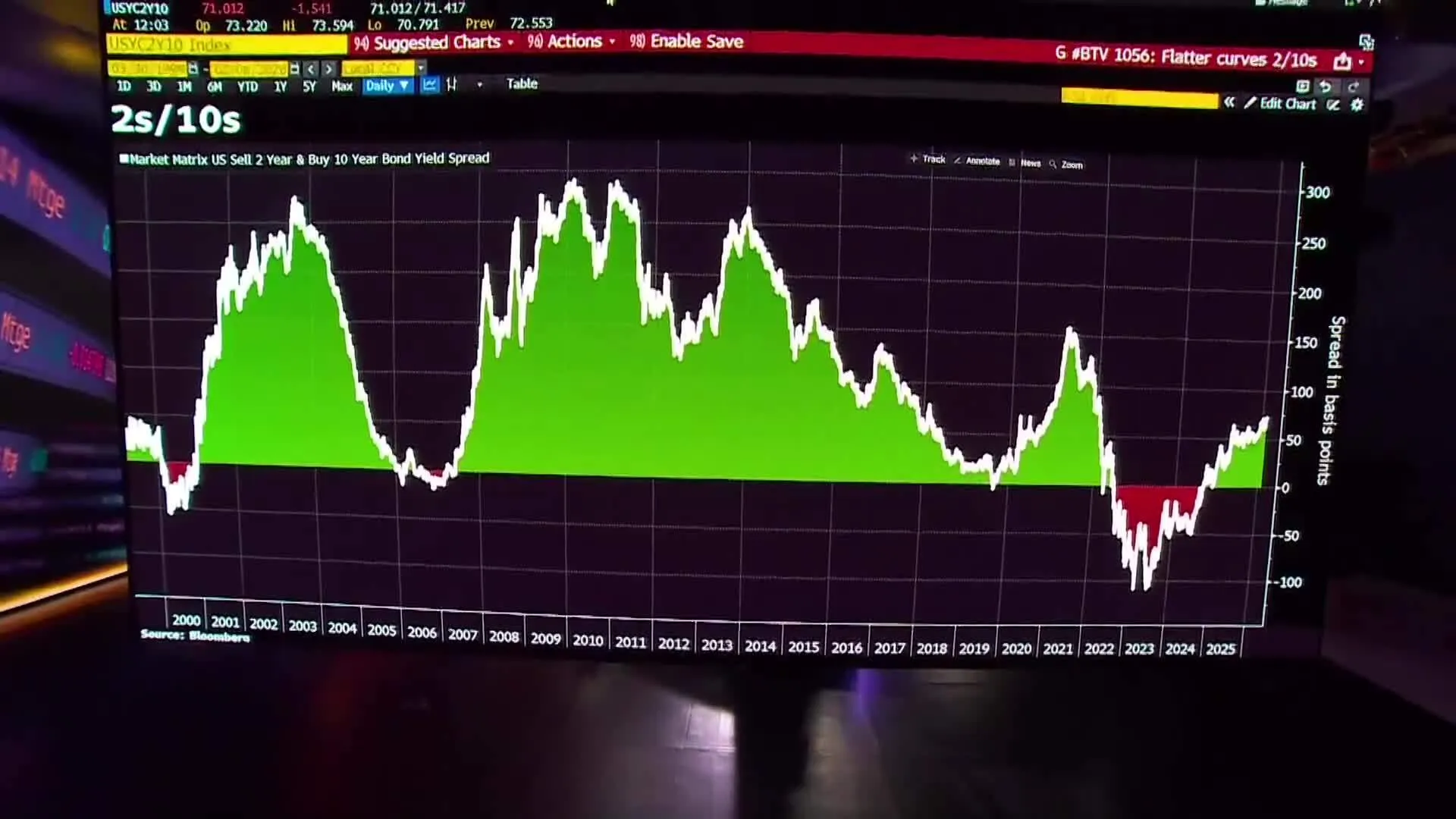
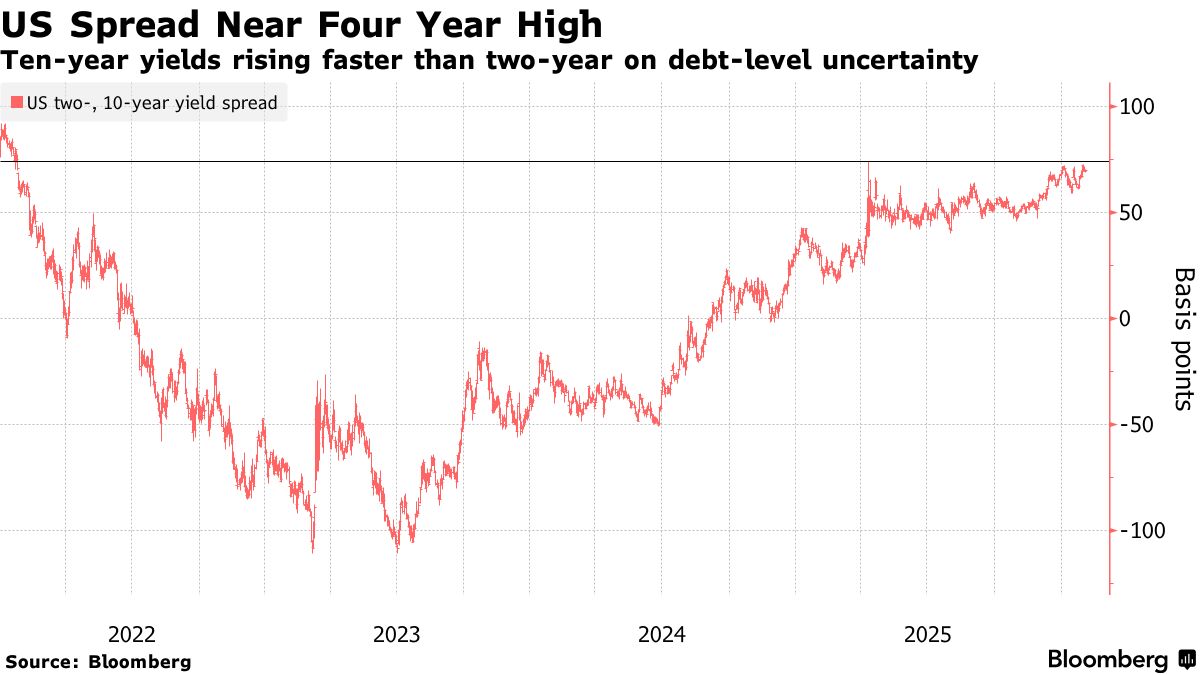
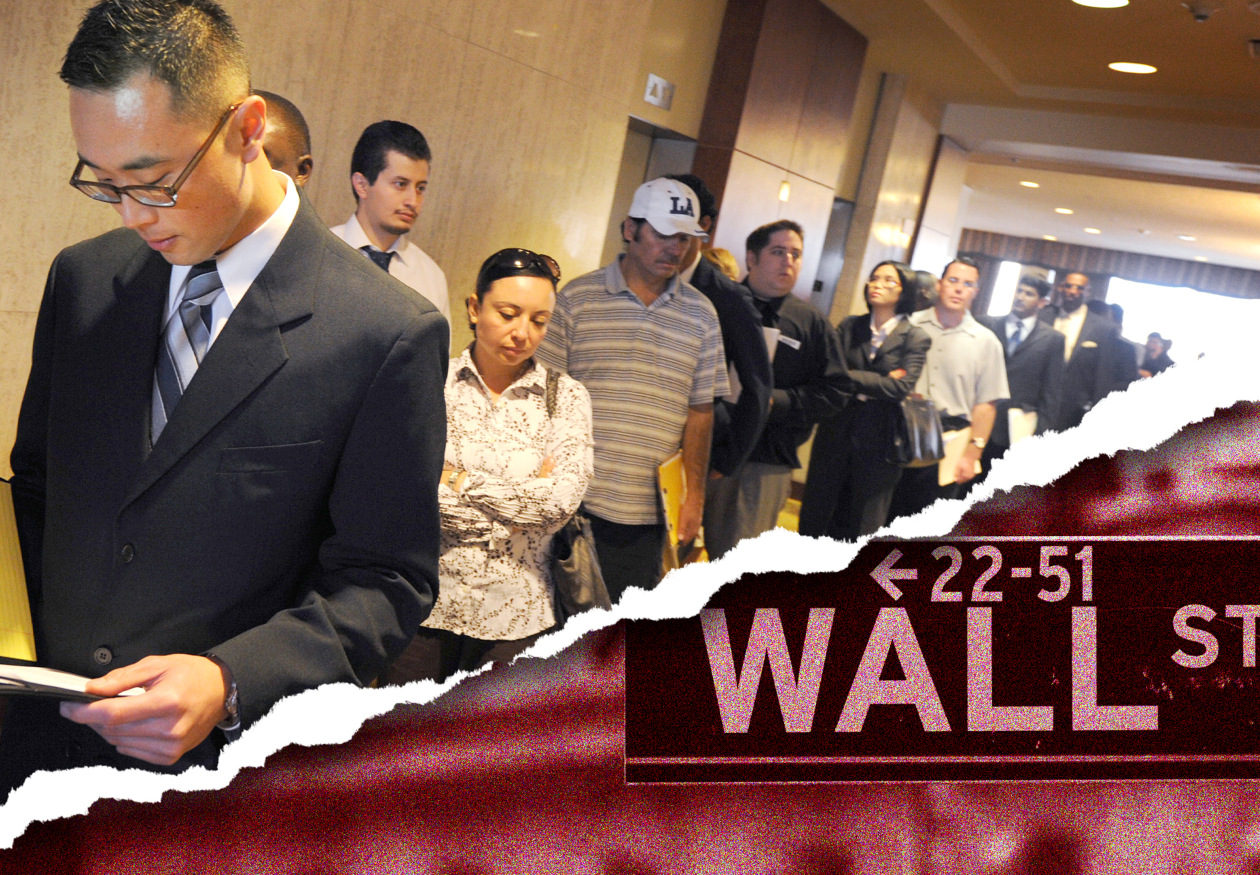
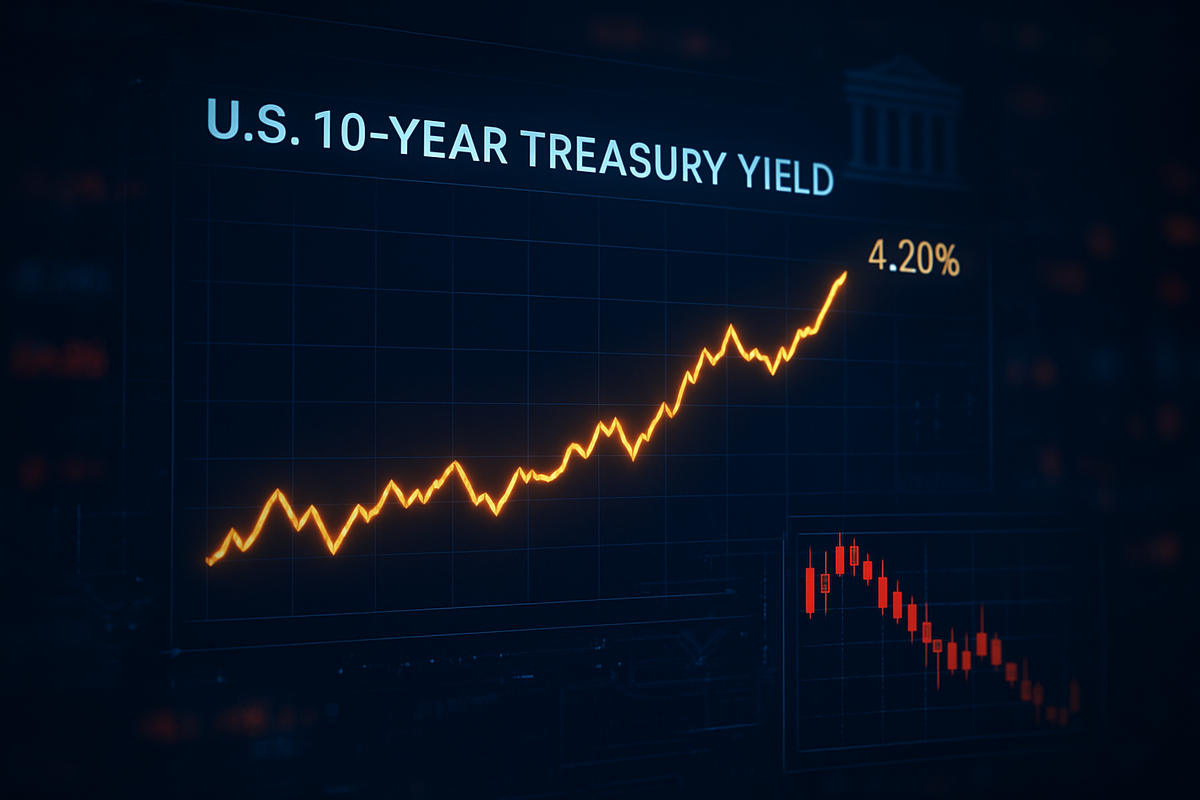
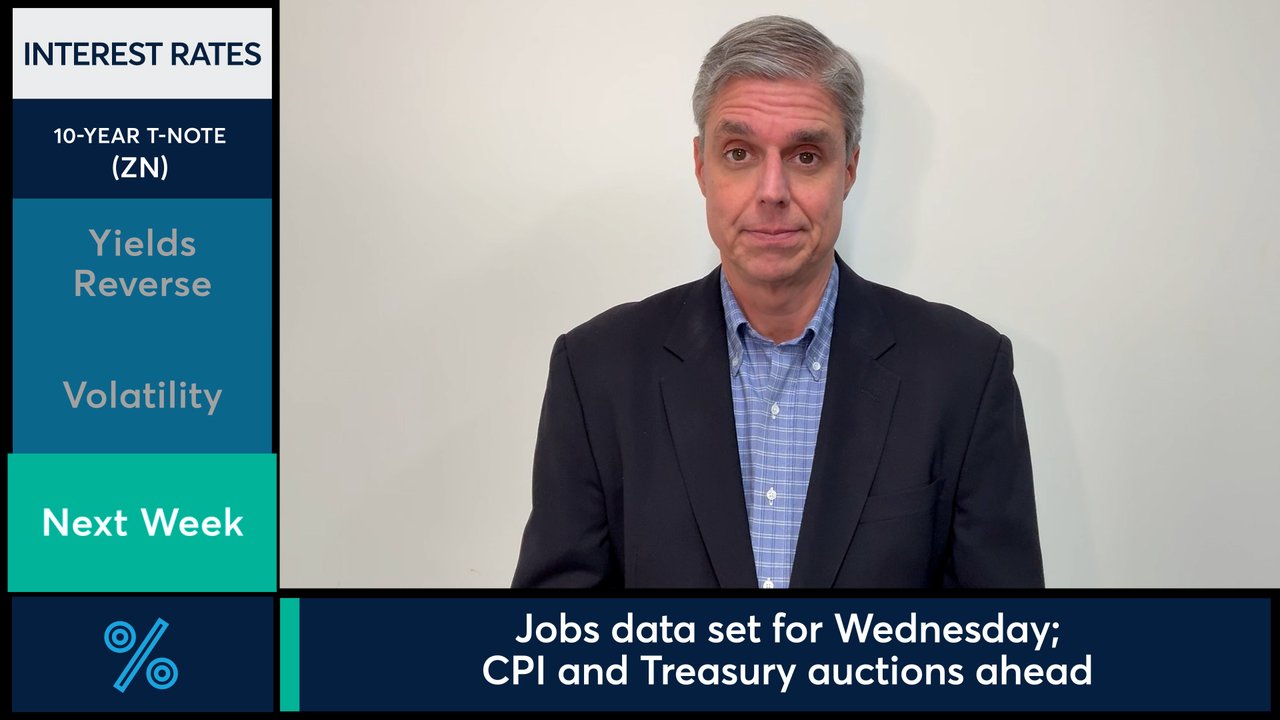
The US Treasury yield curve reached its steepest level in four years on February 6, 2026, with the 10-year to 2-year spread hitting 73.7 basis points—a critical development for cross-border e-commerce sellers relying on long-term financing. This steepening reflects weak January jobs data (108,435 layoffs, 231,000 jobless claims) combined with growing concerns about federal budget deficits and inflation dynamics. While the Federal Reserve is expected to cut short-term rates as early as March 2026, the yield curve's structure means long-term borrowing costs will NOT decline proportionally, creating a financing paradox for sellers.
The Core Financial Challenge: For e-commerce operators financing warehouse facilities, 3PL expansion, delivery fleet equipment, or inventory growth over 10-30 year periods, this steepening curve represents immediate working capital pressure. A seller financing a $500K warehouse expansion at 10-year terms faces potential rate increases of 150-250 basis points compared to 2-year financing, translating to $7,500-12,500 in additional annual interest costs. Equipment loans for delivery fleets (2-5 year terms) will see reduced Fed rate-cut benefits—a 50 basis point Fed cut may only translate to 20-30 basis points in actual borrowing cost reduction due to the steepening premium.
Global Structural Concerns: The yield curve steepening is not isolated to the US. Similar patterns appear in Japan, Germany, the United Kingdom, and Canada, indicating structural economic concerns about fiscal sustainability and inflation persistence. The Federal Reserve has already purchased over $90 billion in Treasury bills since December to stabilize long-term rates, yet market pressures persist. This suggests the steepening may continue unless labor market weakness triggers expectations for softer economic growth—a double-edged sword for sellers who benefit from consumer spending but face higher financing costs.
Immediate Seller Implications: Cross-border sellers planning capital investments in 2026 face a critical timing decision. Locking in long-term financing NOW (before further steepening) versus waiting for potential Fed rate cuts creates a strategic dilemma. Short-term working capital solutions (invoice financing, inventory loans, supply chain finance) become more attractive relative to long-term debt, as these products typically track short-term rates more closely. Sellers with existing variable-rate debt should consider locking in fixed rates immediately, while those planning expansion should accelerate financing timelines to capture current rates before further deterioration.
Questions 7
How does yield curve steepening affect my long-term business financing costs?
Yield curve steepening means the gap between short-term and long-term interest rates widens, making long-term borrowing significantly more expensive. As of February 6, 2026, the 10-year to 2-year spread reached 73.7 basis points—approaching its highest level in four years. For a seller financing a $500K warehouse expansion at 10-year terms, this steepening could add $7,500-12,500 annually in interest costs compared to 2-year financing. Even if the Federal Reserve cuts short-term rates by 50 basis points in March 2026, your long-term borrowing costs may only decline 20-30 basis points due to the steepening premium. This creates a critical timing decision: lock in long-term financing now before rates steepen further, or wait for Fed cuts that may not materialize in long-term rates.
Should I accelerate my warehouse or equipment financing before rates increase further?
Yes, if you're planning capital investments in 2026, accelerating financing timelines is strategically prudent. The yield curve steepening reflects structural concerns about fiscal sustainability and inflation persistence—not temporary market volatility. The Federal Reserve has already purchased over $90 billion in Treasury bills since December to stabilize long-term rates, yet the steepening persists. This suggests the trend may continue unless labor market weakness triggers expectations for softer growth. For equipment loans (2-5 year terms) and warehouse mortgages (10-30 year terms), locking in rates now captures current pricing before further deterioration. Consider financing your 2026 expansion plans by end of Q1 2026 to avoid additional rate increases.