





Global Customs & Trade Disruption Risk | 70+ Government Breaches Across 37 Nations Impact Cross-Border Sellers
- State-backed cyberattacks compromise border control, customs, and trade ministries affecting international logistics and compliance timelines for e-commerce sellers in 37 countries







Overview
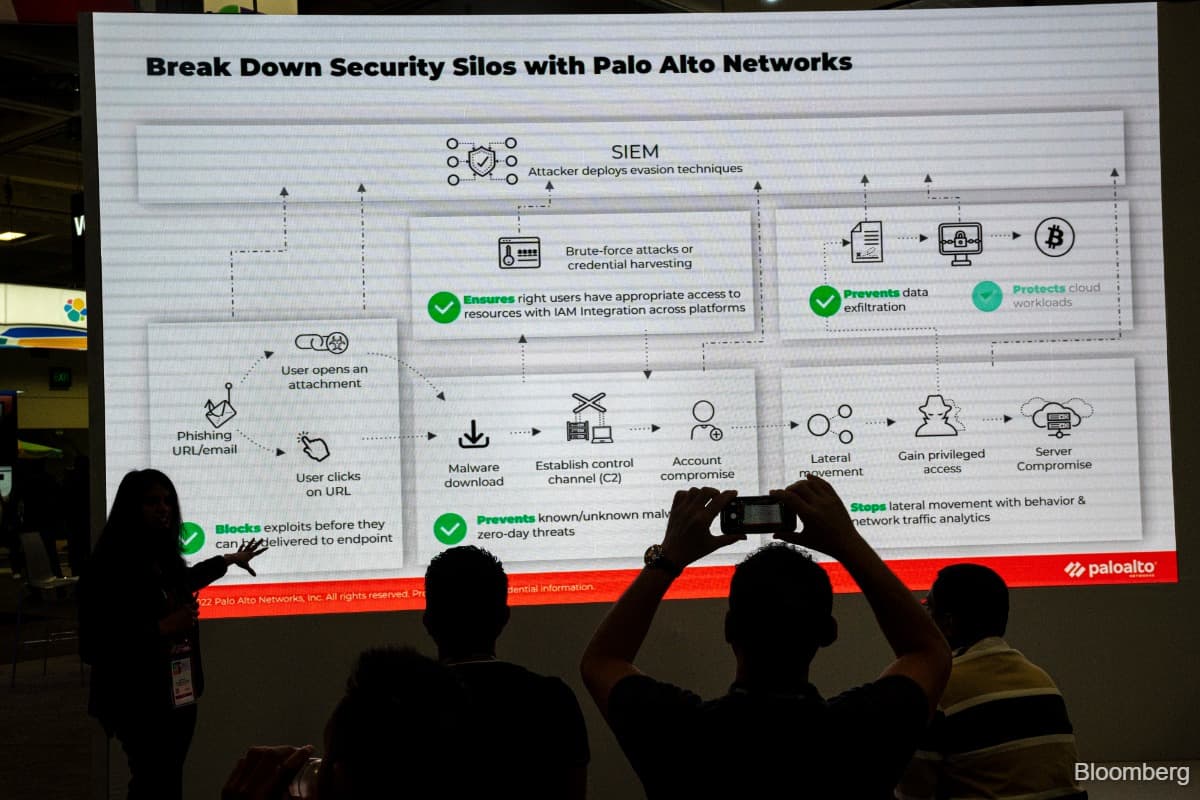
A massive state-backed cyberespionage campaign has compromised at least 70 government and critical infrastructure organizations across 37 countries, with reconnaissance activity detected in 155 nations as of February 2026. Palo Alto Networks Unit 42 identified the Asia-based group TGR-STA-1030 (also tracked as UNC6619) as responsible for breaching five national-level law enforcement and border control agencies, three finance ministries, and departments handling trade, economy, immigration, and natural resources functions. The campaign, active since January 2024, employs sophisticated phishing attacks delivering Diaoyu Loader malware and exploits N-day vulnerabilities in Microsoft, SAP, Atlassian, and other enterprise systems used by government agencies.
For cross-border e-commerce sellers, this incident creates cascading operational risks across multiple dimensions. Customs clearance delays represent the most immediate threat—compromised border control systems in affected countries (including Germany, Czechia, Cyprus, Greece, Thailand, Vietnam, Brazil, and Bolivia) may experience processing backlogs, documentation verification delays, or temporary system shutdowns during remediation. Sellers shipping to or through these regions should anticipate 5-15 day delays in customs clearance, potentially impacting inventory turnover and customer delivery commitments. Trade documentation systems are at risk, as attackers specifically targeted trade and economy ministries; sellers relying on government trade databases, tariff code verification systems, or preferential trade agreement documentation may face verification bottlenecks.
The geopolitical targeting pattern reveals strategic focus on rare earth minerals (Brazil's Ministry of Mines and Energy, Bolivian mining entities) and regional trade corridors (South China Sea countries), suggesting future regulatory responses may include stricter data protection requirements for cross-border transactions and enhanced customs documentation standards. Compliance cost escalation is likely—heightened cybersecurity concerns will prompt governments to implement additional verification protocols, potentially increasing documentation requirements and processing fees by 10-20% for international shipments. Sellers operating in affected regions should immediately audit their customs clearance dependencies, establish backup documentation procedures, and communicate with 3PL providers about contingency plans. Supply chain resilience becomes critical—diversify shipping routes away from heavily compromised regions where possible, maintain 15-20% additional inventory buffers for affected markets, and monitor government agency websites for system status updates. Consider shifting 10-15% of inventory to alternative fulfillment centers in less-affected countries to maintain delivery timelines.
Questions 8
What trade documentation systems are at risk from this cyberattack?
The breach specifically targeted government trade, economy, and immigration ministries, putting at risk: tariff code verification databases, preferential trade agreement documentation systems, origin certification platforms, and trade license verification tools. Sellers relying on automated government trade databases for compliance verification may experience system downtime or data verification delays. Implement manual backup procedures for tariff classification and origin documentation. Verify your HS codes and trade agreement eligibility through alternative sources (industry associations, customs brokers) rather than relying solely on government systems through mid-2026.
Which regions will experience the most severe trade disruption?
The highest-risk regions are: South China Sea countries (Thailand, Vietnam), European Union (Germany, Czechia, Cyprus, Greece), and South America (Brazil, Bolivia). These areas had confirmed government breaches affecting trade and customs functions. Brazil's Ministry of Mines and Energy breach is particularly significant for sellers of rare earth mineral products or electronics. Diversify shipping routes away from these regions where possible, and consider establishing fulfillment centers in less-affected countries (Canada, Australia, Singapore) to maintain delivery timelines and avoid customs bottlenecks.