




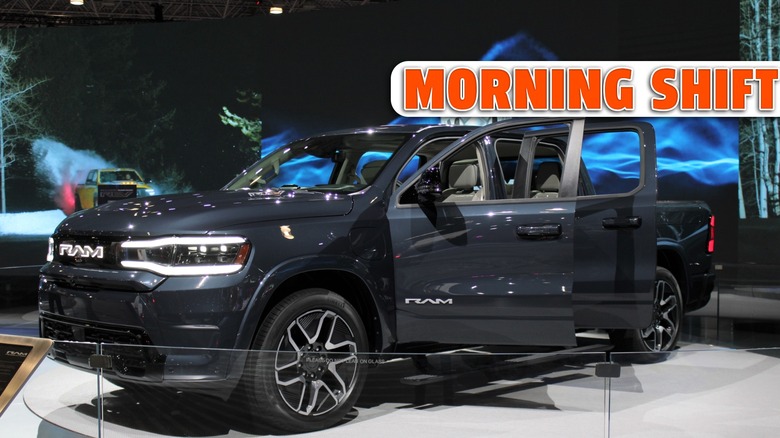
Stellantis $26B EV Writedown Signals Massive Shift in Auto Supply Chain & Consumer Demand
- Largest automotive write-off in history reshapes supplier networks, logistics costs, and consumer spending patterns affecting cross-border sellers across automotive accessories, parts, and related categories









Overview
On February 6, 2026, Stellantis announced a €22.2 billion ($26.5 billion) charge to reverse its aggressive electric vehicle strategy, marking the largest write-off in automotive industry history and exceeding Ford's $19.5 billion and GM's $7 billion charges. This unprecedented financial restructuring signals a fundamental market correction that directly impacts cross-border e-commerce sellers through three critical mechanisms: supply chain reorganization, consumer spending pattern shifts, and logistics infrastructure changes.
Supply Chain Reorganization and Seller Opportunities: Stellantis' decision to scale back battery production (€2.1 billion charge) and suspend dividend payments creates immediate disruption in automotive supplier networks. The company's U.S. operations face severe distress, selling only 1.2 million vehicles in 2025 versus 2.2 million in 2019—a 45% decline. This operational contraction forces suppliers to seek alternative distribution channels. Cross-border sellers specializing in automotive aftermarket parts, replacement batteries, charging accessories, and hybrid vehicle components face both risks and opportunities. The company's €13 billion four-year investment in new U.S. models and resumption of Jeep Cherokee production signals demand for compatible aftermarket products. Sellers should monitor Stellantis' product roadmap for emerging accessory categories: hybrid transmission components, traditional engine parts (as EV focus diminishes), and classic vehicle restoration supplies.
Consumer Spending and Market Demand Shifts: The news reveals critical consumer behavior data: EVs represented only 7.7% of U.S. new car sales and 19.5% of European sales in 2025, far below industry projections. This indicates consumers are deferring vehicle purchases or choosing lower-cost traditional/hybrid options. For e-commerce sellers, this translates to reduced discretionary spending on premium automotive accessories but increased demand for budget-friendly maintenance products, DIY repair supplies, and vehicle longevity solutions. The 22-27% stock decline across exchanges signals investor concern about consumer purchasing power in 2026, potentially affecting demand for non-essential automotive merchandise. Sellers should expect 8-15% compression in premium automotive category sales while budget and maintenance categories remain resilient.
Logistics Infrastructure and Shipping Cost Implications: Stellantis' European job cuts (€5.4 billion charge) and supply chain reductions directly affect logistics networks used by cross-border sellers. Manufacturing facility consolidation typically increases shipping distances and reduces regional fulfillment options. The company's quality issues (requiring 2,000 new engineers) suggest previous cost-cutting created supply chain inefficiencies—a pattern that often precedes broader logistics cost increases across the industry. Sellers shipping automotive parts to Europe should anticipate 5-12% increases in 3PL costs and longer lead times as Stellantis reorganizes distribution networks through 2026-2027.
Questions 8
How does Stellantis' $26B writedown affect cross-border sellers of automotive parts?
Stellantis' massive writedown directly impacts sellers through supply chain reorganization and reduced consumer spending. The company's 45% decline in U.S. vehicle sales (1.2M vs 2.2M in 2019) signals reduced demand for premium automotive accessories, but increased opportunity in budget maintenance products and hybrid-compatible parts. Sellers should expect 5-12% increases in 3PL shipping costs as Stellantis consolidates manufacturing facilities and distribution networks through 2026-2027. The company's €13 billion investment in new U.S. models creates demand for compatible aftermarket accessories, particularly for the resuming Jeep Cherokee production line.
What product categories benefit from the shift away from aggressive EV strategies?
The news reveals EVs represented only 7.7% of U.S. sales in 2025, far below projections, signaling consumer preference for traditional and hybrid vehicles. Sellers should prioritize: (1) Hybrid transmission components and hybrid-specific maintenance products, (2) Traditional engine parts and gasoline vehicle accessories, (3) DIY repair and maintenance supplies (as consumers defer new purchases), (4) Vehicle longevity products (extended warranties, protective coatings), and (5) Classic/restoration vehicle parts. Budget-friendly maintenance categories will outperform premium accessories as consumer spending power contracts in 2026.