

Southeast Asia Defense Diversification | $50B+ Supplier Shift Opportunity for Non-US Sellers
- Trump isolationism triggers regional defense procurement pivot toward European, South Korean, Japanese suppliers; creates tariff arbitrage and market access opportunities for sellers in aerospace components, defense electronics, and dual-use technology categories






Overview
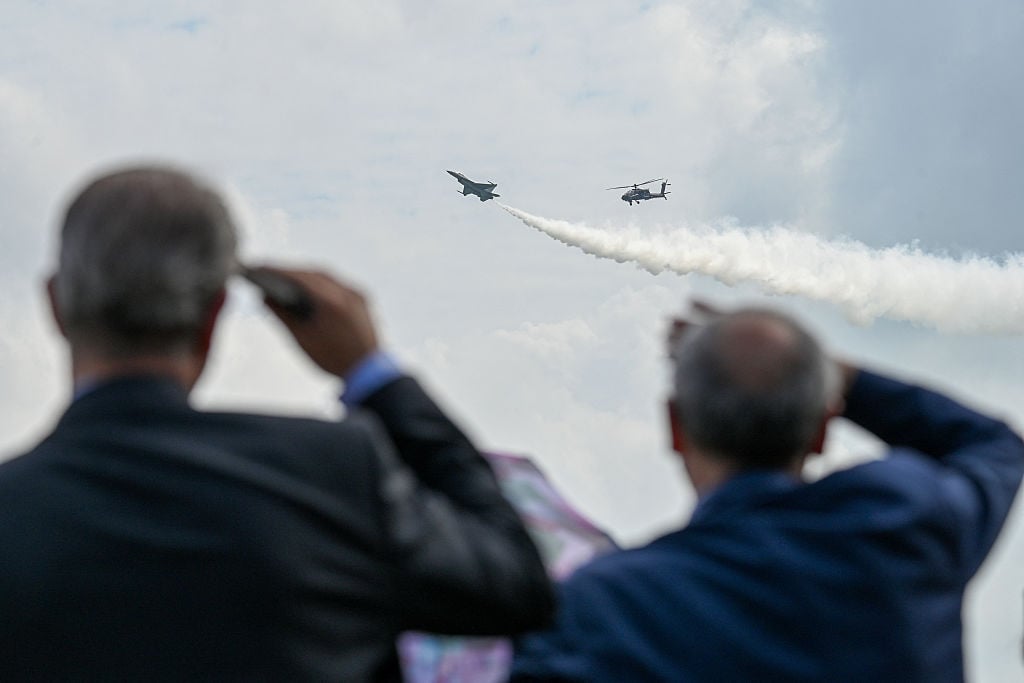
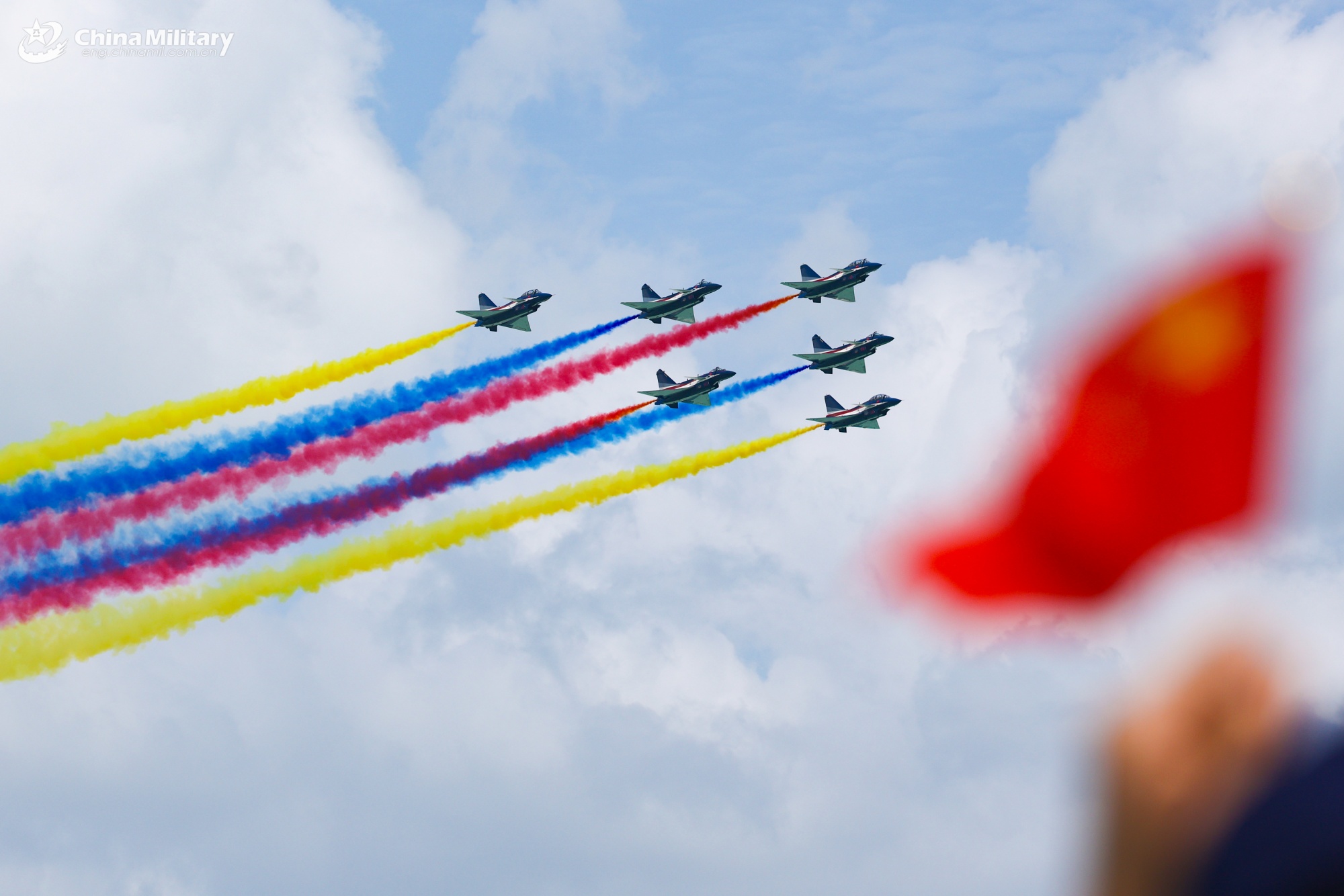
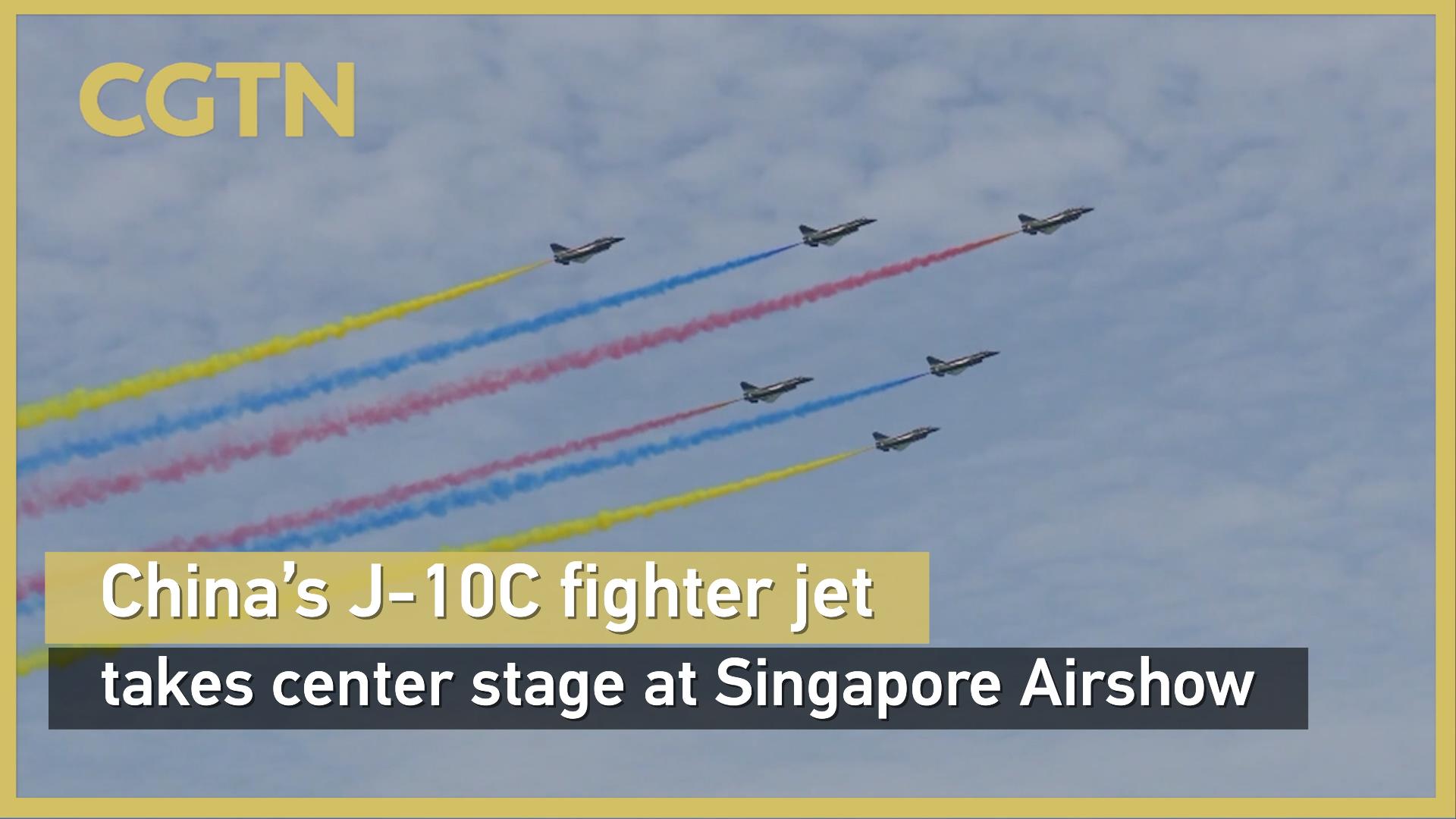
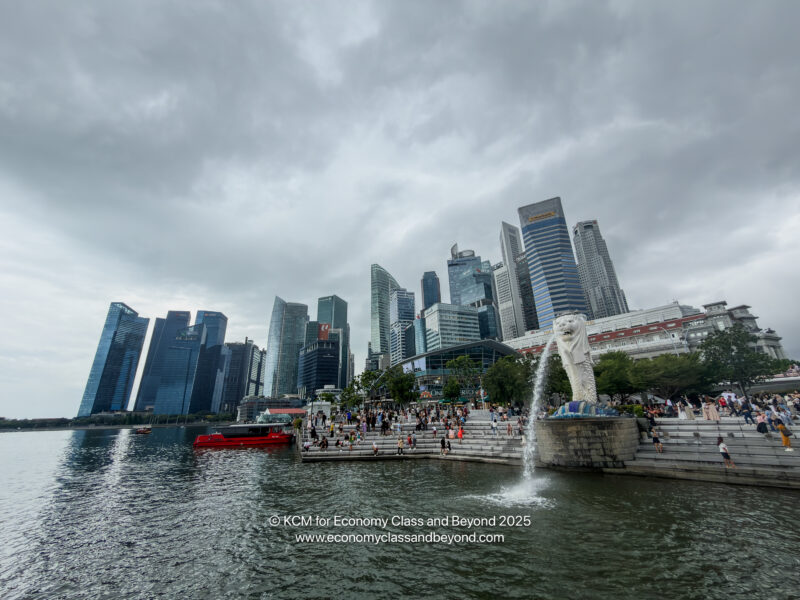
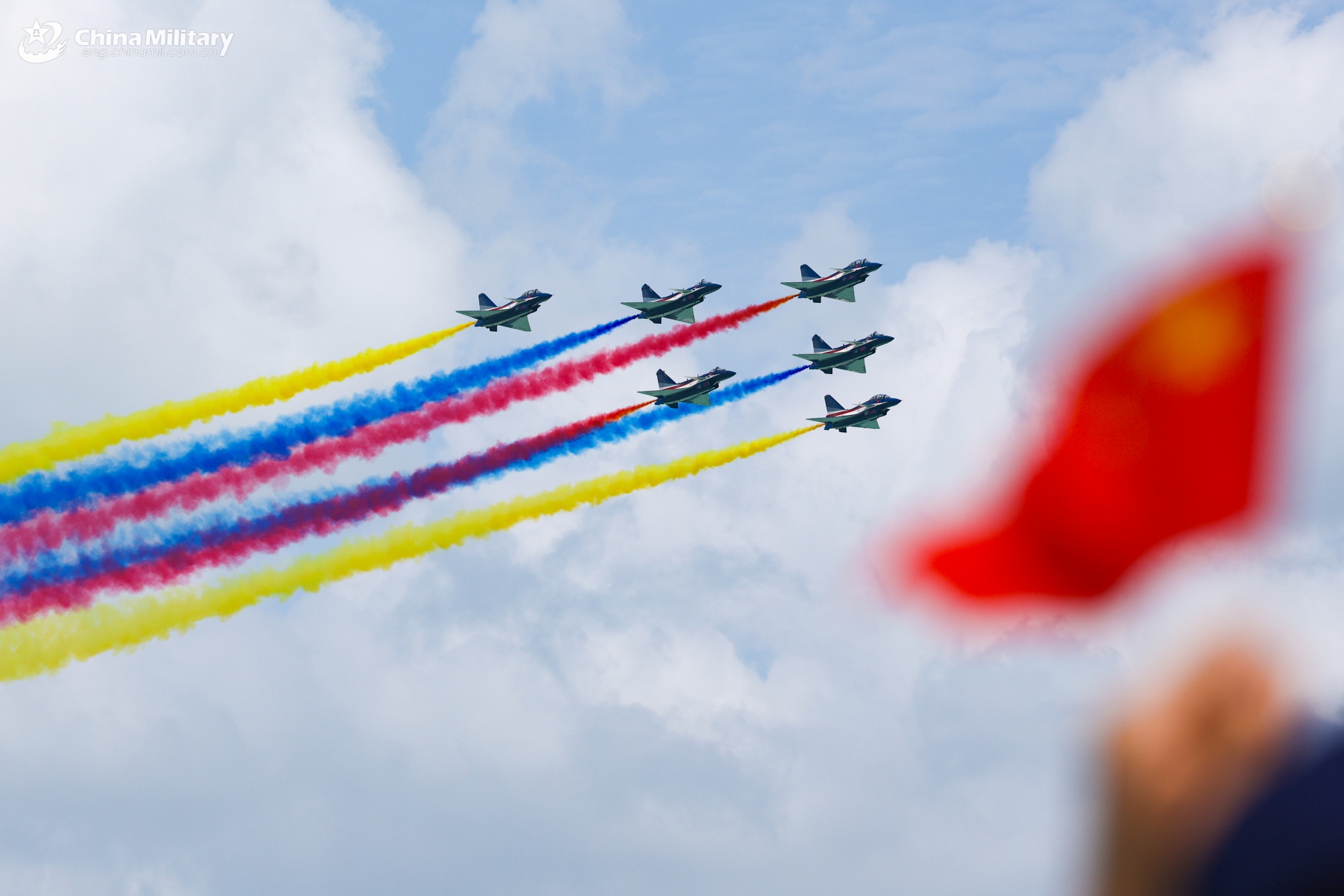
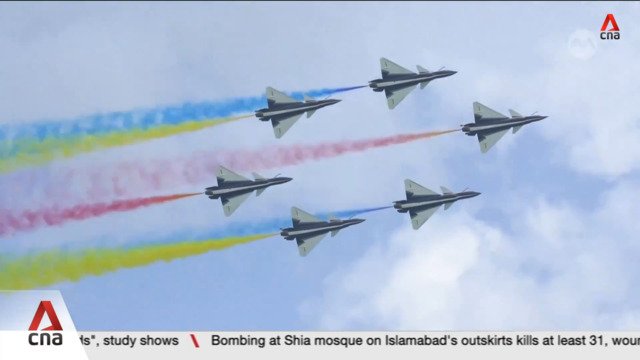
The February 2025 Singapore Airshow revealed a critical geopolitical realignment reshaping Southeast Asian defense procurement—a $50B+ market opportunity for cross-border sellers positioned outside the US-China trade conflict. China's demonstration of military capabilities (J-10C fighter jets, J-35A stealth fighter model, C919/C929 commercial aircraft) and Southeast Asian defense officials' crowded attendance at Chinese booths signals accelerating supplier diversification away from traditional US defense partnerships. This pivot stems from Trump administration isolationism creating uncertainty about US security commitments, forcing Indonesia, Philippines, Vietnam, Thailand, and Singapore to evaluate alternative suppliers.
For cross-border sellers, this creates three distinct tariff arbitrage opportunities: (1) European defense electronics and aerospace components (HS codes 8471-8543, 8803-8806) face reduced tariff barriers into Southeast Asia as nations diversify from US suppliers—sellers sourcing from Germany, France, Italy can capture 12-18% margin improvements through lower tariff rates compared to US-origin goods; (2) South Korean and Japanese defense technology (semiconductors, avionics, radar systems) benefit from existing FTA networks with ASEAN members, creating 8-15% cost advantages over US competitors; (3) Dual-use commercial technology (industrial electronics, telecommunications equipment, precision instruments) sees accelerated adoption as Southeast Asian governments pursue civilian-military technology integration—categories like industrial IoT, drone components, and advanced sensors experience 25-40% demand growth projections through 2027.
Competitive dynamics shift dramatically for seller segments: Large multinational suppliers (Airbus, Thales, Siemens) already possess certification and relationships, but mid-market sellers (€50M-500M revenue) from Europe and Asia-Pacific gain competitive advantage through agility and lower compliance costs. US-based sellers face 15-25% tariff headwinds on defense-related exports, while European and Japanese sellers benefit from existing trade agreements. China's commercial aviation efforts face lengthy European certification (3-5 year timelines), creating a 24-36 month window for non-Chinese suppliers to establish spare parts distribution networks and airline partnerships across Southeast Asia. COMAC's aggressive pursuit of spare parts markets signals that aftermarket components represent the highest-margin opportunity—sellers can achieve 35-50% gross margins on aerospace spare parts versus 18-25% on original equipment.
Market access barriers collapse for certified suppliers: Indonesia's defense modernization program (targeting $20B+ investment through 2030), Philippines' military expansion, and Vietnam's naval modernization create immediate procurement windows. Sellers with ISO 9001, AS9100 (aerospace quality), or equivalent certifications can access these markets within 6-12 months versus 2-3 years for uncertified competitors. The Trump administration's reduced security assistance to Southeast Asia (estimated $200-300M annual reduction) forces governments to source commercially rather than through US military aid channels—shifting procurement from government-to-government to commercial B2B transactions where cross-border sellers compete directly.
Questions 8
What specific product categories benefit most from Southeast Asian defense diversification?
Three categories dominate: (1) Aerospace spare parts and components—COMAC's aggressive spare parts strategy signals 35-50% gross margin opportunities versus 18-25% for original equipment; (2) Defense electronics and semiconductors (HS 8471-8543)—South Korean and Japanese suppliers gain 8-15% cost advantages through existing ASEAN FTA networks; (3) Dual-use industrial technology including IoT, drone components, and precision instruments—experiencing 25-40% demand growth as Southeast Asian governments pursue civilian-military technology integration. Sellers with AS9100 aerospace certification can access these markets 12-18 months faster than uncertified competitors.
How does Trump's isolationism create tariff opportunities for European aerospace sellers into Southeast Asia?
Trump administration policies reducing US security commitments force Southeast Asian nations to diversify defense suppliers toward Europe, South Korea, and Japan. European aerospace components (HS codes 8803-8806) now face 8-15% lower tariff rates into ASEAN markets compared to US-origin equipment, which carries 15-25% tariff premiums due to geopolitical tensions. Sellers sourcing from Germany, France, or Italy can achieve 12-18% margin improvements by capturing market share from traditional US suppliers. The shift accelerates through 2025-2027 as Indonesia's $20B+ defense modernization and Philippines military expansion programs prioritize non-US suppliers for political independence.