




Microsoft's AI Revolution: Transforming Enterprise Technology by 2026
- AI Infrastructure Becomes the New Competitive Battlefield for Tech Giants





















Overview
Microsoft is orchestrating a strategic transformation that positions it at the epicenter of the enterprise AI revolution, with 2026 emerging as a critical inflection point for technological innovation. The company's multifaceted approach goes beyond mere technological investment, representing a comprehensive reimagining of how businesses will integrate artificial intelligence into their core operations.
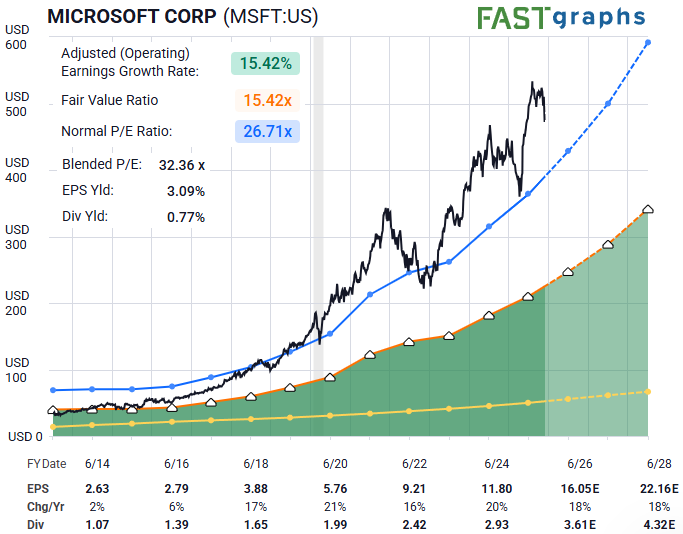
Azure cloud platform and AI integration stand as the cornerstone of Microsoft's ambitious strategy. By seamlessly embedding AI capabilities across productivity tools like Microsoft 365 Copilot, the company is not just offering technology, but fundamentally redesigning workflow architectures. The 16% stock rise this year reflects early market recognition of this transformative potential, with analysts like Daniel Ives from Wedbush Securities projecting Microsoft as a pivotal player in transitioning AI from experimental concepts to production-ready solutions.
The strategic depth becomes evident in Microsoft's ecosystem approach. Unlike competitors focusing on isolated AI products, Microsoft is creating an integrated AI infrastructure that connects cloud computing, productivity software, and advanced machine learning capabilities. This holistic strategy allows enterprises to not just adopt AI, but to fundamentally reimagine their operational models. The partnership with OpenAI and investments in Azure cloud services demonstrate a long-term commitment to building comprehensive AI capabilities that extend across multiple enterprise segments.
For technology sellers and entrepreneurs, this signals a profound shift. The AI revolution is moving from theoretical potential to practical implementation, with Microsoft providing the foundational infrastructure. Companies that can rapidly adapt to this AI-enhanced ecosystem will gain significant competitive advantages, while those slow to integrate risk becoming technologically obsolete.
The broader implications are transformative: we are witnessing the early stages of a technological paradigm shift where AI becomes not just a tool, but the fundamental architecture of enterprise technology. Microsoft is positioning itself not just as a technology provider, but as the architect of this new digital landscape.
Questions 3
What opportunities does Microsoft's AI strategy create for technology sellers?
Technology sellers can leverage Microsoft's AI ecosystem by developing complementary tools, creating AI-enhanced services, and helping enterprises integrate advanced AI capabilities into their existing workflows. The platform provides unprecedented opportunities for innovation and value creation.
How is Microsoft differentiating its AI strategy from other tech giants?
Microsoft is creating an integrated AI ecosystem by embedding AI across its cloud, productivity, and enterprise software platforms. Unlike competitors offering isolated AI tools, Microsoft is building comprehensive infrastructure that allows seamless AI integration across multiple business functions.