


Holiday Lottery Fever Sparks Multimillion-Dollar Excitement Across Two States
- Local Lottery Wins Reveal Broader Trends in Gambling Participation and Financial Opportunity















Overview
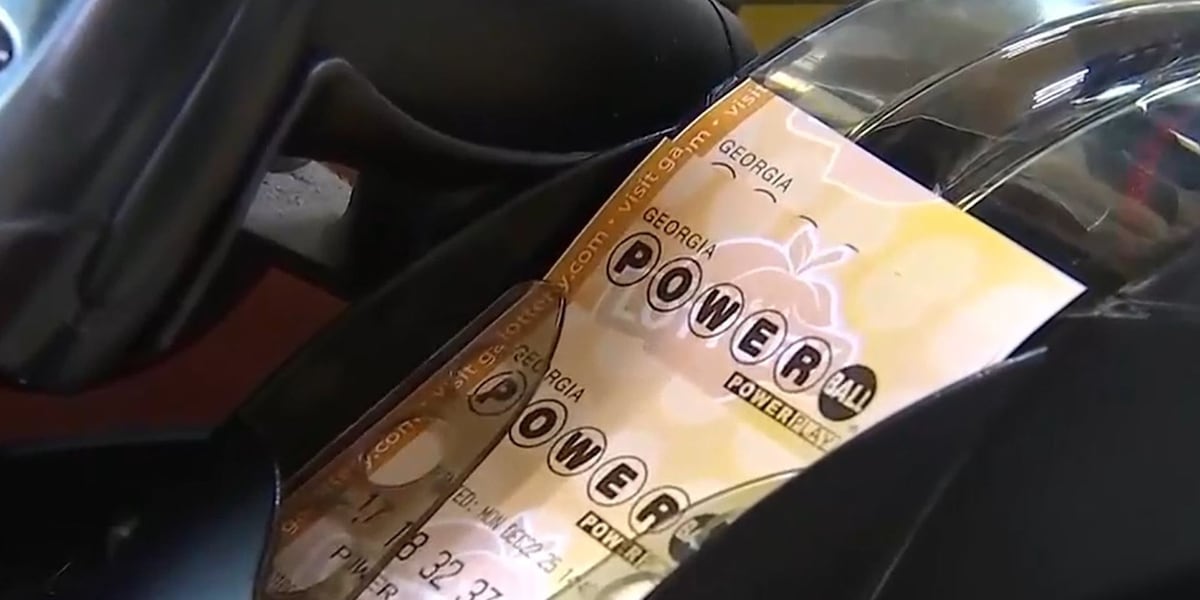
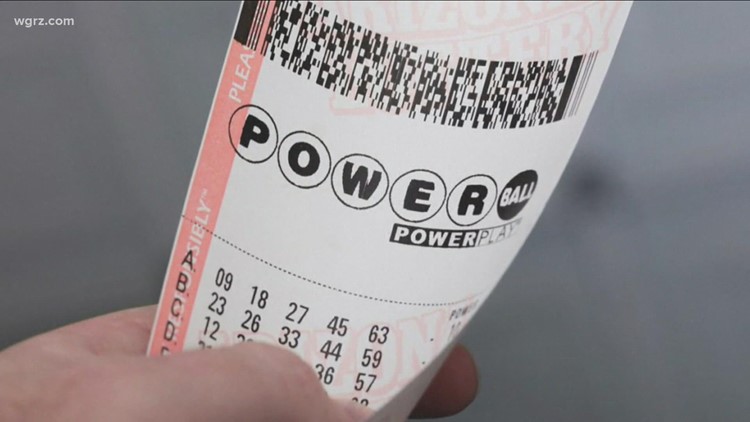
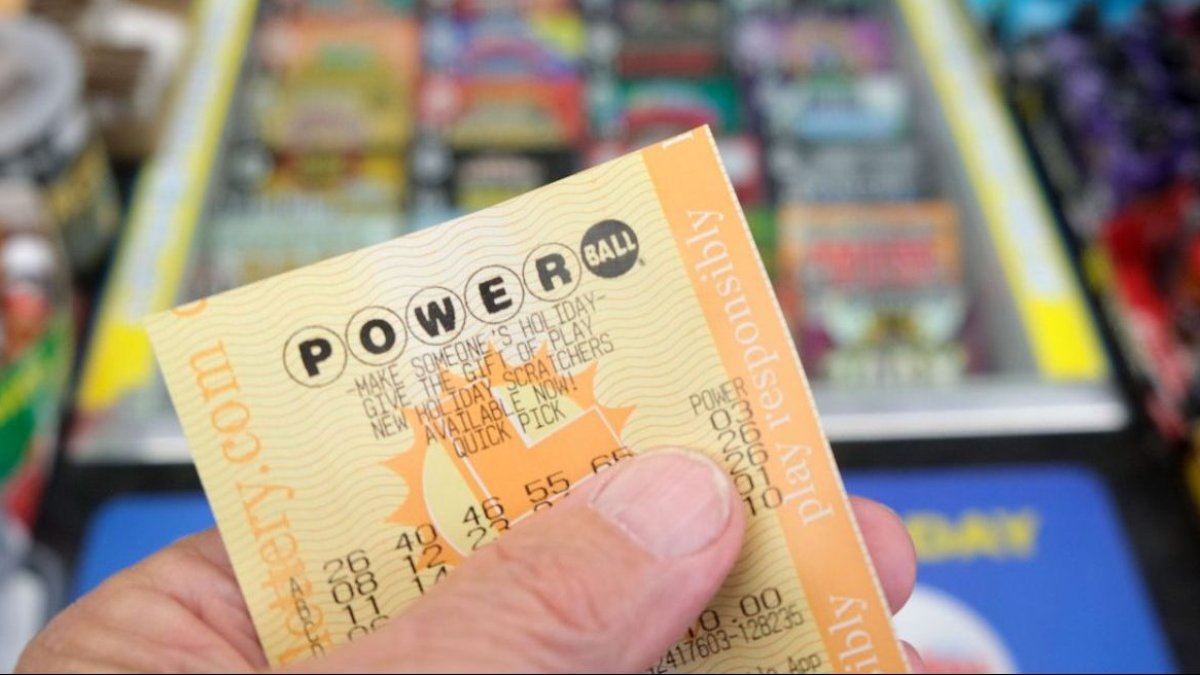
The recent Powerball drawing on Christmas Eve 2025 illuminates a fascinating landscape of lottery participation and financial aspiration across multiple states. With a staggering $1.817 billion jackpot—the second-largest in U.S. history—the event captured national attention while simultaneously highlighting localized winning opportunities.
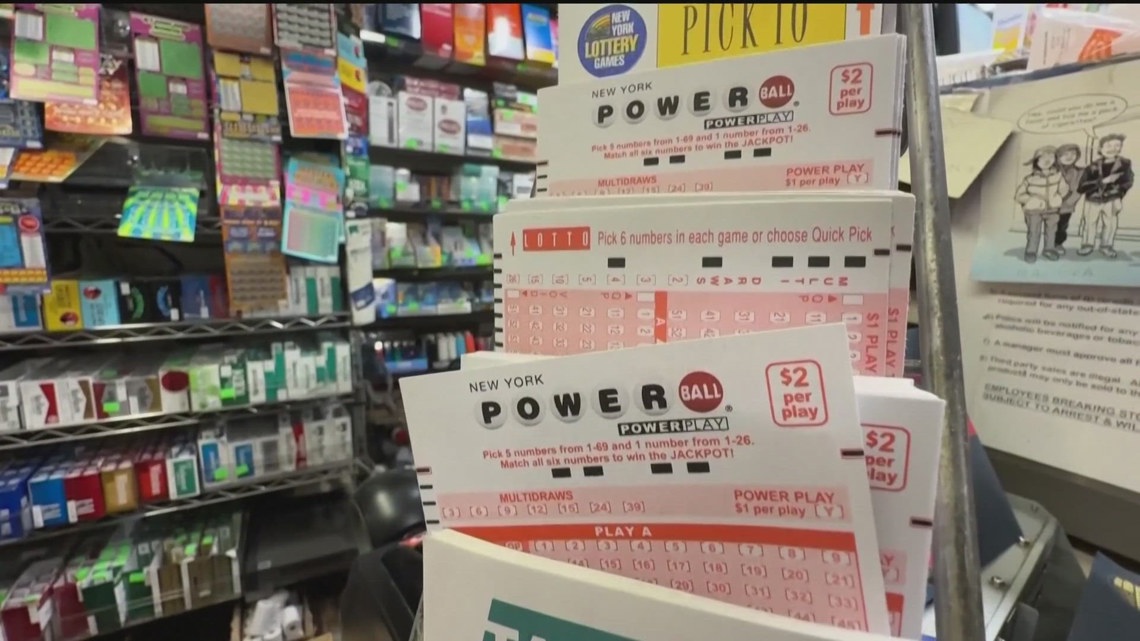
Secondary prize dynamics emerged as particularly intriguing, with eight $50,000 tickets sold in Massachusetts and one in Nebraska demonstrating the widespread engagement beyond the headline-grabbing grand prize. The Massachusetts distribution across eight towns—including Attleboro, Dedham, Essex, and others—suggests a broad-based participation that transcends traditional demographic boundaries. The odds of winning $50,000 stand at a remarkable 1 in 913,129, underscoring the rare but tangible nature of these secondary victories.
The Nebraska ticket's sale at the Speedee Mart near 138th Street and Manderson Circle further reinforces the grassroots appeal of lottery participation. These localized wins represent more than mere chance; they symbolize a collective financial hope where ordinary individuals see potential transformative opportunities. The reset of the Powerball jackpot to $20 million maintains ongoing excitement, indicating a persistent public fascination with lottery-based financial mobility.
Critically, these wins are not just about luck but about strategic financial consideration. Winners must navigate complex tax implications, prize claim procedures, and potential long-term financial planning. The 180-day claim window in Nebraska and the one-year window in Massachusetts highlight the structured approach lottery systems employ to manage significant monetary distributions.
The broader context reveals a gambling ecosystem that continues to captivate public imagination, offering fleeting but meaningful glimpses of potential economic transformation. These lottery events serve as microcosms of broader economic aspirations, where small investments can yield substantial returns.
Questions 3
What makes these secondary lottery prizes significant?
The $50,000 prizes represent meaningful financial opportunities with relatively rare odds (1 in 913,129). Unlike the massive jackpot, these secondary wins are more attainable and can provide substantial short-term financial relief for local winners.
What do these localized lottery wins reveal about economic aspirations?
The widespread ticket sales across multiple towns suggest that lottery participation represents a broader desire for economic mobility. These events offer ordinary individuals a tangible, albeit slim, chance of significant financial transformation.