



Yuan's Strategic Dance: China's Calculated Currency Appreciation Signals Global Financial Realignment
- Precision Currency Management Unveils New Opportunities for Cross-Border Traders



)














Overview
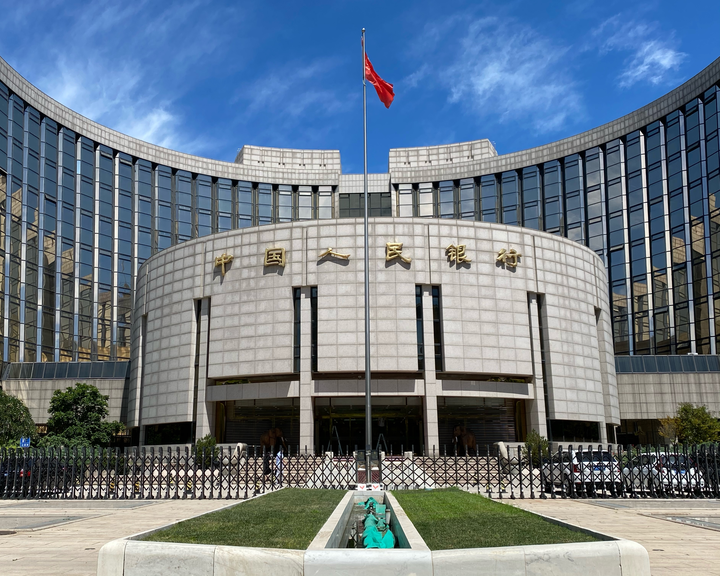
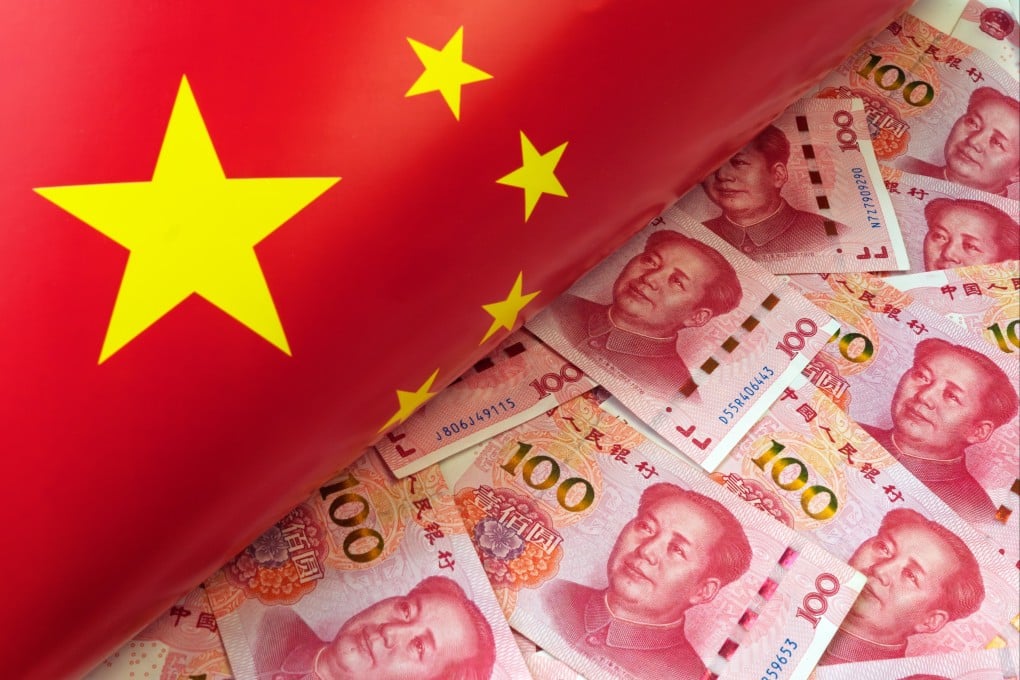
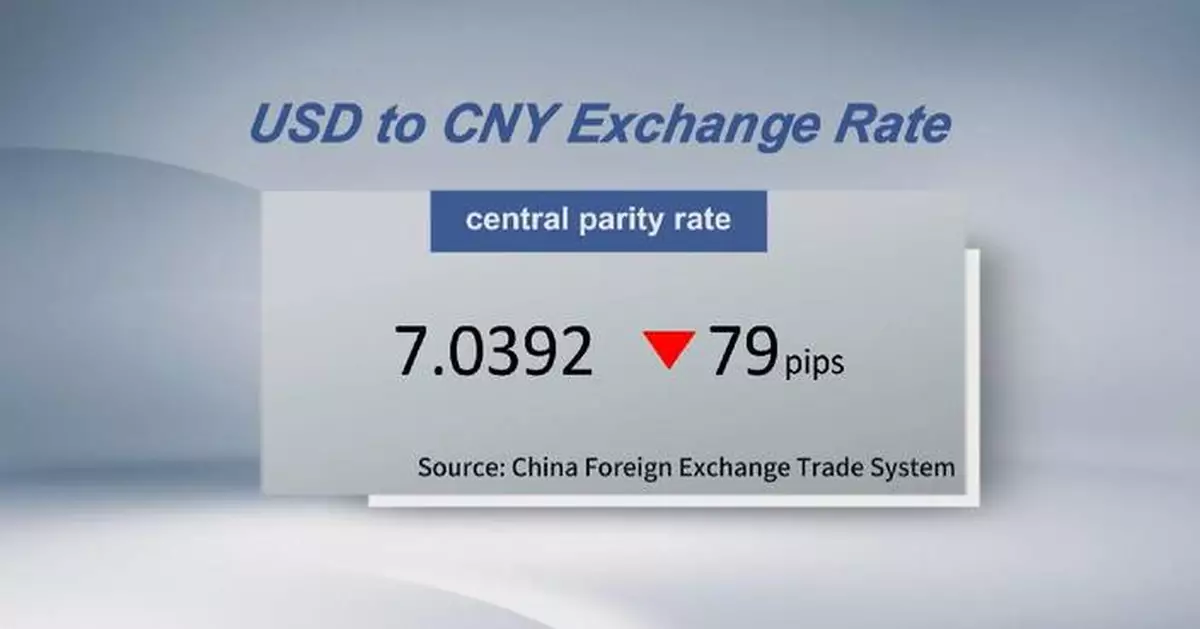
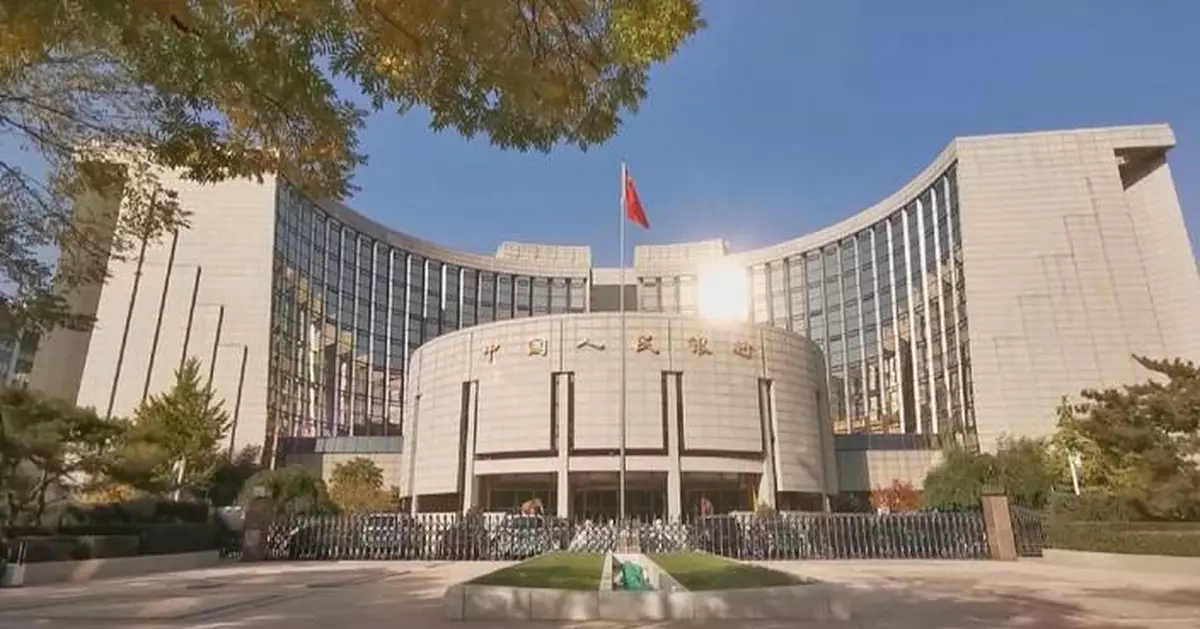
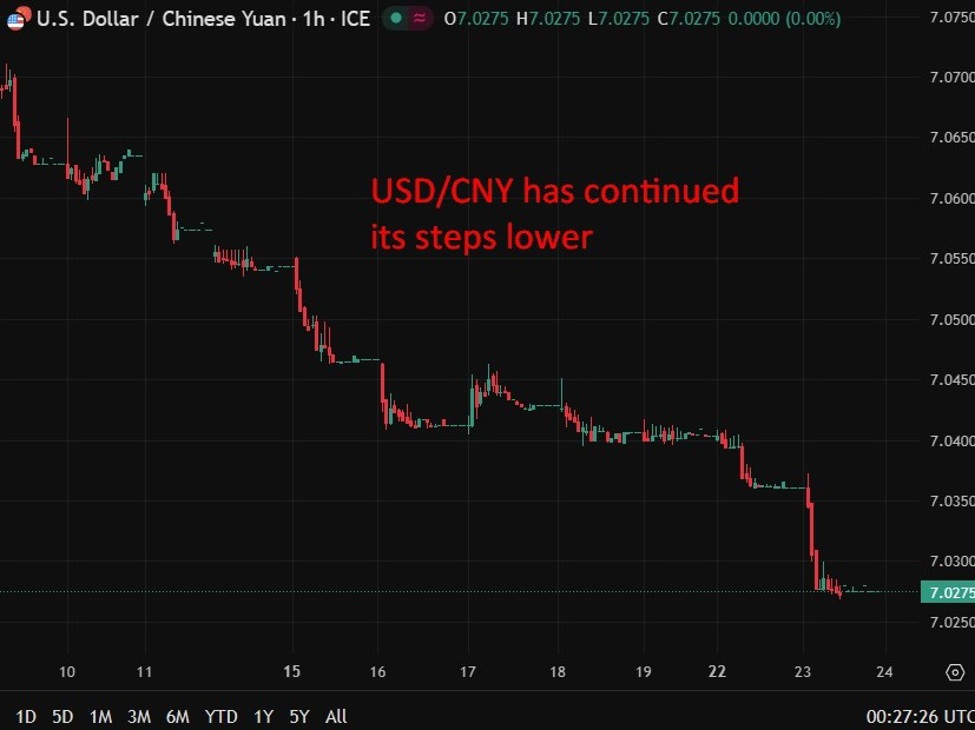
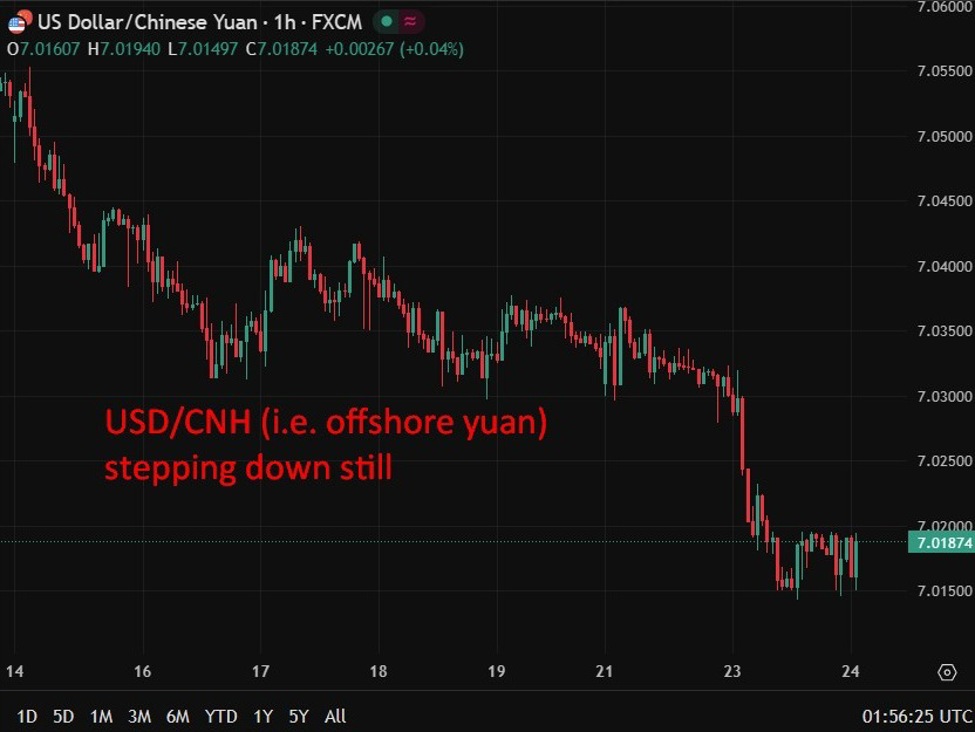
The People's Bank of China (PBOC) is executing a masterful choreography of currency valuation that reveals far more than simple exchange rate adjustments. By deliberately setting the yuan's daily reference rate 301 pips below market expectations—the largest deviation since 2018—China is signaling a nuanced approach to monetary policy that transcends traditional currency management.
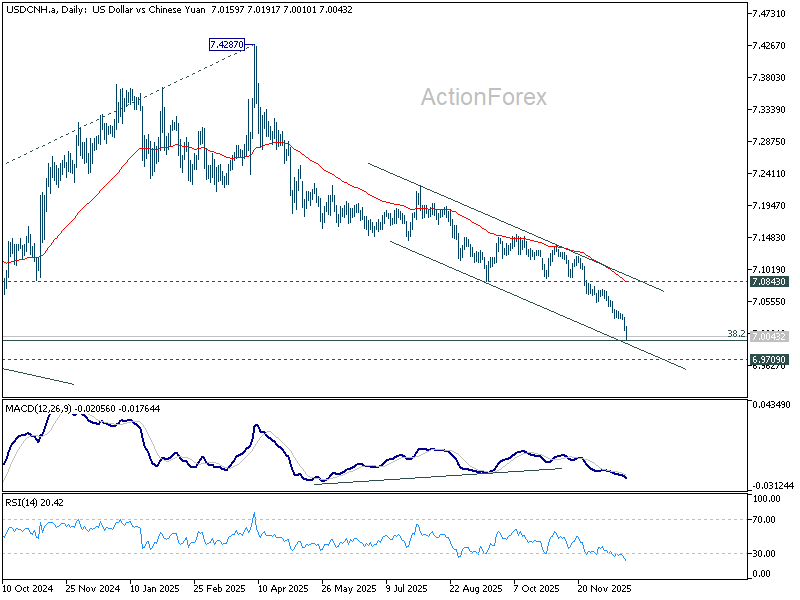
Strategic currency control emerges as the core narrative. The PBOC's fixing mechanism, which allows the onshore yuan to move within a 2% band, represents a sophisticated instrument of economic governance. This isn't mere technical adjustment, but a calculated strategy to balance domestic economic stability with international market expectations. The yuan's trajectory suggests a measured appreciation path, with projections from Yingda Securities indicating potential movement to 6.20-6.30 against the US dollar by 2026-2027.
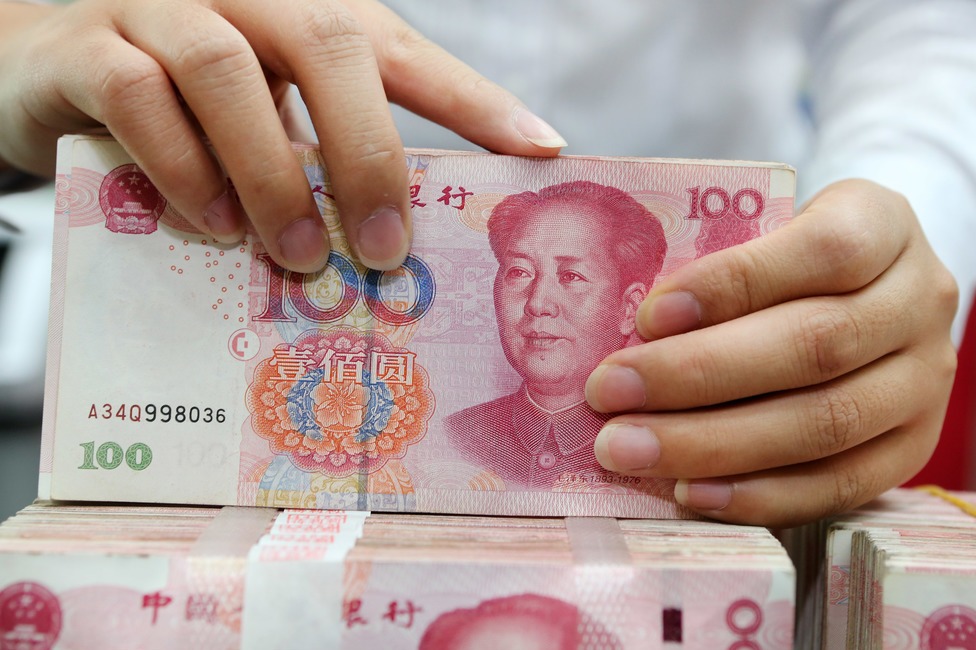
For cross-border traders and financial strategists, these developments present a complex landscape of opportunities and risks. The yuan's gradual appreciation, coupled with China's US$1 trillion trade surplus, signals robust economic fundamentals. Non-finance companies' foreign exchange deposits have already exceeded US$561.8 billion, indicating significant market confidence. However, this trend also introduces challenges for export-focused manufacturers, who must now navigate increasingly complex procurement costs and pricing strategies.
The broader geopolitical context adds another layer of sophistication. Industrial Securities highlights multiple influencing factors: a more accommodative Federal Reserve stance, narrowing China-US interest rate differentials, and potential capital inflow reversals. These dynamics suggest the yuan's movement is not just a currency fluctuation, but a reflection of deeper shifts in global financial architecture.
Critically, this is not about sudden volatility, but controlled flexibility. Global financial institutions, including ING, forecast a stable yuan with a subtle upward bias in 2026. This suggests a deliberate, long-term strategy of positioning the yuan as a more attractive and stable international currency, potentially challenging existing global financial paradigms.
Questions 3
What are the potential long-term implications of this yuan appreciation trend?
The trend suggests China is strategically positioning the yuan as a more stable and attractive international currency. With projections of reaching 6.20-6.30 against the dollar by 2026-2027, this could gradually challenge existing global financial architectures and provide new opportunities for international traders and investors.
What makes China's current currency management strategy unique?
China is employing a highly sophisticated 'controlled flexibility' approach, using daily reference rate fixing to manage yuan appreciation within a narrow band. Unlike traditional currency management, this strategy allows precise economic signaling while maintaining stability, demonstrating the PBOC's advanced monetary policy capabilities.