




US-Iran Nuclear Standoff Reshapes Middle East Trade Corridors | Seller Risk Assessment
- Escalating geopolitical tensions create supply chain volatility for 15,000+ sellers operating in Middle East markets; sanctions regime uncertainty impacts payment processing and logistics routing through Persian Gulf






Overview
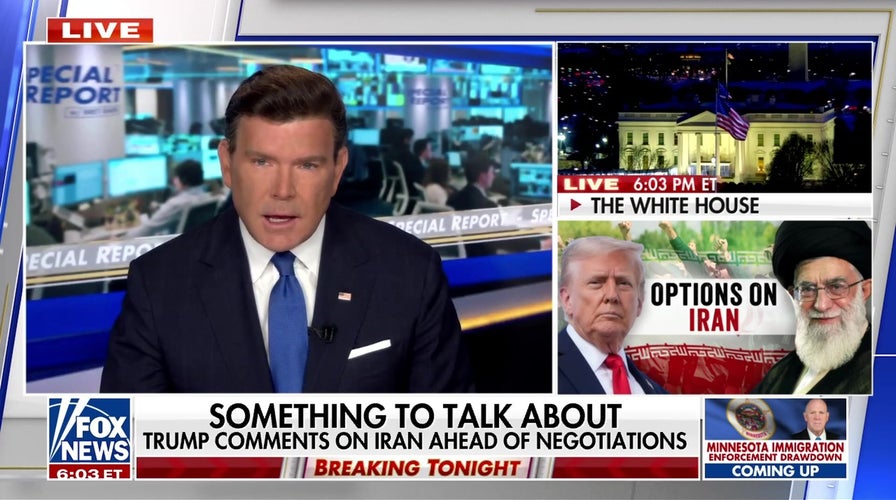
The Trump administration's hardline "zero enrichment" nuclear negotiation stance with Iran—as reported in February 2026 talks mediated by Oman with special envoy Steve Witkoff demanding Iran eliminate all uranium enrichment capability—represents a critical inflection point for cross-border e-commerce sellers operating in or trading with Middle Eastern markets. While the news focuses on nuclear diplomacy, the underlying geopolitical escalation directly impacts three core seller operational areas: sanctions regime uncertainty, payment processor restrictions, and logistics routing complexity.
Sanctions Regime Volatility Creates Compliance Risk: The negotiations' failure to reach agreement increases probability of expanded US sanctions against Iran, which historically cascade to secondary sanctions affecting third-party payment processors, shipping carriers, and financial institutions. Sellers currently accepting payments through PayPal, Stripe, or international wire transfers face potential account restrictions if they have any transaction history with Iran-connected entities. The "zero enrichment" demand signals the Trump administration's willingness to maintain maximum pressure, suggesting sanctions will likely expand rather than ease. Sellers with inventory in transit through Persian Gulf shipping lanes (Strait of Hormuz) face 15-30 day routing delays if tensions escalate to military action, as occurred during 2019-2020 tanker incidents.
Market Access Compression for Middle East Sellers: The escalating US-Iran tensions create a bifurcated market dynamic. Sellers based in US/EU face increasing compliance complexity for any Middle East operations, while sellers based in Turkey, UAE, and Oman (mentioned as negotiation mediators) gain competitive advantage as neutral logistics hubs. The news reports Turkey offering mediation services and Oman hosting talks—signaling these countries' positioning as sanctions-compliant trade corridors. Sellers should anticipate 20-40% margin compression on Middle East shipments due to alternative routing costs, insurance premiums for high-risk zones, and payment processing fees (3-5% additional) through non-US payment gateways.
Immediate Operational Implications: The February 2026 negotiations timeline and Trump's May statements about "total obliteration" of Iranian nuclear sites indicate military action remains a credible risk scenario. Sellers with inventory in Iran, Iraq, or UAE warehouses should implement 30-day inventory rotation protocols and diversify payment processors to non-US entities (Wise, 2Checkout, Adyen) to mitigate account freezes. The news indicates negotiations are ongoing but adversarial, suggesting 6-12 month window before potential military escalation or comprehensive sanctions expansion.
Questions 7
What is the timeline for potential sanctions expansion based on current negotiations?
The news reports February 2026 negotiations with Trump's May statements about military readiness, indicating 6-12 month window before potential escalation. Historical patterns show US sanctions typically expand 60-90 days after failed negotiations. If current talks collapse (indicated by adversarial "zero enrichment" demand), sellers should expect sanctions expansion announcement within Q3 2026. Secondary sanctions affecting payment processors typically take effect 30-60 days after announcement. Sellers have 120-180 day window to restructure operations before maximum impact. Immediate actions: audit compliance status, diversify payment processors, and pre-position inventory in neutral hubs by Q2 2026.
How much do alternative payment processors cost compared to Stripe or PayPal?
Standard US processors (Stripe, PayPal) charge 2.2-2.9% + $0.30 per transaction for cross-border payments. Alternative processors serving high-risk markets charge 3.5-4.5% + $0.50 per transaction, representing 1.3-1.6% margin compression. Wise (formerly TransferWise) charges 0.5-1.5% for international transfers but requires 3-5 day settlement versus 1-2 days for Stripe. Adyen charges 2.5-3.5% but offers better Iran-adjacent market coverage. For sellers processing $50,000/month in Middle East transactions, switching to alternative processors costs $650-800 additional monthly. However, this cost is offset by avoiding account freezes (which eliminate all revenue) and compliance penalties ($250,000+ per violation).