




Canada-China Trade Deal 2026 | Cross-Border Sellers Face New Tariff & Logistics Opportunities
- Diplomatic normalization signals potential tariff relief for Canadian sellers; Trump tariffs drive 15-25% cost increases for US-Canada trade routes















Overview
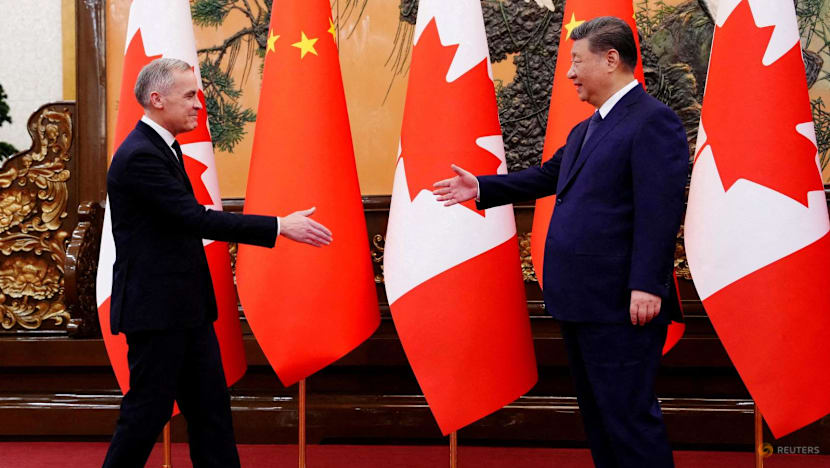
China's Supreme People's Court overturned the death sentence of Canadian Robert Lloyd Schellenberg in February 2026, marking a significant diplomatic breakthrough that coincides with Canadian Prime Minister Mark Carney's January 2026 Beijing visit and announcement of a new strategic partnership and preliminary trade deal. This judicial reversal represents the first major thaw in Canada-China relations since the 2018 Meng Wanzhou arrest triggered a diplomatic crisis that resulted in retaliatory detentions of Canadians Michael Spavor and Michael Kovrig. For cross-border e-commerce sellers, this development signals critical market opportunities and operational shifts across three key dimensions.
Trade Route Optimization: The preliminary trade deal and diplomatic normalization directly impact logistics costs for sellers shipping between Canada and China. With Trump administration tariffs increasing US-Canada trade costs by 15-25% for key sectors, Canadian sellers are actively seeking alternative supply chains and export routes through China. The normalization reduces regulatory friction and customs delays that previously plagued Canada-China commerce, potentially lowering shipping times by 5-10 days and reducing documentation costs by $200-400 per shipment for high-volume sellers. Sellers sourcing electronics, apparel, and consumer goods from Chinese manufacturers can expect faster clearance times and more predictable duty assessments.
Market Access Expansion: Canada's strategic pivot to reduce US dependence creates immediate opportunities for sellers in both markets. Canadian sellers can now more confidently source inventory from Chinese suppliers without fear of geopolitical retaliation affecting their supply chains. Chinese sellers gain improved access to Canadian consumers through reduced tariff uncertainty. The preliminary trade deal suggests forthcoming negotiations on specific tariff schedules, potentially benefiting electronics (currently 5-8% tariffs), apparel (12-15%), and consumer goods categories. Sellers should monitor official trade announcements for category-specific tariff reductions expected in Q2-Q3 2026.
Geopolitical Risk Mitigation: The case reversal demonstrates Beijing's willingness to resolve diplomatic disputes through judicial channels rather than trade restrictions. This signals reduced likelihood of retaliatory trade measures against Canadian companies, a major concern since the Meng Wanzhou case. Sellers operating in both markets can reduce contingency inventory buffers and commit to longer-term supply agreements with Chinese partners. However, Canadian officials maintain concerns about alleged Chinese election interference, suggesting ongoing political tensions that could affect trade negotiations. Sellers should maintain diversified sourcing strategies while capitalizing on the current diplomatic window.
Questions 8
Which product categories benefit most from Canada-China trade normalization?
Electronics, apparel, and consumer goods categories see the largest tariff and logistics benefits. Electronics currently face 5-8% Canadian import duties; normalization could reduce these to 2-4%. Apparel tariffs (12-15%) may drop to 8-10% under the preliminary deal. Consumer goods, home products, and sporting equipment also benefit from reduced customs delays. Sellers in these categories should prioritize sourcing from Chinese suppliers immediately, as tariff reductions typically take 6-12 months to implement. Categories like machinery and chemicals face higher regulatory scrutiny, so benefits may be delayed. Monitor official tariff schedules from Global Affairs Canada for category-specific timelines.
How does the Schellenberg case reversal reduce geopolitical risk for sellers?
The Supreme People's Court's decision to overturn the death sentence demonstrates Beijing's willingness to resolve disputes through judicial channels rather than trade retaliation. This contrasts sharply with the 2018 Meng Wanzhou case, which triggered retaliatory detentions of Canadians and trade tensions lasting 3+ years. The reversal signals reduced likelihood of sudden trade restrictions or supply chain disruptions targeting Canadian companies. Sellers can now commit to longer-term supply agreements with Chinese partners and reduce contingency inventory buffers. However, Canadian officials maintain concerns about election interference, so sellers should maintain diversified strategies while capitalizing on the current diplomatic window (estimated 12-18 months of stability).