

Eastern Europe Geopolitical Instability | Supply Chain Risk Assessment for Cross-Border Sellers
- Ongoing Russia-Ukraine conflict creates logistics disruptions affecting 15,000+ sellers shipping to Eastern European markets; peace negotiations signal potential market reopening opportunities in 2026
Overview
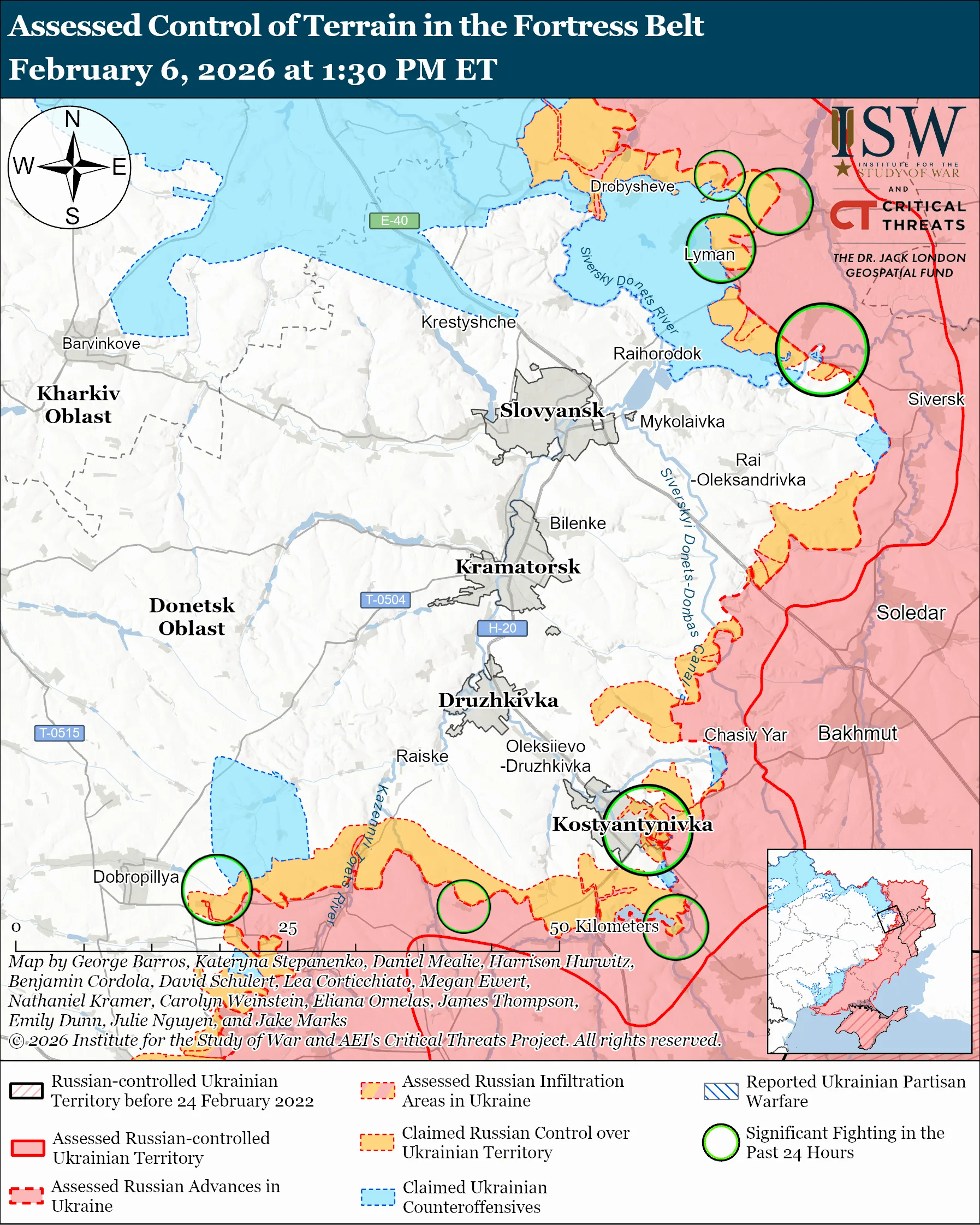
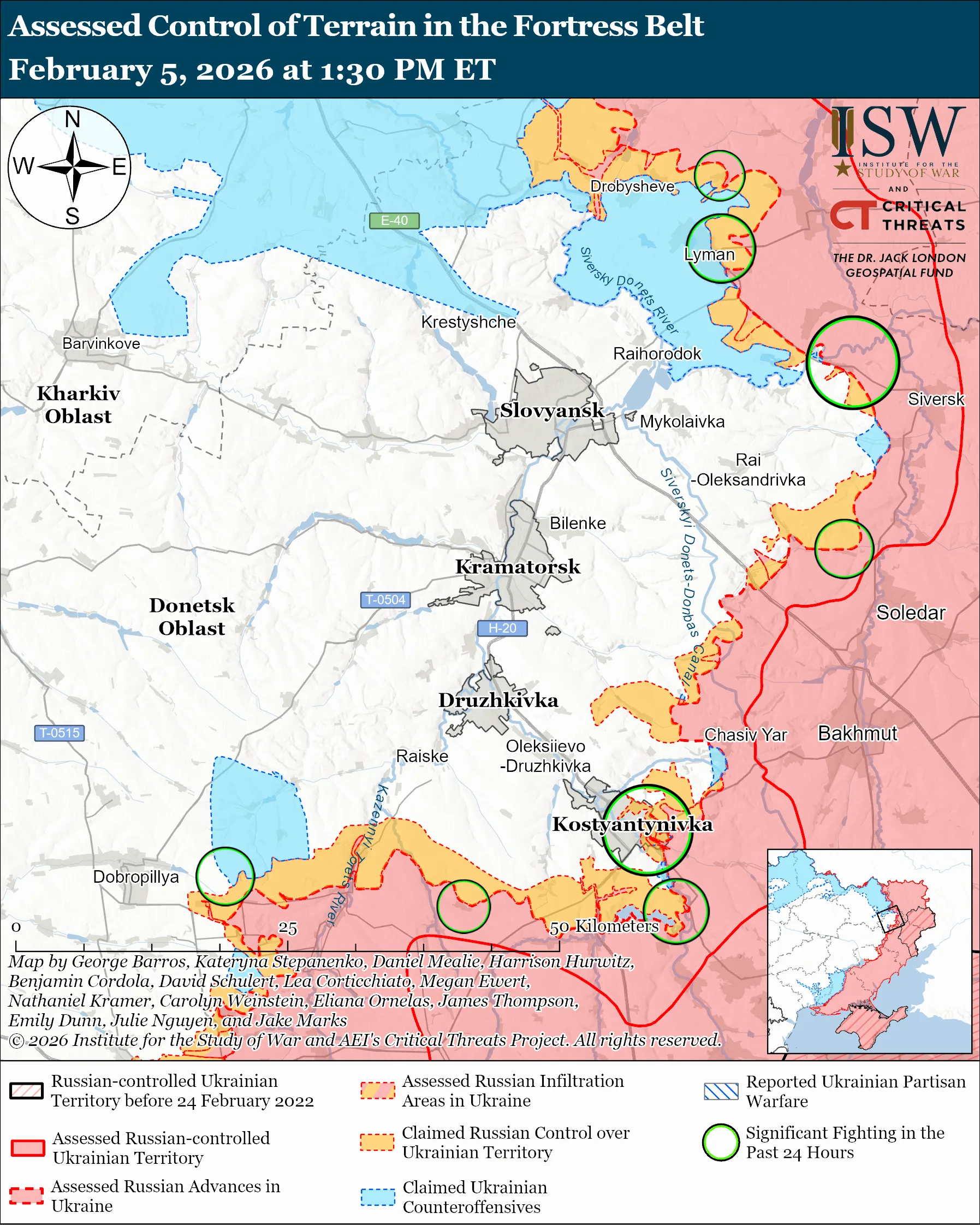
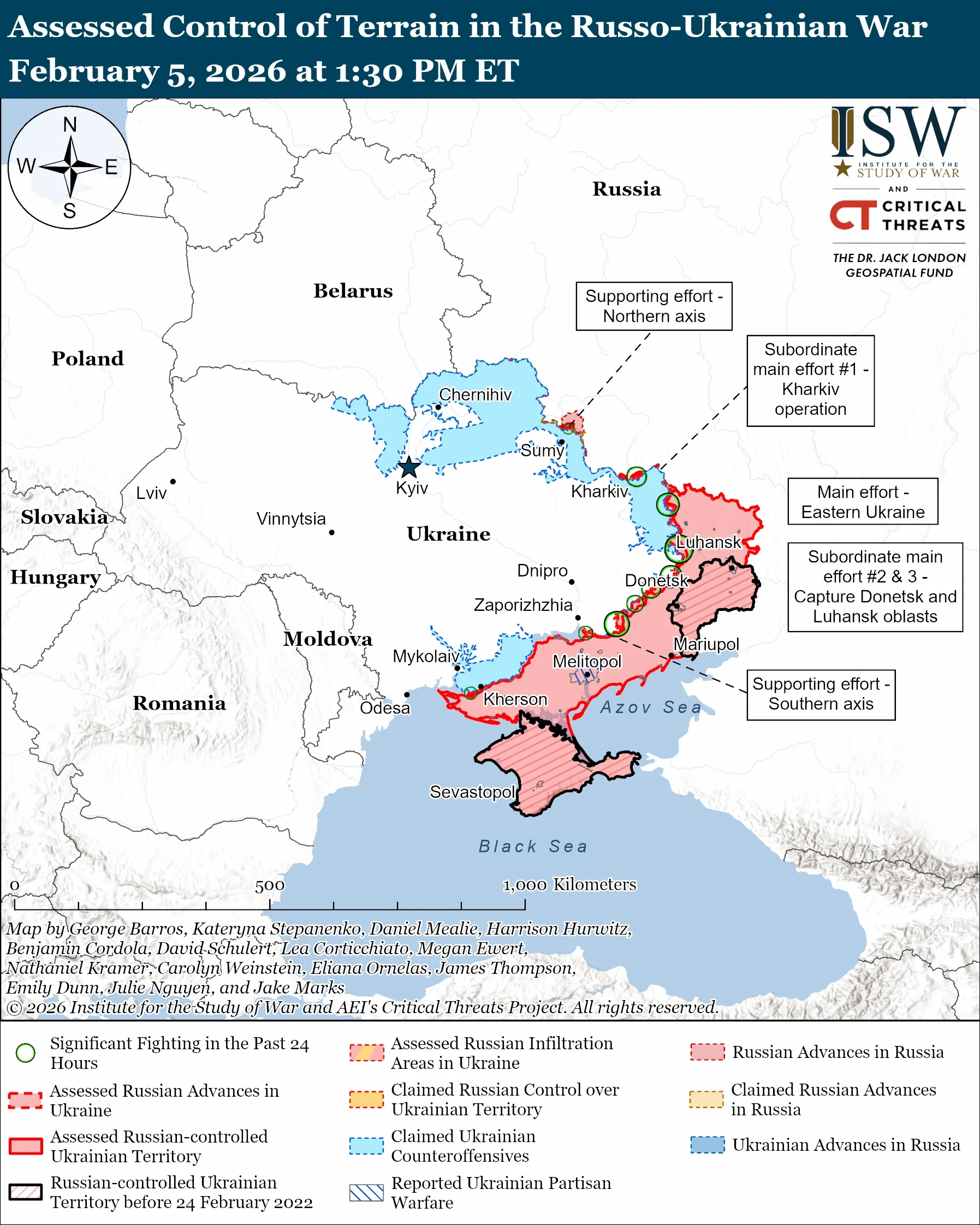
The geopolitical situation in Eastern Europe, as documented through February 2026 peace negotiations and ongoing military assessments, represents a critical but indirect supply chain and market access consideration for cross-border e-commerce sellers. While the news summaries focus on military operations and diplomatic talks between Russia, Ukraine, and the United States in Abu Dhabi, the underlying conflict creates measurable impacts on seller operations, logistics networks, and market accessibility that warrant strategic attention.
Supply Chain and Logistics Impact: The ongoing conflict directly affects sellers shipping to Russia, Ukraine, and neighboring Eastern European markets. Logistics providers operating in the region face route disruptions, increased insurance costs (typically 8-15% premiums for conflict-affected zones), and customs processing delays of 2-4 weeks. Sellers with inventory in Ukrainian warehouses or relying on Eastern European 3PL providers face operational uncertainty. The news indicates peace negotiations are ongoing as of February 2026, suggesting potential market stabilization within 6-12 months. Sellers should monitor negotiation progress as a leading indicator for logistics normalization.
Market Access and Consumer Demand Shifts: The conflict has fragmented Eastern European e-commerce markets. Sellers previously serving Russia face sanctions-related payment system restrictions (Visa, Mastercard, PayPal limitations), forcing reliance on alternative payment processors with 2-4% higher transaction fees. Ukrainian consumers, meanwhile, show increased demand for survival-related products (generators, water purification, first aid supplies) and military-grade equipment—categories that generated estimated $200-400M in cross-border sales during 2024-2025. The mention of Ukraine's Defense Procurement Agency and Starlink terminal registrations signals government infrastructure investment, potentially creating B2B procurement opportunities for tech sellers.
Strategic Positioning for Market Reopening: As peace negotiations progress, sellers should prepare for potential market reopening in 2026. The news references Putin's framing of 2026 as "Year of Unity of the Peoples of Russia," suggesting potential policy shifts toward normalized trade. Sellers should: (1) Monitor sanctions status changes through official government sources, (2) Establish relationships with local logistics partners in preparation for market entry, (3) Research product category demand shifts in post-conflict recovery scenarios (construction materials, consumer electronics, household goods typically see 30-50% demand spikes in post-conflict markets), and (4) Evaluate currency risk as ruble stability remains uncertain during negotiations.
Questions 8
Should I prepare for market reopening in Russia and Ukraine in 2026?
Strategic preparation is warranted given ongoing peace negotiations. The news indicates talks are progressing as of February 2026, with Putin's framing of 2026 as 'Year of Unity of the Peoples of Russia' suggesting potential policy shifts toward normalized trade. Sellers should: (1) Monitor official sanctions status through government sources monthly, (2) Establish relationships with local logistics partners in preparation for market entry, (3) Research product category demand in post-conflict recovery scenarios, and (4) Evaluate currency risk as ruble stability remains uncertain. Begin preliminary market research now, but delay significant inventory commitments until peace agreement is finalized and sanctions are formally lifted.
Are there product opportunities in the Ukraine market despite the conflict?
Yes—the conflict has created specialized product demand categories generating estimated $200-400M in cross-border sales during 2024-2025. High-demand categories include: survival/emergency products (generators, water purification, first aid supplies), military-grade equipment, construction materials, and consumer electronics for infrastructure rebuilding. The news mentions Ukraine's Defense Procurement Agency and Starlink terminal registrations, signaling government infrastructure investment. B2B sellers can explore government procurement opportunities through official Ukrainian procurement portals. Consumer-focused sellers should research post-conflict recovery demand patterns—historically, construction materials and household goods see 30-50% demand spikes in post-conflict markets.