




Nipah & PRV Virus Outbreak South Asia 2026 | Supply Chain Risk for Agricultural Sellers
- WHO confirms fatal Nipah case in Bangladesh; emerging PRV virus detected; airport screenings expand across Malaysia, Thailand, Indonesia, Pakistan; agricultural product sellers face seasonal supply disruption risk December-April




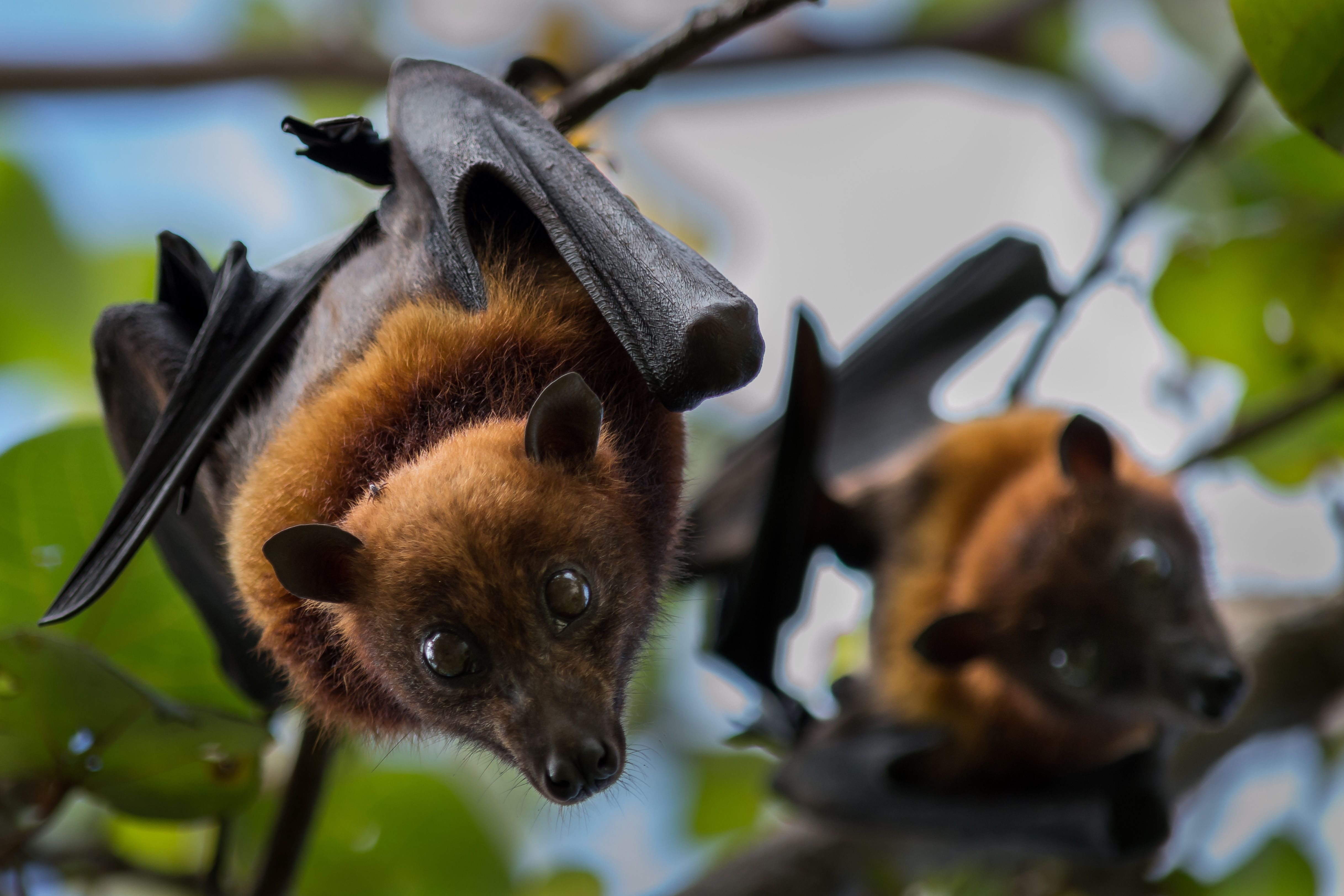
-hangs-on-the-branches-of-a-tree-at-a-garden-in-Amritsar.jpeg)






)
)






Overview
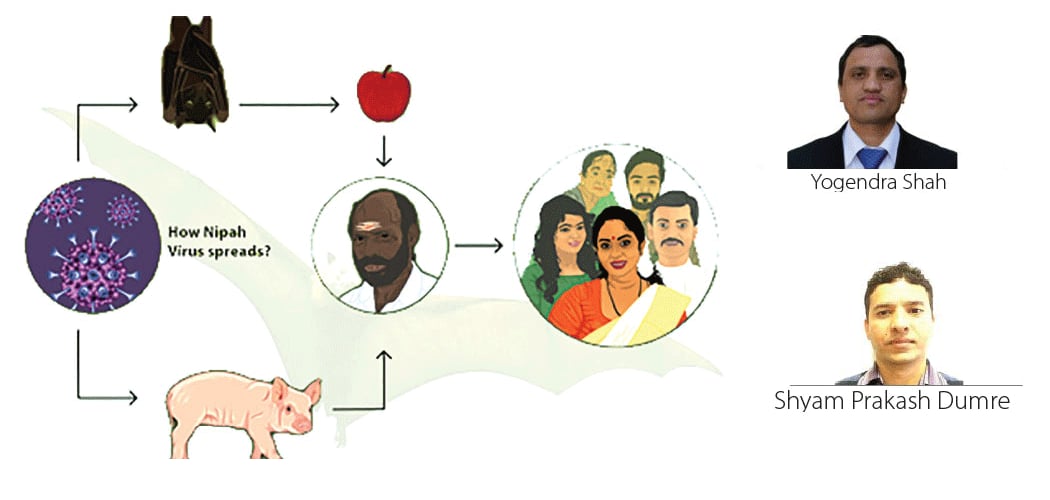
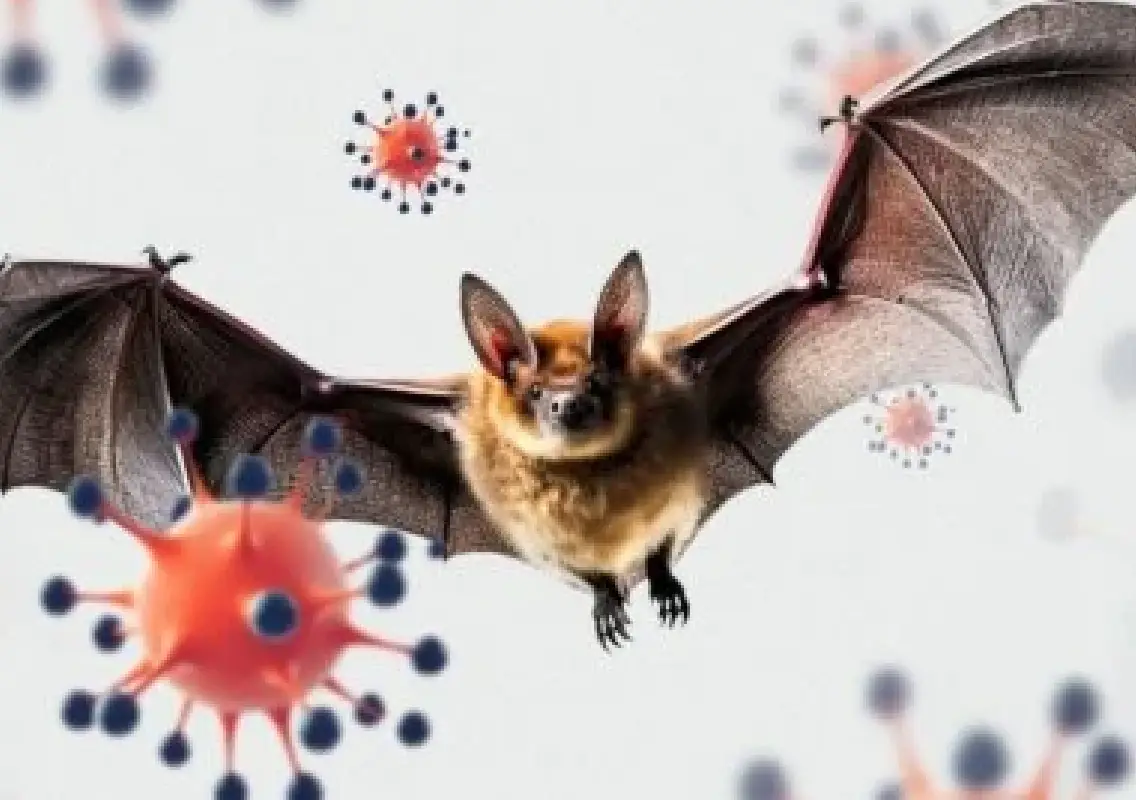
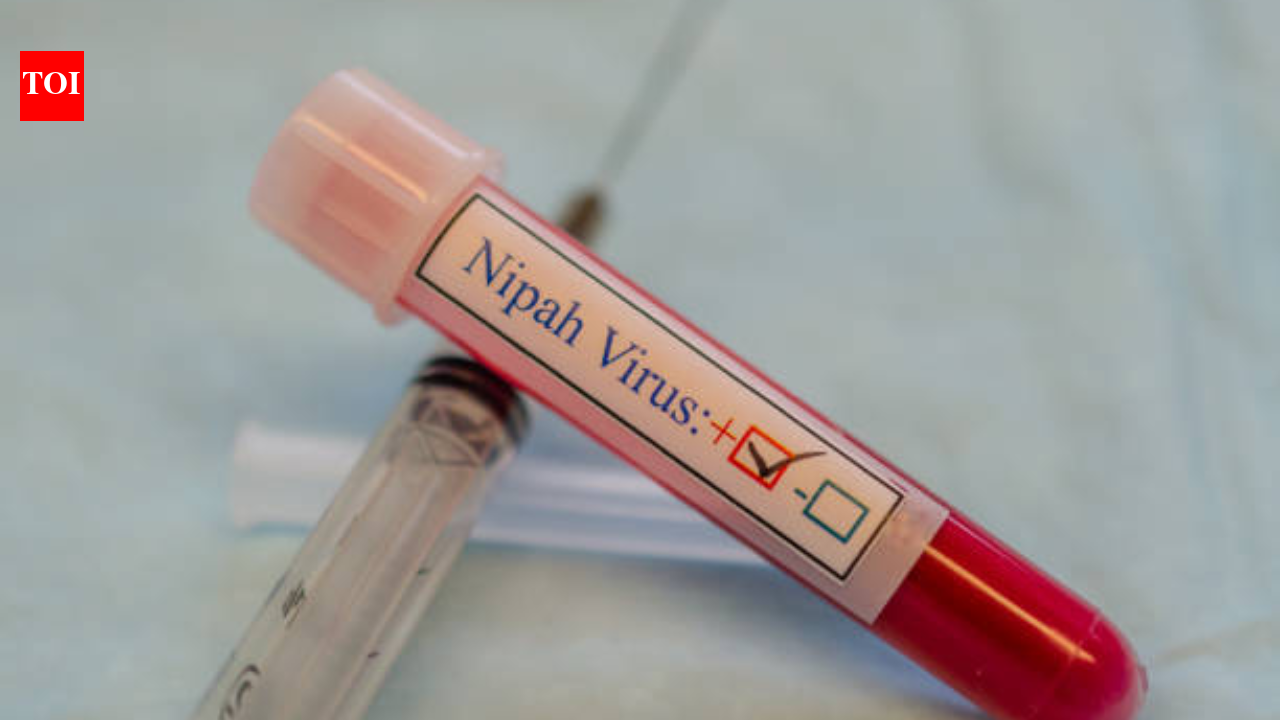
The February 2026 Nipah virus confirmation in Bangladesh and concurrent discovery of Pteropine orthoreovirus (PRV) in South Asia represents a critical supply chain monitoring event for cross-border e-commerce sellers sourcing agricultural products from the region. The WHO confirmed a fatal Nipah case on February 7, 2026, in a 40-50 year-old female from Naogaon district, Bangladesh, who consumed raw date palm sap—a known transmission vector. This follows two confirmed cases in West Bengal, India, one week prior. Bangladesh has reported approximately 348 Nipah cases since 2001, with roughly 50% linked to raw palm sap consumption. The fatality rate ranges 40-75%, with no licensed vaccines or antivirals available. Critically, researchers identified an emerging bat-borne virus, Pteropine orthoreovirus (PRV), in five patients between December 2022-March 2023, with genetic similarity to strains in Indonesia and Malaysia, indicating regional viral circulation patterns.
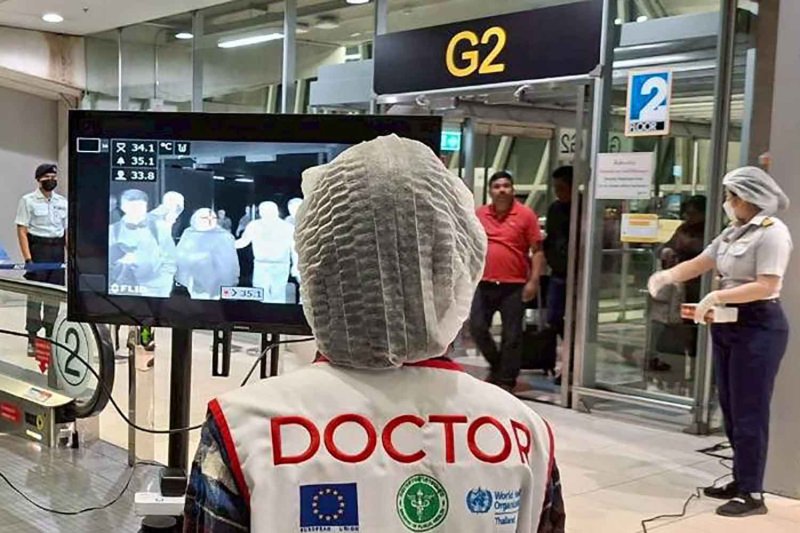
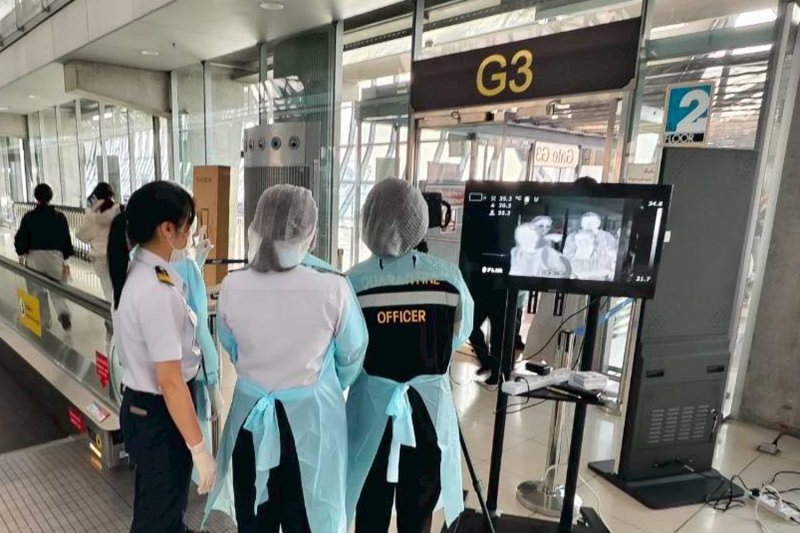
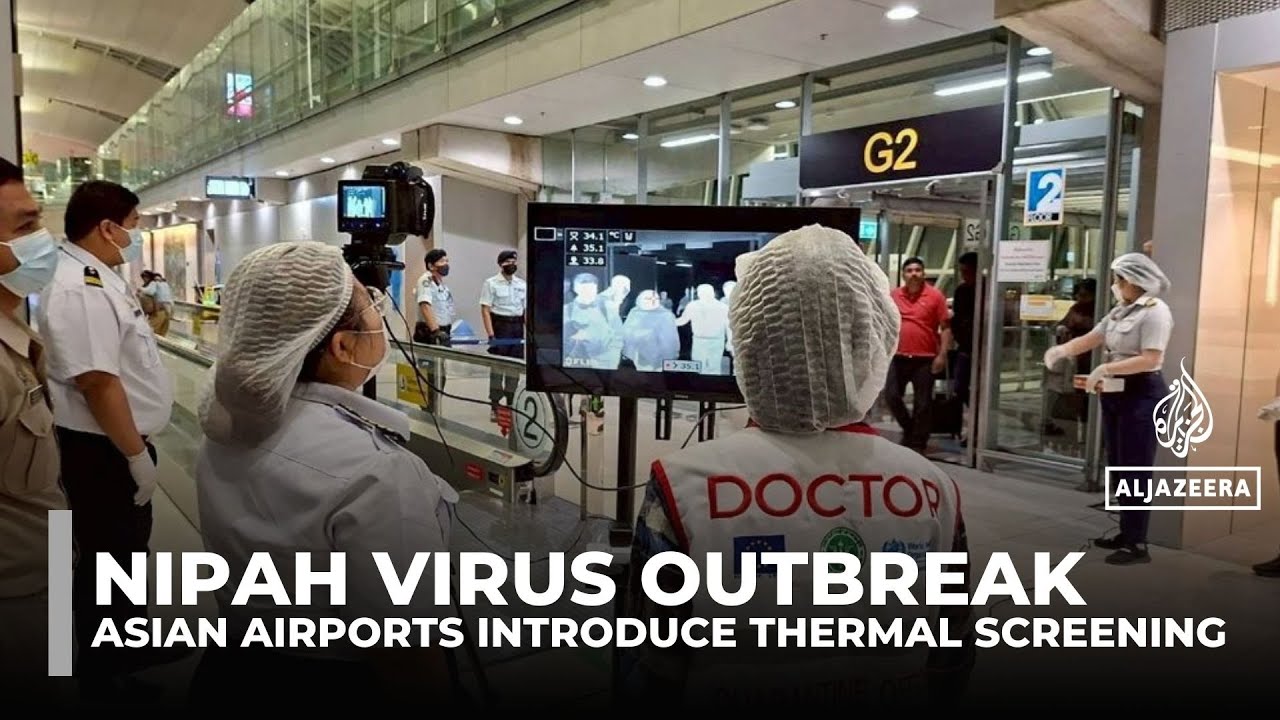
For cross-border sellers, the operational impact centers on agricultural product sourcing and logistics timing. While WHO explicitly recommends no trade restrictions and assesses international spread risk as low, several Asian nations (Malaysia, Thailand, Indonesia, Pakistan) implemented airport temperature screenings, creating potential delays for shipments originating from affected regions. Sellers sourcing date palm products, tropical fruits, or other agricultural goods from Bangladesh, West Bengal, or neighboring areas should monitor seasonal outbreak patterns (December-April harvest periods) for potential supply chain disruptions. The discovery of PRV alongside Nipah suggests undetected viral circulation, which could trigger enhanced customs screening or product testing requirements if cases escalate. Bangladesh reports Nipah cases almost annually, with four confirmed fatal cases in 2025 alone, establishing this as a recurring seasonal risk rather than an isolated event.
Strategic implications for sellers include inventory planning adjustments and supplier diversification. Agricultural product sellers should: (1) Map supplier locations relative to Naogaon district and West Bengal to assess direct exposure; (2) Establish backup sourcing from unaffected regions (southern Bangladesh, other South Asian countries) to mitigate December-April supply gaps; (3) Monitor WHO and CDC surveillance updates for PRV/Nipah case clusters that could trigger regulatory responses; (4) Consider product certifications emphasizing hygiene/safety protocols to differentiate from potentially affected suppliers. The Financial Times analysis on pandemic preparedness limitations suggests that airport screening expansion, while visible, may create unpredictable delays rather than systematic blockages—requiring sellers to build 2-3 week buffer inventory during peak outbreak seasons. Sellers in specialty food, organic produce, and traditional medicine categories (which often source date palm sap derivatives) face highest exposure. The regional nature of the outbreak (Bangladesh, West Bengal, Indonesia, Malaysia) suggests Southeast Asian supply chains warrant heightened monitoring through Q1-Q2 2026.
Questions 8
Should I diversify my agricultural suppliers away from Bangladesh due to the Nipah outbreak?
Diversification is a prudent risk management strategy, not an immediate necessity. WHO explicitly recommends no trade restrictions and assesses international disease spread risk as low. However, Bangladesh reports Nipah cases almost annually (four confirmed fatal cases in 2025), establishing this as a recurring seasonal pattern. Consider maintaining 60-70% of sourcing from current Bangladesh suppliers while developing 30-40% backup capacity in southern Bangladesh or neighboring countries. This approach preserves cost advantages while mitigating December-April supply gaps. Map supplier locations relative to Naogaon district (outbreak epicenter) to assess direct exposure.
What is Pteropine orthoreovirus (PRV) and why should cross-border sellers care about it?
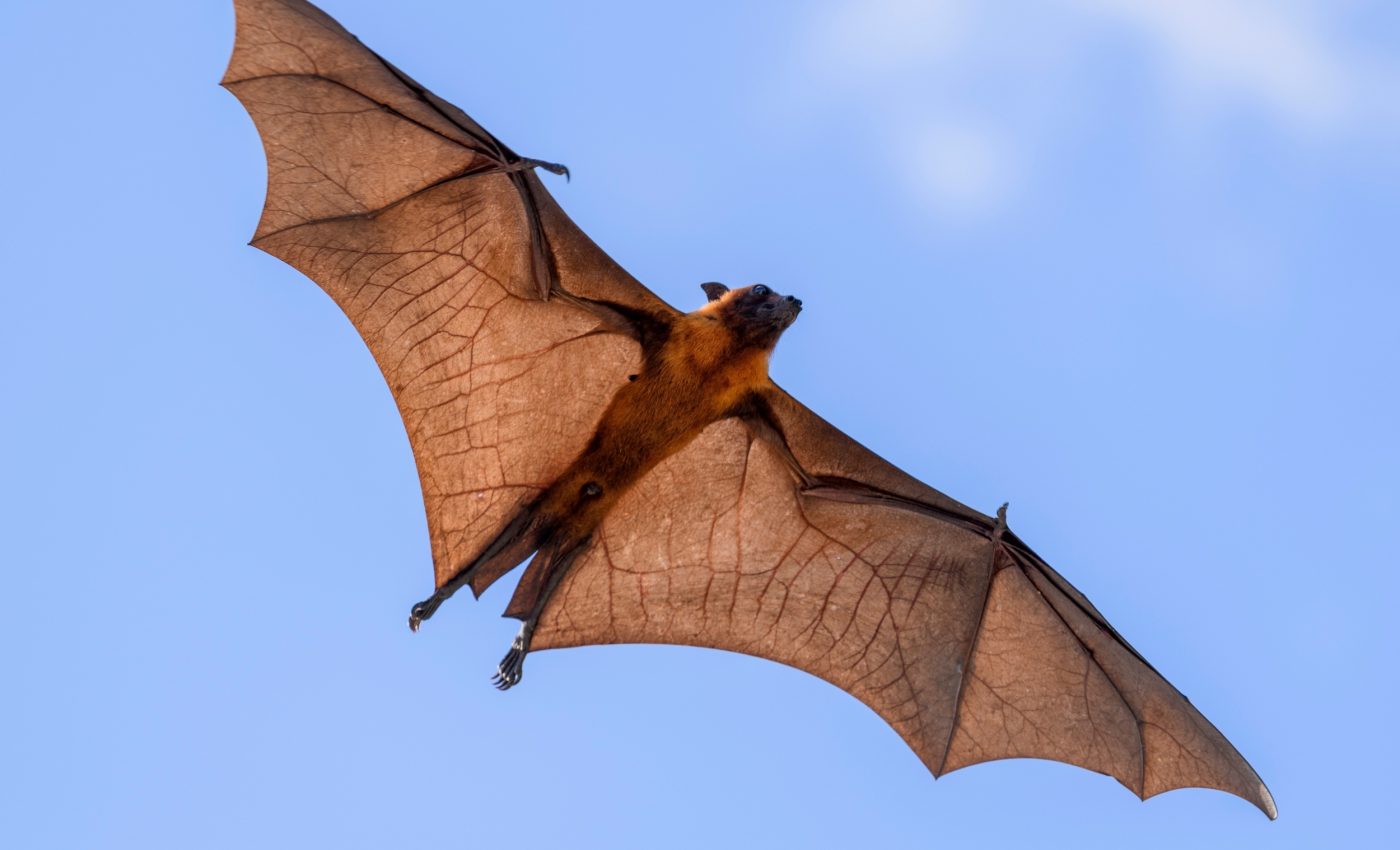
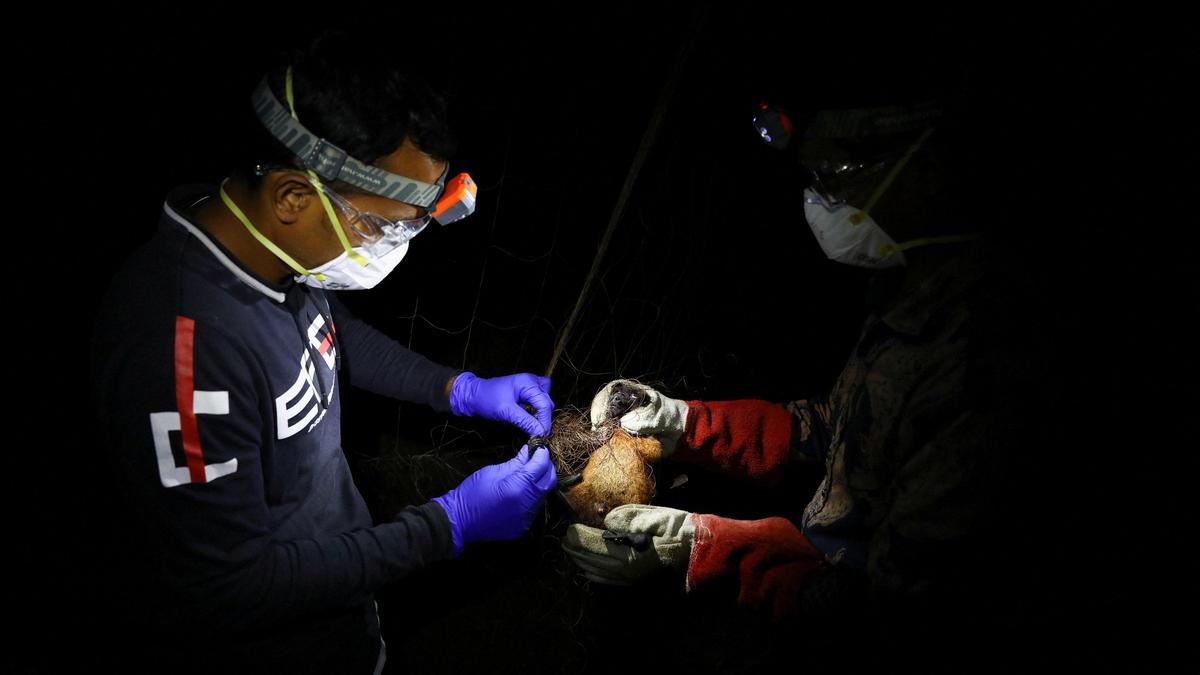
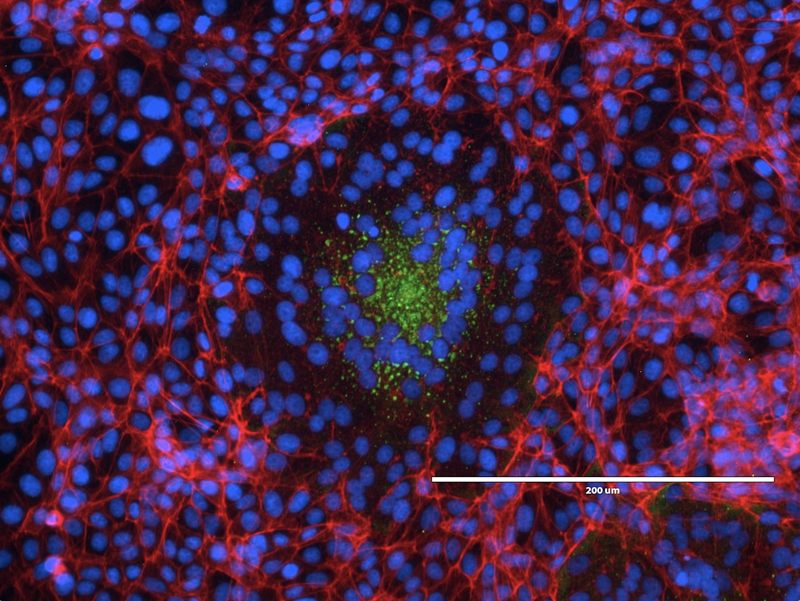
PRV is an emerging bat-borne virus identified in five patients in Bangladesh between December 2022-March 2023, with genetic similarity to strains in Indonesia and Malaysia. Researchers detected PRV in archived throat swabs using advanced sequencing technology, confirming human infection. The discovery indicates undetected viral circulation alongside Nipah in South Asia. For sellers, PRV's presence suggests potential for enhanced customs product testing or screening requirements if cases escalate. Monitor CDC and WHO surveillance updates for PRV case clusters that could trigger regulatory responses affecting agricultural product imports from affected regions.