


Pakistan Security Escalation Reshapes Cross-Border Trade Routes | Seller Logistics Impact
- 34% surge in terrorist attacks disrupts supply chains; sellers shipping to/from Pakistan face 2-4 week delays and increased insurance costs












Overview
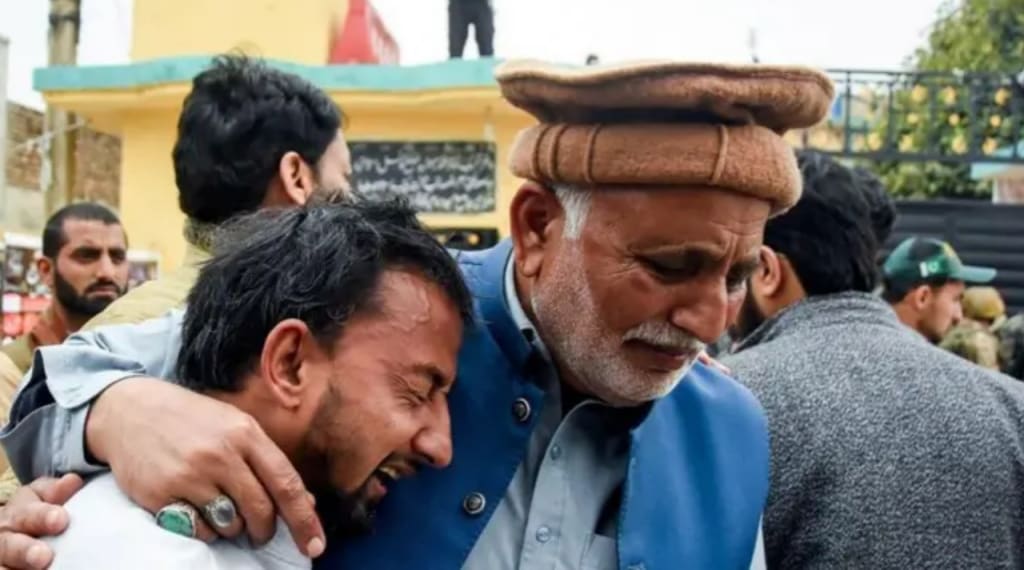
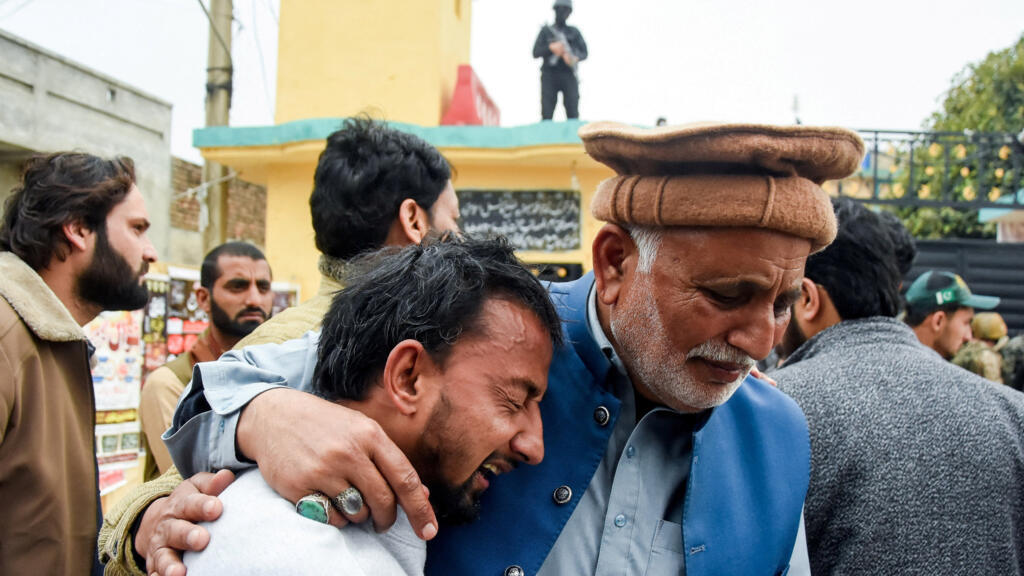
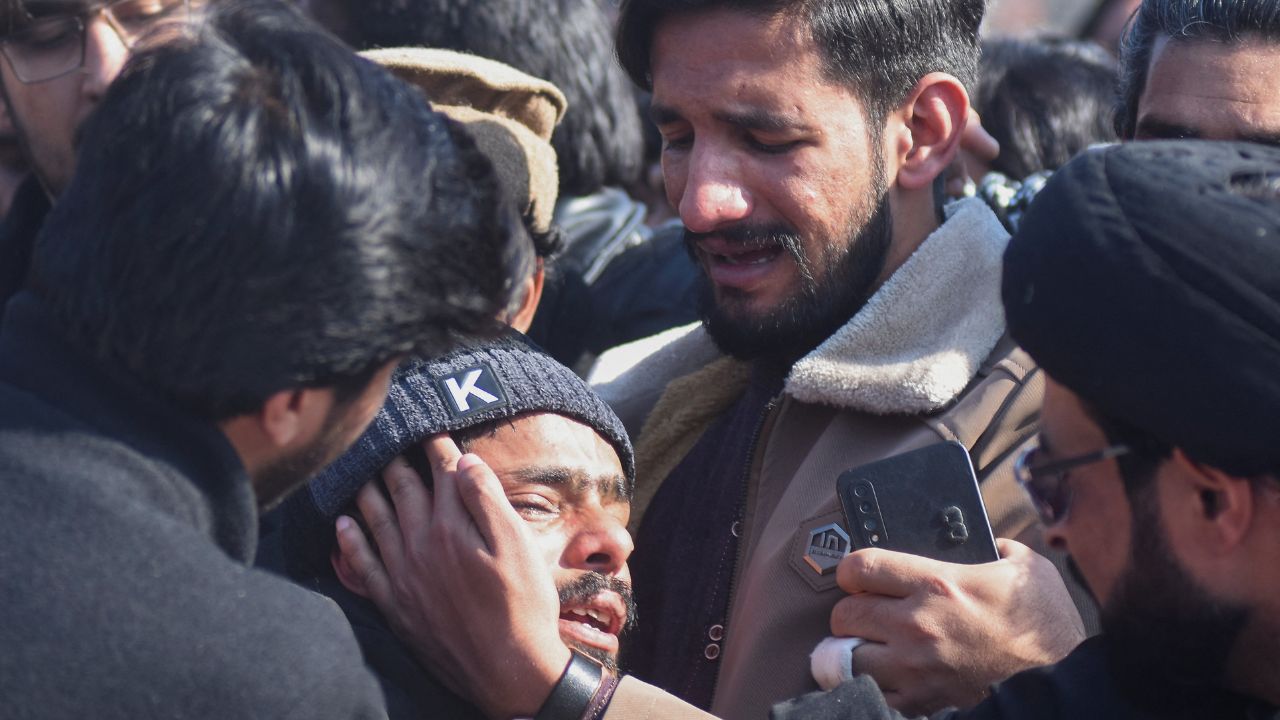
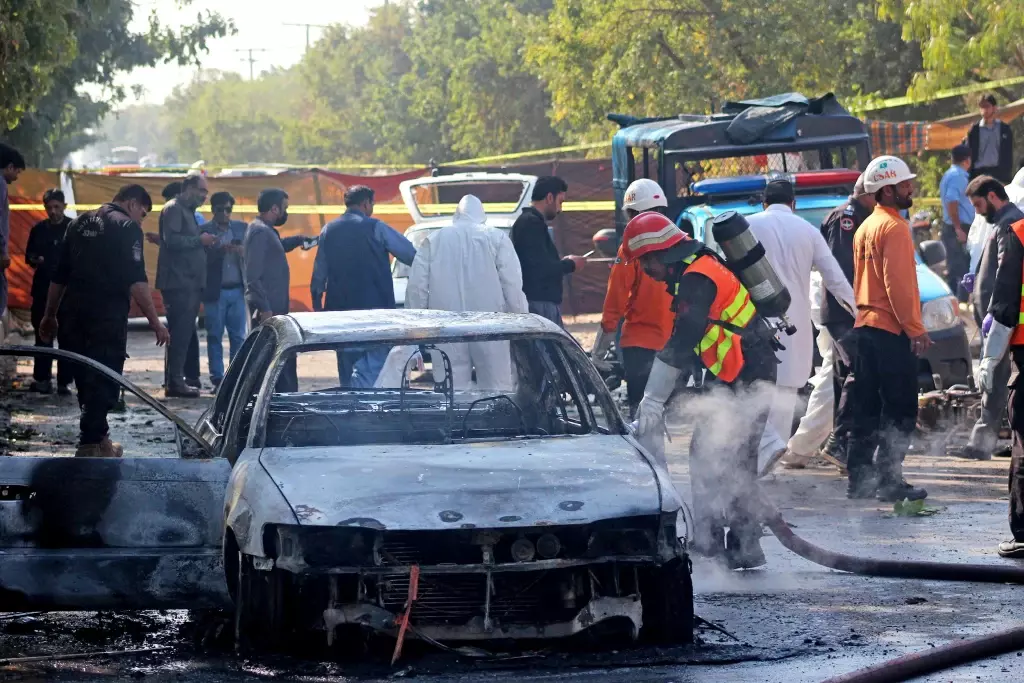
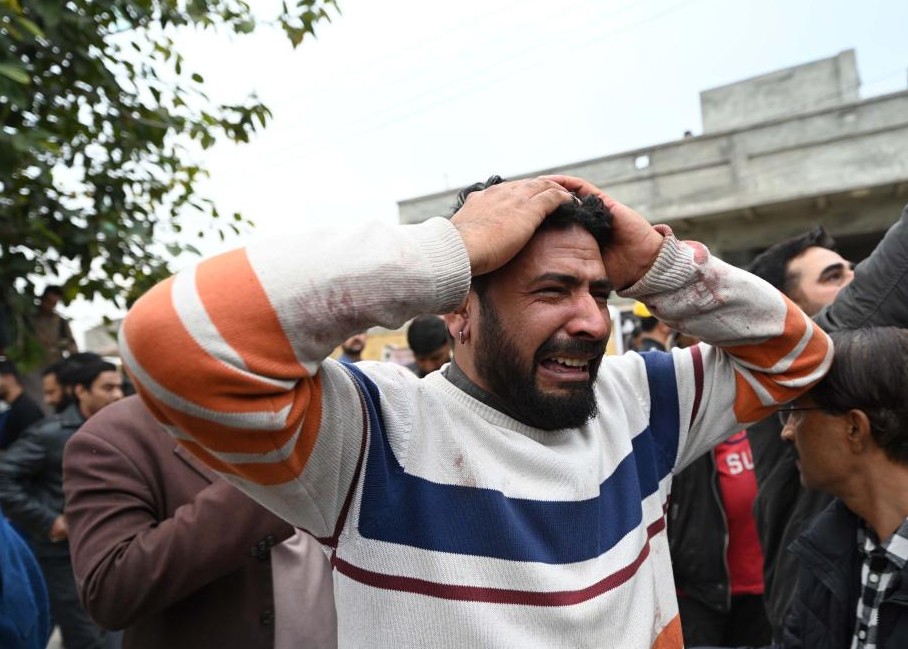
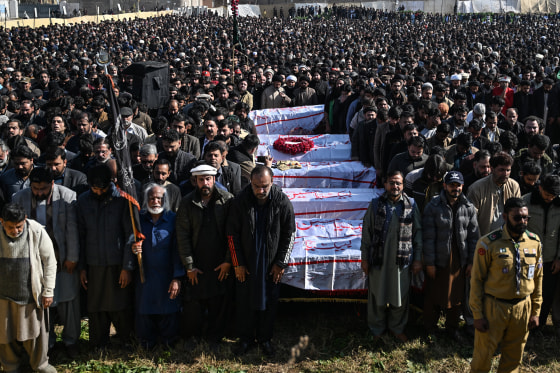
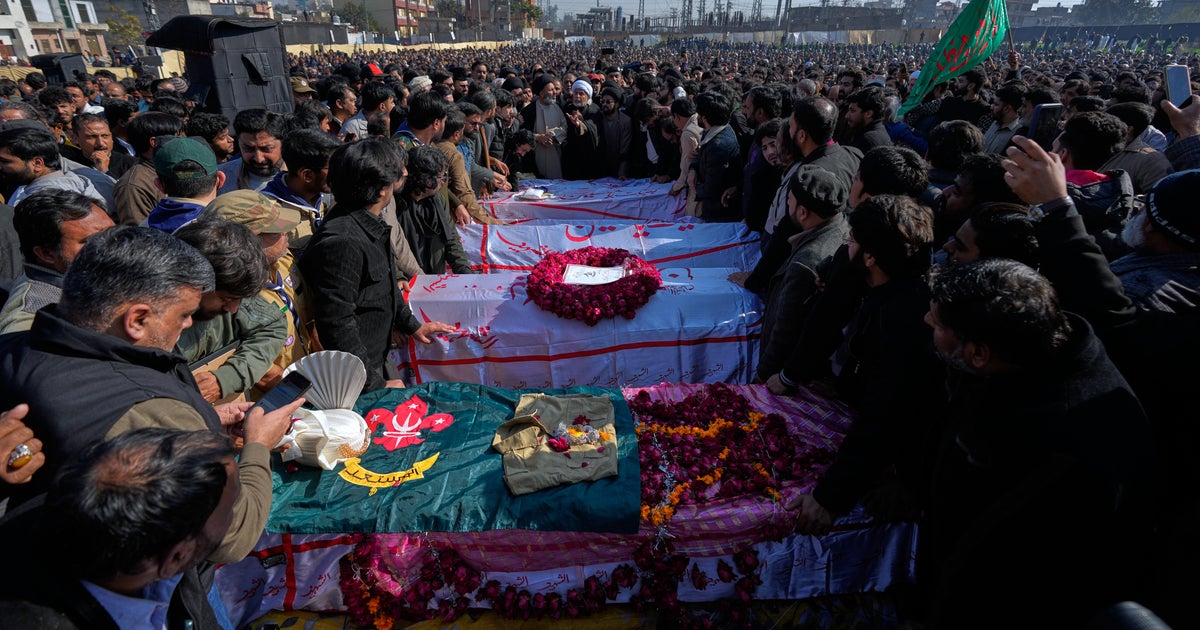
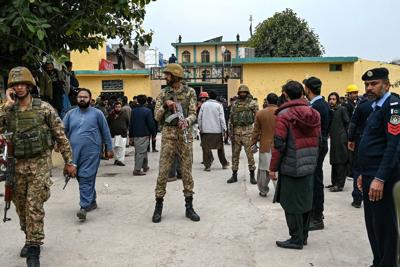
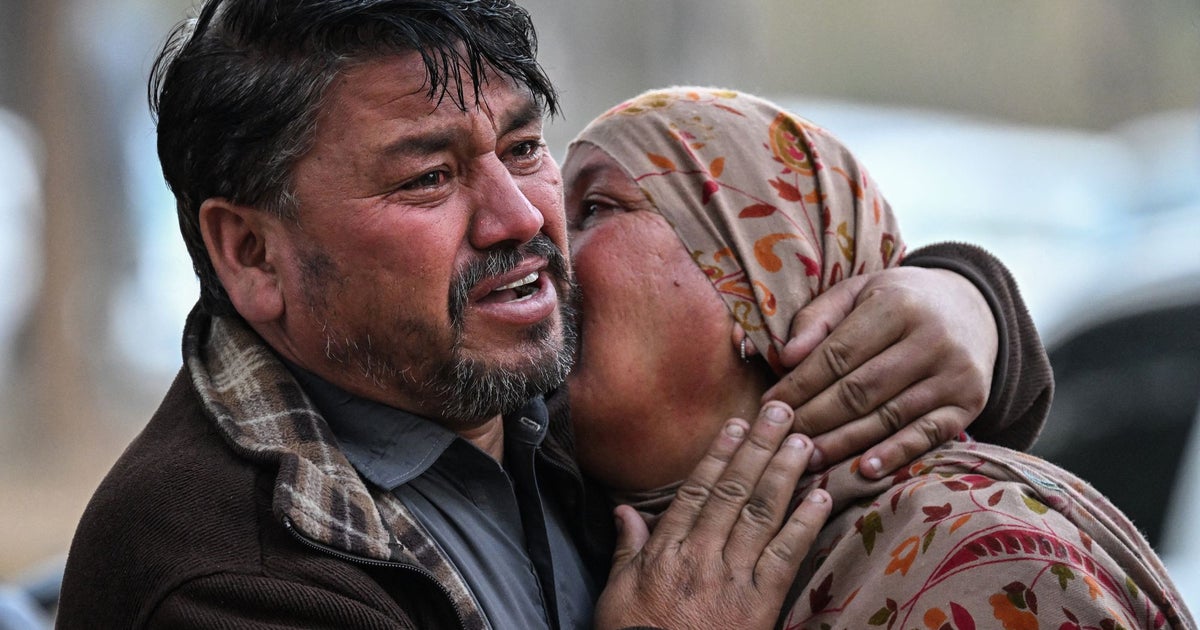
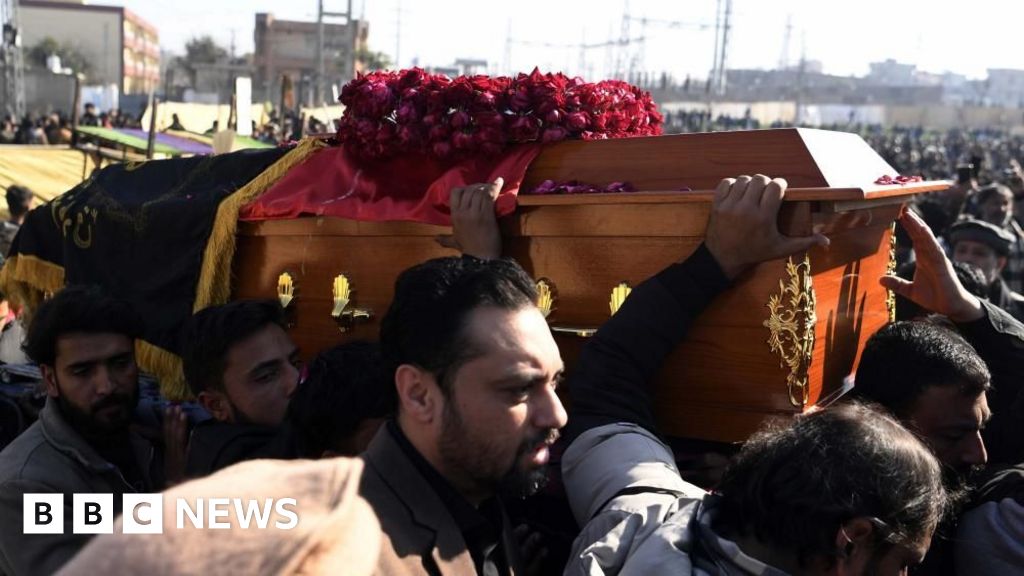
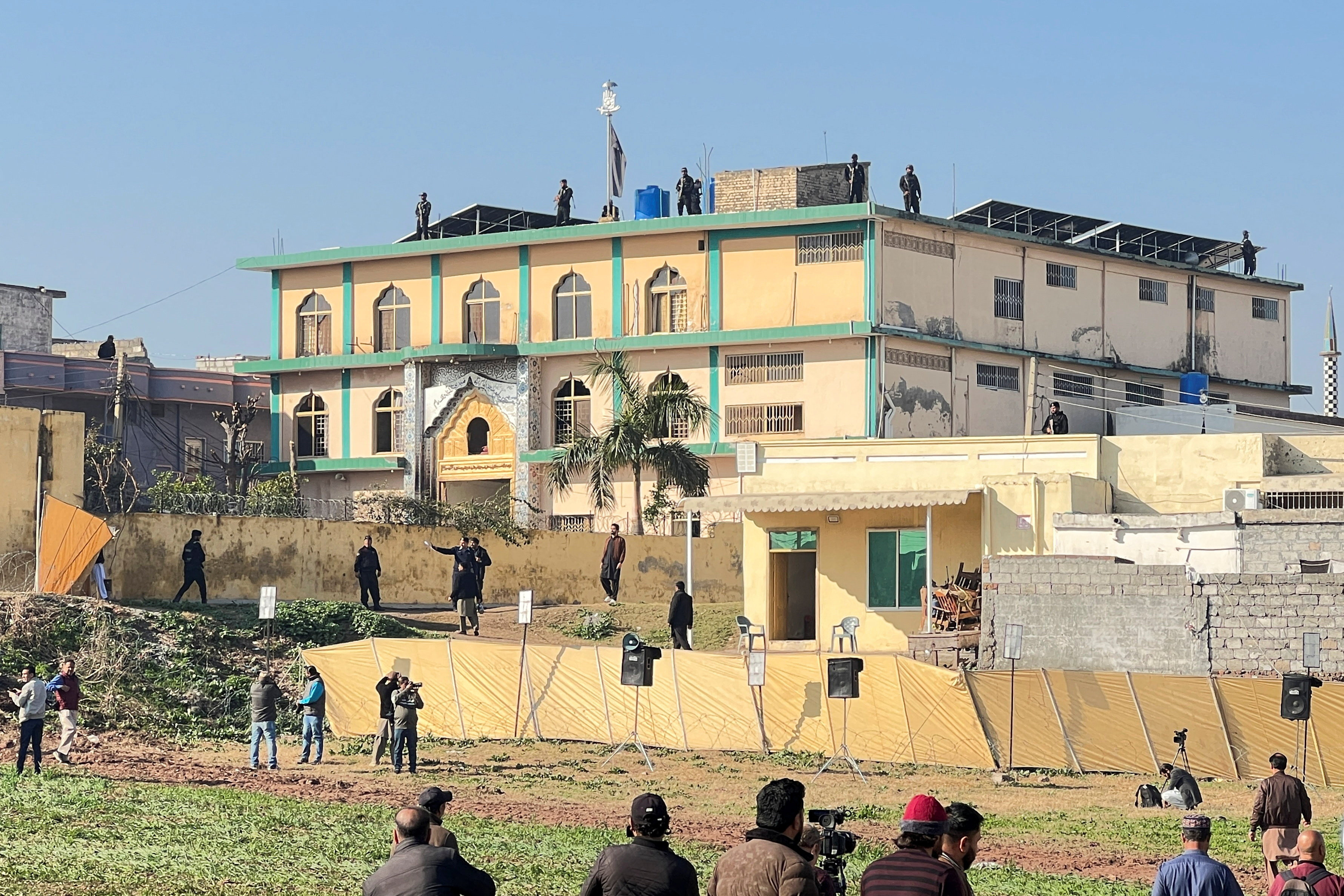
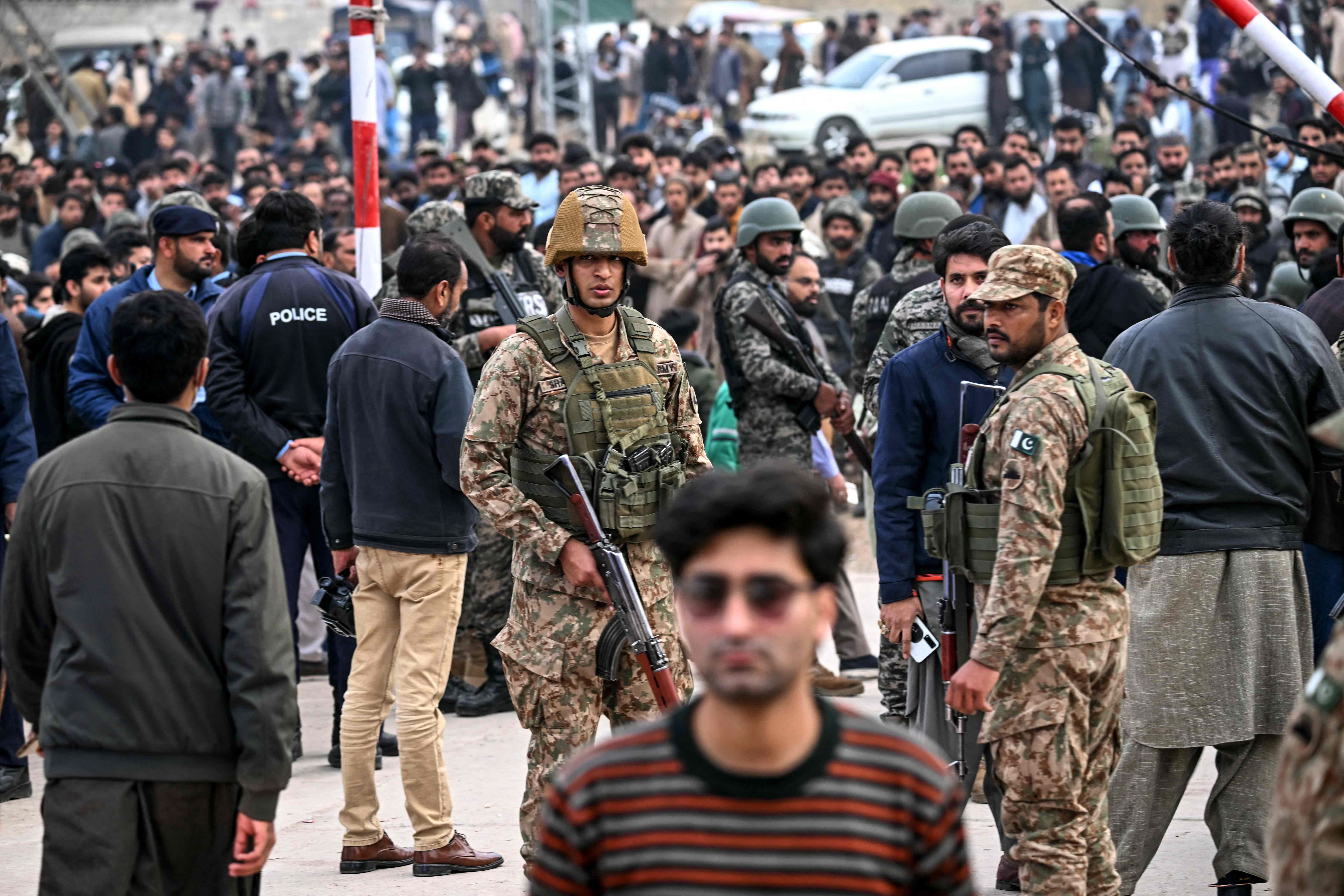
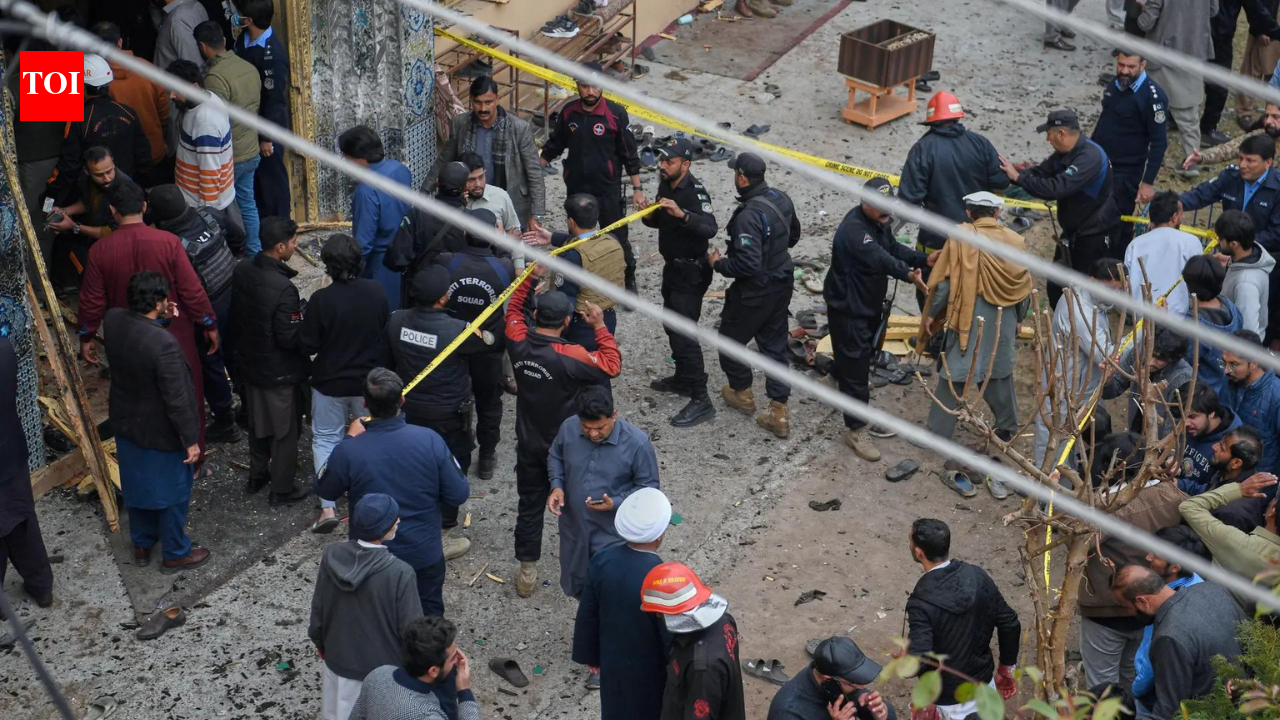
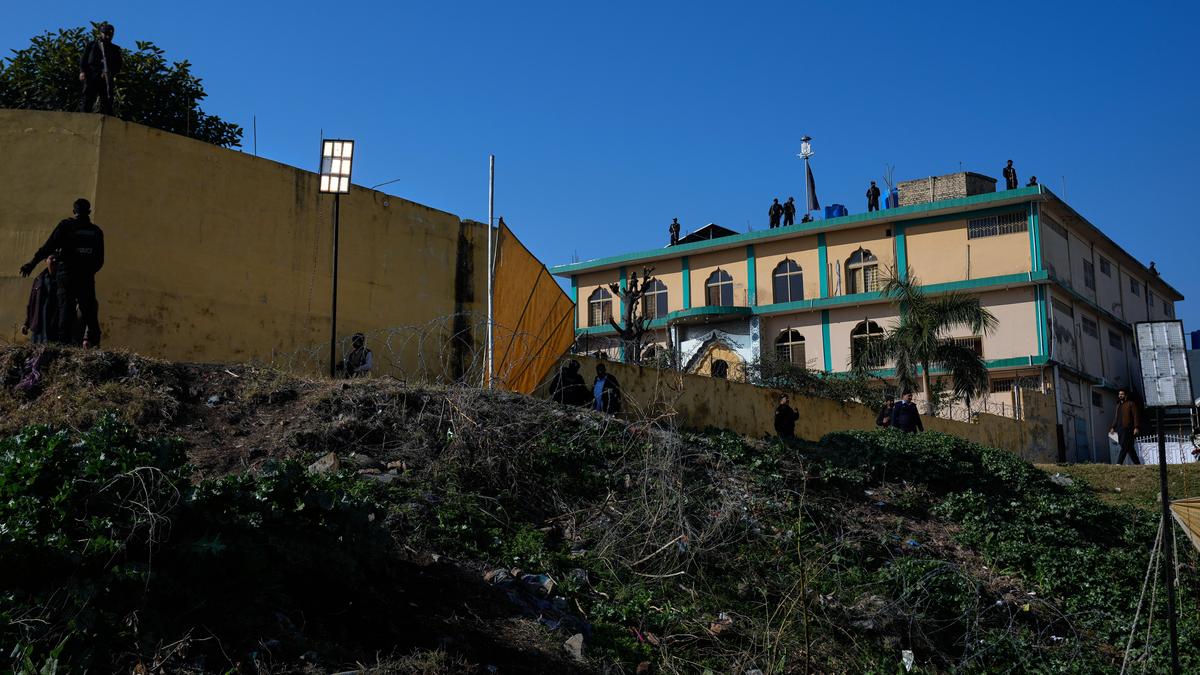
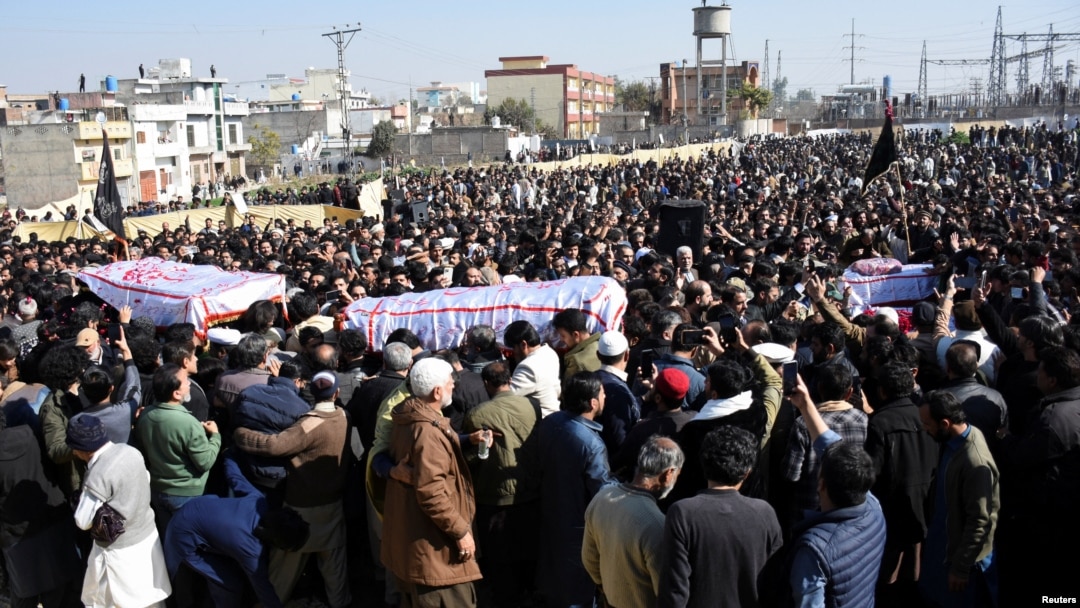
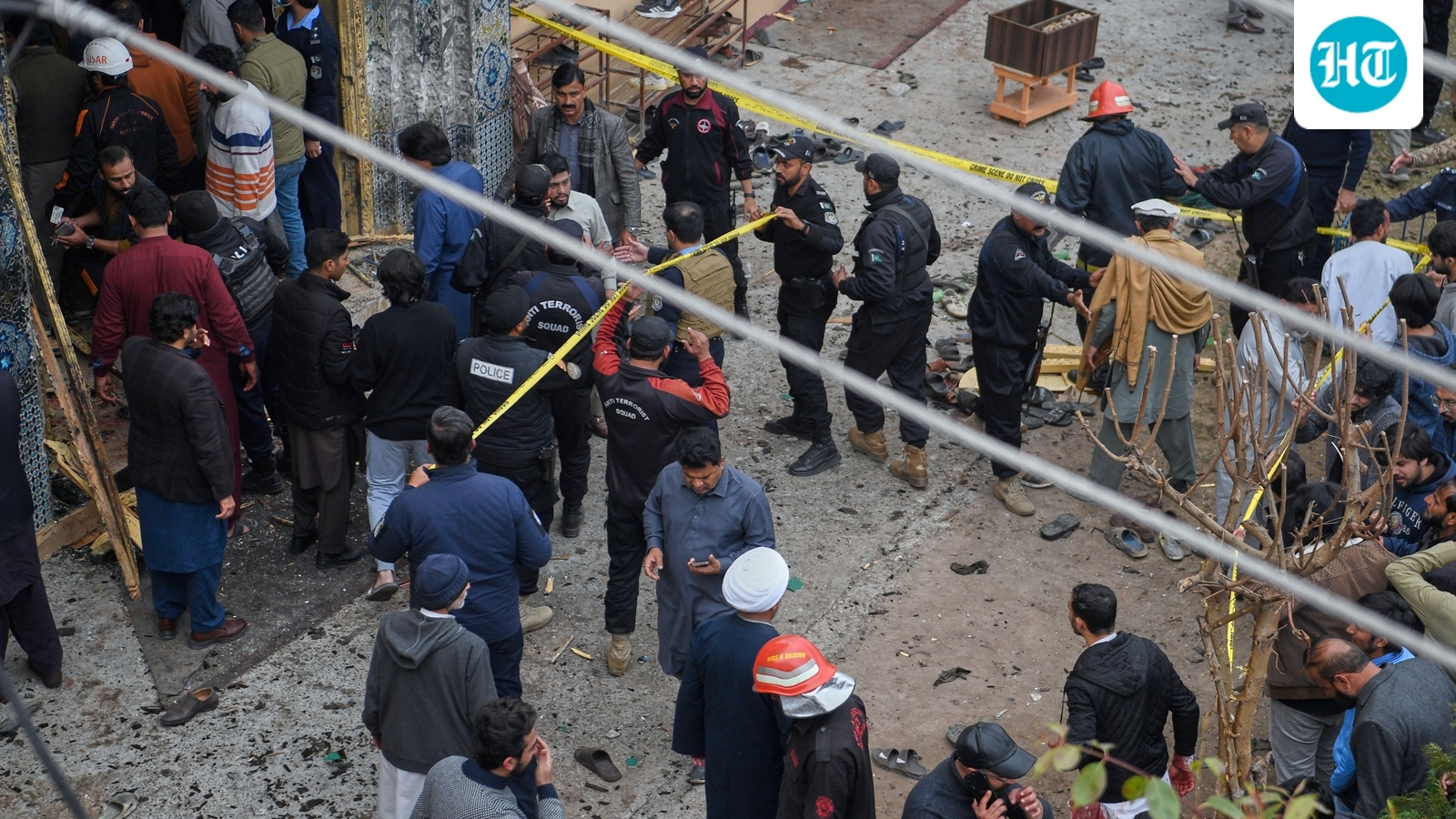
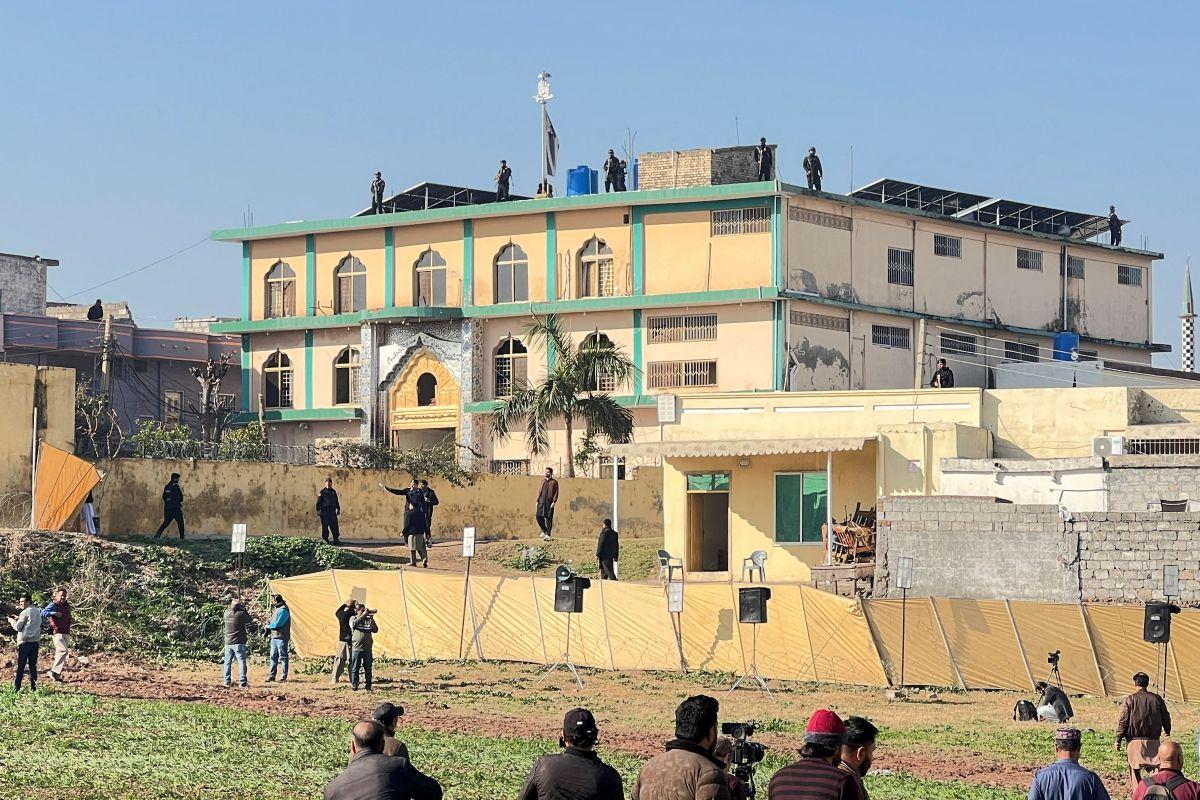
Pakistan's escalating security crisis—marked by a 34% increase in terrorist attacks (699 incidents in 2025) and deadly bombings in Islamabad and Balochistan—directly impacts cross-border e-commerce logistics and seller operations. The February 2026 mosque bombing in Islamabad (32+ deaths) and coordinated Balochistan attacks (58+ civilian casualties) have triggered heightened military checkpoints, border security protocols, and infrastructure disruptions affecting the Pakistan-Afghanistan corridor and domestic supply chains. For cross-border sellers, this creates three critical operational challenges: (1) Logistics Delays: Increased security screening at Pakistani borders and checkpoints adds 2-4 weeks to shipments transiting through Pakistan to Afghanistan, Central Asia, and Middle Eastern markets. Sellers using Pakistan as a transit hub for South Asian distribution face compounded delays as military operations in Balochistan province (where 200+ militants were killed in recent operations) restrict road access. (2) Insurance and Compliance Costs: Heightened risk assessments by 3PL providers and shipping carriers have increased insurance premiums 15-25% for Pakistan-routed shipments. Sellers must now obtain additional security certifications and comply with stricter customs documentation, adding $200-400 per shipment in compliance costs. (3) Market Volatility: Pakistan's 250 million population represents a significant e-commerce market, but consumer spending patterns are shifting toward domestic platforms as security concerns reduce cross-border purchasing confidence. The targeting of Shia communities (10-20% of Pakistan's population) signals potential sectarian-driven market fragmentation, affecting demand for certain product categories and requiring sellers to adjust inventory strategies by region. The diplomatic tensions between Pakistan and Afghanistan (with Pakistan accusing the Afghan Taliban of harboring militant groups) suggest prolonged border restrictions, making alternative routing through Iran, Central Asia, or maritime channels increasingly necessary. Sellers with existing Pakistan operations should diversify logistics partners, increase inventory buffers by 20-30%, and monitor security developments weekly. The military's expanded presence in Islamabad and Balochistan indicates sustained security operations, suggesting 6-12 month timeline for normalization.
Questions 8
Should sellers avoid Pakistan as a market or logistics hub?
Pakistan's 250 million population remains a significant e-commerce market, but the security crisis requires strategic adjustments rather than complete avoidance. Consumer spending patterns are shifting toward domestic platforms as cross-border purchasing confidence declines, particularly in regions affected by sectarian tensions (Shia communities comprise 10-20% of the population). For sellers currently operating in Pakistan: (1) Maintain domestic inventory but reduce cross-border shipments; (2) Partner with local 3PL providers to minimize border transit; (3) Focus on categories less affected by security concerns (essential goods, household items). For sellers considering Pakistan entry: delay expansion 6-12 months until security normalizes. The diplomatic tensions between Pakistan and Afghanistan suggest prolonged border restrictions, making alternative South Asian markets (India, Bangladesh) more attractive near-term.
How long will Pakistan's security disruptions affect cross-border logistics?
Based on the scale of current operations—military actions in Balochistan claiming 200+ militant deaths, heightened checkpoints in Islamabad, and diplomatic tensions with Afghanistan—security disruptions are likely to persist 6-12 months. The news reports indicate Pakistan's military has concluded a weeklong operation in Balochistan but maintains expanded presence, suggesting sustained security protocols. The diplomatic accusations between Pakistan and Afghanistan regarding militant safe havens indicate hardened border stances that typically take 6+ months to normalize. Sellers should plan inventory and logistics strategies assuming current delays (2-4 weeks) through mid-2026. Monitor weekly security updates from Pakistani government sources and adjust routing decisions quarterly based on checkpoint activity and customs clearance times.