
China's Strategic Logistics Revolution Transforms Cross-Border Trade Dynamics
- Innovative Financial Corridor Reshapes Supply Chain Opportunities in ASEAN Markets
Overview
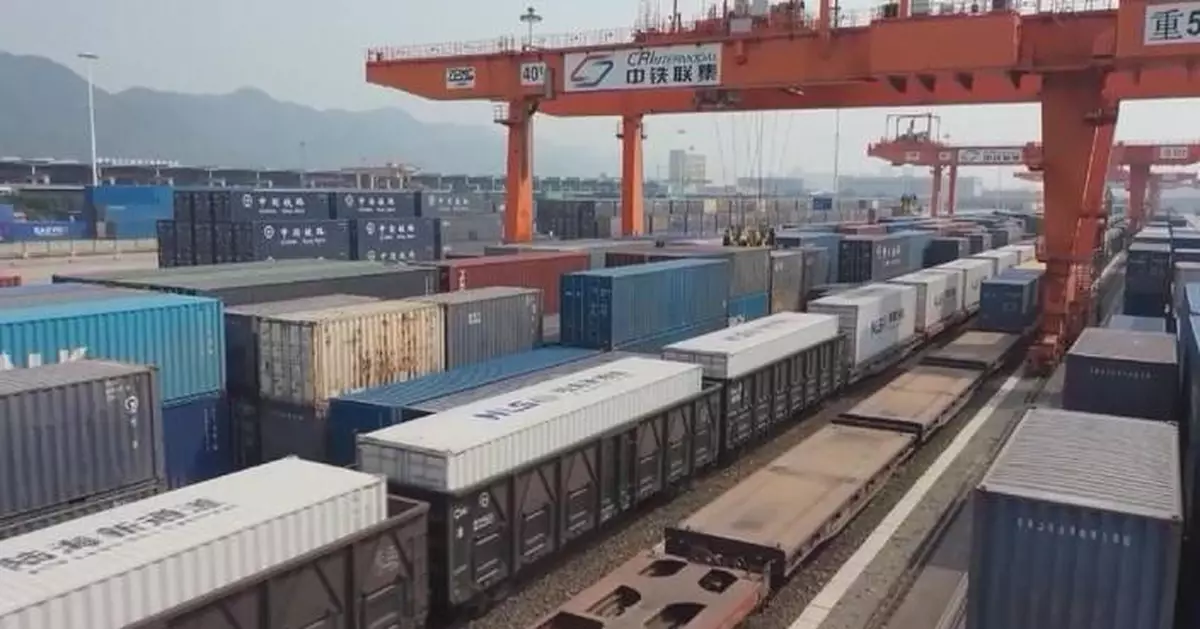
The emergence of China's New International Land-Sea Trade Corridor represents a pivotal moment in global supply chain restructuring, signaling a sophisticated approach to logistics and financial integration that goes far beyond traditional trade mechanisms. By introducing a comprehensive financial package through the People's Bank of China and National Development and Reform Commission, the initiative demonstrates a strategic commitment to transforming cross-border trade infrastructure.
Strategic Financial Innovation lies at the heart of this development. The dedicated fund established in Chongqing is not merely a financial instrument but a sophisticated ecosystem designed to attract diverse investors and streamline complex international logistics operations. The single-documentation financial system and cross-border settlement services represent a quantum leap in reducing transactional friction for international trade companies. This approach allows goods to be used as collateral during transit, fundamentally reimagining capital flow dynamics in supply chain management.
For cross-border e-commerce sellers, this corridor opens unprecedented opportunities, particularly in ASEAN markets. The initiative dramatically lowers financial barriers by providing more accessible credit, accelerating capital turnover, and simplifying documentation processes. By connecting China's inland regions with global markets through the Silk Road Economic Belt and Maritime Silk Road, the corridor creates a robust, multi-modal transportation network that significantly reduces logistics complexity and cost.
The long-term implications are profound: this is not just a regional infrastructure project, but a strategic reconfiguration of global supply chain architecture. Sellers and logistics providers must recognize this as a fundamental shift—where financial innovation, technological integration, and geopolitical strategy converge to create new competitive landscapes. Companies that quickly adapt to these emerging corridors will gain substantial first-mover advantages in increasingly complex international trade environments.
Questions 3
How does the New International Land-Sea Trade Corridor impact cross-border e-commerce sellers?
The corridor provides sellers with improved financing options, reduced documentation complexity, and enhanced logistics support. By lowering financial barriers and accelerating capital turnover, it creates significant opportunities for businesses operating in ASEAN markets and China's western regions.
What makes the financial package for this trade corridor unique?
The package introduces innovative solutions like cross-border settlement services and a single-documentation financial system. It allows goods to be used as collateral during transit, which is a groundbreaking approach to improving capital flow for logistics and trade companies.