



Portugal's Political Shift Signals EU Market Volatility | Cross-Border Seller Risk Assessment
- Far-right Chega party reaches 23.5-33% support; immigration policy uncertainty threatens 1M+ foreign workers and tourism-dependent supply chains in Algarve region


























Overview
Portugal's February 2025 presidential runoff election reveals significant political realignment with direct implications for cross-border e-commerce operations, particularly for sellers dependent on European supply chains, labor markets, and tourism-driven consumer spending. Far-right candidate André Ventura's Chega party achieved 23.5% in the January 18 first round and polled at 33% ahead of the February 8 runoff, marking the strongest far-right performance in Portuguese history and signaling broader European populist momentum that mirrors political shifts affecting regulatory environments across the EU.
Market Volatility and Consumer Spending Impact: The Algarve region, traditionally Portugal's tourism powerhouse generating significant seasonal consumer spending, has become Chega's stronghold. With approximately 70% of local employment agency workers being foreign-born (primarily from Bangladesh and India), anti-immigration rhetoric directly threatens the region's tourism infrastructure and hospitality supply chains. For cross-border sellers, this creates dual risks: (1) potential disruption to tourism-dependent consumer spending during peak seasons (Q2-Q3), and (2) labor cost inflation if immigration restrictions reduce available workers, increasing fulfillment costs for sellers using Portuguese 3PL providers. The Algarve generates approximately €8-10B annually in tourism revenue; political uncertainty could reduce consumer discretionary spending by 5-15% if anti-immigration policies are implemented.
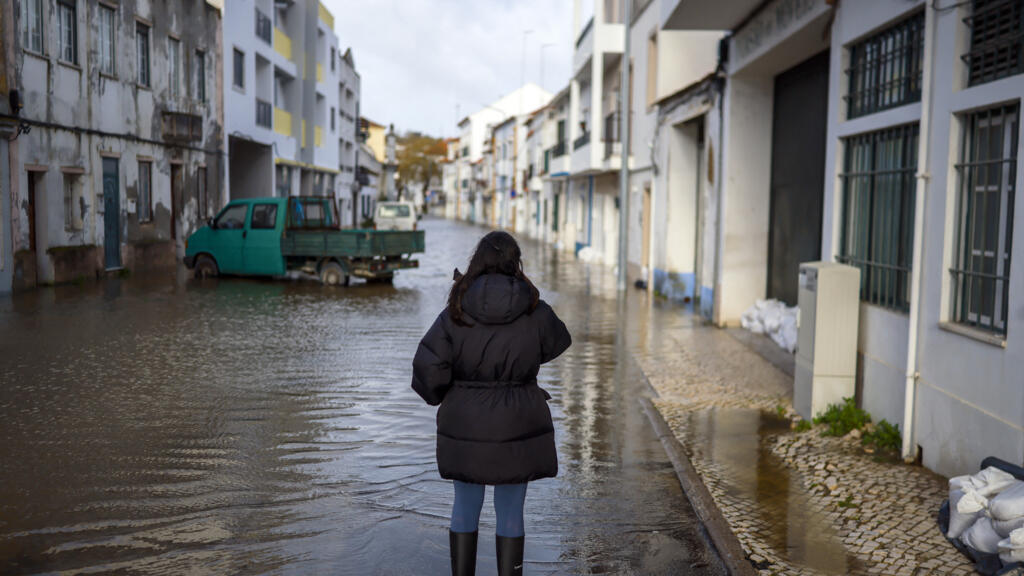
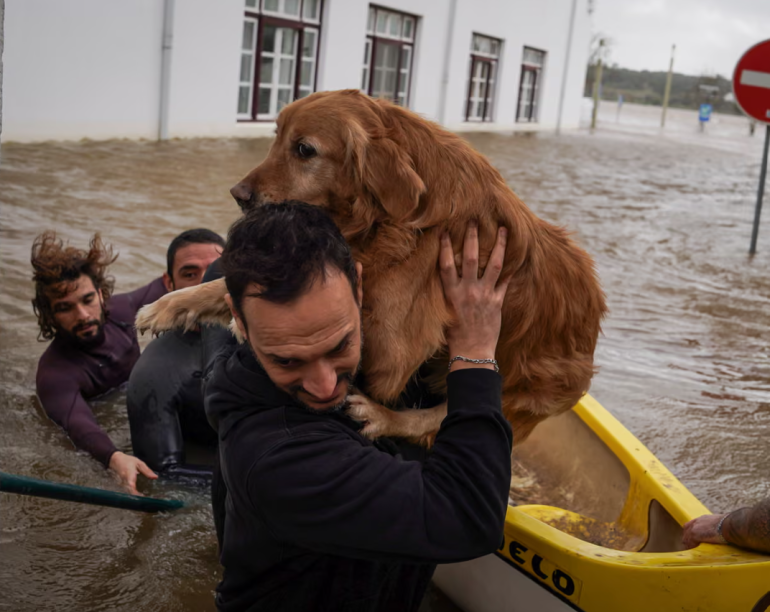
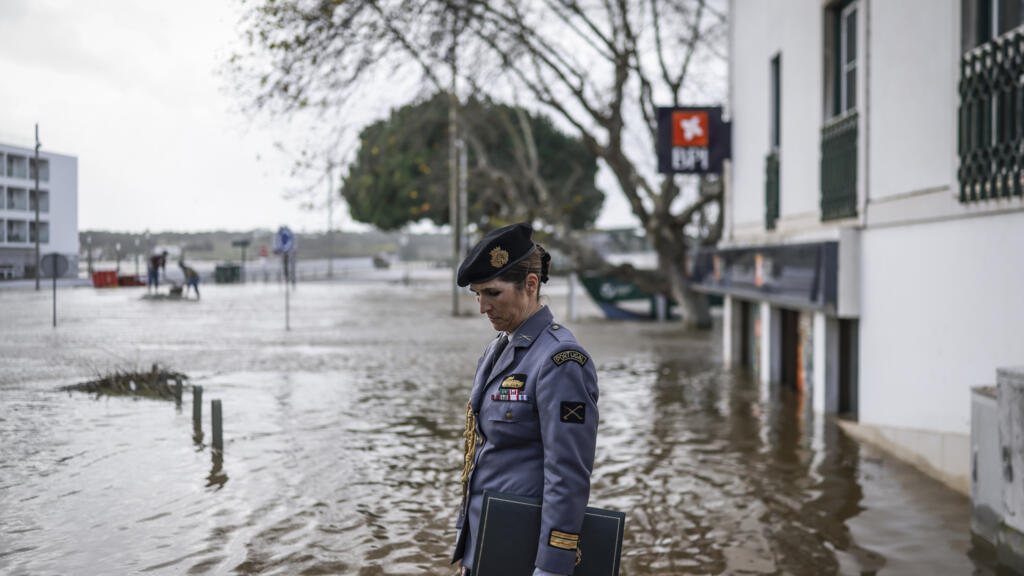
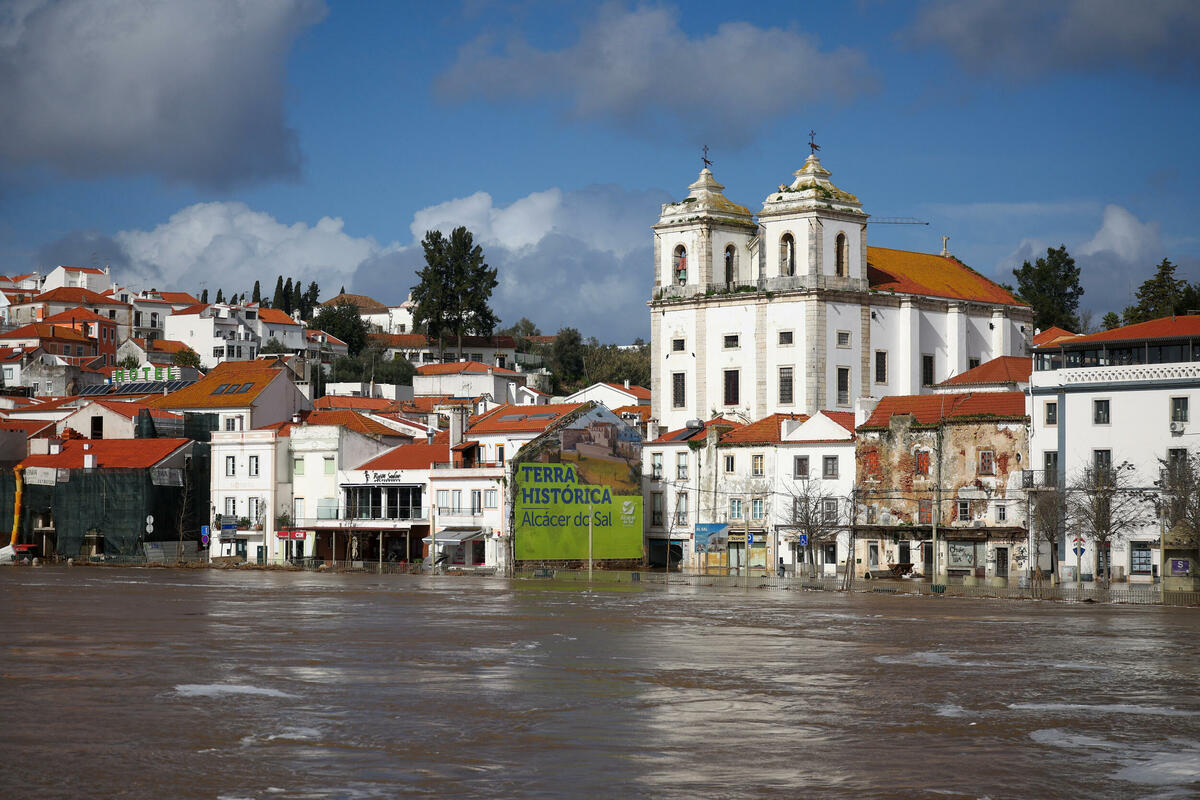
Supply Chain and Labor Considerations: Portugal's foreign-born population doubled to 1M+ (10% of total population) over five years, with concentrated presence in tourism, hospitality, and logistics sectors. Sellers relying on Portuguese fulfillment centers or sourcing from Portugal-based suppliers face potential labor cost increases of 8-12% if immigration restrictions reduce available workers. The state of emergency declared in 69 municipalities due to February flooding (displacing 7,000+ people) compounds logistics challenges, with only 31,862 voters in hard-hit areas permitted to postpone voting. This indicates infrastructure vulnerability affecting cross-border shipping routes through Portugal.
Political Stability and Regulatory Risk: While the Portuguese presidency is largely ceremonial, it holds power to dissolve parliament and veto legislation. A Ventura victory (though polls suggest Socialist candidate Seguro will prevail with 67% support) could trigger anti-immigration policy changes affecting EU labor mobility agreements and customs procedures. Even if Seguro wins, Chega's 33% performance signals sustained political pressure for restrictive policies. Sellers should monitor Portuguese labor policy developments, as changes could affect 3PL provider operations and increase compliance costs for businesses employing foreign workers in fulfillment operations.
Questions 8
How does the Algarve's tourism economy impact seller opportunities in Portugal?
The Algarve generates €8-10B annually in tourism revenue but faces political uncertainty from Chega's anti-immigration messaging, which resonates with residents frustrated by housing costs and low wages. This creates a paradox: the region cannot function without immigrant workers (70% of employment agencies), yet anti-immigration rhetoric gains traction. For sellers, this signals potential volatility in seasonal consumer spending (Q2-Q3 peak tourism season). Sellers targeting Portuguese consumers should focus on non-tourism-dependent categories (e-commerce, digital services) and avoid over-reliance on Algarve-based fulfillment during periods of political uncertainty. Monitor tourism booking trends as a leading indicator of consumer spending patterns.
What supply chain risks emerge from Portugal's political instability and recent flooding?
Portugal declared a state of emergency in 69 municipalities due to February flooding that displaced 7,000+ people, indicating infrastructure vulnerability affecting cross-border shipping routes. Simultaneously, political uncertainty around immigration policy threatens the labor availability for Portuguese logistics providers. Sellers should assess their 3PL provider's flood resilience and labor stability, particularly those shipping through Portuguese ports or using Lisbon-based fulfillment centers. Consider diversifying to alternative EU fulfillment locations (Spain, Netherlands) to mitigate dual risks of natural disaster disruption and potential labor cost inflation from immigration restrictions.