






US Immigration Enforcement & Private Aviation Logistics | Cross-Border Seller Implications
- Government deportation operations reveal $400K-500K private charter costs; signals regulatory gaps in international logistics corridors affecting cross-border commerce routes





















Overview
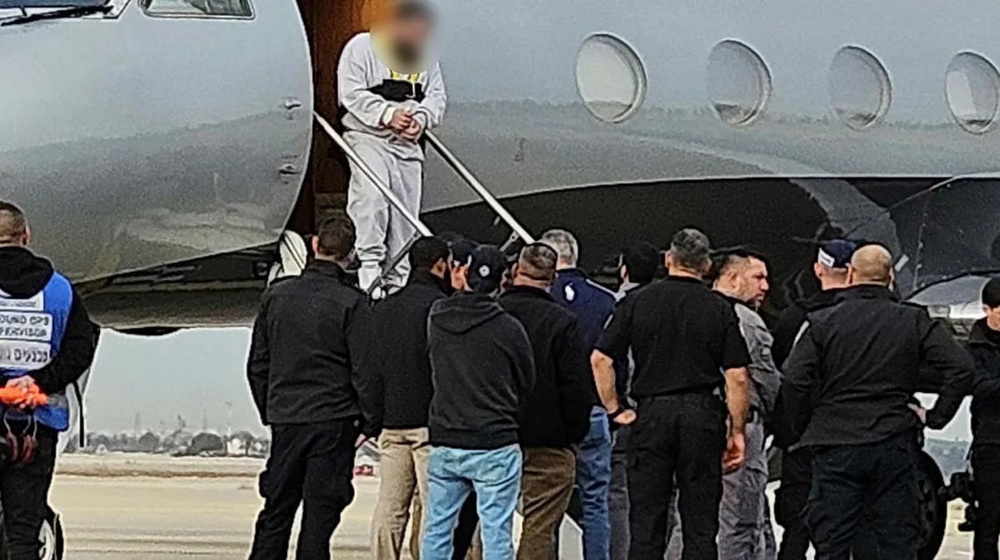
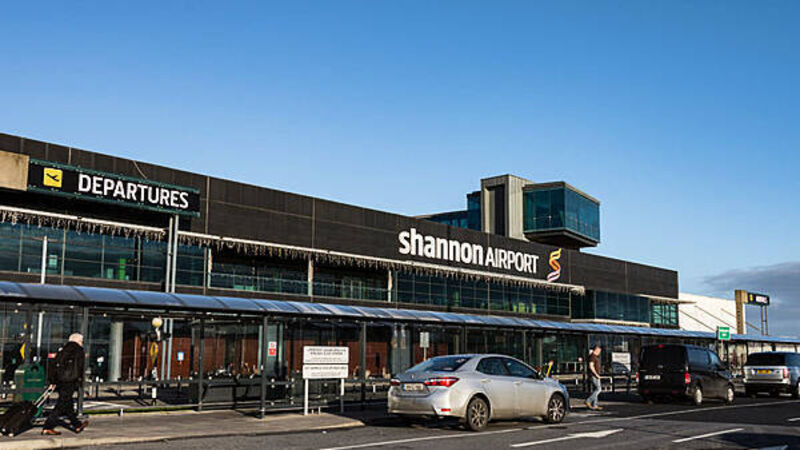
The Guardian investigation into US Immigration and Customs Enforcement (ICE) deportation flights reveals critical insights into private aviation logistics networks and international regulatory gaps that directly impact cross-border e-commerce infrastructure. Between January 21 and February 1, 2026, ICE chartered private jets owned by Trump donor Gil Dezer through Journey Aviation (Florida-based), costing $400,000-$500,000 per flight, with refueling stops at Shannon Airport in Ireland requiring no prior passenger-related approvals under current regulations.
This case demonstrates how international logistics corridors operate with minimal oversight, creating both risks and opportunities for cross-border sellers. The aircraft previously transported detainees to Kenya, Liberia, Guinea, and Eswatini—regions increasingly important for emerging market e-commerce fulfillment networks. Journey Aviation's regular government contracting indicates a specialized logistics provider ecosystem that operates parallel to commercial shipping channels, suggesting fragmented regulatory frameworks across international borders.
For cross-border sellers, this reveals three critical operational insights: (1) Regulatory arbitrage in logistics: Shannon Airport's refueling exemption (no passenger transfer = no approval required) mirrors how many international fulfillment hubs operate with minimal compliance oversight. Sellers using 3PL providers routing through Ireland, UK, or EU hubs should audit whether their logistics partners exploit similar regulatory gaps, potentially creating liability exposure. (2) Private aviation cost benchmarks: At $26,000/flight hour ($400K-500K per transatlantic route), private charter costs establish pricing floors for urgent cross-border logistics. Sellers shipping high-value inventory (electronics, luxury goods, time-sensitive products) should evaluate whether private logistics justify costs versus commercial air freight ($8,000-15,000 for equivalent capacity). (3) Geopolitical supply chain fragmentation: The involvement of multiple African nations (Kenya, Liberia, Guinea, Eswatini) in Journey Aviation's historical operations signals emerging logistics hubs. Sellers sourcing from or shipping to these regions face unpredictable regulatory environments—similar to the Irish refueling loophole—requiring enhanced compliance monitoring.
Irish opposition politicians (Labour's Duncan Smith, Green Party's Roderic O'Gorman, Social Democrats' Patricia Stephenson) called for government intervention to prevent future use of Shannon Airport for such operations, signaling potential regulatory tightening in European logistics hubs. This precedent suggests EU and UK authorities may implement stricter oversight of refueling operations and third-party logistics providers, directly affecting sellers using Irish/UK fulfillment centers. The US Department of Homeland Security's refusal to address specific questions about deportation procedures indicates government opacity in logistics contracting, creating uncertainty for sellers relying on government-adjacent logistics providers.
Questions 7
What are realistic private aviation costs for urgent cross-border shipments?
Journey Aviation's government contracts cost $400,000-$500,000 per transatlantic flight, or approximately $26,000 per flight hour. For cross-border sellers shipping high-value inventory (electronics, luxury goods, time-sensitive products), this establishes pricing benchmarks. Commercial air freight typically costs $8,000-15,000 for equivalent capacity, making private aviation 25-50x more expensive. Sellers should reserve private logistics only for emergency situations (product recalls, seasonal peaks, high-margin items) where time-to-market justifies costs. Standard cross-border shipments should use consolidated air freight or ocean shipping through established 3PL networks.
How do regulatory gaps in international logistics affect cross-border sellers?
The Shannon Airport case reveals that refueling stops without passenger transfers operate in regulatory blind spots—no prior approval required despite international implications. For cross-border sellers, this signals that 3PL providers routing inventory through Ireland, UK, or similar hubs may exploit compliance gaps, creating hidden liability. Sellers should audit their logistics partners' routing procedures and ensure they comply with EU customs regulations (NCTS declarations, VAT compliance) even when intermediate stops don't require formal approvals. Non-compliance can result in shipment delays, customs holds, or penalties ranging from €500-5,000 per violation.