


Japan's Strategic Pivot: Defense Spending and Fiscal Realignment in the Asia-Pacific Chessboard
- Geopolitical Recalibration Signals Profound Economic and Security Transformation for Regional Stakeholders









































Overview
Japan's unprecedented defense budget and fiscal strategy represent a critical inflection point in the Asia-Pacific's economic and security landscape. The Japanese government is executing a sophisticated multi-dimensional strategy that simultaneously addresses geopolitical tensions, fiscal challenges, and long-term economic resilience.
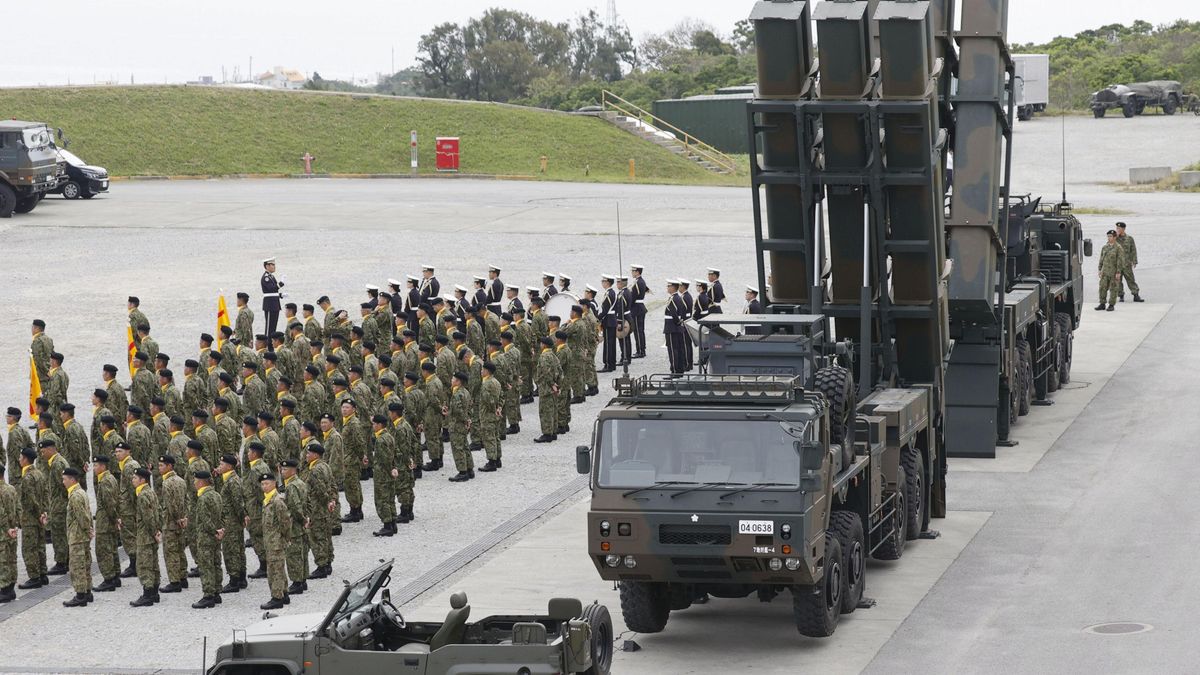
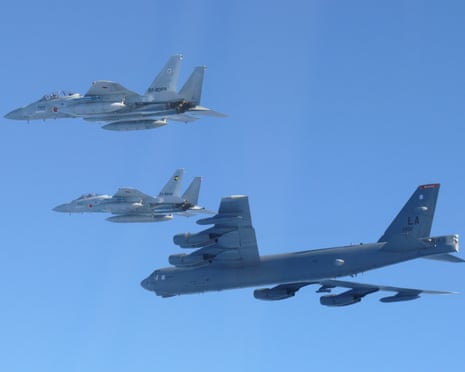
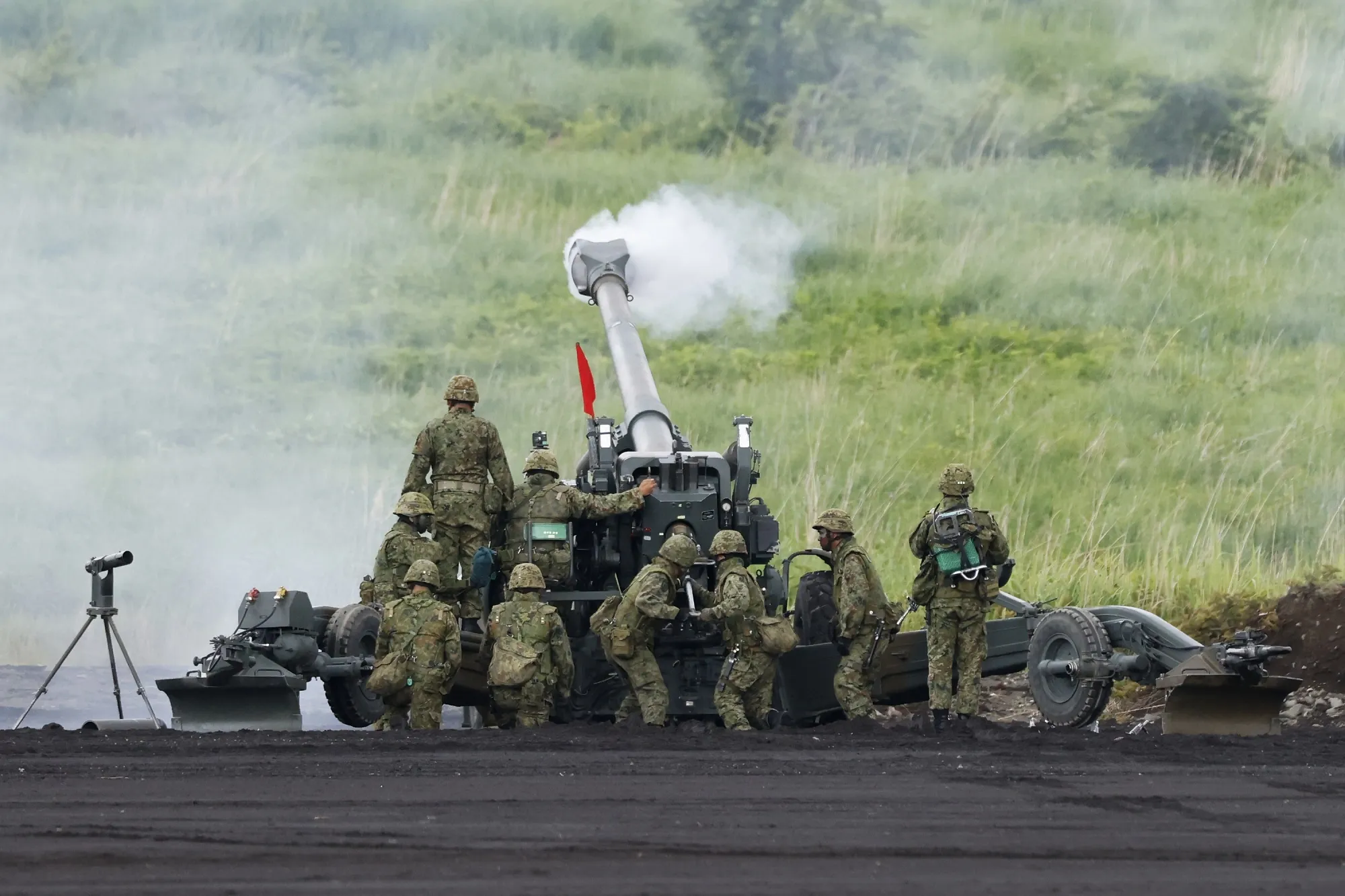
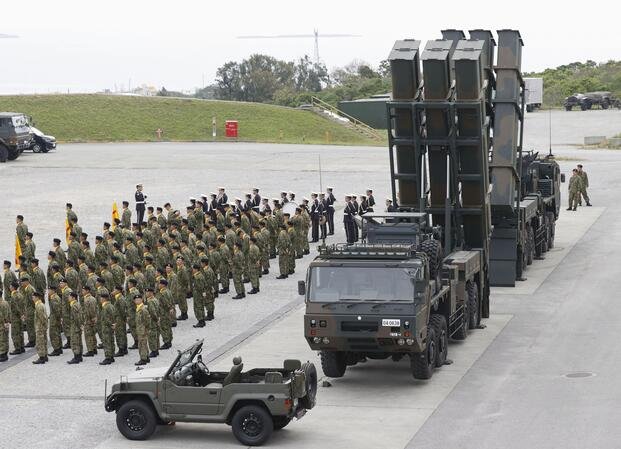
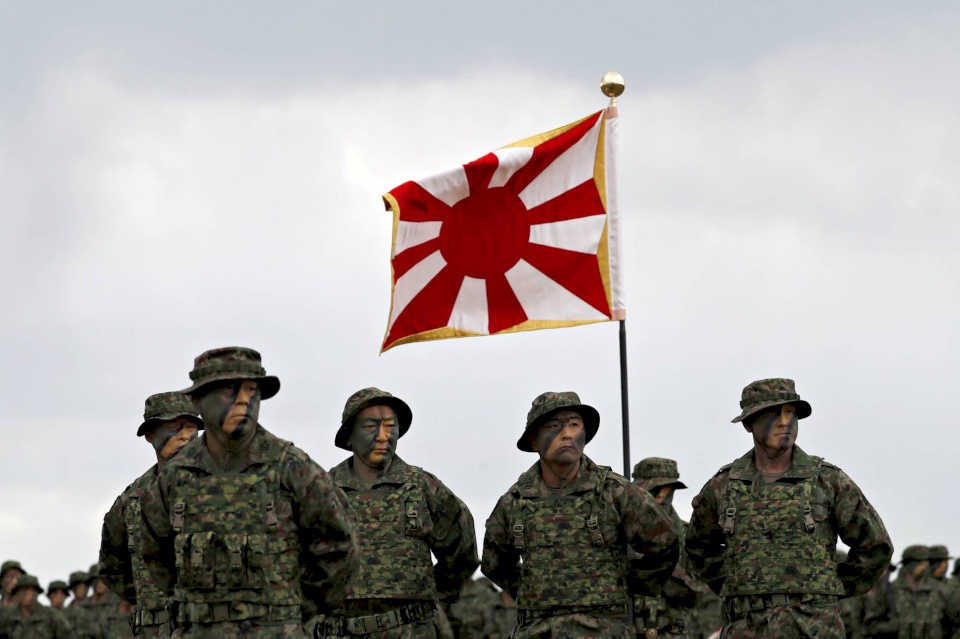
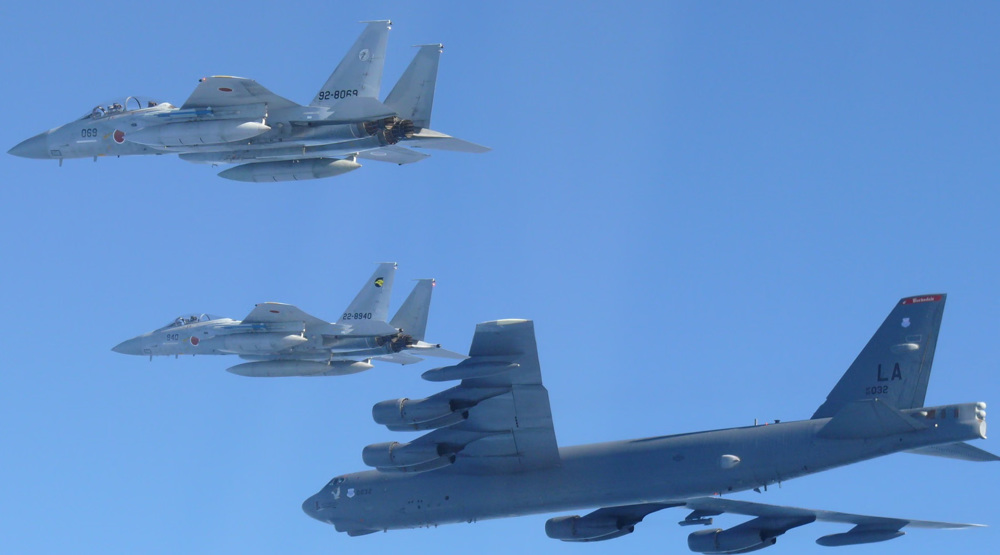
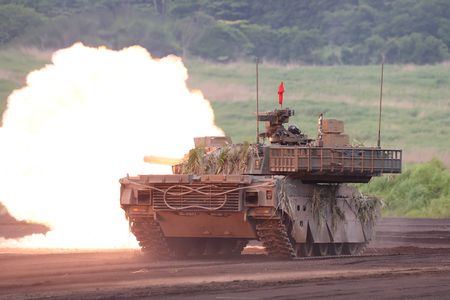
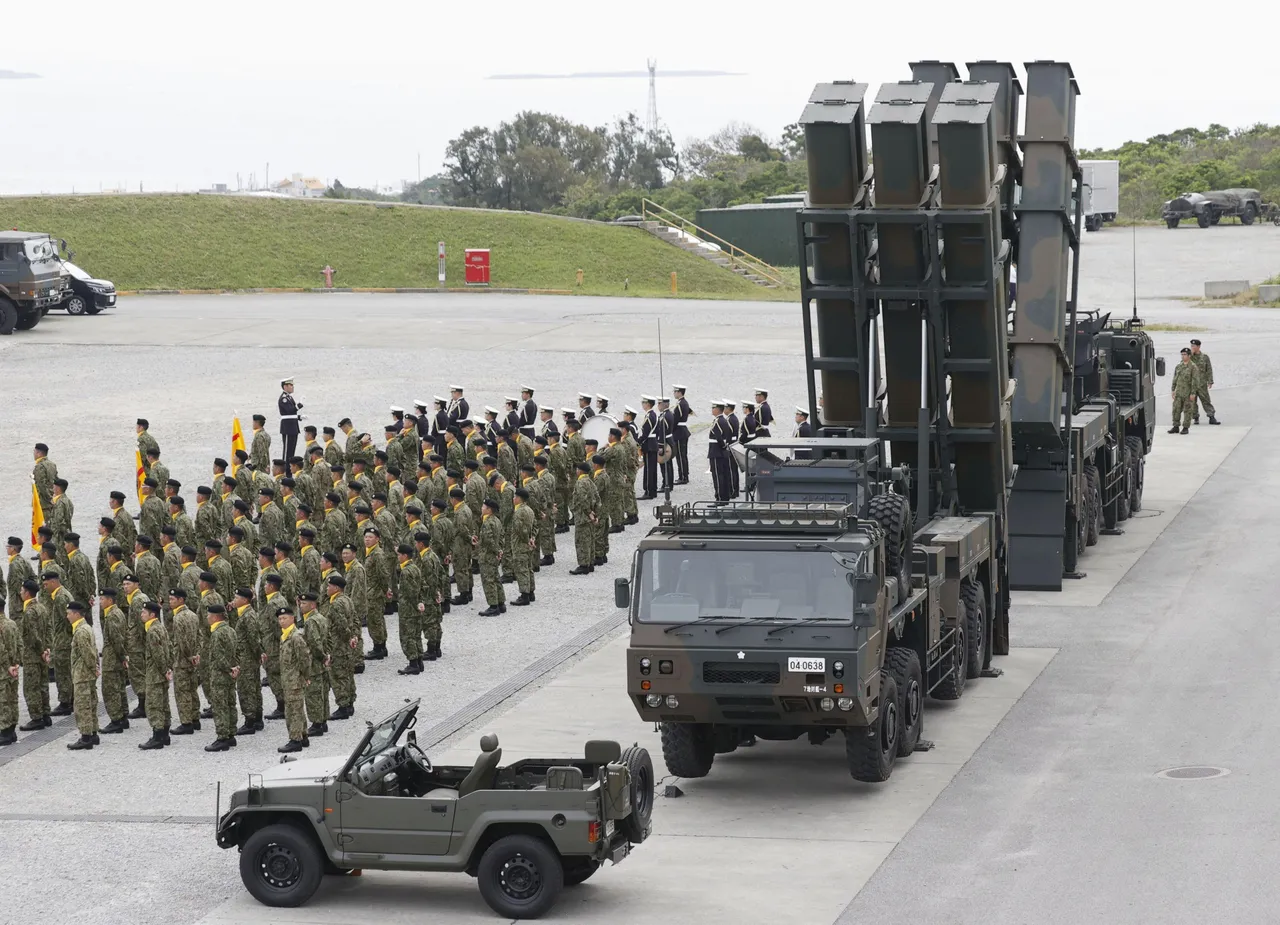
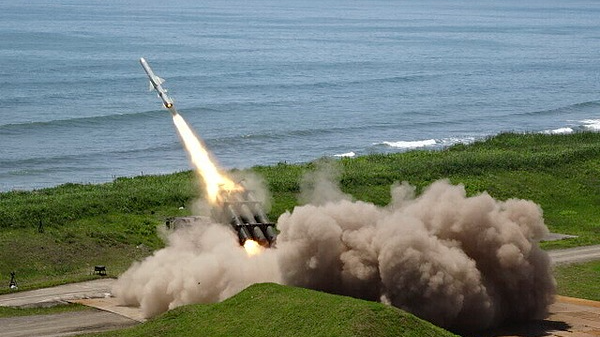
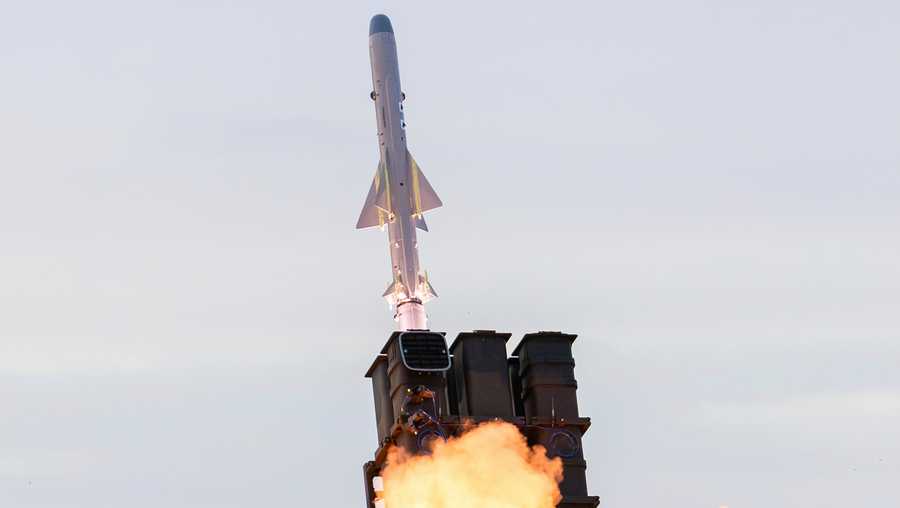
Strategic deterrence against China emerges as the primary driver behind Japan's record 122.3 trillion yen budget. By allocating substantial resources to modernizing defense infrastructure and technological capabilities, Japan is signaling a fundamental shift from passive defense to proactive strategic positioning. The defense budget targeting China's regional expansion reflects a nuanced approach that balances military preparedness with diplomatic engagement.
Simultaneously, Japan's fiscal policy demonstrates remarkable sophistication. Despite managing the world's highest debt burden, the government has engineered a budget that reduces debt dependence to 24.2%—the lowest level since 1998. The controlled debt approach combined with projected tax revenue increases of 7.6% suggests a calculated economic recalibration. This strategy creates a more predictable environment for international businesses, particularly those operating in cross-border e-commerce and technology sectors.
The budget's intricate design reveals deeper geopolitical calculations. With an interest rate assumption set at 3.0%—the highest in 29 years—Japan is preparing for potential economic volatility while maintaining fiscal discipline. For regional stakeholders, this represents more than a budgetary exercise; it's a comprehensive strategic repositioning that could reshape trade dynamics, supply chain configurations, and investment landscapes across the Asia-Pacific region.
Critically, these developments signal a broader transformation. Japan is not merely responding to regional challenges but actively reshaping its economic and security architecture. Cross-border businesses must recognize this as a fundamental structural shift, requiring adaptive strategies that account for emerging geopolitical and economic complexities.
Questions 3
How might Japan's strategic positioning affect technology and trade investments?
The budget reveals Japan's commitment to technological modernization and strategic deterrence. Technology and trade investors should anticipate increased opportunities in defense-related innovations, cybersecurity, and advanced manufacturing sectors that align with Japan's strategic priorities.
How does Japan's defense budget impact cross-border e-commerce strategies?
The budget signals increased regional economic complexity, requiring businesses to develop more adaptive supply chain and market entry strategies. Companies must now factor in geopolitical risk assessments, potentially diversifying sourcing and distribution networks to mitigate potential disruptions.