

Bangladesh's Political Reset: Tarique Rahman's Strategic Return Reshapes Regional Power Dynamics
- Emerging political transformation signals critical geopolitical realignment for South Asian investors and policymakers



)






Overview
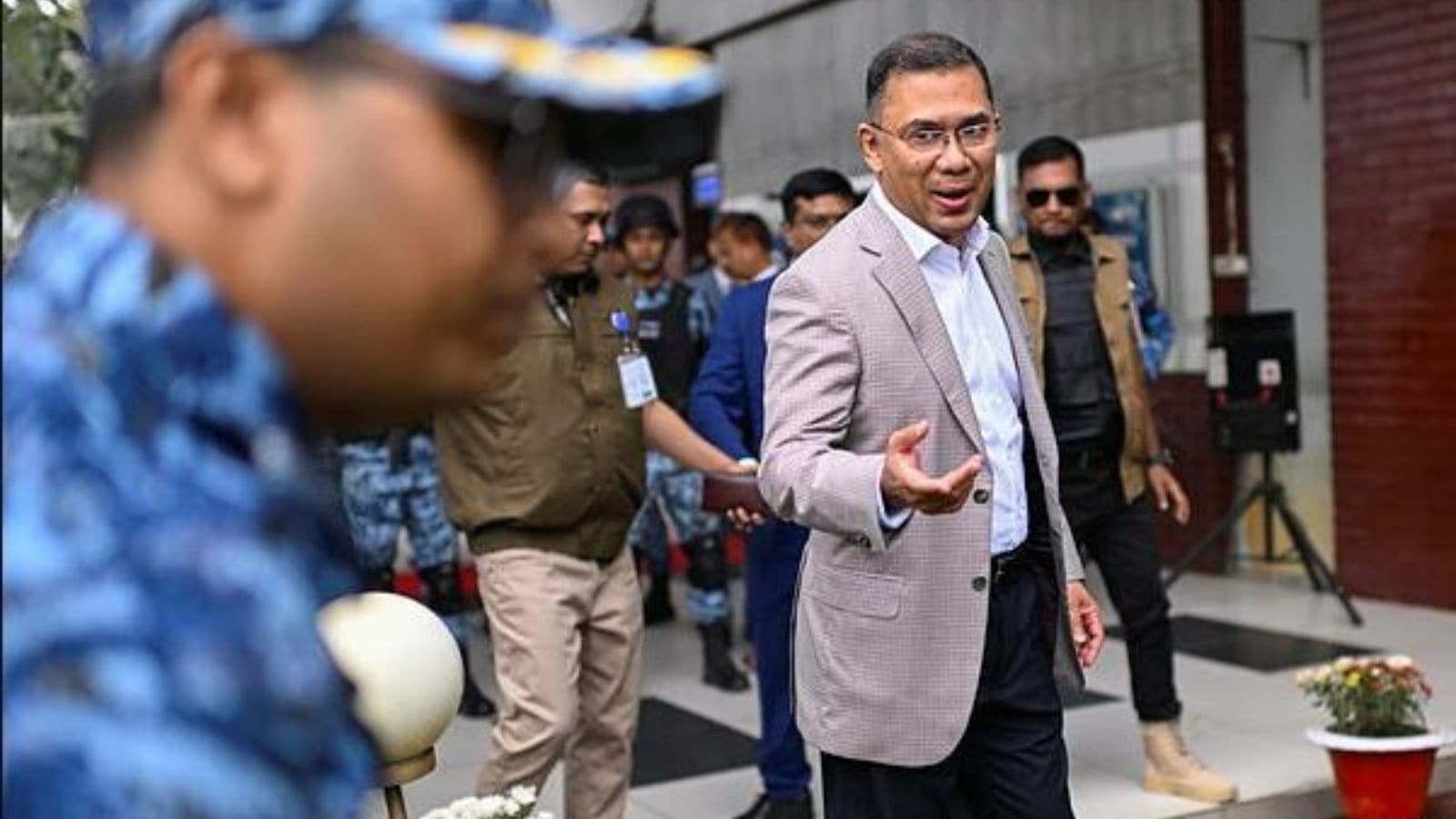
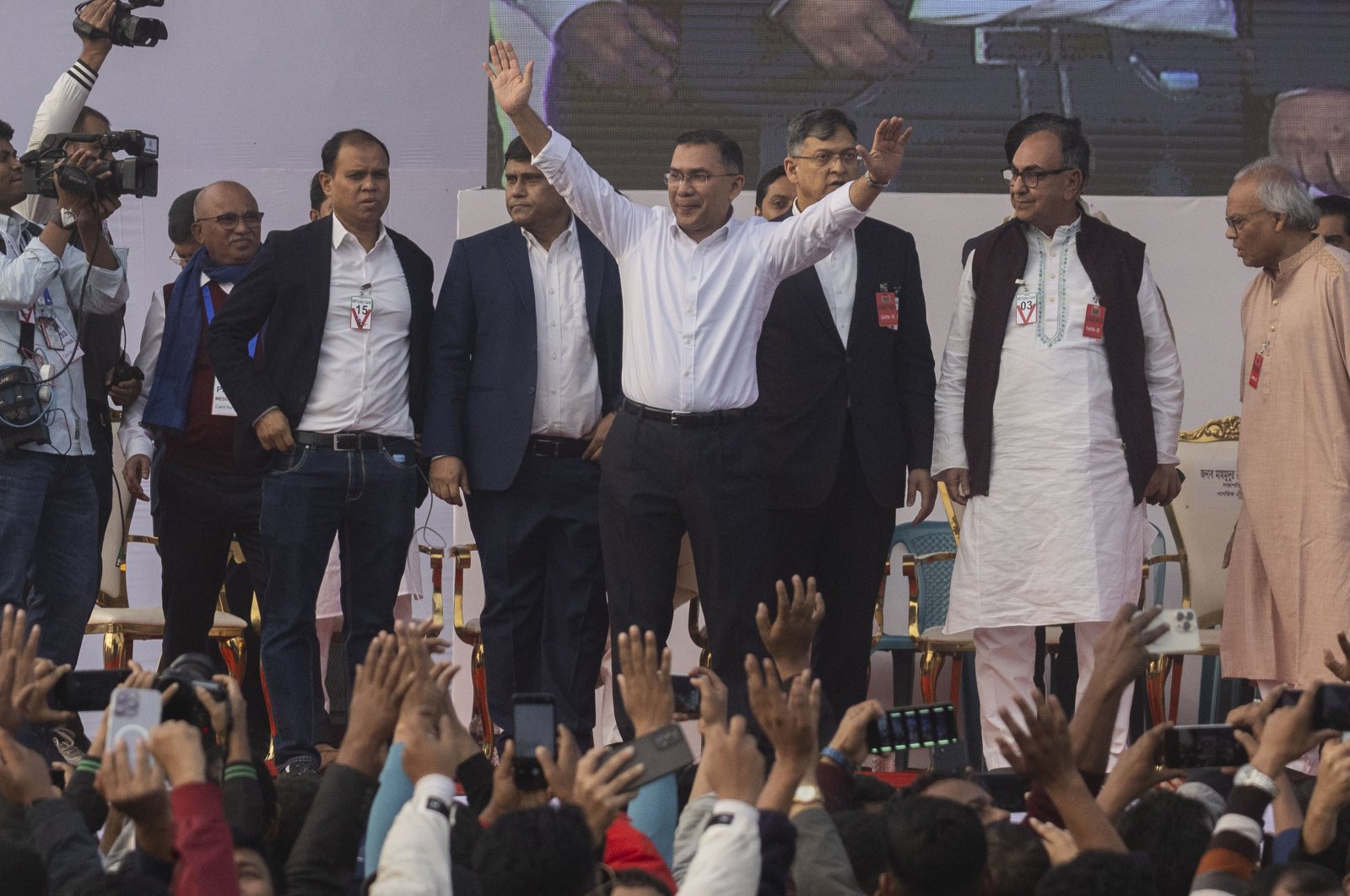
The return of Tarique Rahman to Bangladesh represents a pivotal moment in the country's complex political landscape, signaling a potential fundamental restructuring of regional power dynamics. After 17 years in exile, Rahman's December 2025 arrival ahead of the February 2026 national elections marks more than a personal comeback—it symbolizes a strategic reset for Bangladesh's political architecture.
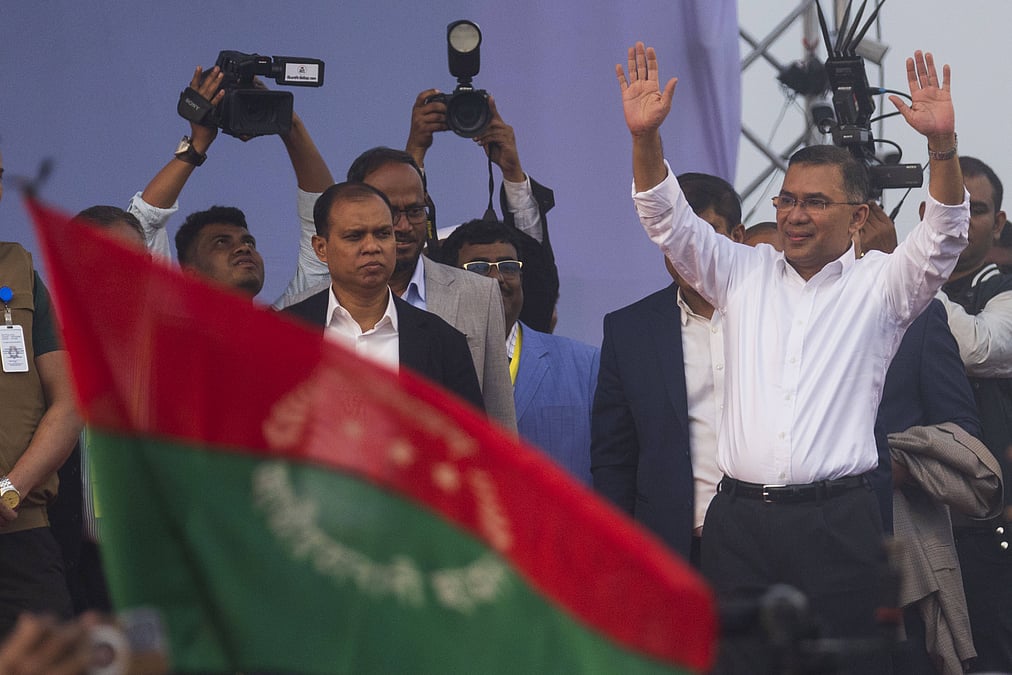
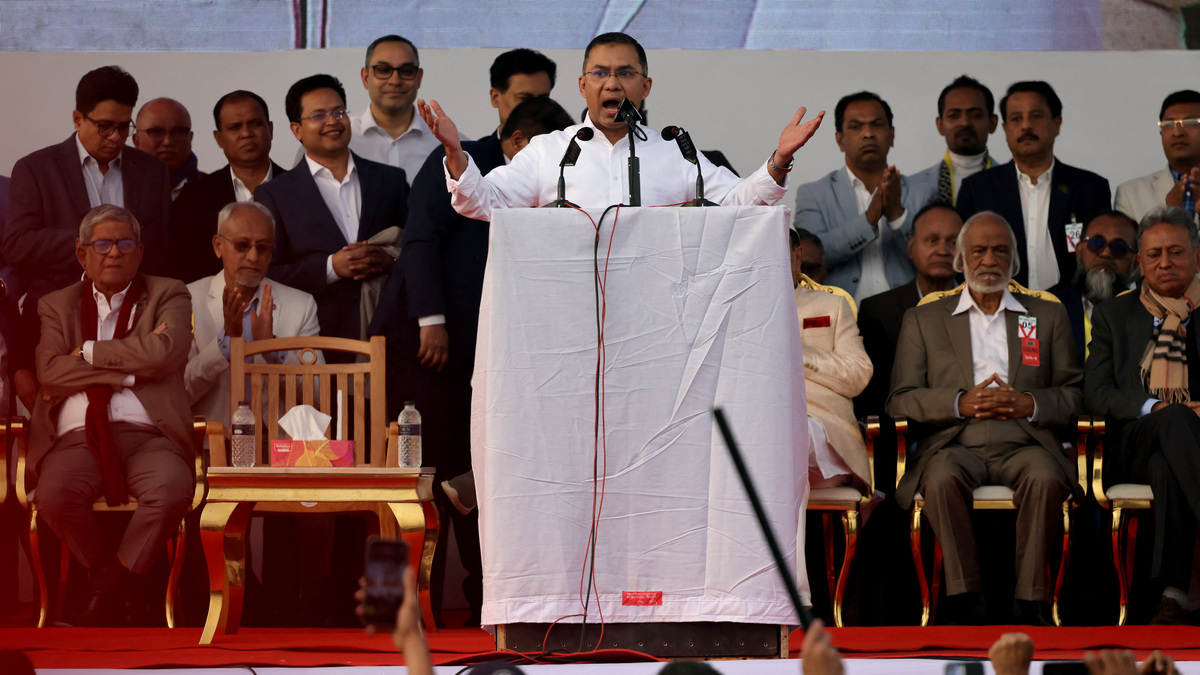
Geopolitical Recalibration: Rahman's carefully orchestrated return reveals a nuanced political strategy. By delivering a speech emphasizing national unity and a "Bangladesh first" policy, he strategically positions himself as a moderate alternative to previous leadership. His explicit rejection of direct alignment with India or Pakistan suggests a sophisticated approach to regional diplomacy, potentially creating new strategic opportunities for international businesses and investors.
Regulatory and Economic Implications: The potential political transition could significantly reshape Bangladesh's economic engagement. For cross-border entities, Rahman's return signals potential regulatory environment shifts that demand close monitoring. The interim government's current configuration, combined with emerging political alliances, suggests a window of opportunity for adaptive businesses to reposition their market entry strategies.
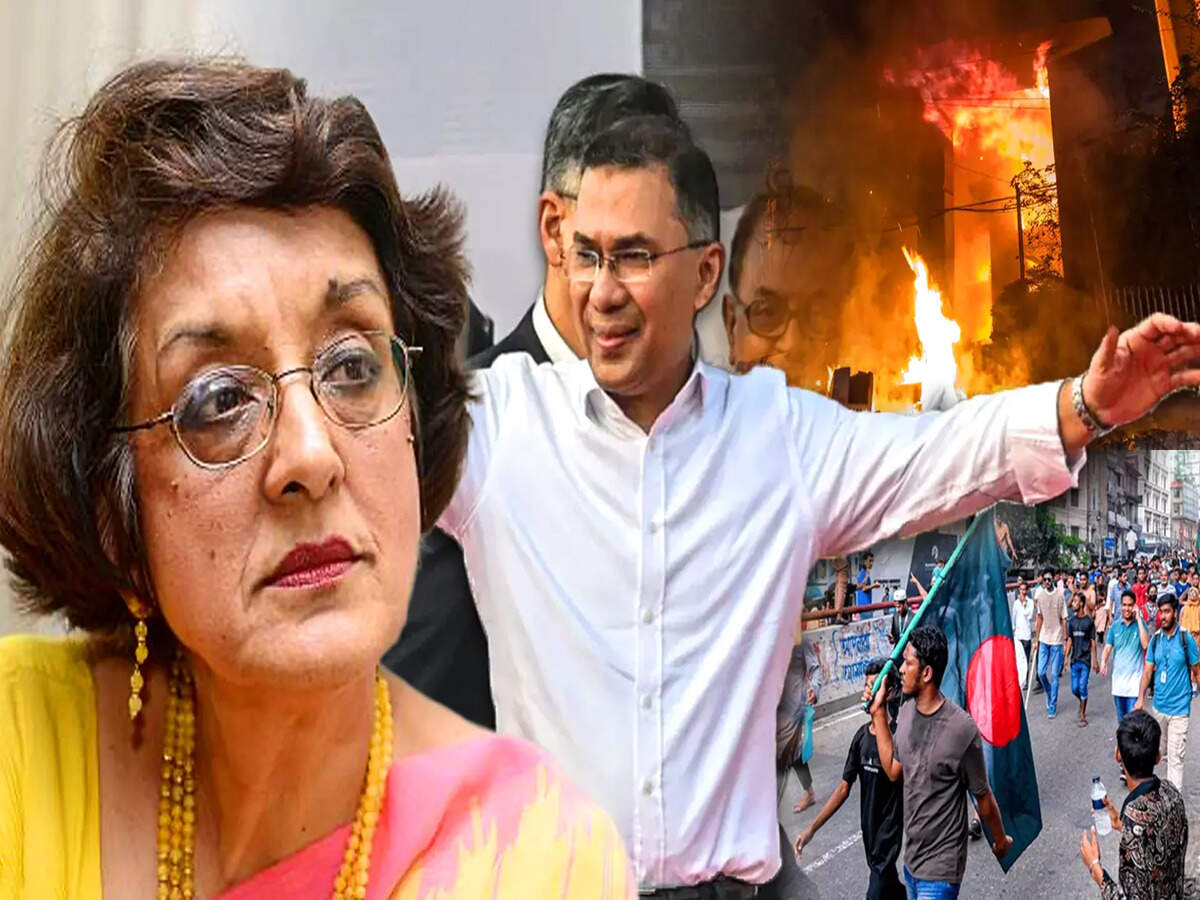
The broader context is critical: Bangladesh has experienced significant political turbulence, including student-led protests and leadership changes. Rahman's return represents more than a personal political rehabilitation—it's a potential reset mechanism for establishing a more stable political framework. This could attract increased international engagement and investment, particularly from entities seeking predictable governance structures in a historically volatile market.
Critically, Rahman's welcome by tens of thousands of supporters indicates substantial grassroots momentum. Political analysts view his return as potentially stabilizing, with the Bangladesh Nationalist Party (BNP) positioned as a frontrunner in upcoming elections. The 2024 uprising that previously ousted leadership and dropped legal cases against Rahman now appears as a strategic prelude to this moment of potential political transformation.
For international stakeholders, the key takeaway is adaptability. The emerging political landscape demands sophisticated, nuanced engagement strategies that can navigate complex regional dynamics while remaining responsive to rapid political recalibration.
Questions 3
How might Rahman's return impact regional diplomatic relationships?
By explicitly rejecting direct alignment with India or Pakistan, Rahman is signaling a more independent foreign policy approach. This could create new diplomatic negotiation spaces and potentially reshape economic cooperation frameworks in South Asia.
What should international investors consider about Bangladesh's upcoming election?
Investors should monitor potential regulatory environment shifts, assess the BNP's policy platforms, and be prepared for possible changes in economic engagement strategies. The political transition presents both opportunities and risks that require adaptive, nuanced investment approaches.