


)
)
Bangladesh's Political Resurrection: Tarique Rahman's Strategic Return Reshapes National Power Dynamics
- Political transformation signals potential regulatory and economic environment shifts for international stakeholders









)


Overview
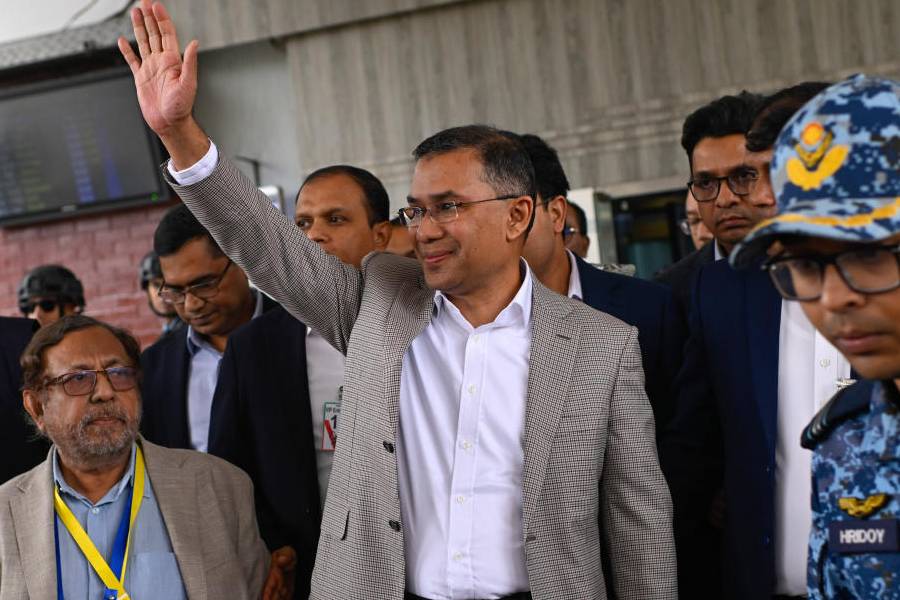
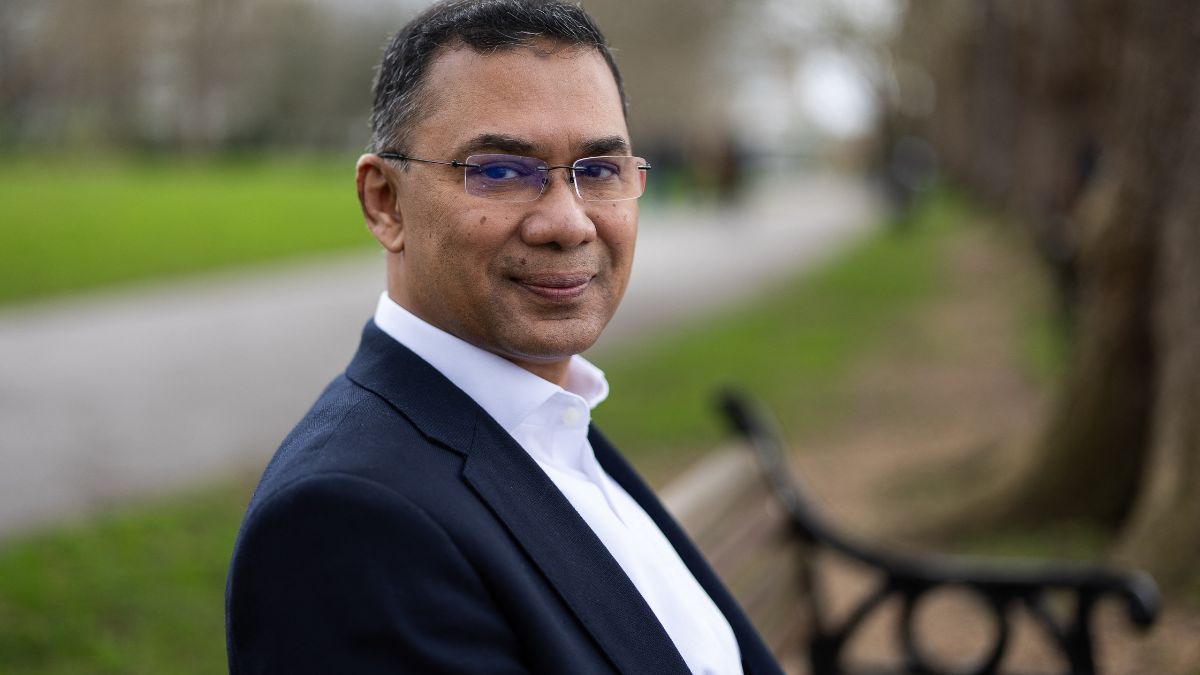
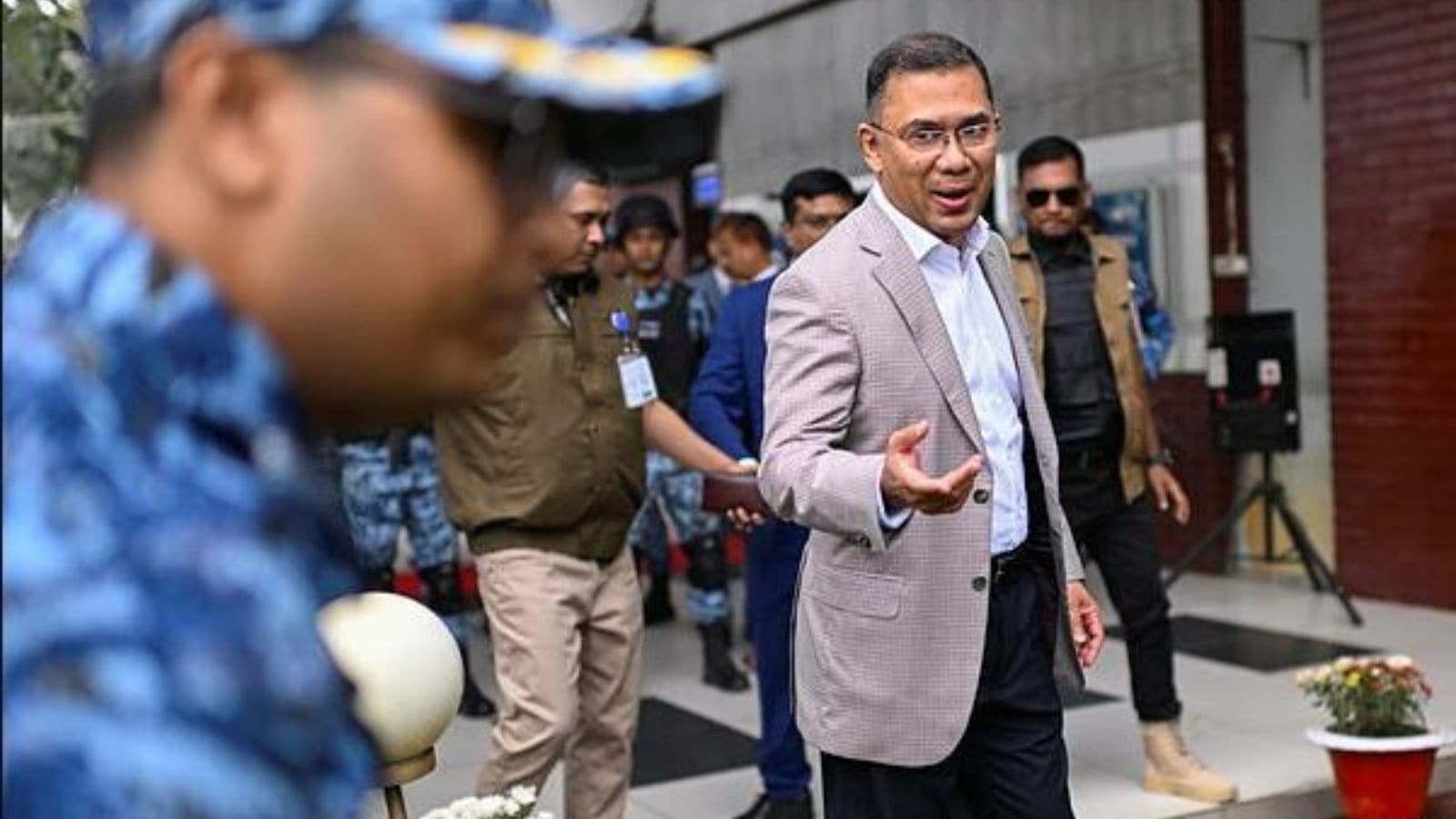
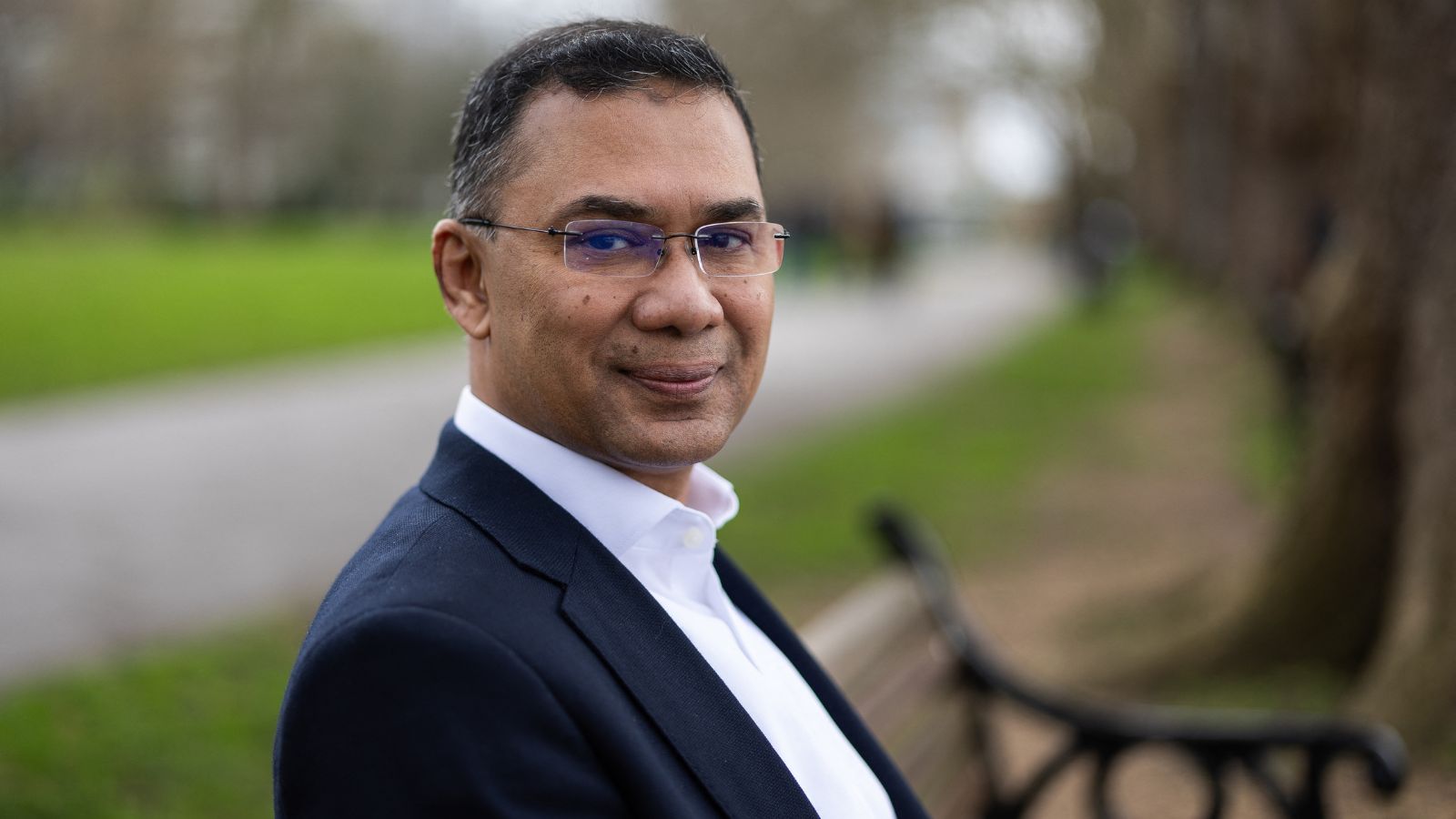
Bangladesh stands at a critical political inflection point with Tarique Rahman's dramatic return from 17-year exile, signaling a potential fundamental restructuring of the country's power landscape. Rahman's strategic homecoming, timed precisely ahead of the February 2026 national election, represents more than a personal political comeback—it's a calculated move to reset Bangladesh's governance trajectory.
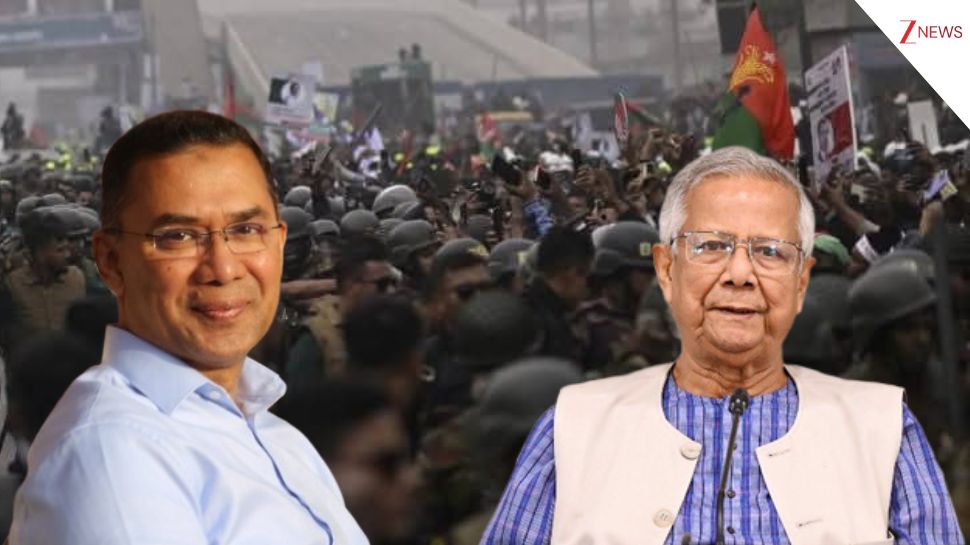
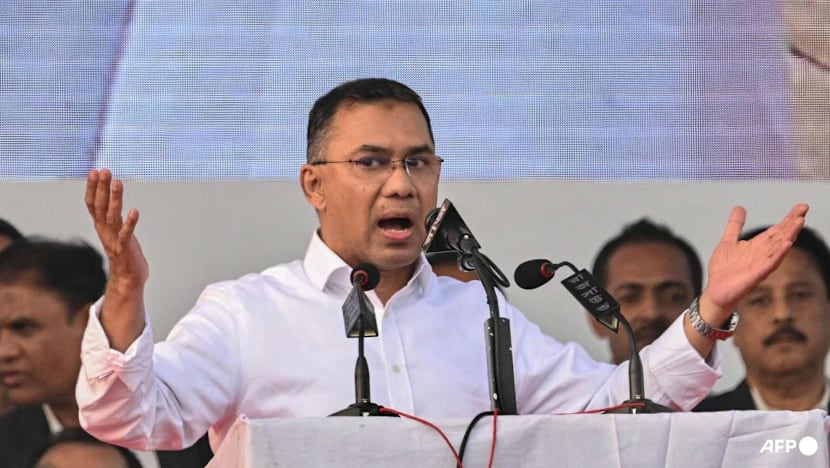
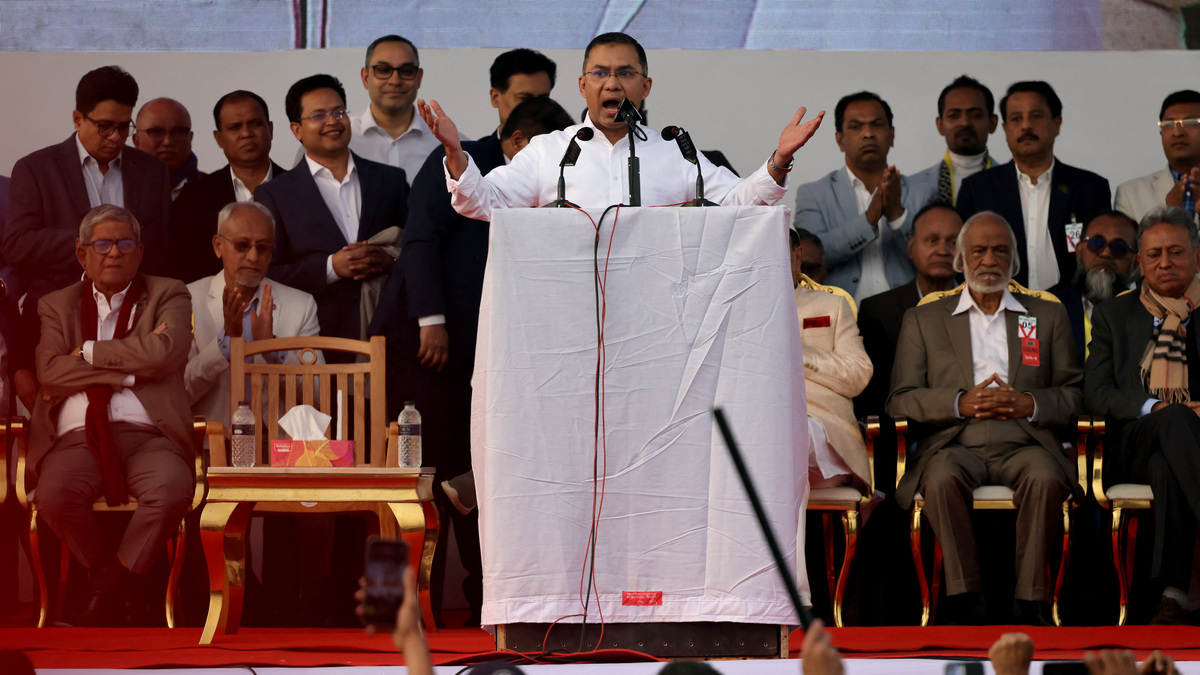
The geopolitical chessboard is being dramatically redrawn through Rahman's calculated political maneuver. By positioning himself as a "champion of democracy" and emphasizing national unity, he's attempting to rebuild political legitimacy after years of legal challenges and exile. His return follows the 2024 uprising that dramatically ousted previous leadership, creating a unique power vacuum that Rahman seems poised to fill.
For international businesses and cross-border traders, this represents a potential paradigm shift in Bangladesh's regulatory environment. Rahman's historical political influence—previously running a "shadow PMO" from Hawa Bhaban—suggests he understands how to leverage institutional power. His promises of a "safe Bangladesh for all religious groups" hint at potential policy liberalization that could attract increased foreign investment and create new market entry opportunities.
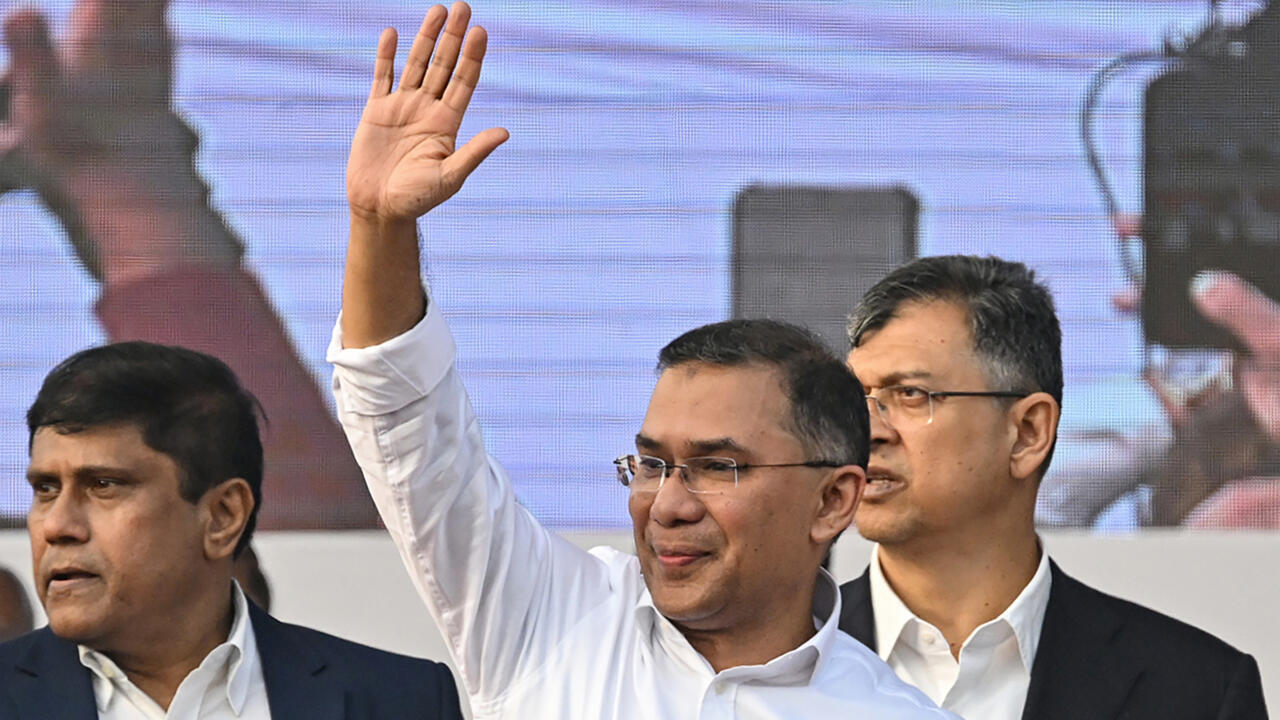
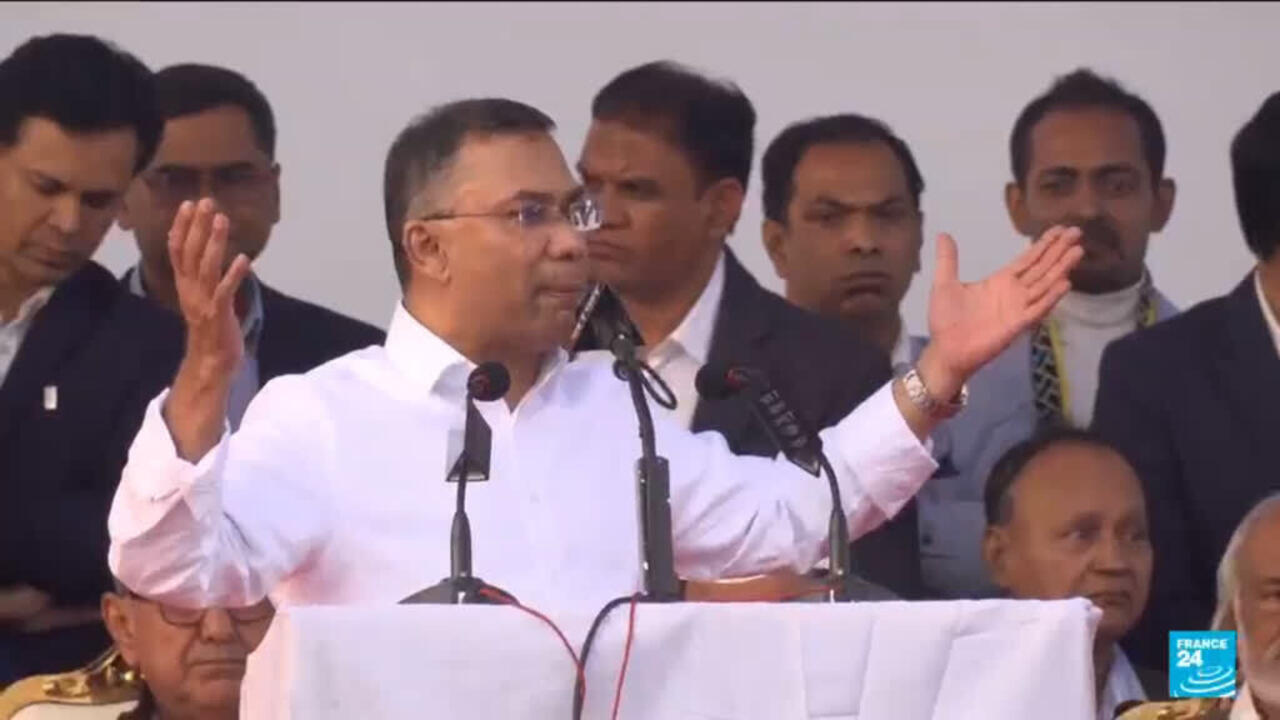
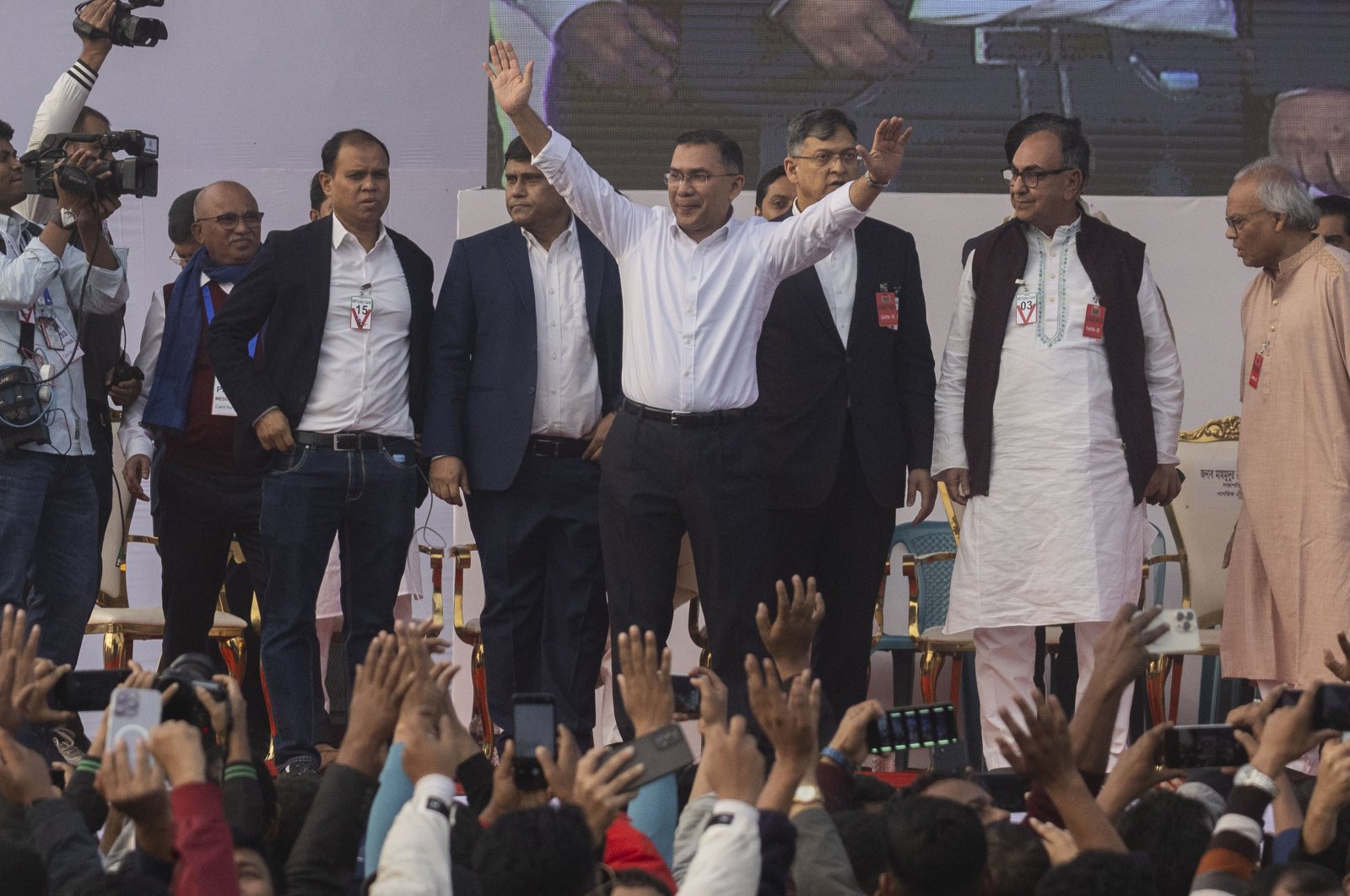
The timing is particularly strategic. With tens of thousands of supporters welcoming him and political analysts viewing his return as potentially stabilizing, Rahman is positioning the Bangladesh Nationalist Party (BNP) as a frontrunner in upcoming elections. This suggests a possible reset of Bangladesh's political framework, potentially attracting increased international engagement and creating new regulatory and economic environments for global stakeholders.
Investors and cross-border entities must closely monitor these developments. The potential policy changes, particularly regarding international relations and economic openness, could create significant market opportunities. The next 12-18 months will be crucial in determining whether Rahman can translate his political return into substantive governance transformation.
Questions 3
What makes Tarique Rahman's return strategically significant for Bangladesh?
Rahman's return represents a potential political reset after years of turbulence. By timing his comeback before the February 2026 election and positioning himself as a 'democracy champion', he aims to rebuild political legitimacy and potentially reshape Bangladesh's governance framework, creating opportunities for policy transformation.
How might Rahman's return impact international business and investment in Bangladesh?
His promises of national unity and historical political experience suggest potential regulatory liberalization. International businesses should anticipate possible shifts in trade policies, economic strategies, and market access. The next 12-18 months will be critical for understanding the depth of potential systemic changes.