


China's Military Aerospace Expansion: Rewriting Global Defense Market Dynamics
- Strategic military exports reshape geopolitical influence and international procurement landscapes




Overview
The global defense market stands on the cusp of a transformative shift as China's military aerospace sector emerges as a formidable alternative to traditional Western manufacturers. By 2035, China is positioning itself not just as a military power, but as a strategic global defense technology exporter with unprecedented ambition.
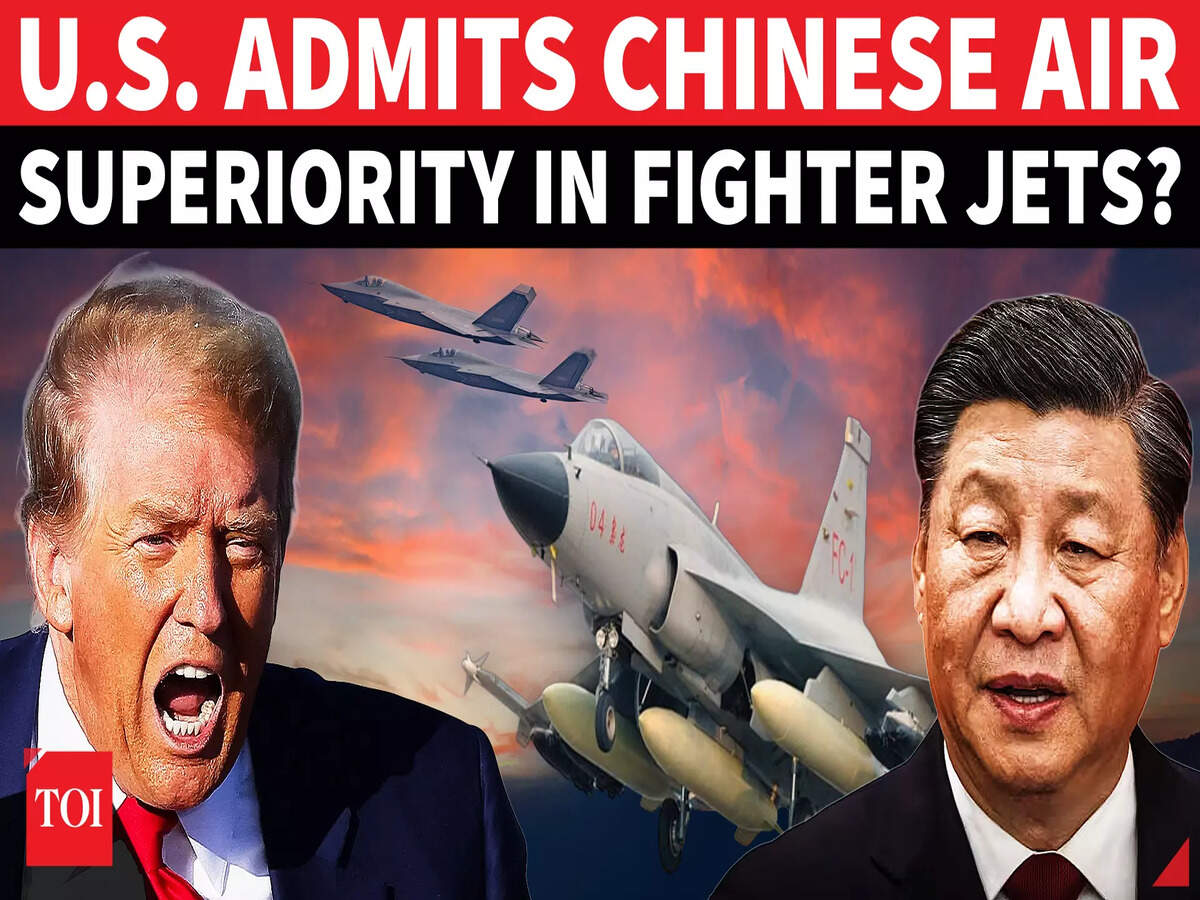
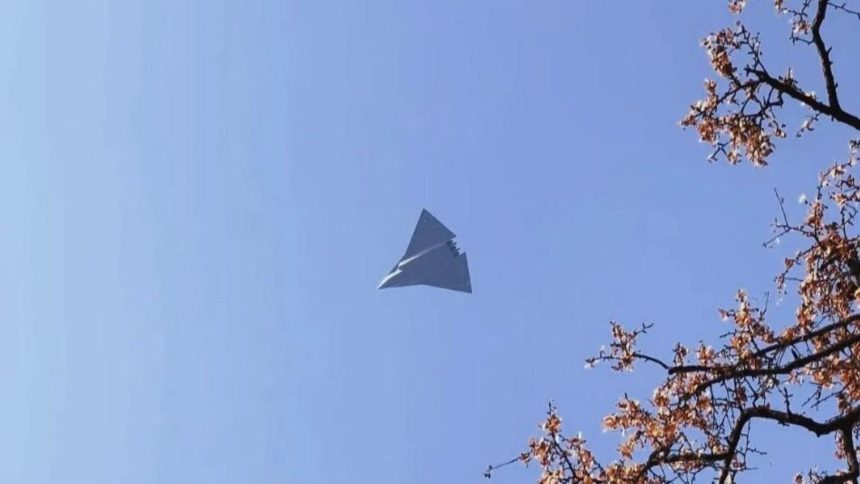
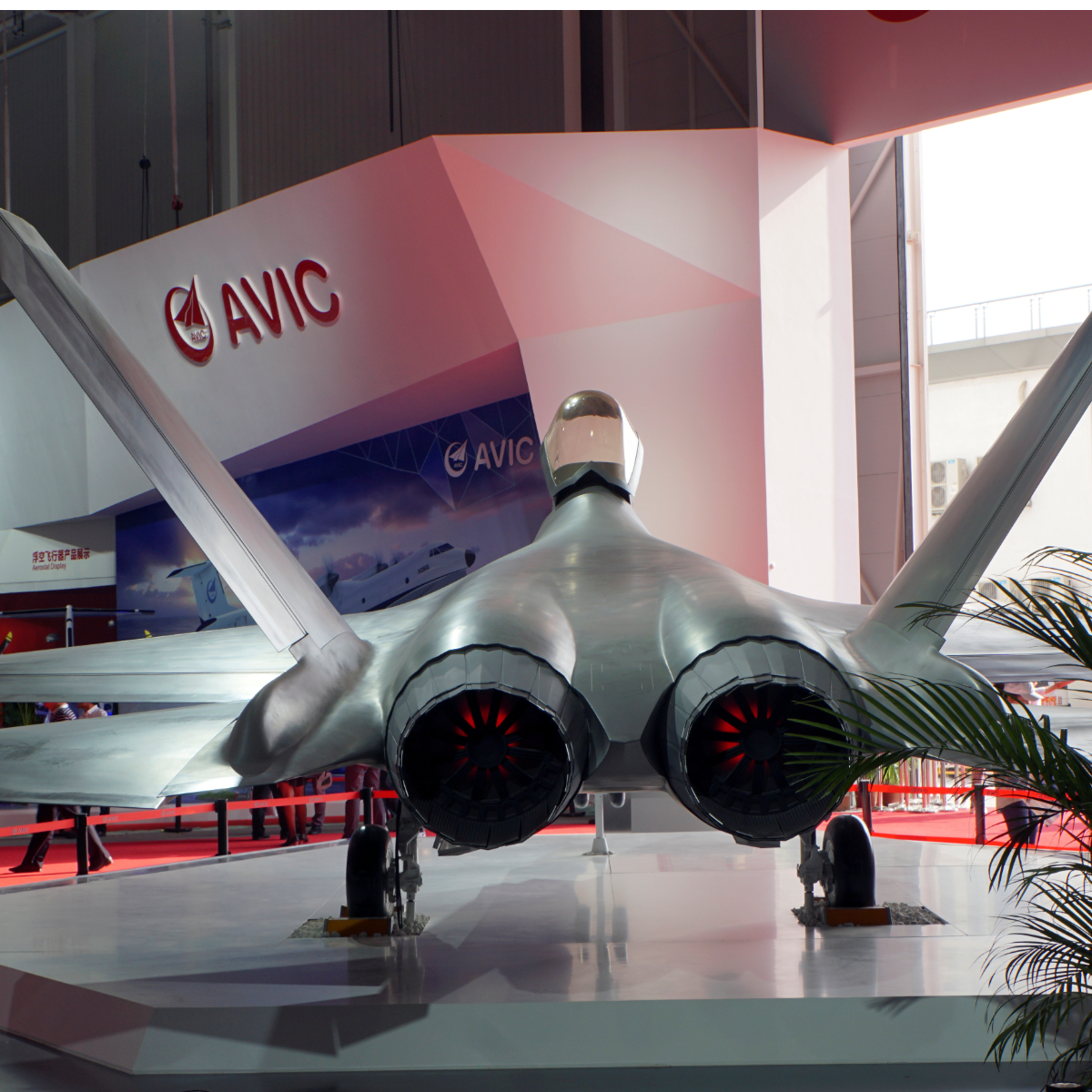
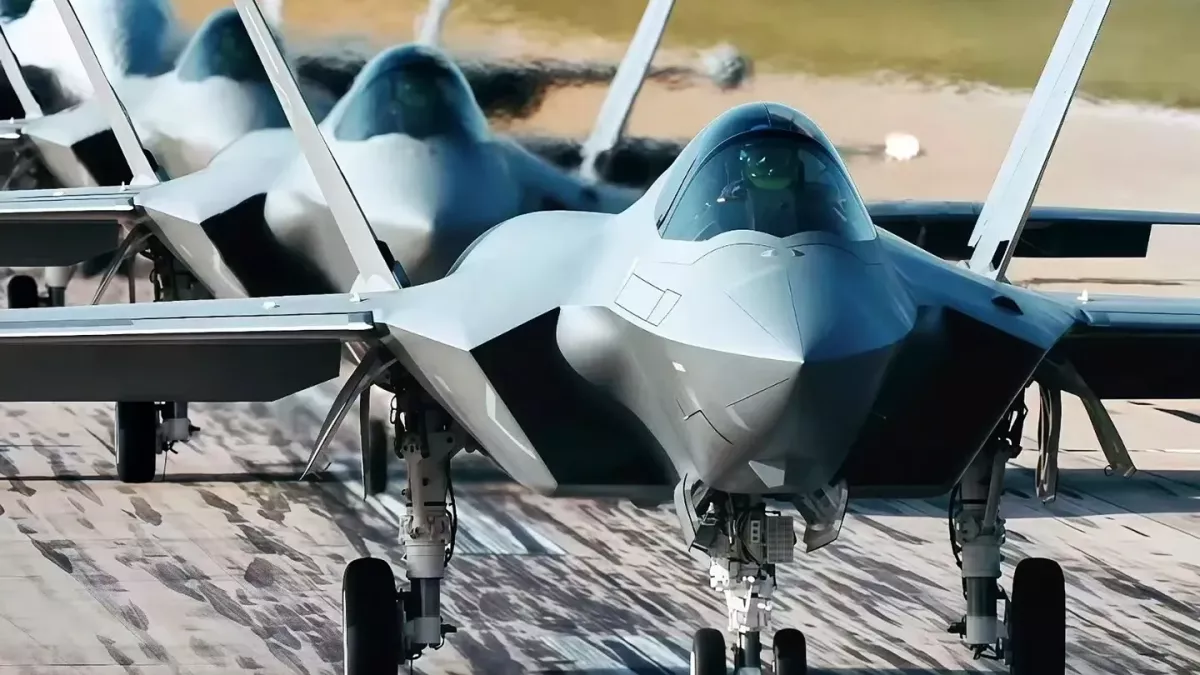
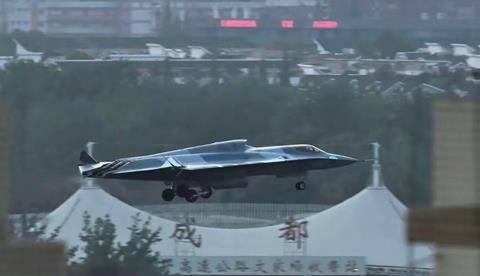
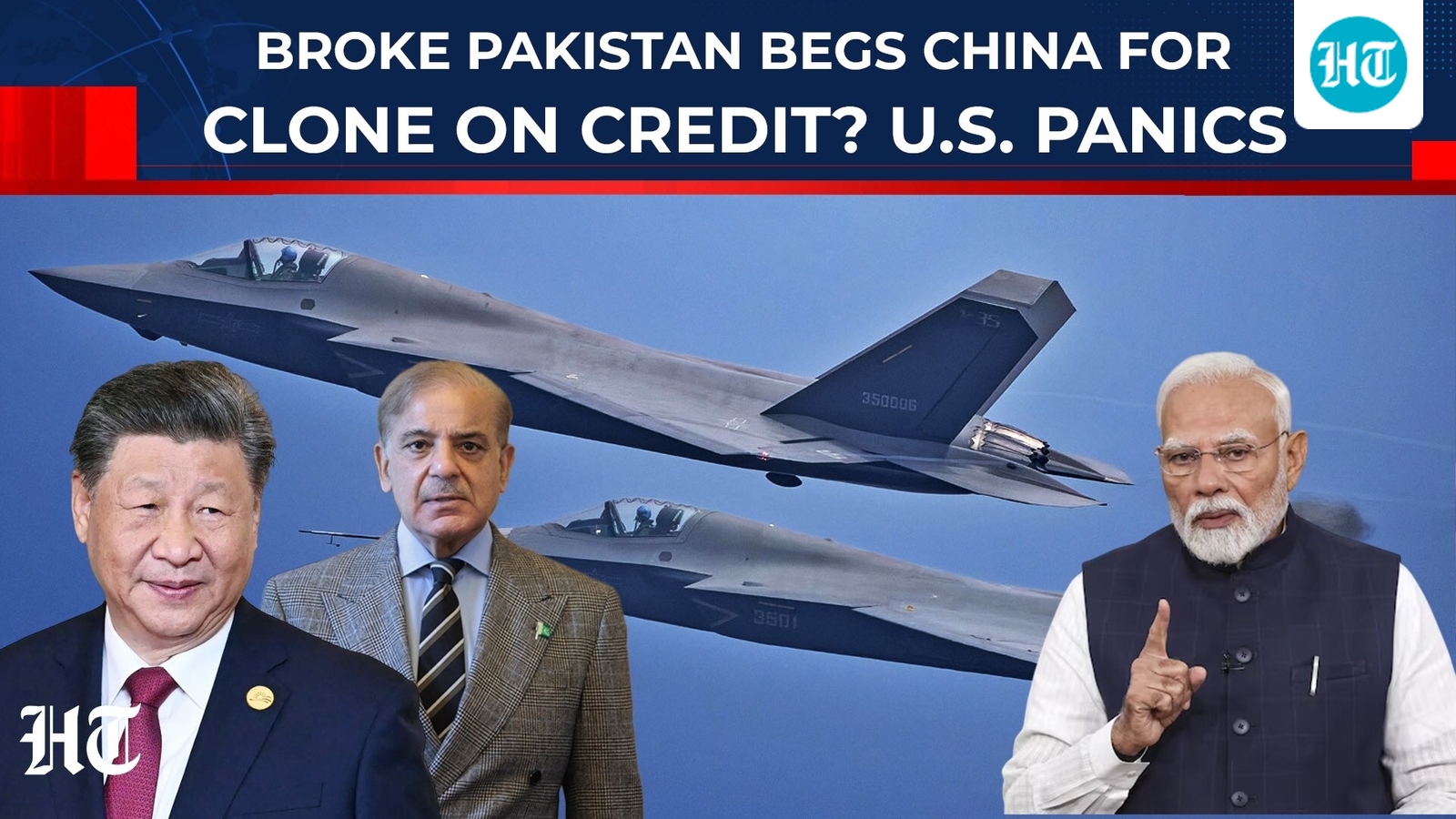
Technological innovation lies at the heart of this expansion. The fifth-generation FC-31 stealth fighter represents China's most sophisticated export offering, targeting Middle Eastern markets like Saudi Arabia and the UAE as potential alternatives to the F-35. Despite no confirmed foreign orders as of May 2025, the aircraft signals China's rapid technological advancement in aerospace capabilities. This isn't merely about selling hardware—it's about creating new geopolitical and economic partnerships.
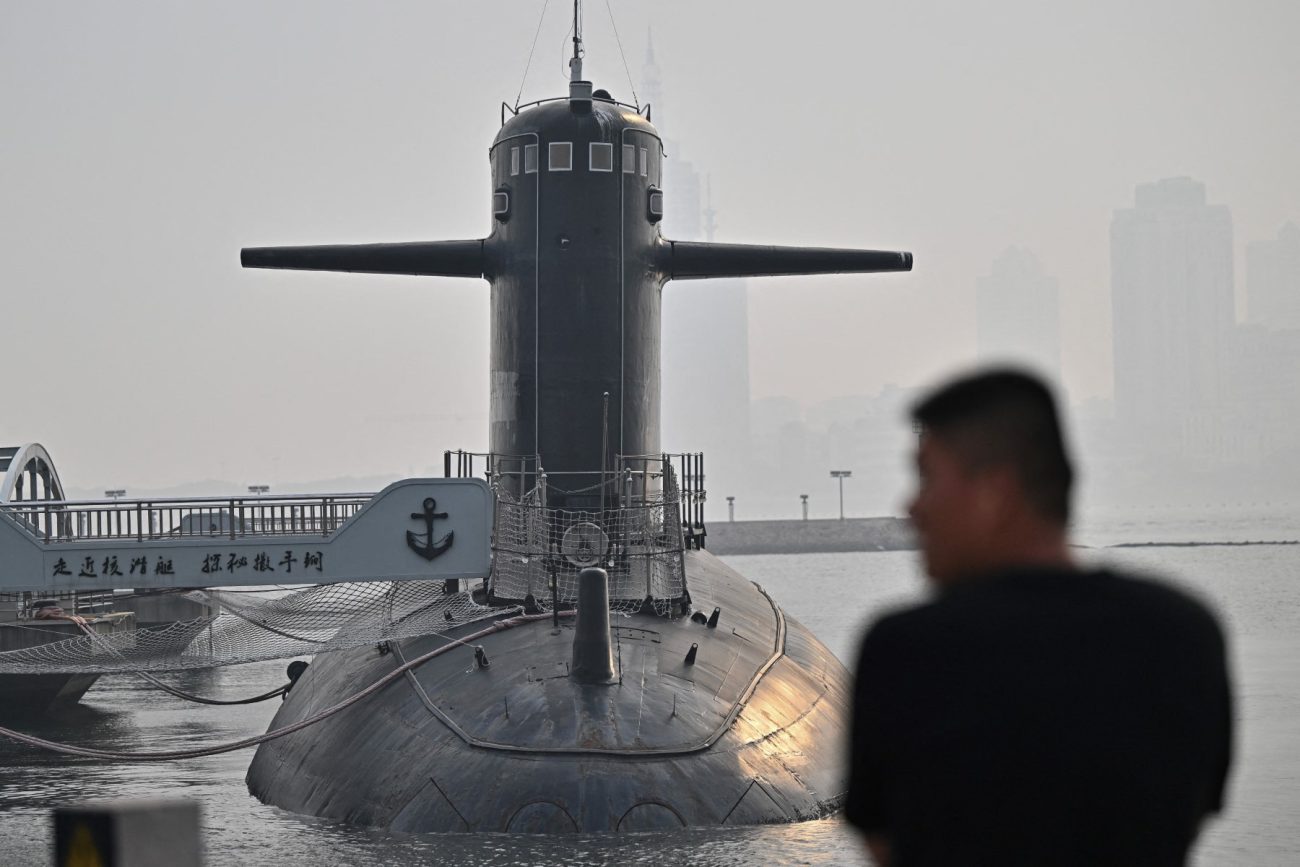
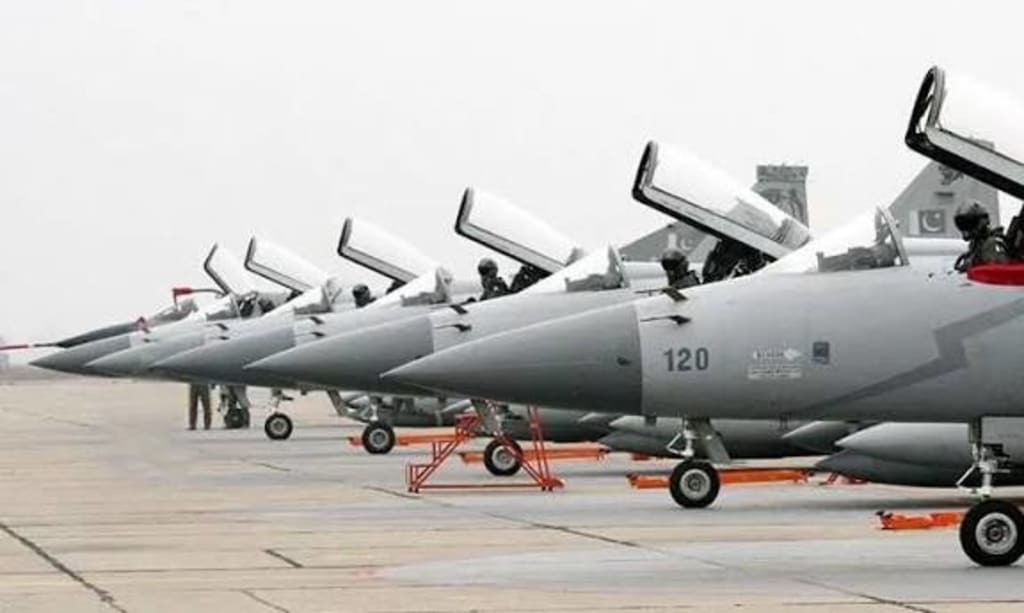
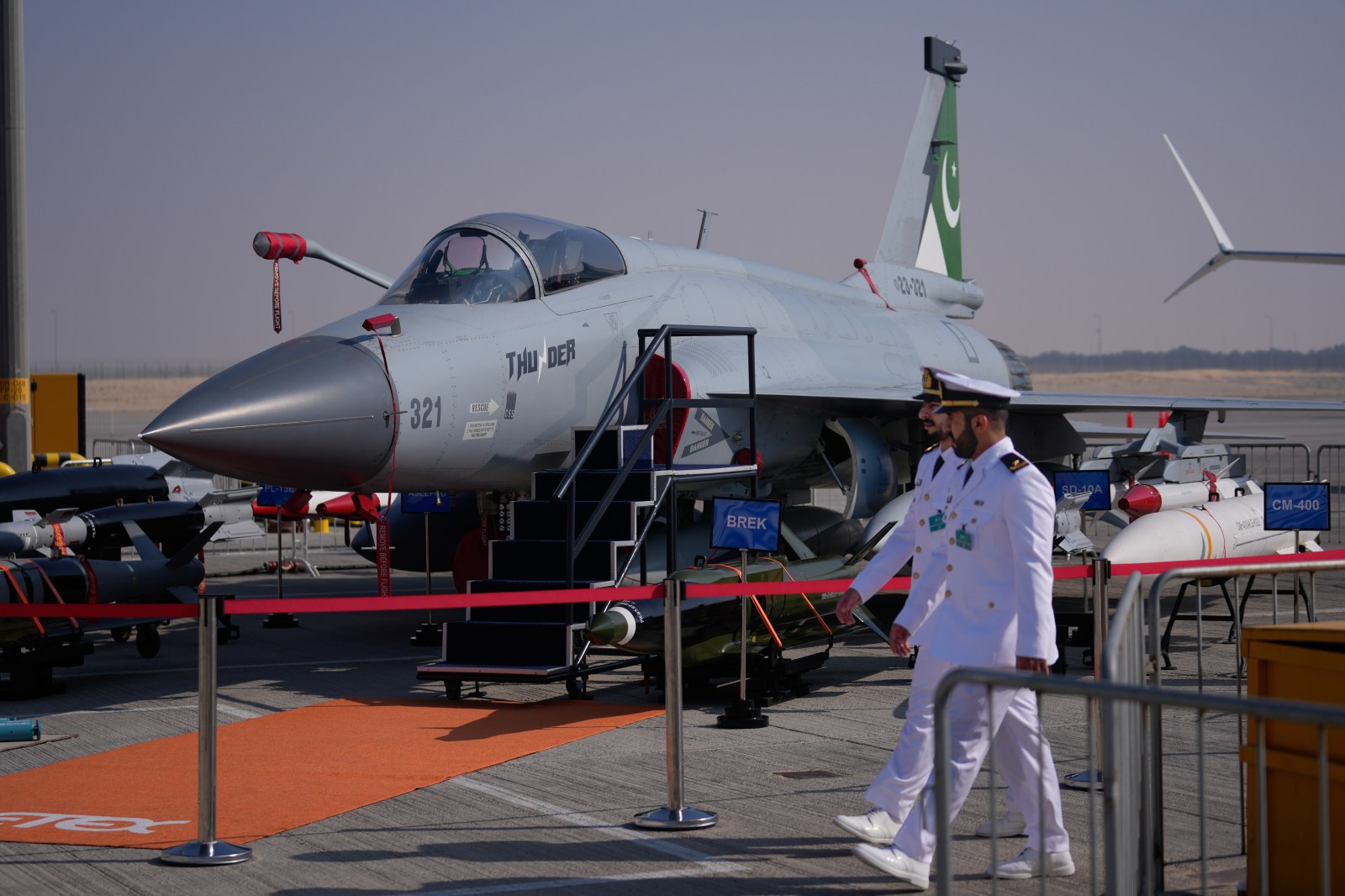
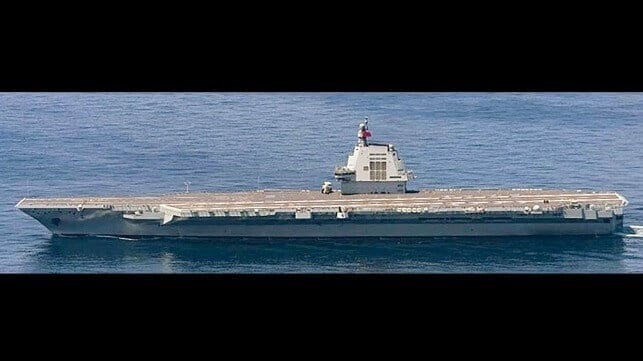
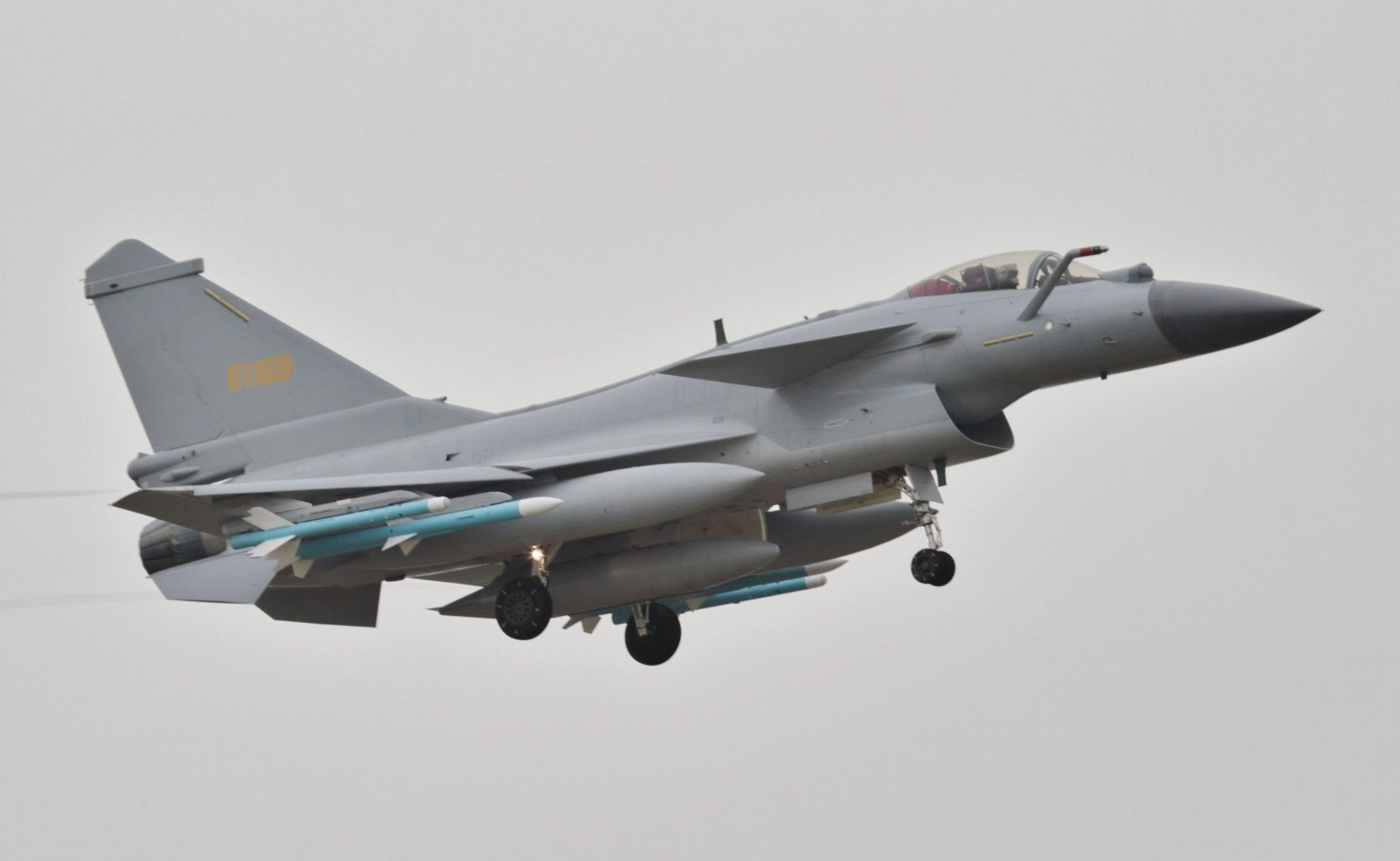
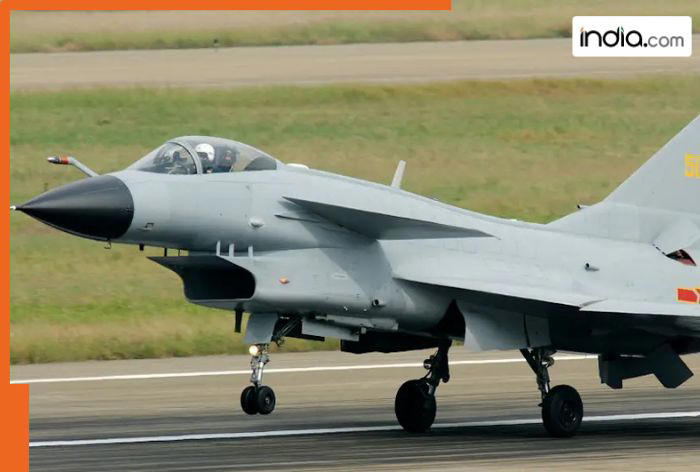
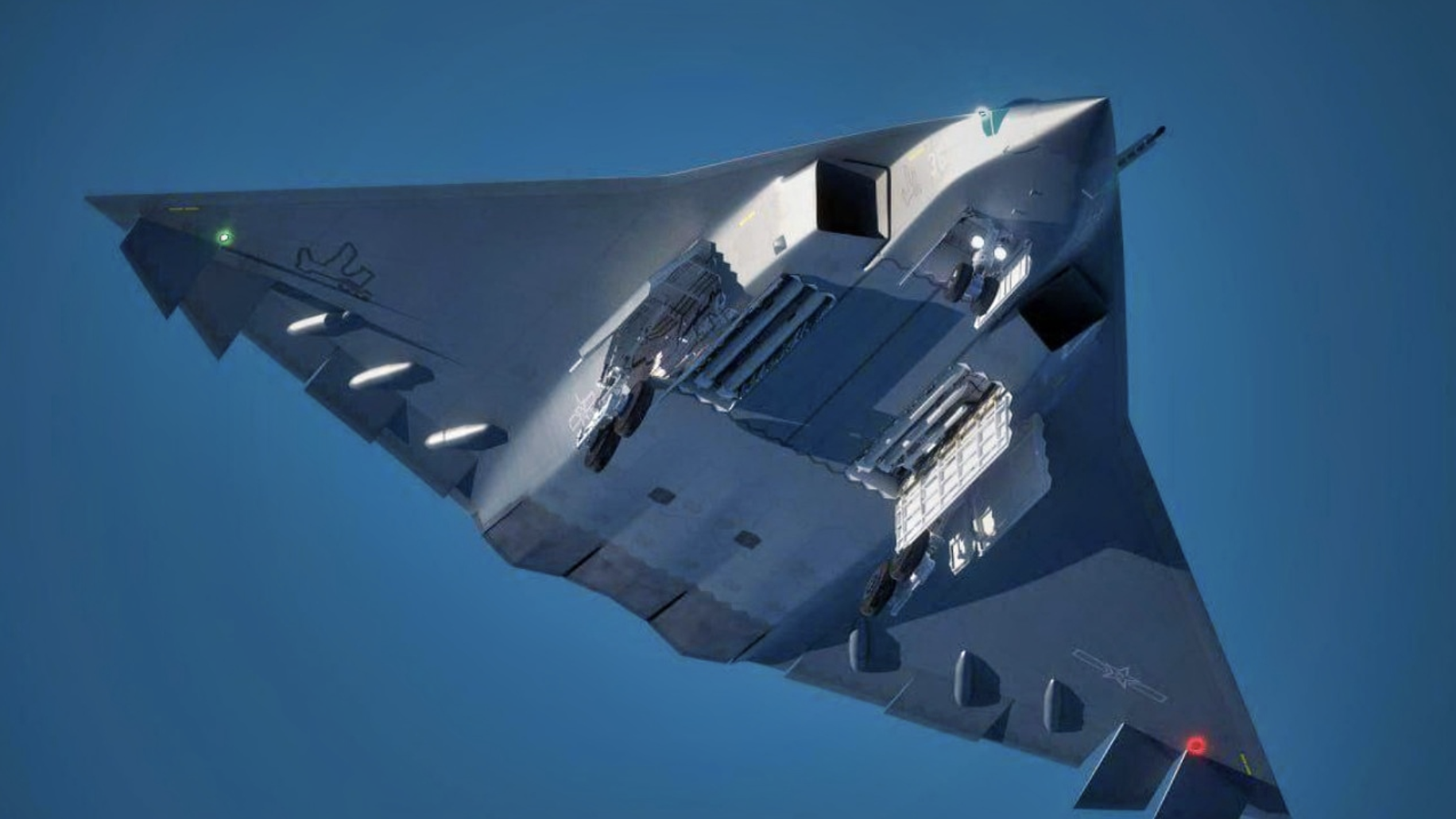
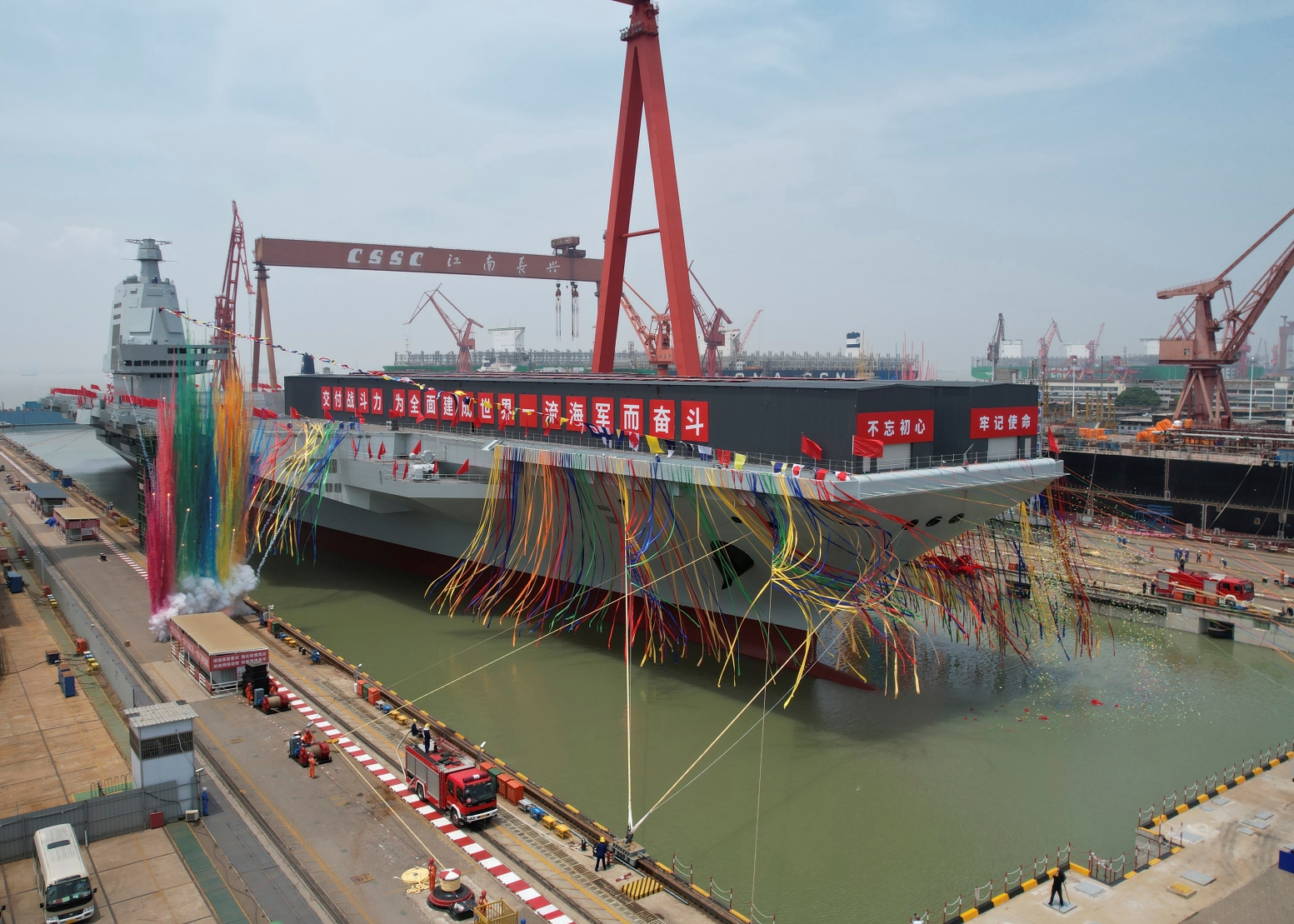
The strategy extends beyond individual aircraft. China is developing a comprehensive aerospace ecosystem that includes multiple fighter models (FC-31, J-10C, JF-17), uncrewed combat systems, and an ambitious naval carrier program targeting nine carriers by 2035. The JF-17 Thunder has already demonstrated market potential, with export milestones including sales to Myanmar, Nigeria, and Azerbaijan, totaling billions in defense contracts.
What makes China's approach distinctive is its holistic strategy. Unlike traditional arms exporters, China offers flexible payment terms, trade offsets, and extended financing. This approach transforms military exports from transactional sales into strategic relationship-building tools. The Belt and Road initiative provides the diplomatic infrastructure, allowing these defense technologies to become conduits of broader economic and political influence.
For international defense markets, this represents a fundamental disruption. Developing nations now have a cost-effective, politically less-encumbered alternative to Western defense procurement. The competitive landscape is shifting from technological superiority to strategic accessibility—and China is positioning itself as the new architect of this transformation.
Questions 3
How is China changing the global defense export market?
China is introducing more flexible, politically neutral defense technologies with competitive pricing. By offering advanced fighters like the FC-31 and JF-17 with attractive financing terms, China is creating an alternative procurement pathway for developing nations, challenging traditional Western defense market dominance.
What makes the FC-31 significant in the global fighter jet market?
The FC-31 represents China's most advanced stealth fighter export, designed specifically for international markets. While no foreign orders are confirmed as of 2025, it signals China's technological capabilities and provides a potentially lower-cost alternative to the F-35, particularly attractive to Middle Eastern countries seeking advanced defense capabilities.