


)
Baltic Sea Tensions Escalate: Poland's Strategic Air Defense Signals Geopolitical Pressure Points
- Emerging Geopolitical Risk Landscape Reshapes Cross-Border Trade and Logistics Strategies





Overview
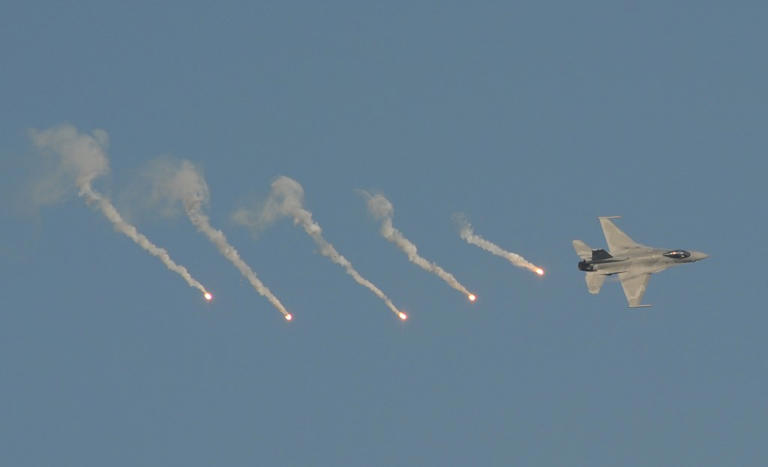
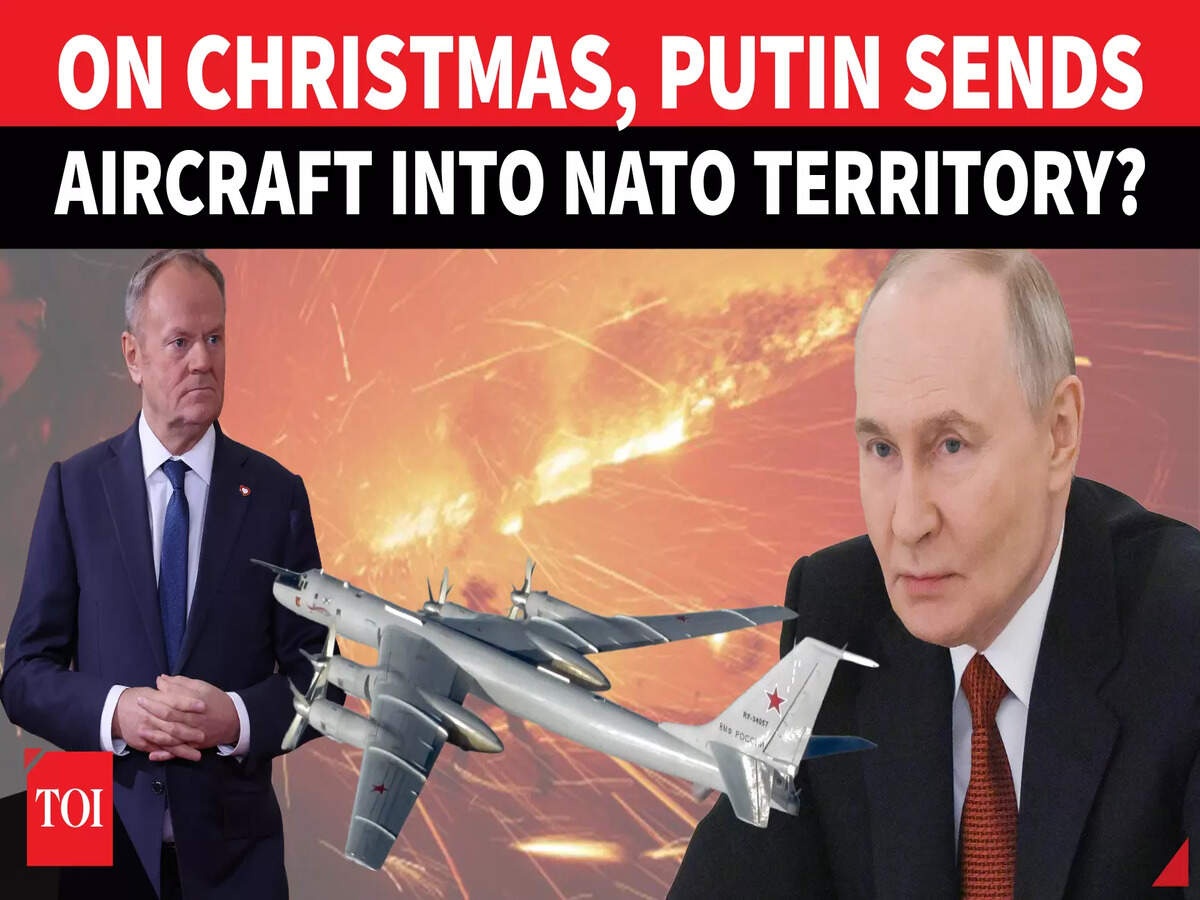
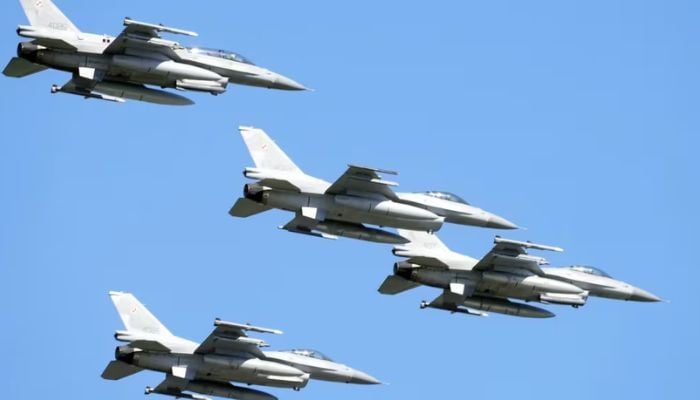
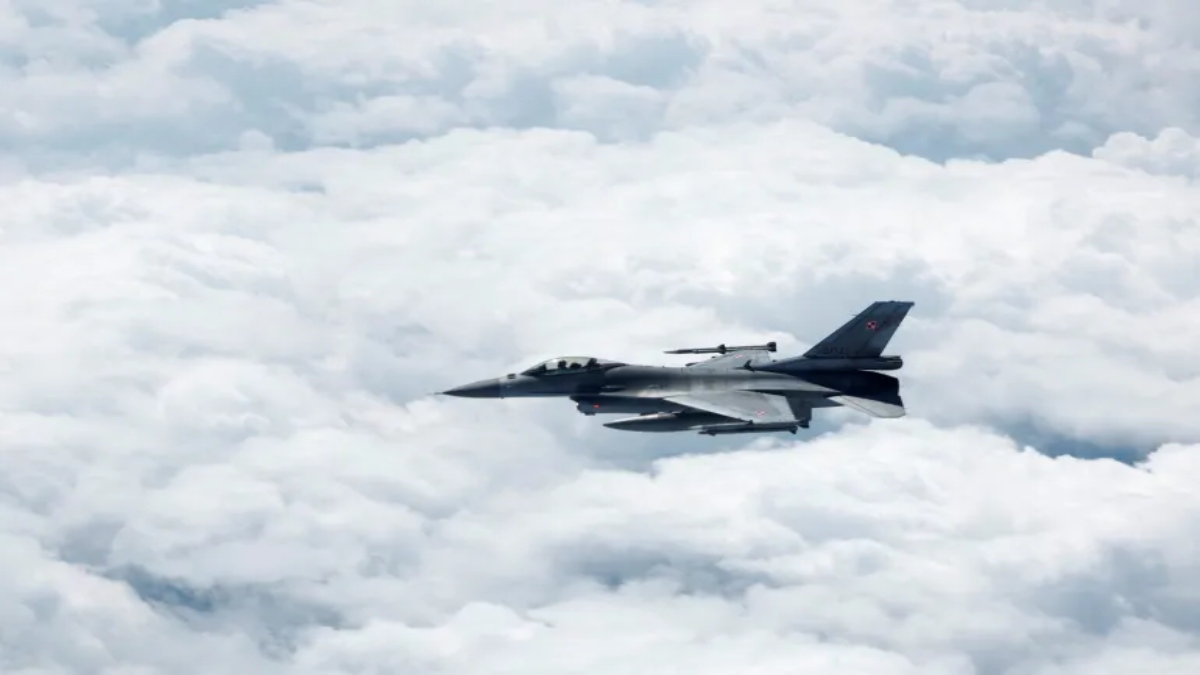
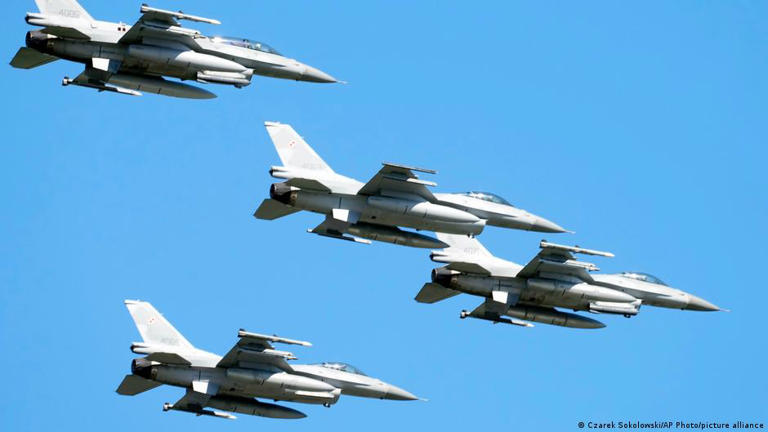
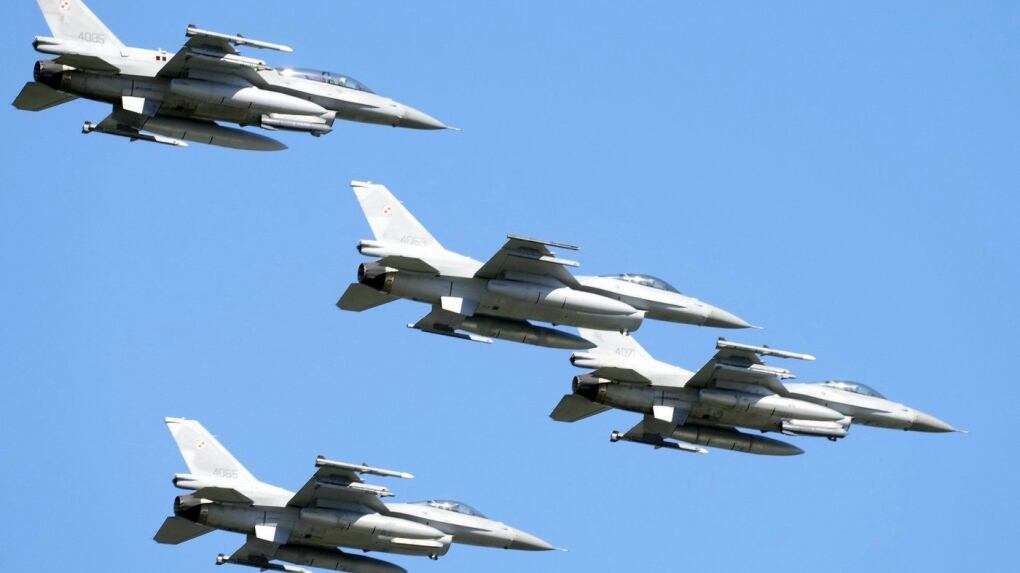
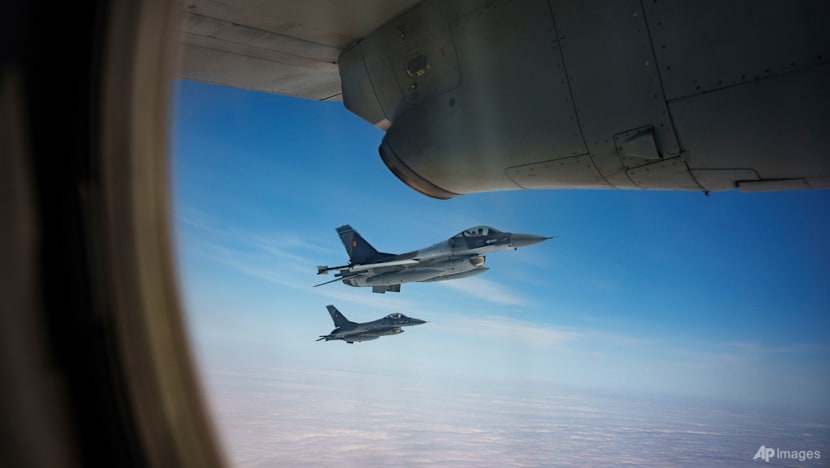
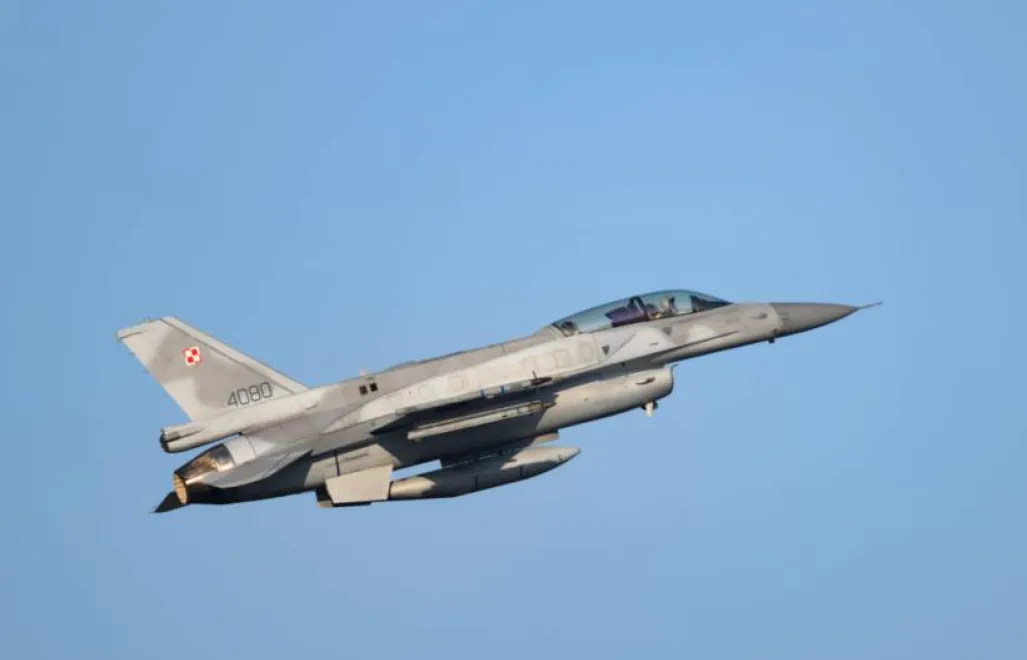
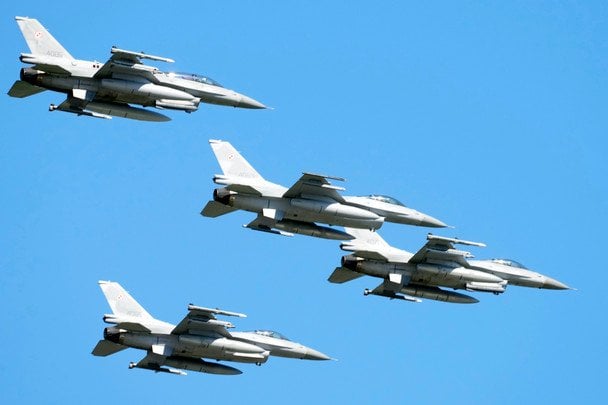
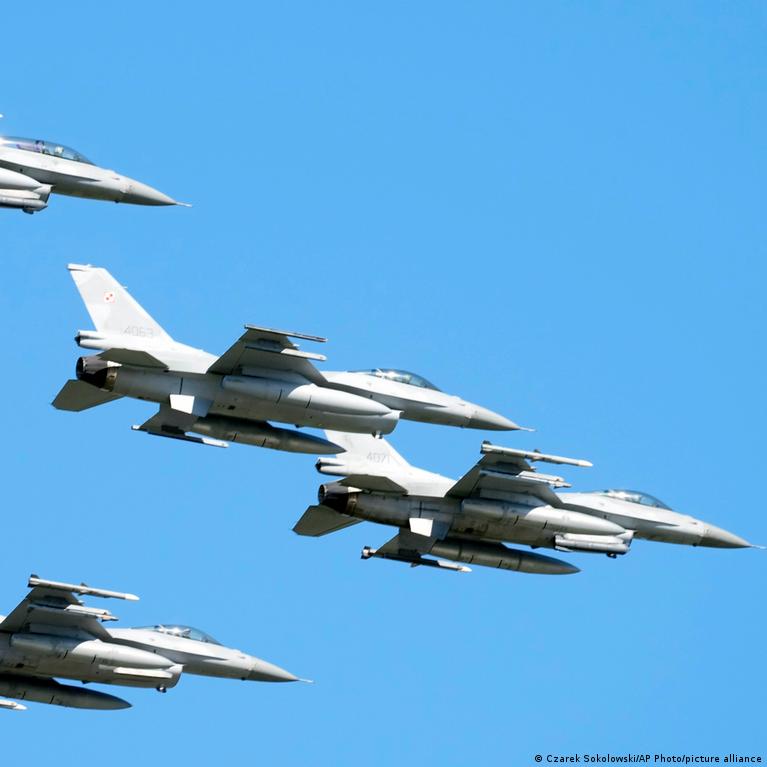
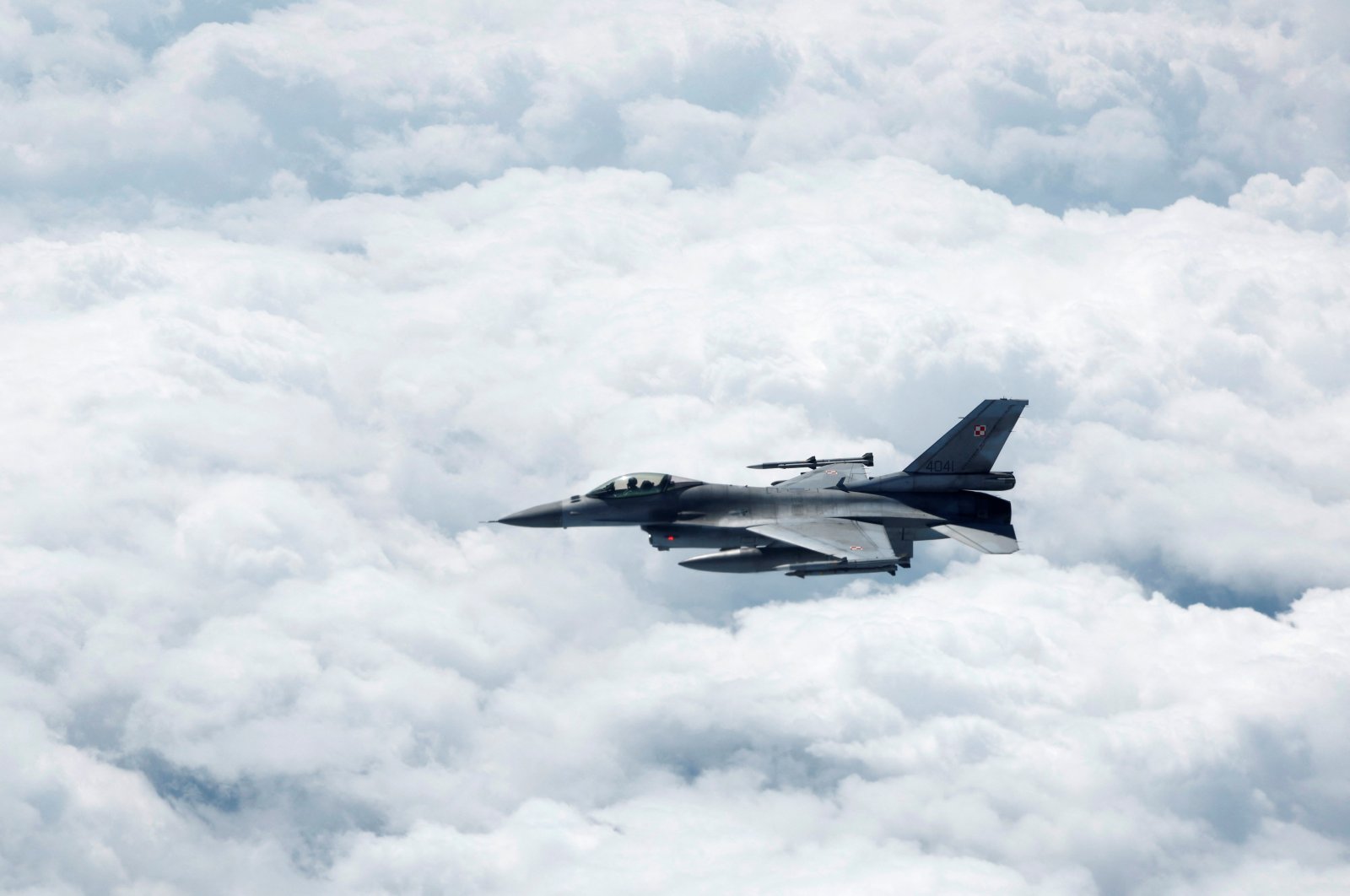
The recent Polish air defense incidents reveal a critical inflection point in Eastern European geopolitical dynamics, where routine surveillance has transformed into a high-stakes strategic chess match. On Christmas morning and December 26, 2025, Polish military forces demonstrated unprecedented vigilance by intercepting a Russian reconnaissance aircraft near their airspace, simultaneously tracking suspected smuggling balloons from Belarus.
Strategic Significance: These events are far more than isolated security incidents. With nearly 20,000 Polish soldiers monitoring national borders during the holiday period, the response signals a systematic, calculated approach to regional security. The intercepts occurred in international waters, but their implications stretch far beyond immediate territorial concerns. For cross-border e-commerce and logistics operators, these developments represent a profound shift in operational risk management.
The Baltic Sea region has emerged as a critical geopolitical pressure point, where military preparedness directly intersects with commercial mobility. The Polish military's Operational Command's swift response—visually identifying and escorting Russian aircraft away—demonstrates a nuanced strategy of controlled deterrence. This approach goes beyond traditional military posturing, effectively communicating strategic boundaries without escalating to direct confrontation.
Critically, these incidents follow a significant September event where Poland and NATO forces shot down multiple Russian drones, marking the largest airspace incursion since the Ukraine invasion. The pattern suggests an evolving landscape of hybrid geopolitical tension, where traditional military engagement blends with sophisticated surveillance and psychological positioning.
For international trade operators, the message is clear: regional security dynamics are no longer background noise but a critical variable in logistics planning. Businesses with supply chains near Polish, Belarusian, or Russian borders must develop adaptive strategies that can rapidly recalibrate around emerging geopolitical constraints. The ability to maintain operational flexibility while navigating these complex regional tensions will separate resilient enterprises from vulnerable ones.
Questions 3
What should international logistics companies do to mitigate risks in the Baltic Sea region?
Companies should implement multi-layered risk mitigation strategies, including real-time geopolitical intelligence tracking, diversified shipping routes, enhanced communication protocols with local authorities, and flexible contractual frameworks that allow rapid operational pivots in response to emerging regional tensions.
How do these Polish air defense incidents impact cross-border trade operations?
These incidents underscore the need for businesses to develop highly adaptive logistics strategies. Companies must now factor in geopolitical volatility as a core operational risk, potentially requiring multiple contingency routes, enhanced real-time monitoring, and flexible supply chain configurations to navigate potential regional disruptions.