


Pakistan Security Crisis Disrupts South Asia Supply Chains | Cross-Border Seller Impact
- Islamabad mosque bombing kills 32+, triggers security lockdowns affecting Pakistan-based sellers and logistics networks; heightened border controls impact cross-border e-commerce to/from region










Overview
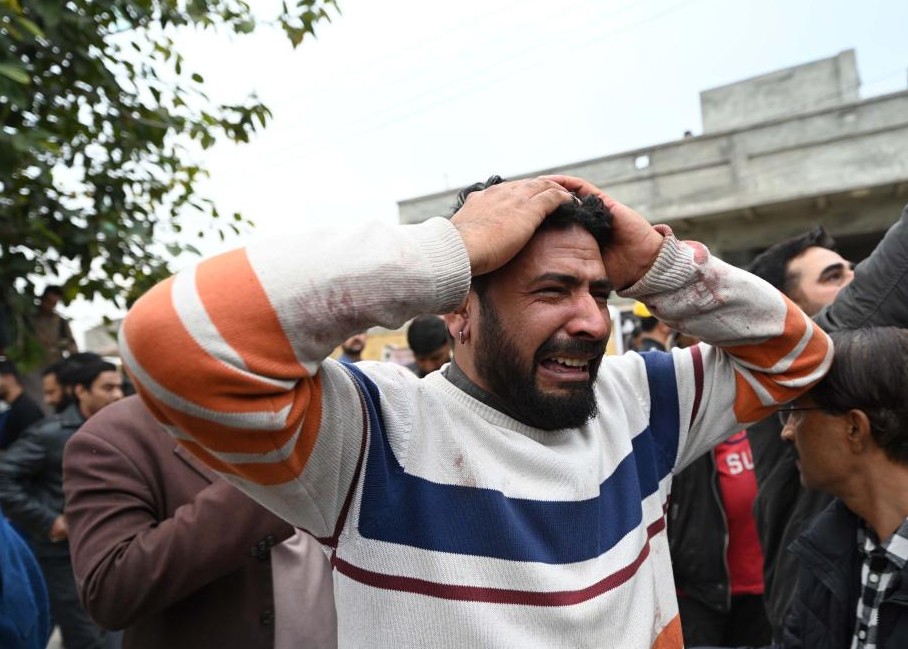
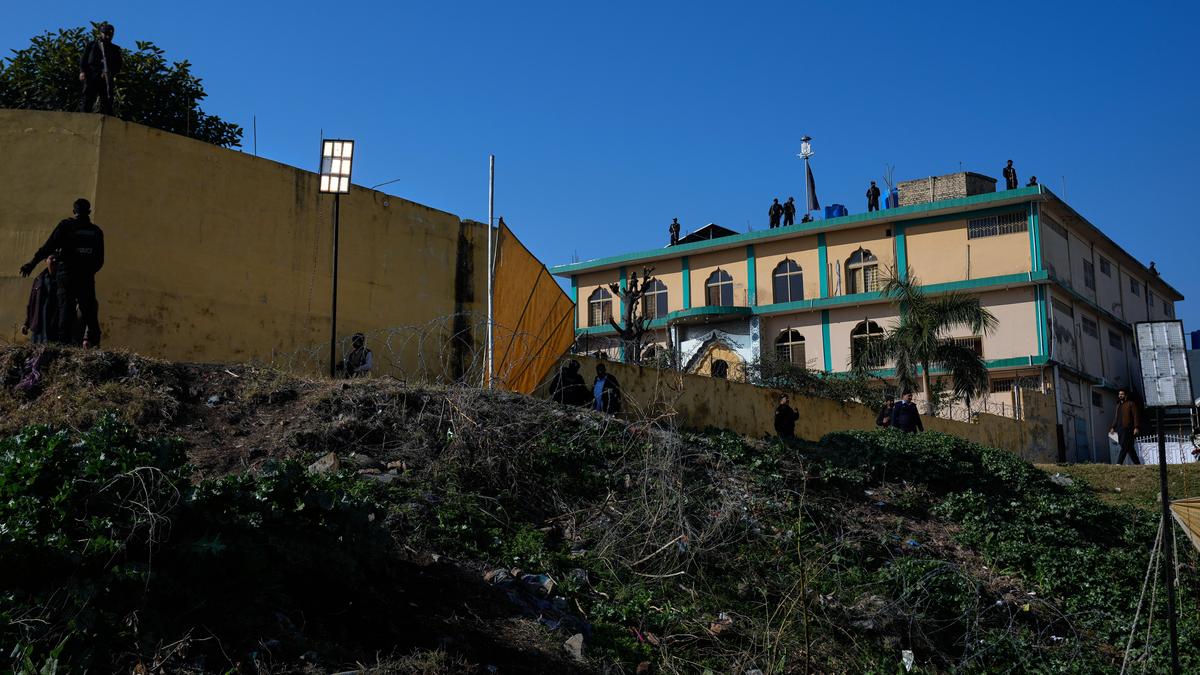
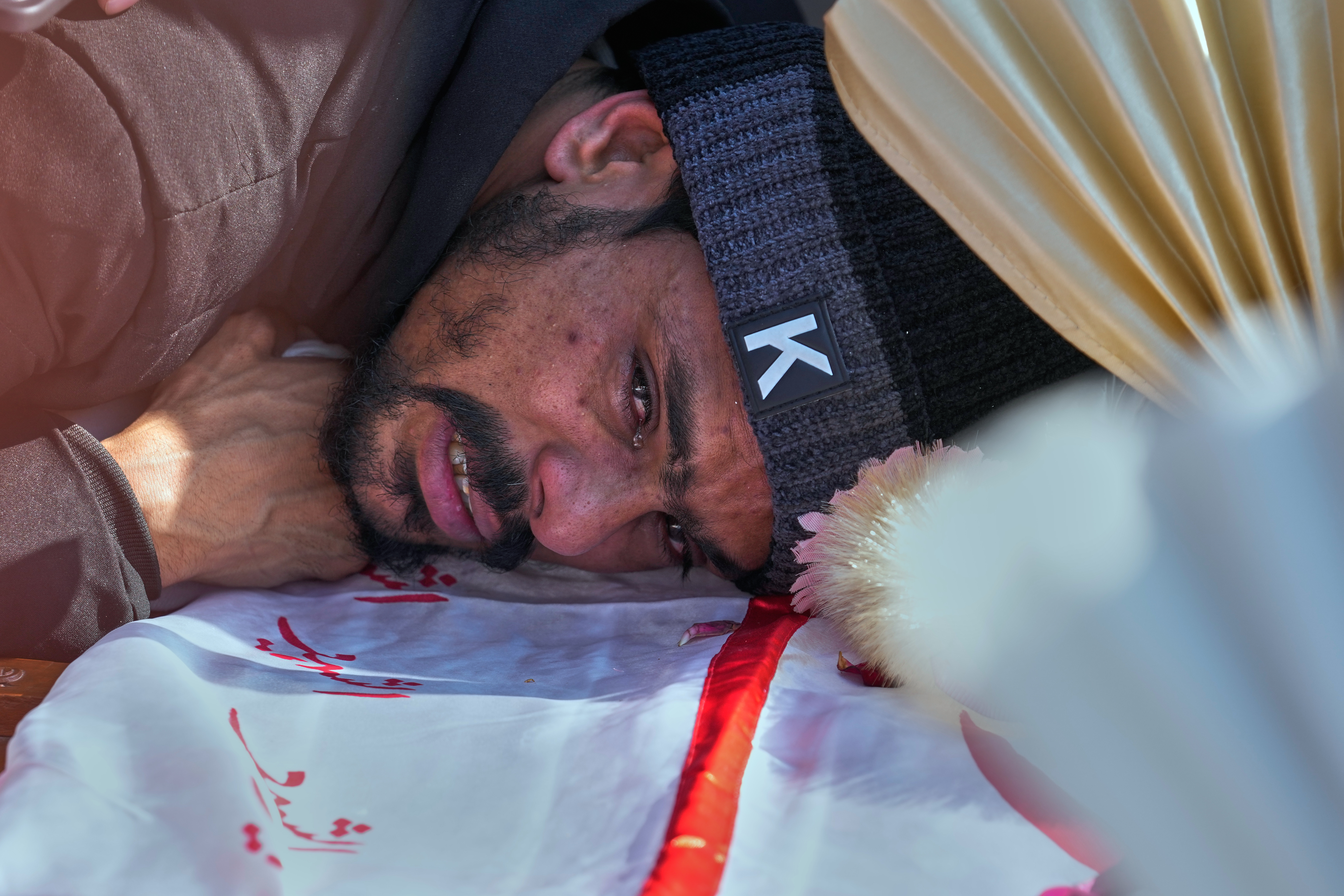
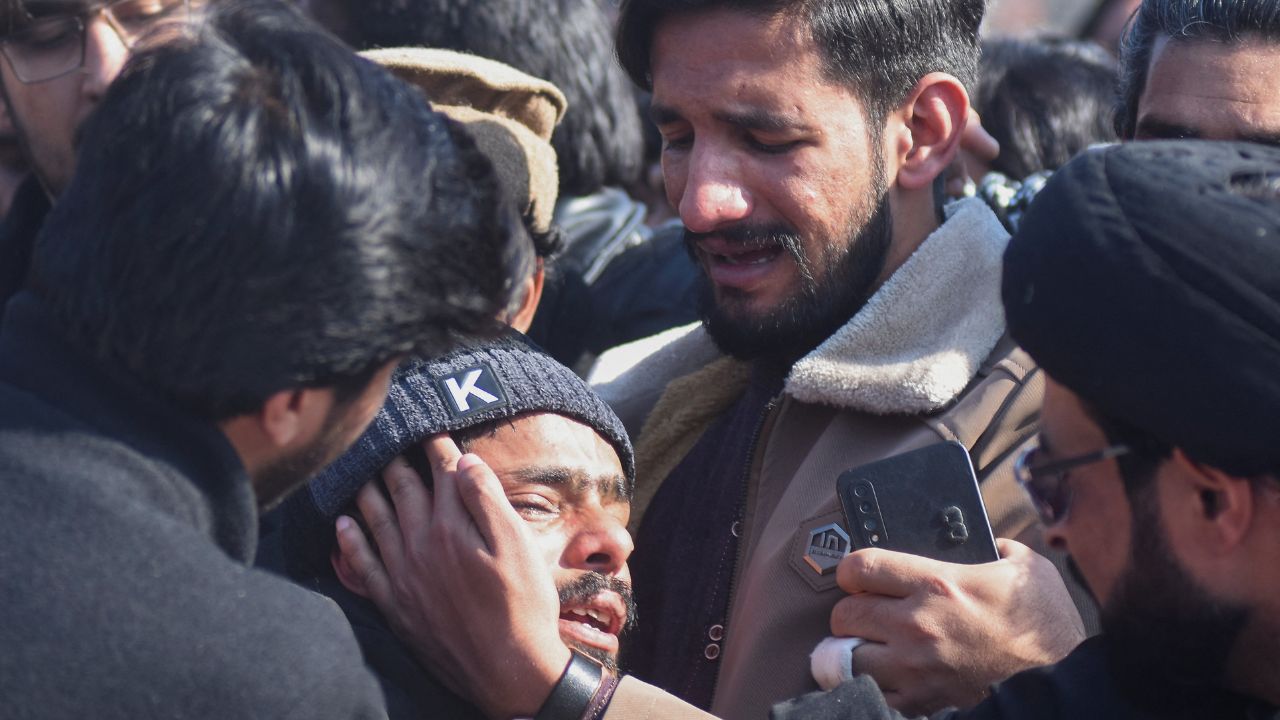
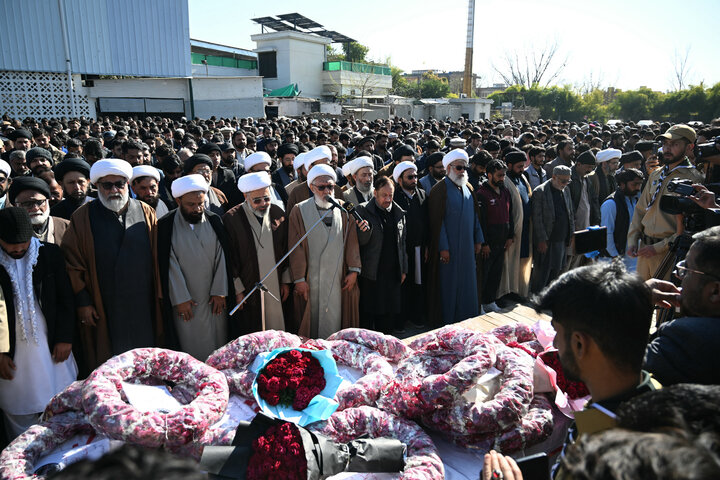
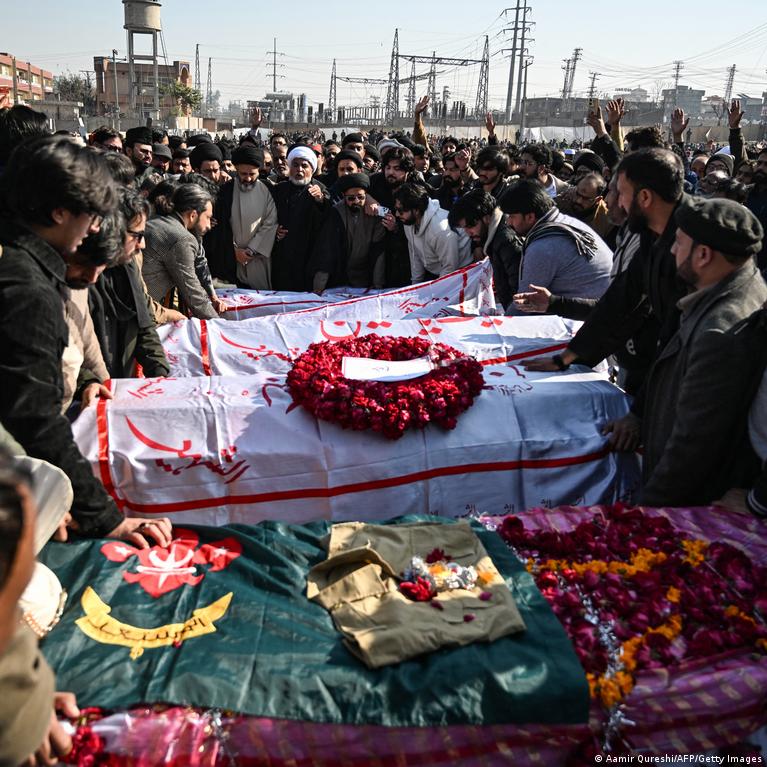
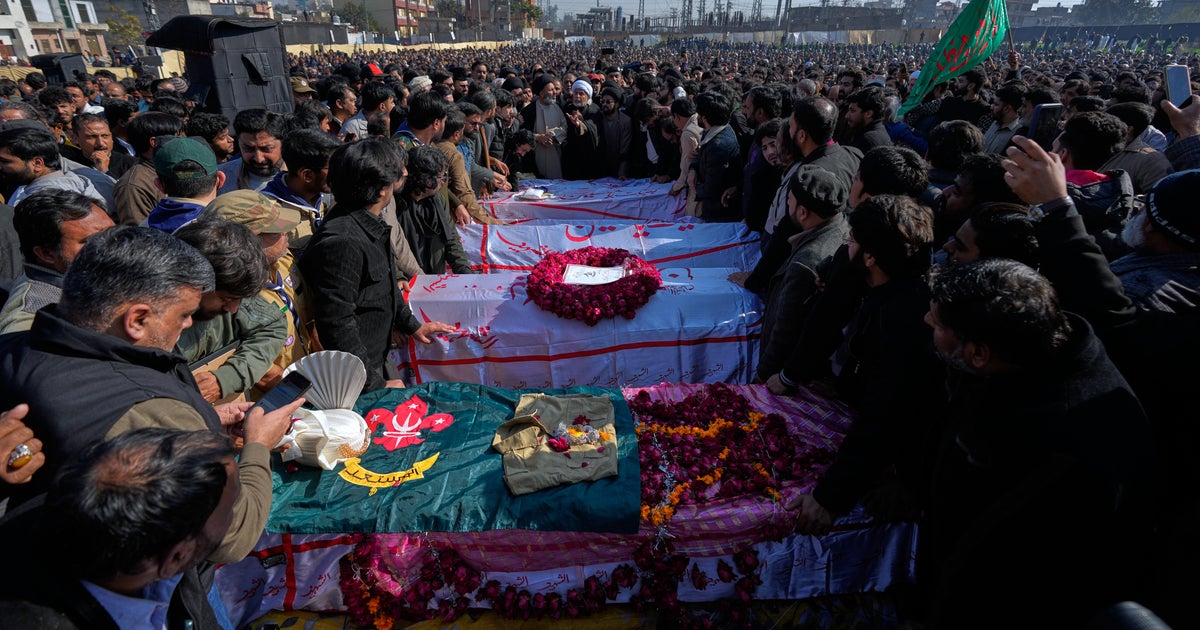
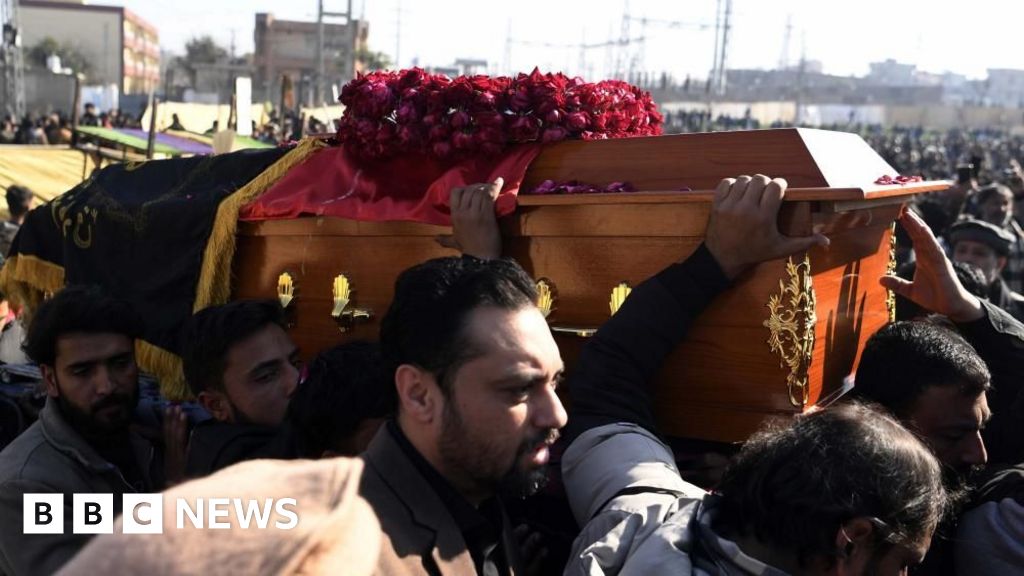
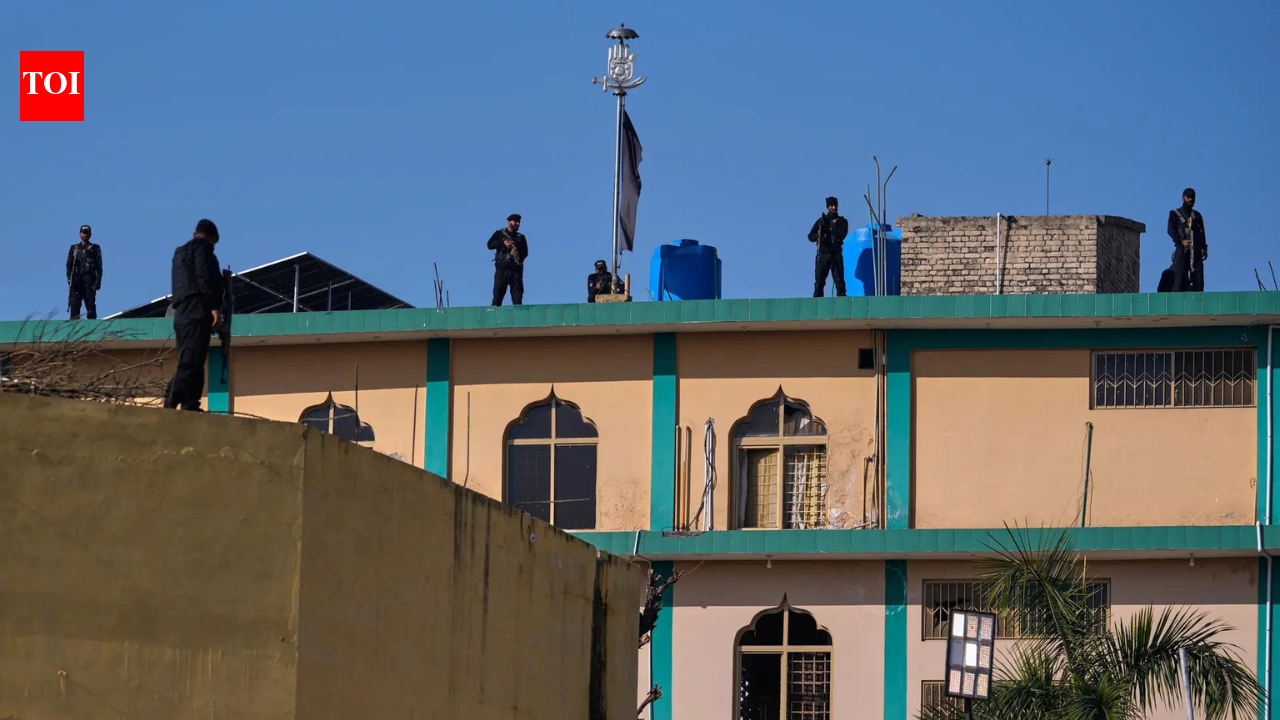
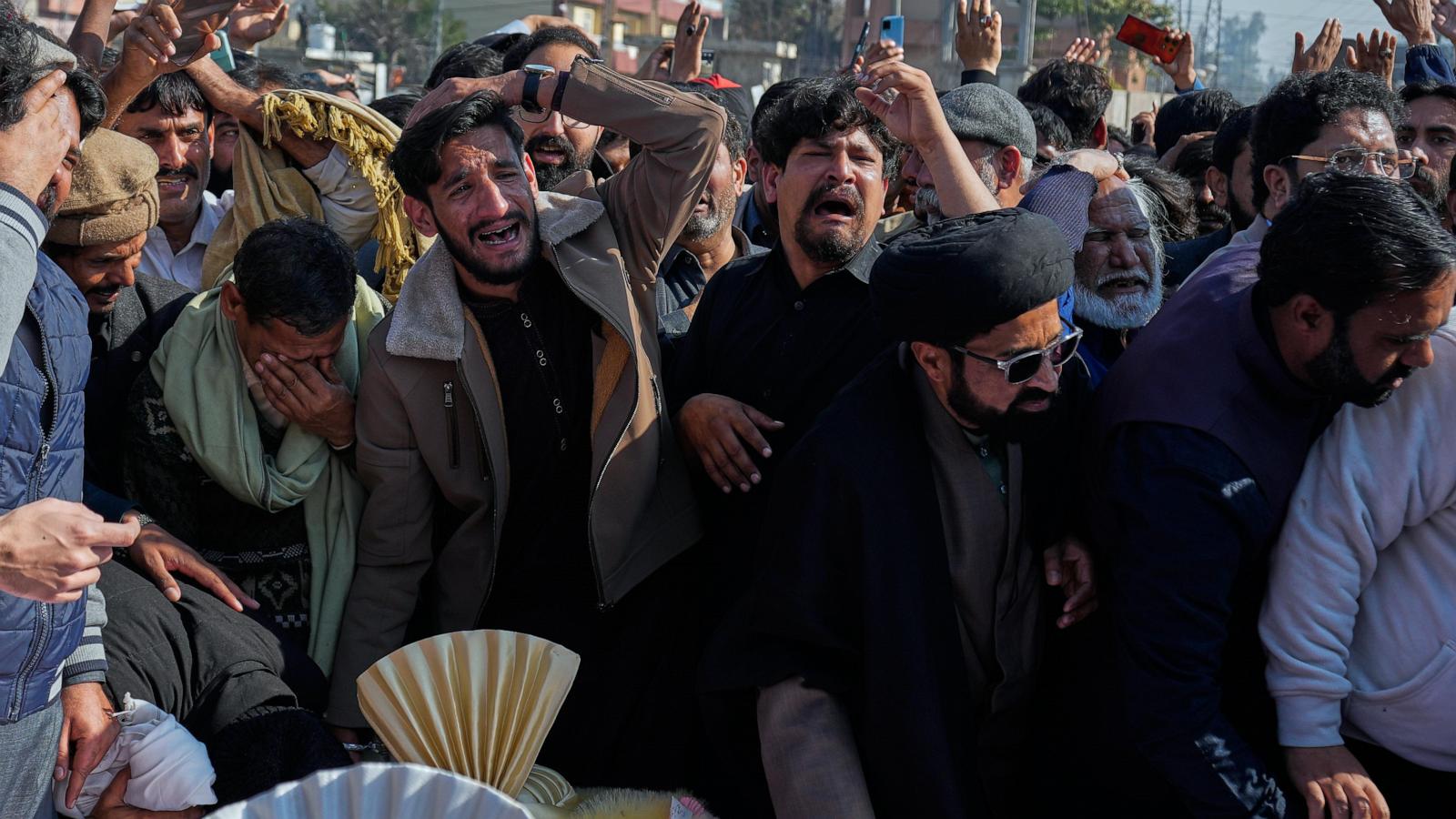
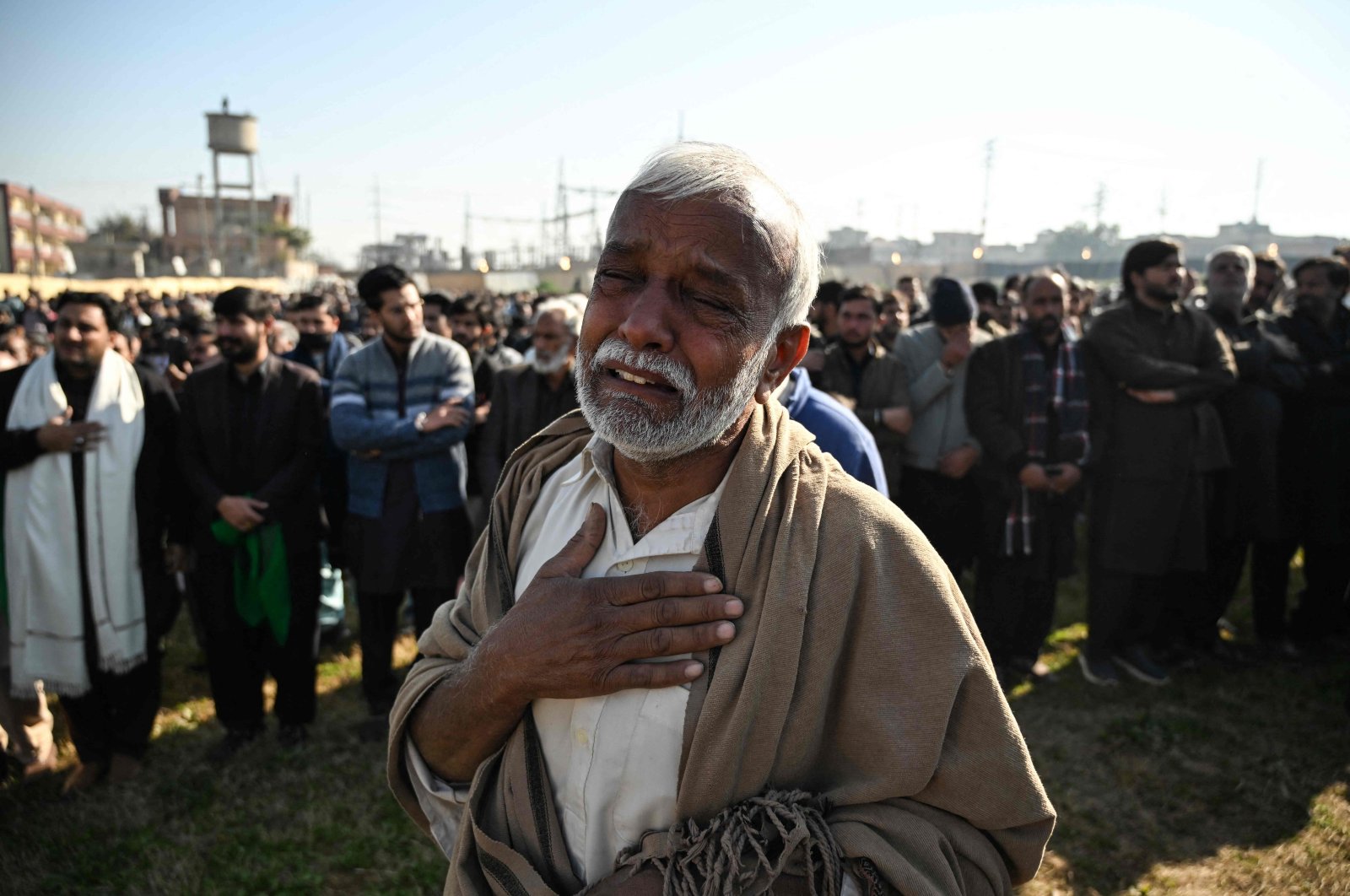
The February 7, 2026 suicide bombing at a Shia mosque in Islamabad's Tarlai area—killing 32 people and injuring 160+—represents the deadliest terrorist attack in Pakistan's capital in over a decade and carries significant implications for cross-border e-commerce operations in South Asia. The Islamic State claimed responsibility, and Pakistan's interior minister announced four arrests including an alleged Afghan mastermind. This security crisis directly impacts sellers operating in or shipping to Pakistan through multiple operational channels: heightened military presence and police checkpoints throughout Islamabad create logistics delays; enhanced border security measures slow customs clearance for imports/exports; and regional instability increases insurance costs and shipping delays for 3PL providers serving Pakistan-based fulfillment centers.
Operational Impact on Sellers: Pakistan hosts approximately 15,000-20,000 active cross-border sellers on Amazon, eBay, and Shopify, with significant manufacturing and fulfillment operations concentrated in Islamabad, Karachi, and Lahore. The security response—including recruitment of thousands of new police officers and smart security system upgrades—will create 2-4 week delays in customs processing and increased documentation requirements. Sellers shipping textiles, electronics, and handicrafts from Pakistan to US/EU markets face 15-25% longer transit times and 8-12% higher insurance premiums during heightened alert periods. Additionally, the broader regional violence (58 civilians killed in Balochistan coordinated attacks) signals supply chain vulnerability across Pakistan's manufacturing belt, particularly affecting apparel and textile exporters who depend on cross-border logistics networks.
Strategic Considerations: China's diplomatic pledge of support (February 8, 2026) and emphasis on Pakistan's role in "infrastructure and economic initiatives" suggests Beijing will prioritize stabilizing Pakistan's trade corridors, potentially benefiting sellers in electronics and machinery categories. However, the geopolitical tensions—with Pakistan accusing India of involvement and Afghan Taliban denying allegations—create unpredictability in regional trade relationships. Sellers should anticipate 30-60 day disruptions to Pakistan-based fulfillment operations and consider temporary inventory reallocation to alternative 3PL providers in India, Bangladesh, or Vietnam. The incident also highlights demand for security-related products: surveillance equipment, protective gear, and emergency supplies typically see 40-60% sales increases in affected regions during post-attack recovery periods.
Questions 8
How does regional geopolitical tension affect cross-border trade relationships?
Pakistan's accusations against India and tensions with Afghanistan create unpredictability in regional trade relationships and customs procedures. The Afghan Taliban's denial of involvement adds diplomatic complexity that could affect Pakistan-Afghanistan border crossing efficiency. Sellers should avoid making long-term commitments to Pakistan-based fulfillment until geopolitical tensions stabilize (typically 60-90 days post-incident). Monitor official statements from Pakistan's interior ministry and customs authority for policy updates. Consider diversifying supplier relationships across multiple South Asian countries to reduce exposure to bilateral trade disruptions.
What insurance and cost implications should sellers budget for?
Cargo insurance premiums for Pakistan-origin shipments are increasing 8-12% during the heightened alert period, adding $200-400 monthly costs for sellers shipping 50+ units. Customs clearance delays create carrying costs of $50-150 per shipment (depending on product value and storage duration). Sellers should budget an additional 10-15% in logistics costs for Pakistan operations over the next 60-90 days. Request updated quotes from your freight forwarder and 3PL provider immediately. Consider whether temporary sourcing from alternative countries (India, Bangladesh, Vietnam) offers better cost-benefit ratios until Pakistan security stabilizes.