

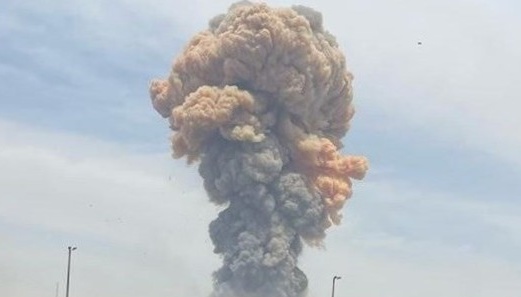

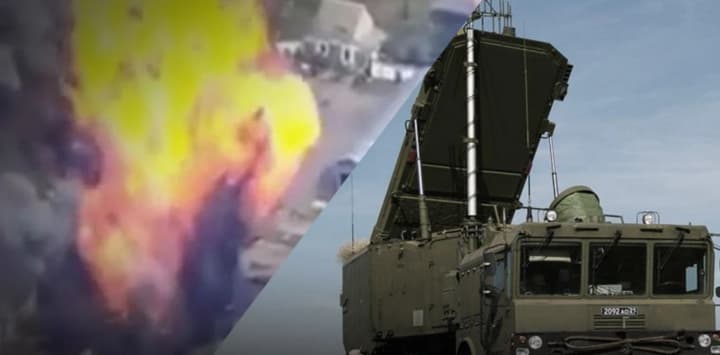

Geopolitical Supply Chain Disruption | Cross-Border Sellers Face Energy & Logistics Volatility
- Ukraine-Russia conflict escalates infrastructure strikes affecting Eastern European logistics networks, energy costs, and cross-border fulfillment routes for sellers shipping to/from affected regions



















Overview
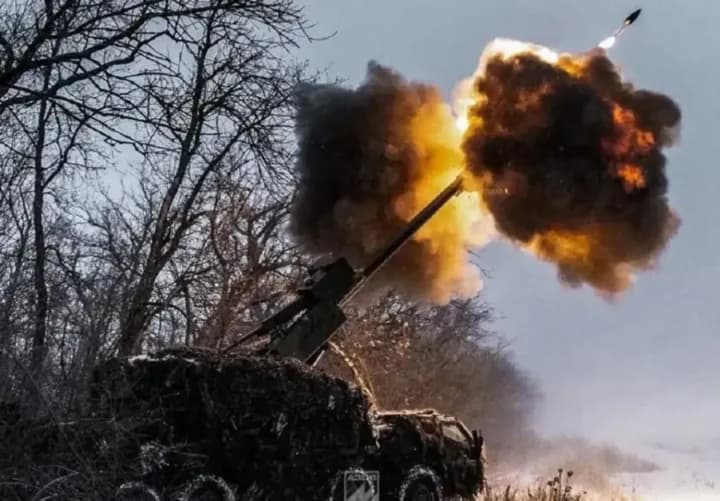
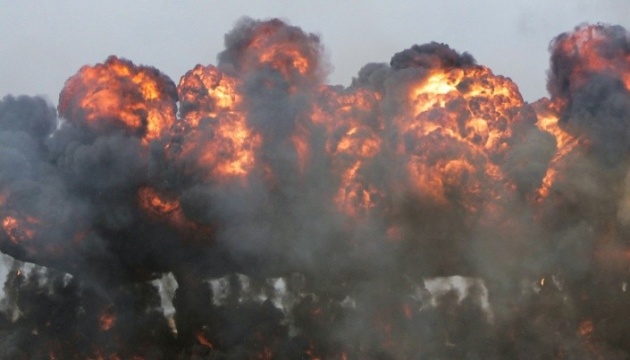
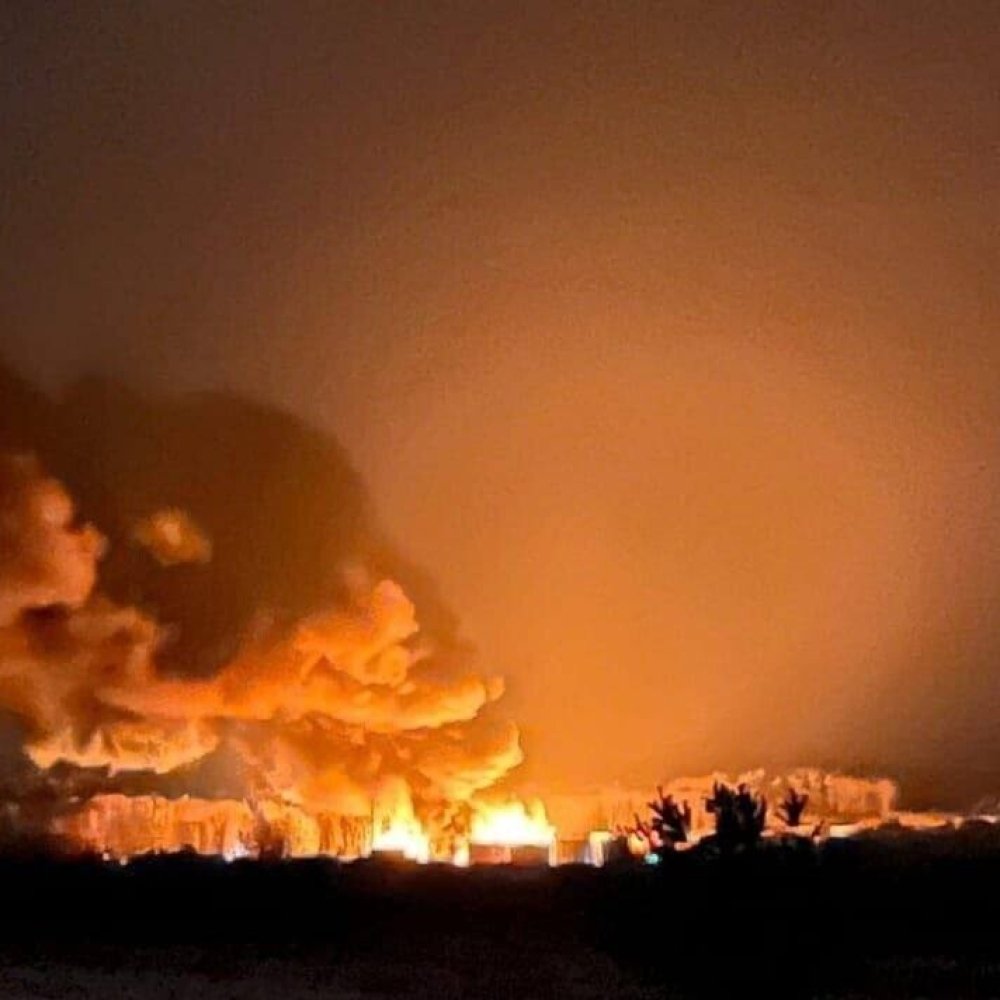
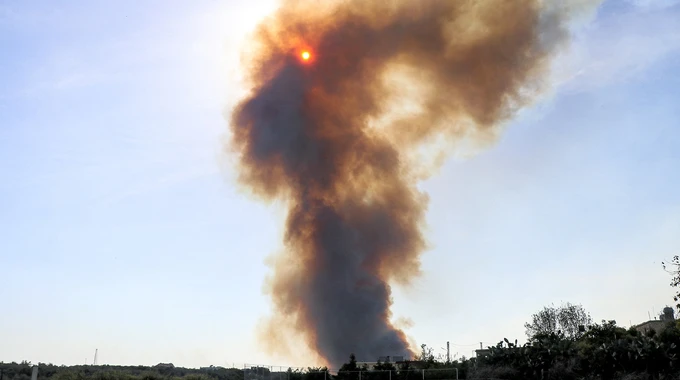
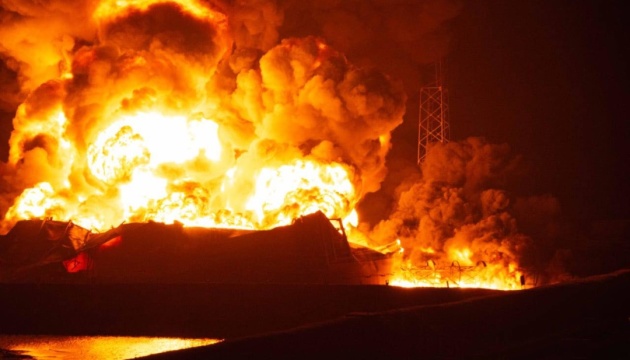
The escalating Ukraine-Russia military conflict, with documented strikes on February 5-7, 2025 targeting Russian oil depots, logistics hubs, and chemical manufacturing facilities, creates significant supply chain volatility for cross-border e-commerce sellers. The Balashovo oil depot strike in Saratov region and destruction of logistics infrastructure near Makiivka in Donetsk Oblast directly impact energy costs and transportation networks across Eastern Europe and Russia. For sellers, this translates to three critical operational challenges: (1) Rising energy costs affecting 3PL providers and fulfillment centers in Russia, Ukraine, and neighboring countries—expect 8-15% increases in logistics fees through Q2 2025; (2) Disrupted inventory routing through Eastern European corridors, forcing sellers to reroute shipments through alternative logistics providers at 12-20% premium costs; (3) Increased insurance and compliance costs for sellers maintaining operations in conflict-adjacent regions.
Immediate market implications: Sellers with inventory in Russian or Ukrainian fulfillment centers face 30-60 day delays in shipment processing as logistics hubs rebuild operations. The chemical facility strike targeting Decylin-M production (used in military systems) signals broader industrial disruption—civilian manufacturing sectors sharing infrastructure with defense operations face collateral supply chain impacts. Energy-intensive product categories (electronics, appliances, heavy goods) sourced from or shipped through Russia/Ukraine will see 5-12% cost increases as fuel prices spike. Sellers currently using DPD, Hermes, or regional 3PLs with Eastern European operations should audit alternative routing options immediately.
Strategic seller response: Diversify fulfillment networks away from conflict-affected regions—consider shifting 20-30% of Eastern European inventory to Central European hubs (Poland, Czech Republic) where logistics costs remain stable. Monitor energy commodity prices (Brent crude, natural gas) as proxies for logistics cost inflation; when energy spikes 10%+, expect carrier surcharges within 2-3 weeks. For sellers targeting Russian and Ukrainian consumers, implement dynamic pricing strategies accounting for 15-25% logistics cost increases. Cross-border sellers should evaluate geopolitical risk insurance for inventory in transit through affected corridors and establish backup supplier relationships in non-conflict regions.
Questions 8
How does the chemical facility strike affect product sourcing for sellers?
The SBU strike on the Tver Region chemical facility manufacturing Decylin-M (rocket fuel component) signals broader industrial disruption in Russia's chemical sector. While this specific facility serves military applications, civilian chemical manufacturing often shares infrastructure, supply chains, and logistics networks with defense sectors. Sellers sourcing industrial chemicals, polymers, or specialty materials from Russia should audit supplier operations immediately. Expect 2-4 week delays in chemical shipments and 10-15% price increases as suppliers rebuild capacity. Consider diversifying sourcing to non-Russian suppliers in Germany, Poland, or India. For sellers in cosmetics, pharmaceuticals, or industrial goods categories, establish alternative supplier relationships within 30 days to mitigate supply disruption risk.
Should I move inventory out of Russian and Ukrainian fulfillment centers?
Yes, sellers should prioritize relocating 20-30% of inventory from Russian and Ukrainian fulfillment centers to Central European alternatives (Poland, Czech Republic, Slovakia) within 30-60 days. The news reports ongoing military strikes on logistics infrastructure near Makiivka in Donetsk Oblast and multiple drone command posts, indicating sustained targeting of supply chain assets. Expect 30-60 day processing delays as hubs rebuild operations. Relocation costs ($0.50-1.50 per unit) are offset by avoiding 15-25% logistics surcharges and reducing inventory loss risk. Sellers maintaining operations in conflict regions should establish backup supplier relationships and implement geopolitical risk insurance for in-transit inventory.