


Microscopic Robots: The Next Frontier of Technological Miniaturization
- Breakthrough in nano-robotics signals transformative potential for precision engineering and medical technologies



Overview
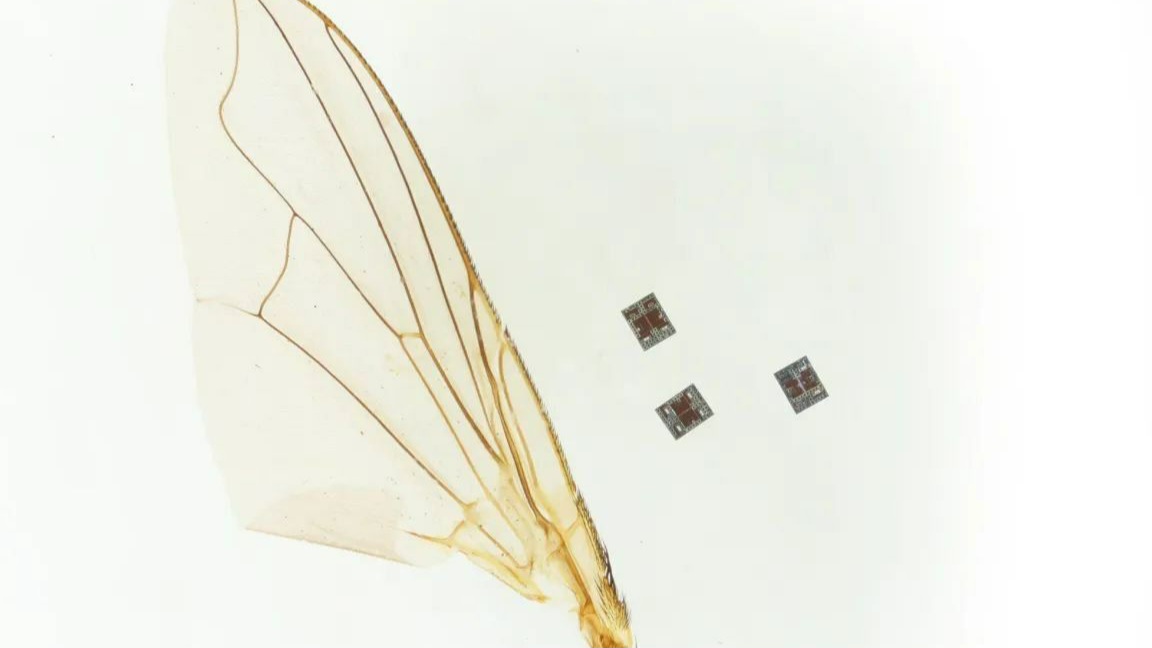
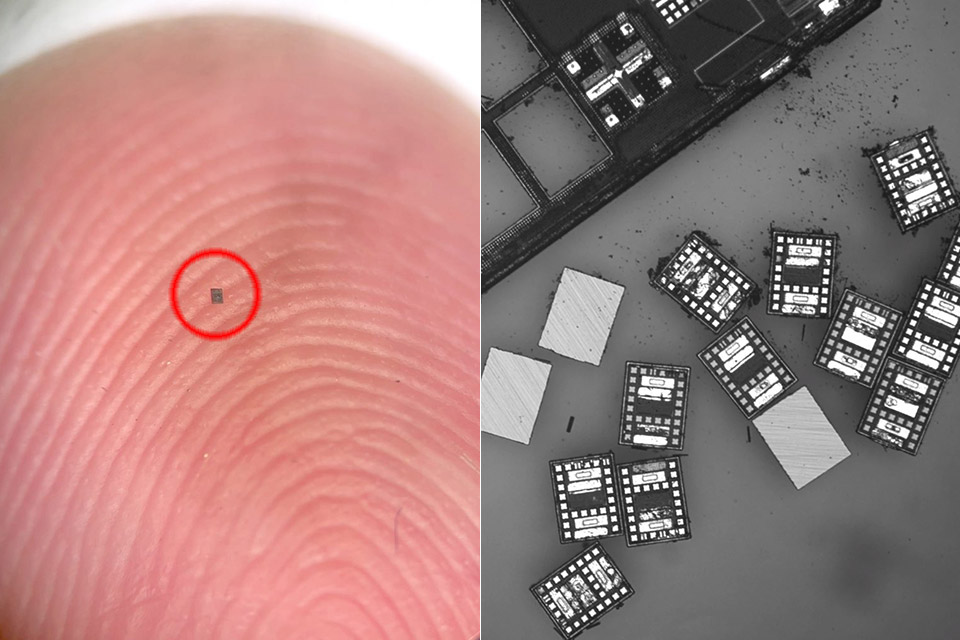
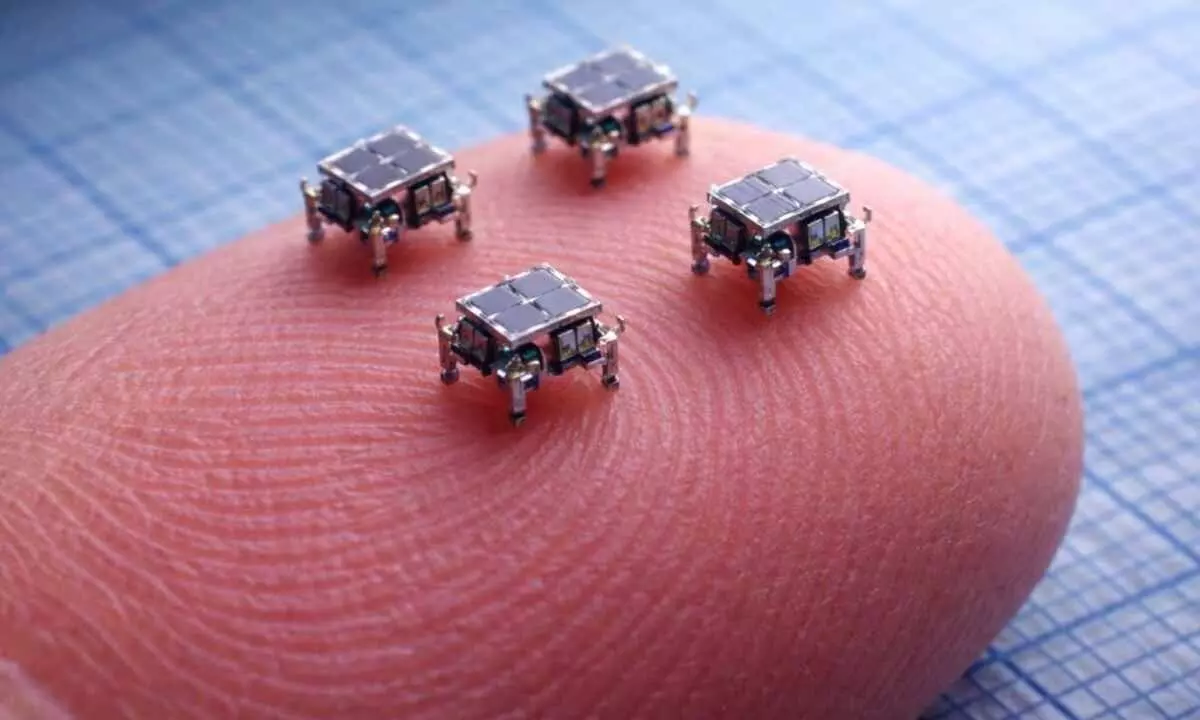
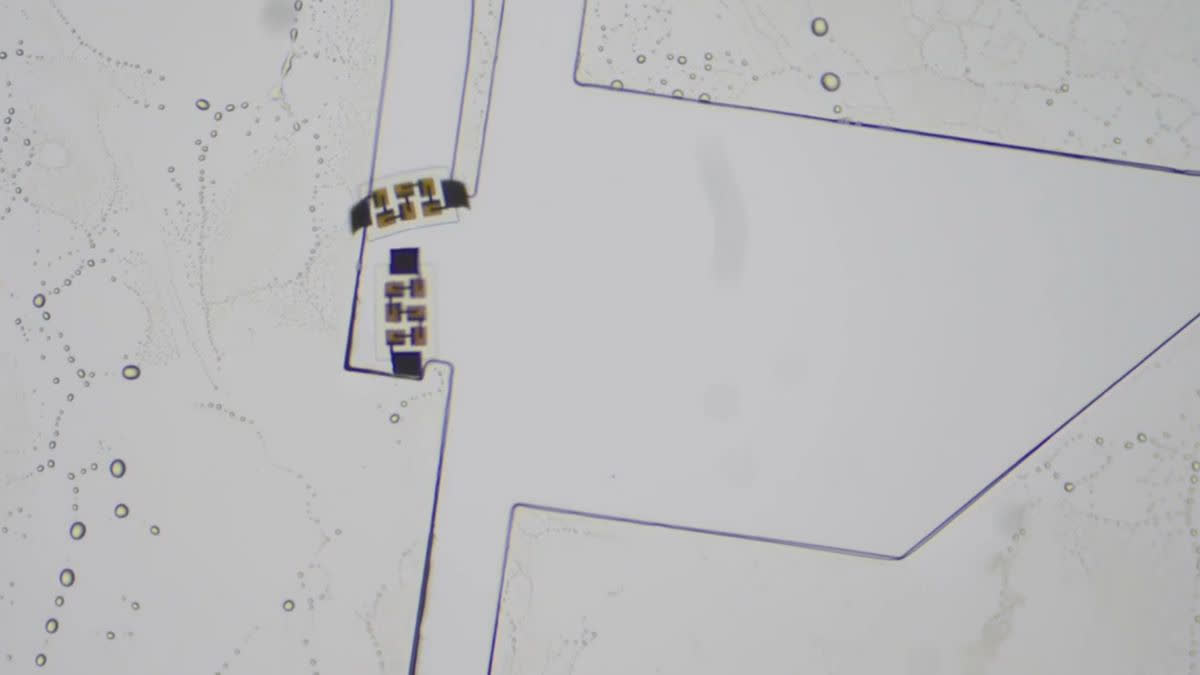
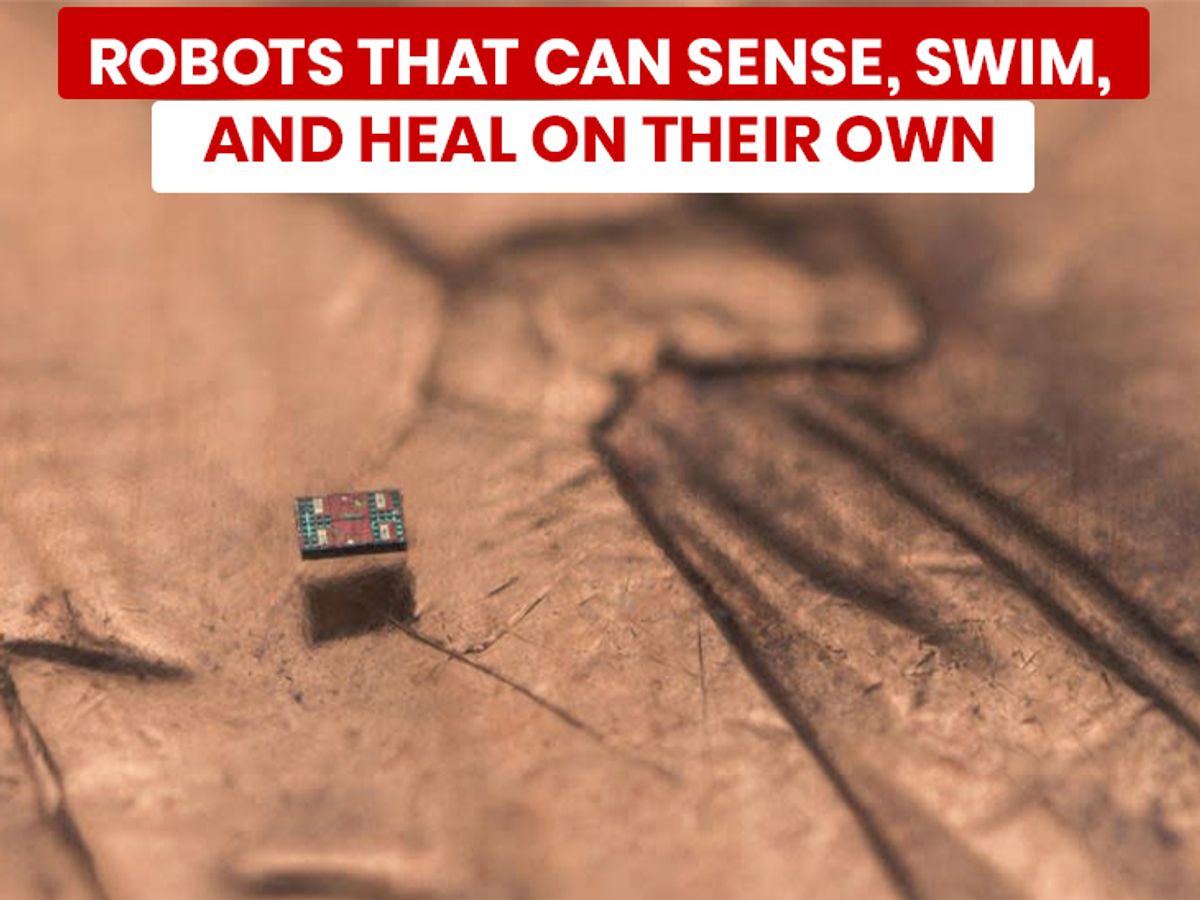
The emergence of microscopic programmable robots represents a watershed moment in technological innovation, bridging the gap between theoretical potential and practical application. Scientists from the University of Pennsylvania and University of Michigan have achieved an extraordinary breakthrough by developing autonomous robots measuring just 200 by 300 by 50 micrometers—smaller than a grain of salt and costing merely one penny.
These nano-scale machines demonstrate unprecedented capabilities that challenge our traditional understanding of robotics. Powered by light and equipped with microscopic computers, they can navigate complex environments, detect temperature changes within a third of a degree Celsius, and operate autonomously for months. The technological sophistication is remarkable: using unique electrical field manipulation techniques, these robots can move through solutions, sense environmental changes, and communicate through coded movements without traditional mechanical components.
The strategic implications extend far beyond laboratory curiosities. For cross-border e-commerce and technology sectors, these micro-robots represent a potential game-changing innovation in precision manufacturing, medical diagnostics, and microscale device construction. They are 10,000 times smaller than previous autonomous devices, opening unprecedented possibilities for targeted sensing and manipulation at cellular levels. Potential applications range from cellular health monitoring to ultra-precise environmental sensing, suggesting a future where technological intervention becomes increasingly granular and sophisticated.
Critically, this breakthrough is not about immediate deployment but about expanding the boundaries of what's technologically possible. The robots consume minimal power—just 75 nanowatts—and each has a unique identifier for individualized programming. This suggests a future where intelligent autonomous systems can operate at microscopic scales, potentially revolutionizing fields like medical research, manufacturing quality control, and advanced sensing technologies.
The research marks an early stage in micro-robotics development, with researchers anticipating future versions featuring enhanced capabilities, more complex programming, faster movement, and expanded sensor integration. For forward-thinking organizations, the message is clear: the next technological frontier is not about size, but about intelligent miniaturization that can transform how we understand and interact with complex systems.
Questions 3
What are the most promising potential applications for these microscopic robots?
The most promising applications include cellular health monitoring, ultra-precise environmental sensing, microscale device construction, and targeted medical research. Their ability to detect minute temperature changes and navigate complex microscopic environments makes them potentially revolutionary in fields like medical diagnostics, precision manufacturing, and advanced scientific research.
When might these microscopic robots become commercially viable?
While currently in early research stages, experts suggest initial commercial applications could emerge within 5-10 years. The current focus is on refining programming complexity, movement speed, and sensor integration. Industries like medical technology and precision manufacturing are likely to be the first to explore practical implementations of this breakthrough technology.