



Wisconsin Measles Outbreak 2026 | Supply Chain & Workforce Risk for E-Commerce Sellers
- 1,563 US measles cases in 2026 threaten fulfillment center operations; sellers with Wisconsin distribution hubs face 14-day quarantine protocols affecting inventory velocity












Overview
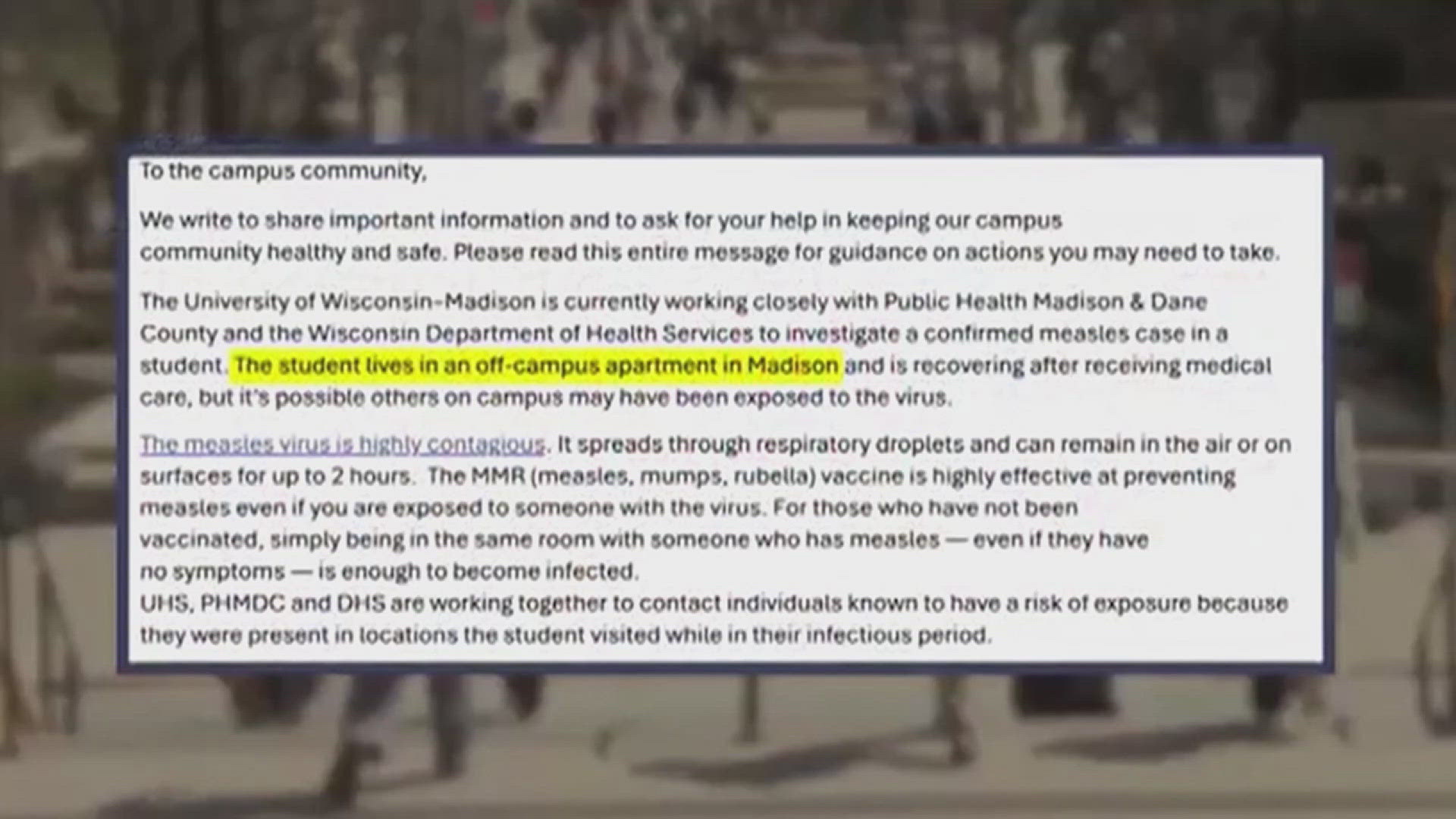
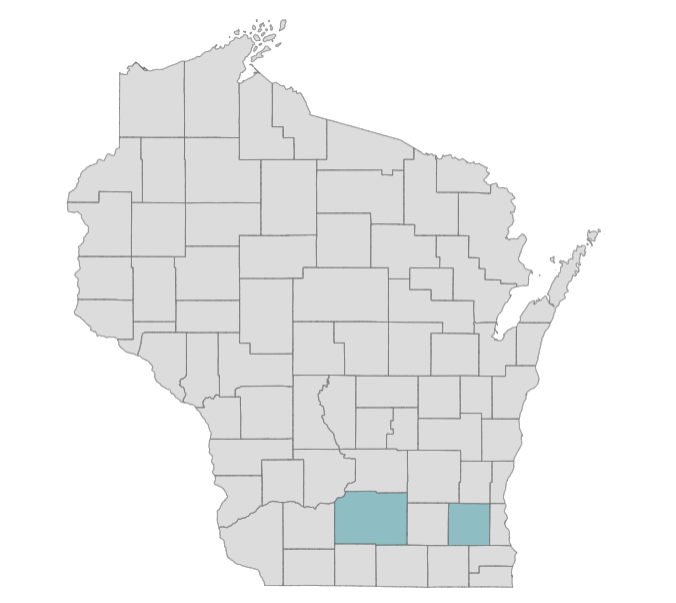
The 2026 measles outbreak across Wisconsin presents a critical operational risk for e-commerce sellers managing fulfillment infrastructure in the region. With 1,563 confirmed measles cases reported nationally and confirmed cases in Milwaukee, Dane County, and Waukesha County, sellers operating distribution centers, 3PL facilities, and fulfillment hubs in Wisconsin face significant workforce disruption and supply chain continuity challenges. The outbreak, traced to air travel exposure on Southwest Airlines Flight WN 266 (Phoenix to Milwaukee, January 29, 2026) and community spread detected in Walworth County wastewater, demonstrates how rapidly infectious diseases can impact logistics networks that depend on continuous human operations.
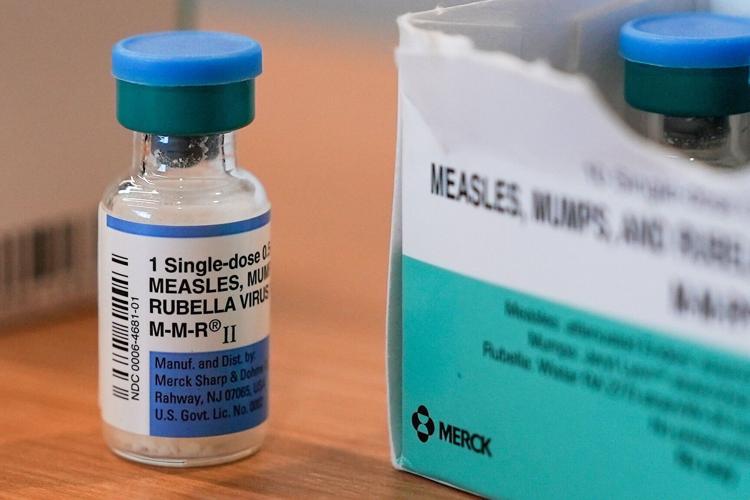
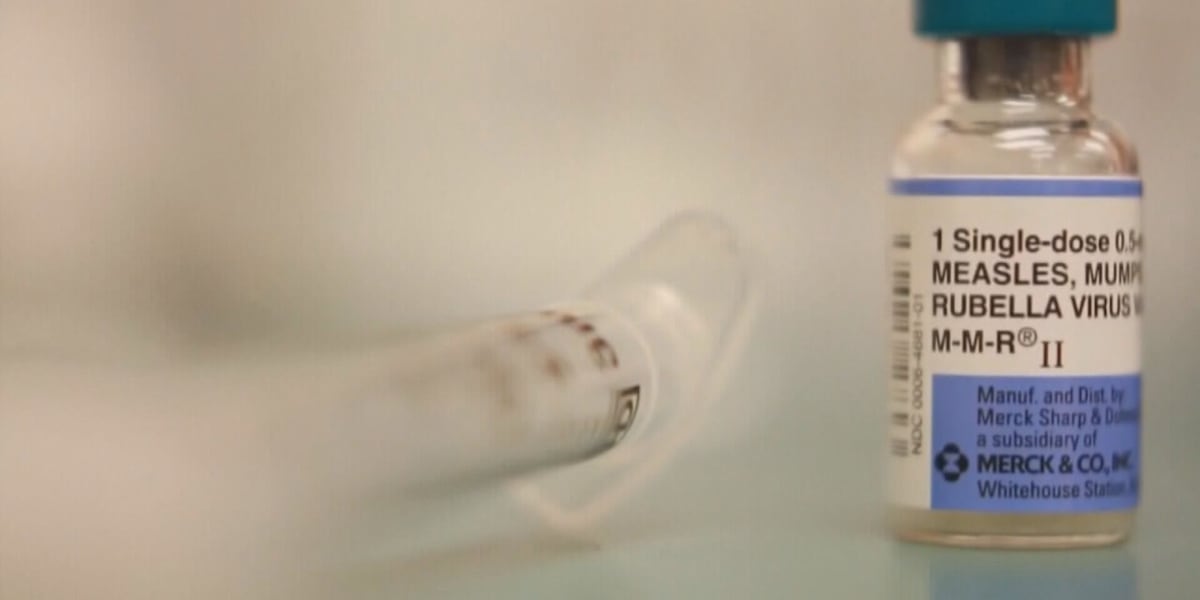
Operational Impact for Sellers: The measles infectious period spans 9 days (beginning before symptom onset and continuing 4 days after rash appearance), creating extended quarantine windows that directly affect fulfillment capacity. Health authorities are requiring unvaccinated individuals with exposure to quarantine for approximately 14 days, potentially reducing warehouse staffing by 10-25% during peak seasons. For sellers operating Amazon FBA facilities, 3PL warehouses, or private fulfillment centers in Wisconsin, this translates to delayed order processing, increased fulfillment times, and potential inventory backlog. The MMR vaccine demonstrates 97% effectiveness in preventing measles, making vaccination compliance a critical operational metric. Sellers must immediately audit employee vaccination records and implement health monitoring protocols at high-traffic transportation hubs (airports, distribution centers) that serve as critical nodes in e-commerce logistics networks.
Product Category Opportunities: The outbreak creates demand spikes in health and wellness categories. Sales of home health monitoring devices (thermometers, pulse oximeters), immune-support supplements, and personal protective equipment typically increase 30-50% during disease outbreaks. Sellers in the vitamins/supplements category can capitalize on consumer anxiety by promoting immune-boosting products (vitamin C, zinc, elderberry formulations). Additionally, demand for telemedicine-related products and home healthcare supplies increases as consumers avoid medical facilities. The wastewater detection in Walworth County signals potential community spread, which historically drives 40-60% increases in wellness product searches on Amazon and eBay during outbreak periods.
Risk Mitigation Requirements: Sellers with Wisconsin operations must establish contingency staffing plans, diversify fulfillment across multiple geographic regions to reduce single-point-of-failure risk, and monitor Wisconsin Department of Health Services updates daily. The situation underscores the importance of vaccination compliance and health monitoring in high-traffic transportation hubs. Sellers should consider shifting 15-20% of inventory to alternative 3PL providers outside Wisconsin and implement remote work protocols for non-warehouse staff to maintain business continuity. Cost implications include potential 8-12% increases in fulfillment fees if backup 3PL providers are engaged, plus administrative costs for vaccination verification and health screening programs.
Questions 7
How does the Wisconsin measles outbreak affect Amazon FBA sellers with fulfillment centers in the region?
Amazon FBA sellers operating in Wisconsin face potential fulfillment delays due to workforce quarantine protocols. The 14-day quarantine requirement for unvaccinated exposed employees can reduce warehouse staffing by 10-25%, directly impacting order processing speed and inventory velocity. Sellers should verify employee vaccination records immediately (MMR vaccine is 97% effective) and consider diversifying inventory across multiple FBA regions to mitigate single-point-of-failure risk. Monitor Wisconsin Department of Health Services updates daily for exposure location changes that may affect specific fulfillment centers.
What product categories see increased demand during measles outbreaks like the 2026 Wisconsin situation?
Health and wellness categories typically experience 30-50% sales increases during disease outbreaks. Sellers should prioritize inventory in immune-support supplements (vitamin C, zinc, elderberry), home health monitoring devices (thermometers, pulse oximeters), and personal protective equipment. Telemedicine-related products and home healthcare supplies also see demand spikes as consumers avoid medical facilities. The wastewater detection in Walworth County signals potential community spread, which historically drives 40-60% increases in wellness product searches on Amazon and eBay, creating a 2-4 week sales window for prepared sellers.