





Geopolitical Risk & Supply Chain Vetting | Cross-Border Sellers Must Monitor Sanctions Compliance 2026
- February 2026 DOJ document release reveals 3M+ pages exposing international networks; sellers face heightened due diligence requirements for Russian suppliers, payment processors, and tech vendors



















Overview
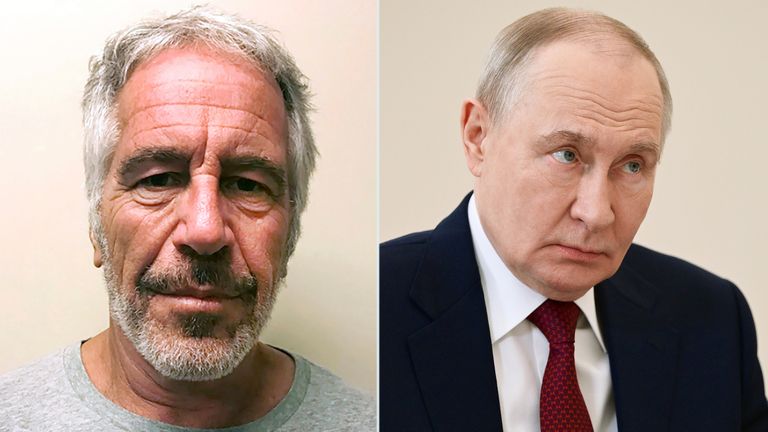
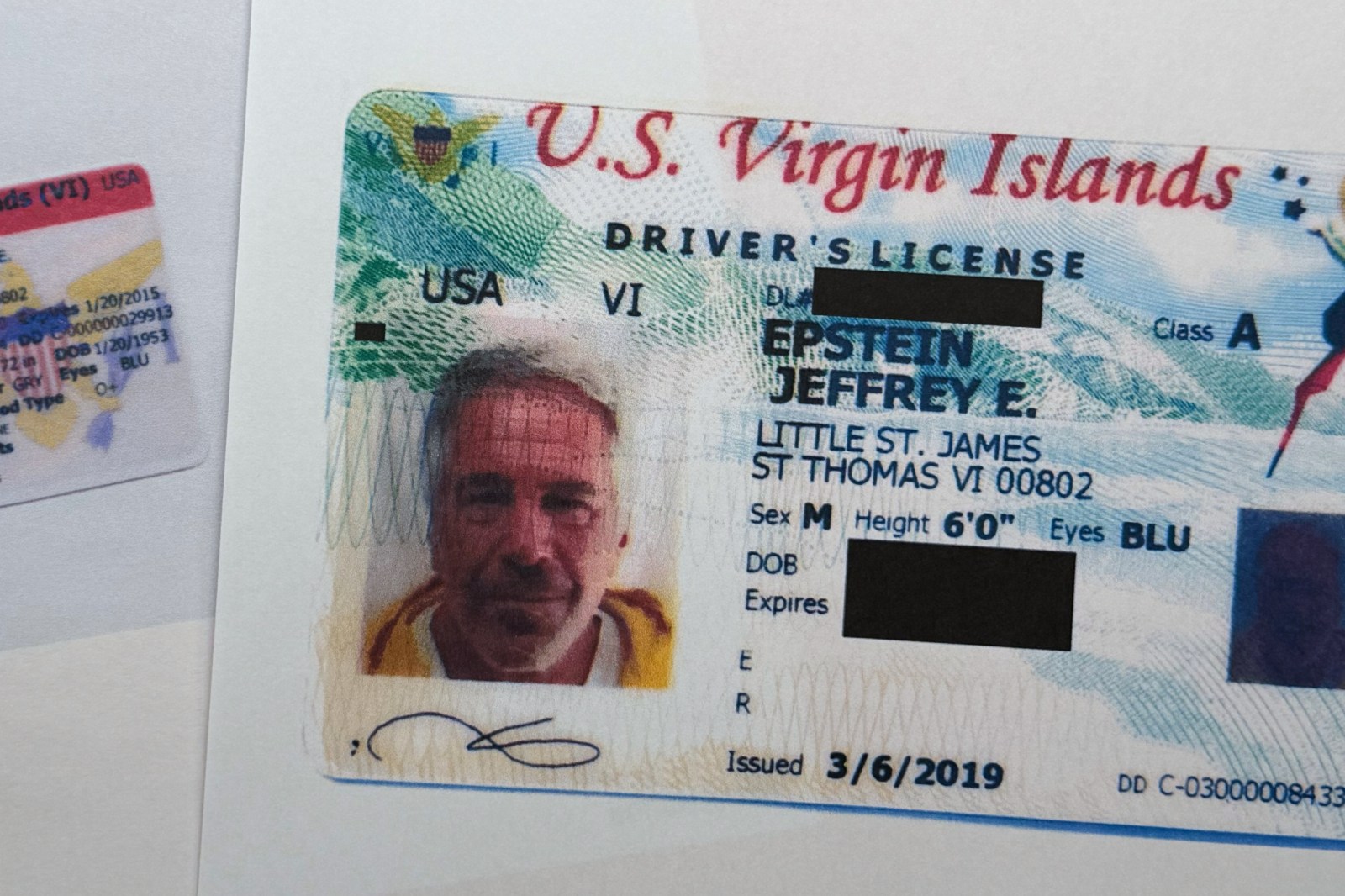
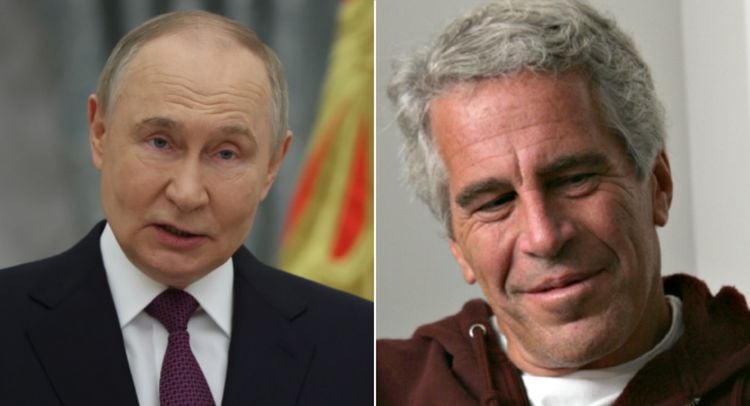
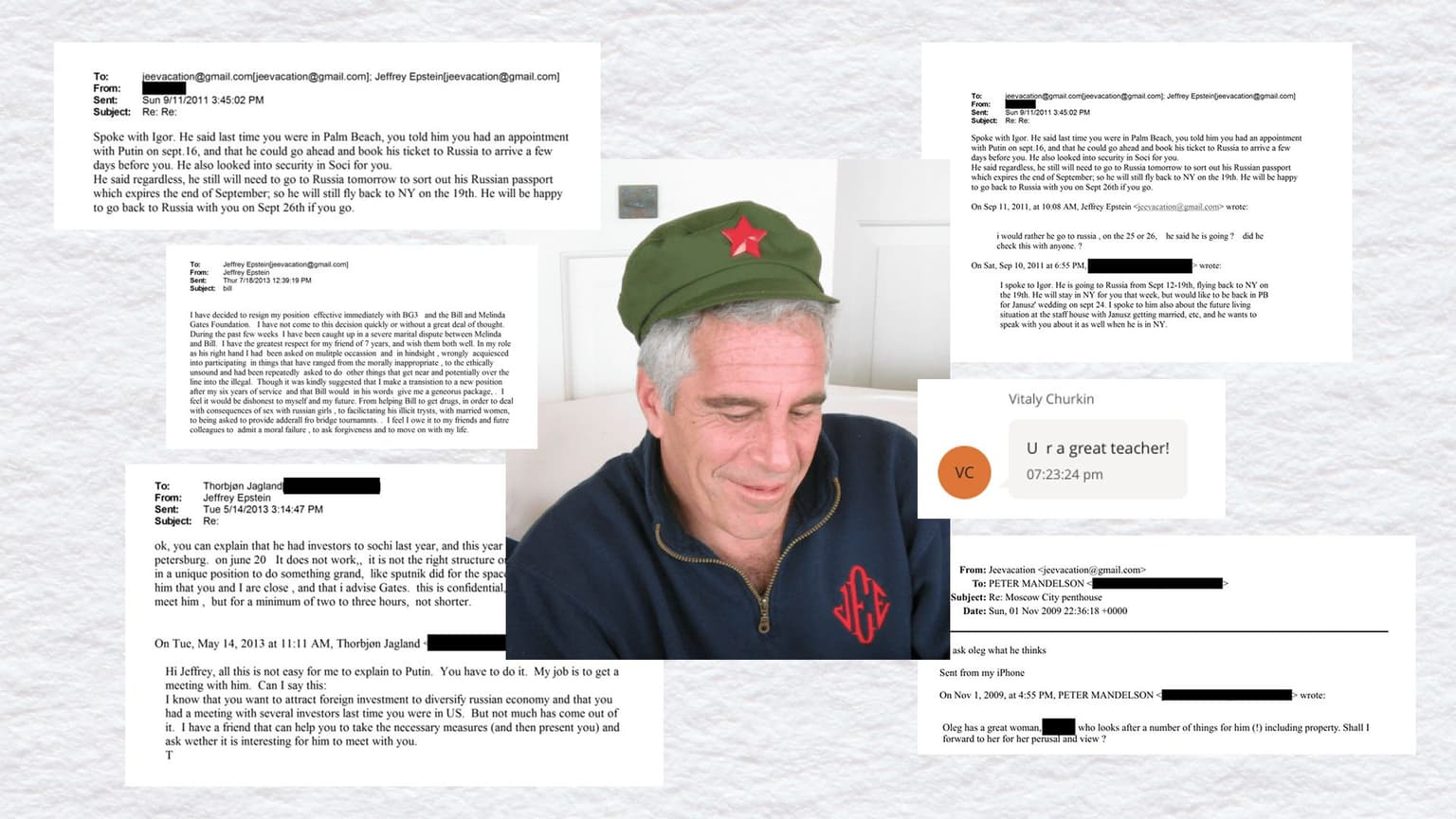
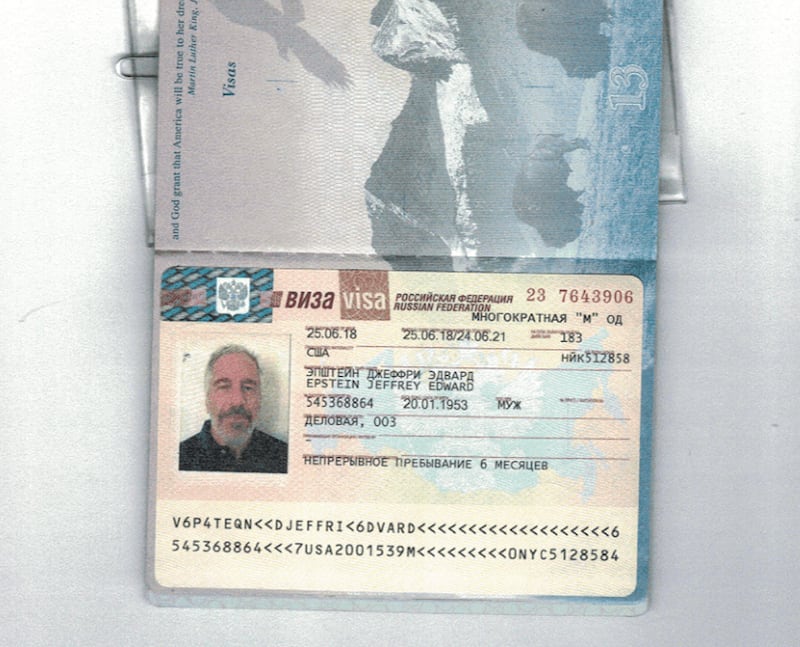
The February 2026 Department of Justice release of approximately 3 million pages of documents related to Jeffrey Epstein's international business network has triggered significant geopolitical scrutiny that directly impacts cross-border e-commerce operations. The investigation reveals Epstein maintained professional relationships with Russian expatriate technology investors including Masha Drokova (operating as Bucher at Day One Ventures) and individuals with documented Kremlin connections. While the criminal case focuses on Epstein's activities, the broader implications for e-commerce sellers center on heightened sanctions compliance requirements, vendor vetting protocols, and payment processor scrutiny.
For cross-border sellers, this development signals intensified U.S. intelligence agency monitoring of technology investors and financial intermediaries with Russian ties. The documents contain over 1,056 mentions of Putin and nearly 10,000 references to Moscow, indicating systematic relationship-building that U.S. officials have flagged as warranting investigation. This creates operational consequences: sellers using Russian-based payment processors, logistics partners, or technology vendors may face increased compliance audits from Amazon Seller Central, eBay, Shopify, and payment platforms like Stripe and PayPal. The intelligence community's prior scrutiny of these investors suggests their activities attracted official attention, meaning any business relationships with similarly-connected individuals could trigger account reviews or suspension.
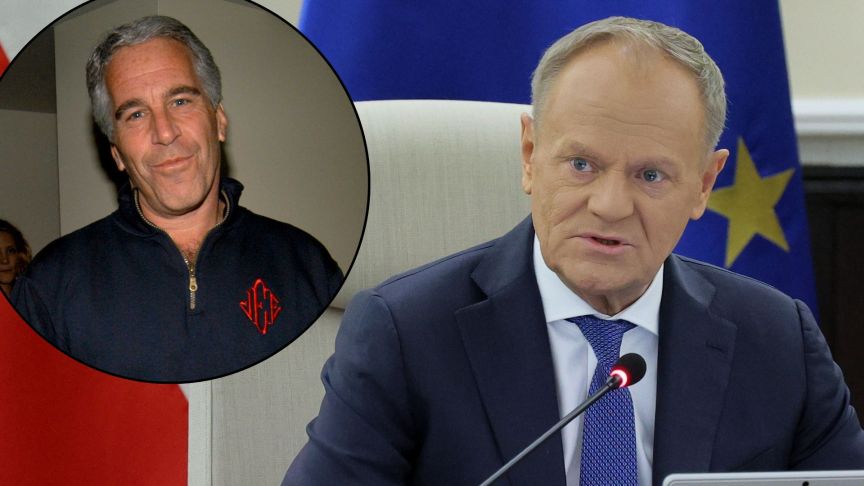
The timing of this disclosure (February 6, 2026 update) coincides with heightened geopolitical tensions and international investigations announced by Polish Prime Minister Donald Tusk and Norway's Økokrim unit. This creates a cascading effect: platforms are likely to implement stricter vendor verification processes, particularly for sellers sourcing from Eastern Europe or Russia, or using intermediaries with international connections. Sellers should expect increased requests for beneficial ownership documentation, sanctions screening results, and proof of legitimate business relationships. The Polish investigation into potential trafficking networks and Russian intelligence operations suggests governments are expanding their scrutiny beyond financial crimes to include supply chain integrity. For sellers operating in the technology, electronics, or software categories—sectors where Russian investors have historically been active—compliance costs may increase 15-25% as platforms implement enhanced due diligence protocols similar to those required for OFAC (Office of Foreign Assets Control) compliance.
Questions 8
What payment processors are most affected by the Epstein investigation findings?
Stripe, PayPal, and Square are implementing stricter compliance protocols for sellers with Russian or Eastern European connections following the intelligence community's scrutiny revealed in the documents. The investigation shows systematic relationship-building between business figures and Kremlin-linked entities, prompting payment processors to increase due diligence requirements. Sellers may experience 5-10 business day delays in payment processing, mandatory compliance documentation, or account restrictions. Processors are particularly focused on technology, software, and financial services categories where Russian investors have been historically active. Consider diversifying payment methods and maintaining detailed transaction documentation to demonstrate legitimate business operations.
Should I stop sourcing from Eastern European suppliers after these revelations?
Not necessarily, but implement enhanced due diligence protocols immediately. The documents don't implicate all Eastern European business relationships—they specifically highlight individuals with documented Kremlin connections like Masha Drokova and Sergey Belyakov. Legitimate suppliers can continue operations with proper vetting. Conduct OFAC screening, verify beneficial ownership, request compliance certifications, and document all business relationships. The Polish government's investigation (announced February 4, 2026) focuses on trafficking networks, not routine commerce. Sellers should expect 15-25% increased compliance costs but can maintain supply chains through transparent documentation and third-party vendor verification services. Avoid intermediaries with unclear ownership structures or international connections.