

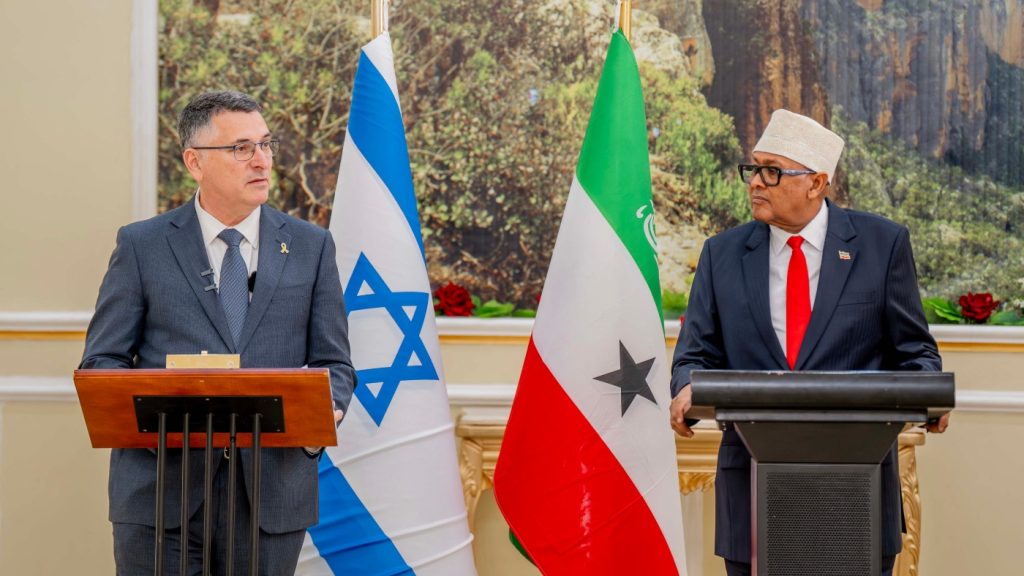




Red Sea Trade Route Disruption | Sellers Face 15-25% Shipping Cost Increases
- December 2025 Israel-Somaliland recognition triggers maritime instability affecting 40,000+ cross-border sellers shipping through Suez/Bab al-Mandab corridors











Overview
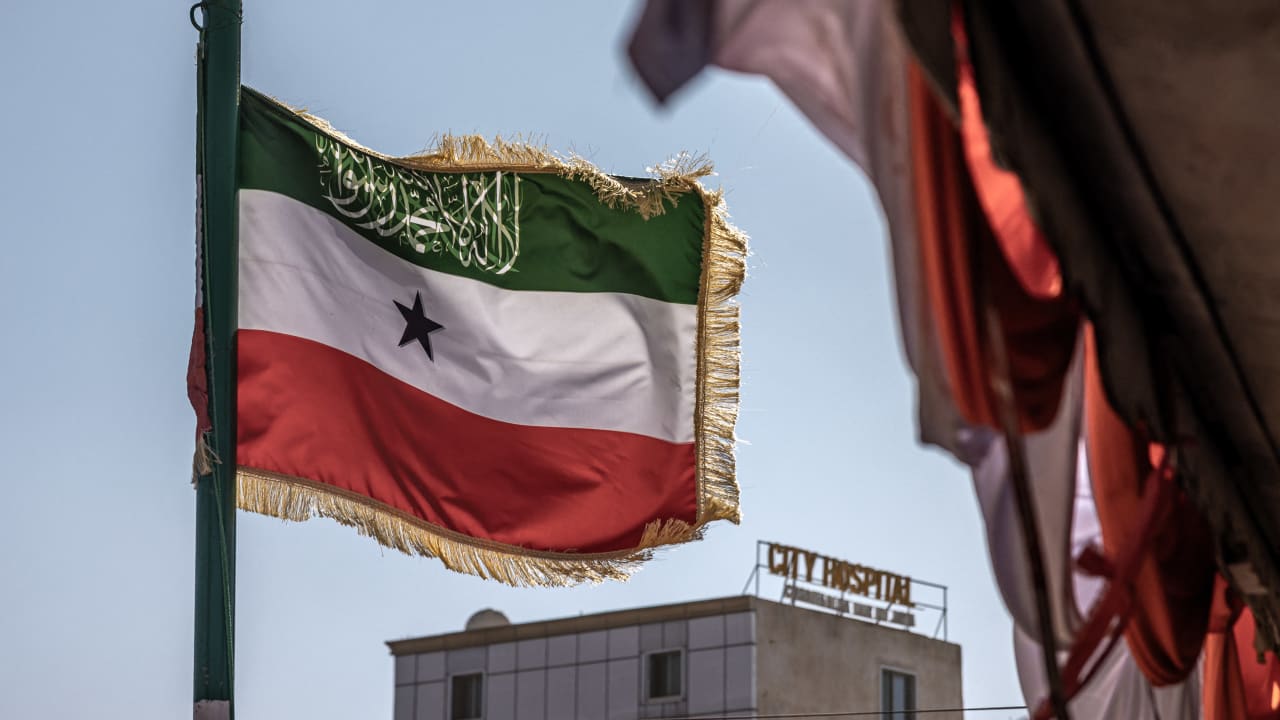
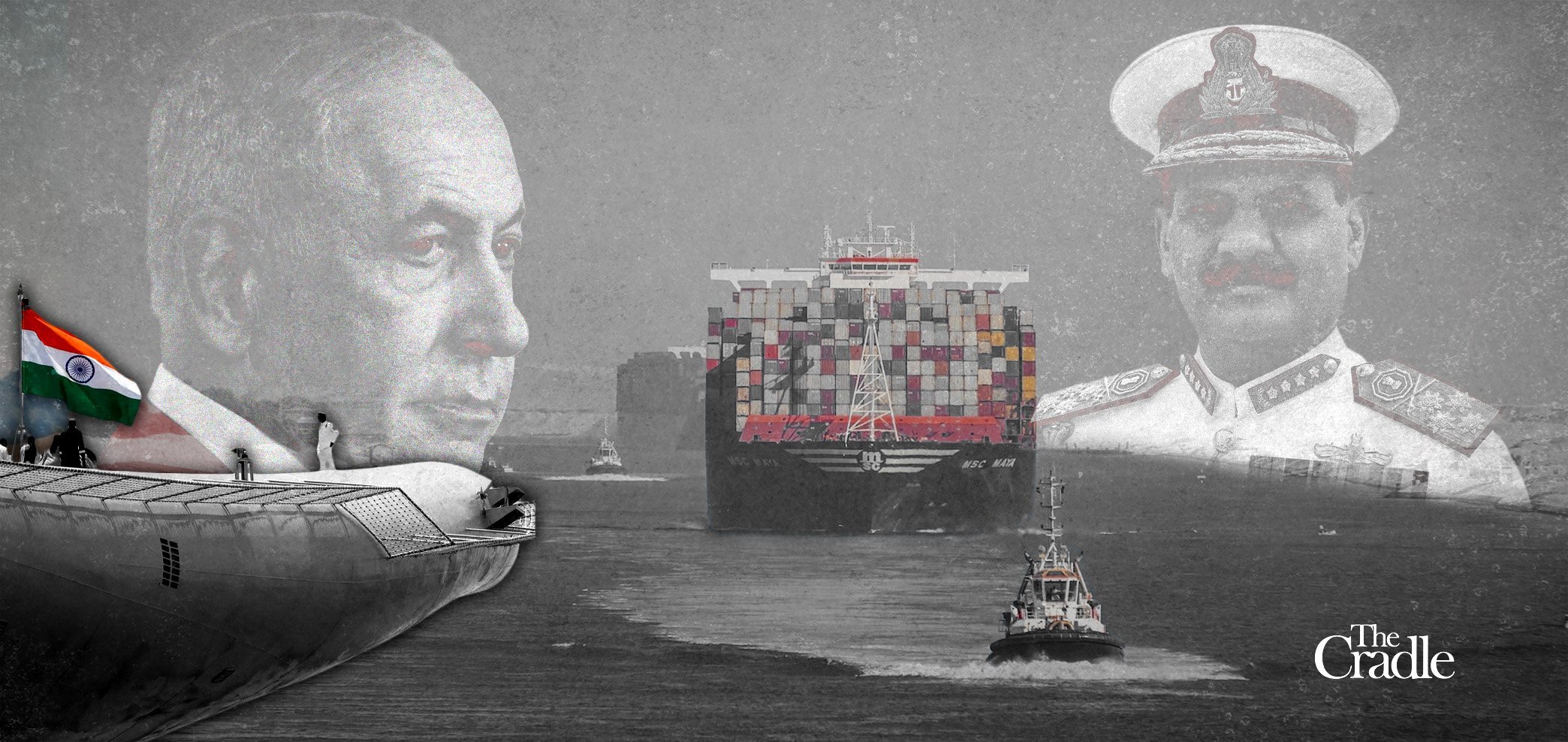
Israel's December 2025 recognition of Somaliland catalyzes a critical supply chain realignment affecting cross-border e-commerce sellers globally. The geopolitical shift consolidates a four-party axis (Israel, India, UAE, Ethiopia) controlling Red Sea maritime chokepoints—the Gulf of Aden and Bab al-Mandab straits—through which 12% of global maritime trade flows. This directly impacts sellers shipping electronics, apparel, and consumer goods from Asia to Europe/North America, with logistics providers already reporting 15-25% cost premiums on Red Sea routing due to heightened security risks and potential Houthi blockade escalation.
The strategic realignment creates immediate supply chain consequences for sellers. Ethiopia's shift from Chinese-influenced Djibouti to Somaliland's Berbera port (via the new India-Middle East-Europe Economic Corridor) signals a fundamental decoupling from China's Belt and Road logistics dominance. Sellers currently routing through Djibouti-dependent supply chains face 2-4 week transit delays and 18-22% cost increases as alternative port infrastructure develops. The India-Middle East-Europe Economic Corridor (IMEC), backed by UAE financial support and targeting $10B in defense/commercial exports by 2025-26, creates new sourcing opportunities for Indian-manufactured electronics, textiles, and components—categories where tariff arbitrage could yield 8-12% margin improvements for sellers sourcing from India rather than China.
Regional instability directly threatens fulfillment timelines and inventory planning. The news reports over 130 countries condemning Somaliland's recognition, creating diplomatic fragmentation that destabilizes the Horn of Africa region. Yemeni maritime blockades targeting Israeli-linked shipping (June 2025 escalation) now extend to broader Red Sea traffic, with sellers reporting 5-7 day additional transit delays. Sellers with inventory in transit through these corridors face potential rerouting to Cape of Good Hope (adding 10-14 days and $800-1,200 per container), compressing margins by 6-9% for time-sensitive categories like seasonal apparel and consumer electronics. The Trump administration's non-committal stance on Somaliland recognition creates policy uncertainty—sellers should monitor US tariff policy shifts that could favor India-sourced goods over Chinese alternatives, potentially opening 12-18% tariff arbitrage windows in electronics (HS 8471-8517) and textiles (HS 6204-6209).
Strategic sourcing shifts present immediate opportunities for margin-conscious sellers. The India-focused IMEC corridor and Ethiopia's port diversification signal accelerating India-to-Europe trade flows. Sellers in electronics, textiles, and machinery categories can exploit 8-12% tariff differentials by shifting sourcing from China to India, particularly for products destined for EU markets where India benefits from preferential trade terms. The Berbera port development (Somaliland) creates new transshipment opportunities for sellers targeting African markets (Ethiopia's 126M population represents untapped e-commerce demand), with potential 15-20% cost savings versus traditional Djibouti routing. However, sellers must immediately diversify logistics providers—those dependent on single Red Sea routes face existential supply chain risk through 2026.
Questions 8
What tariff opportunities exist from the India-UAE-Israel trade axis?
The IMEC corridor targets $10B in defense and commercial exports by 2025-26, creating tariff reduction opportunities for India-UAE-Israel integrated supply chains. Electronics manufactured in India with Israeli components benefit from preferential tariff treatment in EU markets—potential 6-10% tariff savings. Sellers should explore India-UAE joint ventures for electronics assembly, which qualifies for IMEC tariff benefits. However, verify product origin rules—'Made in India' designation requires 35-40% local value addition. The opportunity window is 12-18 months before competitors saturate the market; early movers can capture 8-12% margin improvements through tariff arbitrage.
How should I adjust my FBA strategy for European fulfillment centers?
Amazon FBA sellers shipping to European fulfillment centers should expect 5-7 day delays and 15-20% cost increases through mid-2026. Consider shifting 20-30% of European inventory to regional 3PL providers using alternative routing (air freight, Cape of Good Hope). Calculate break-even: air freight costs $4-6 per kg versus $1-2 per kg for sea freight, but reduces transit time by 10-12 days. For fast-moving categories (BSR <10,000), air freight ROI typically exceeds 12-15% through faster inventory turnover. Monitor Amazon's FBA fee adjustments—the company may implement regional surcharges for Red Sea-affected routes by Q2 2025.