






French Political Scandal Triggers Compliance Crackdown | Cross-Border Seller Risk Alert
- High-profile money laundering investigation exposes offshore structure vulnerabilities affecting EU-based sellers and cross-border payment processors



























)














Overview
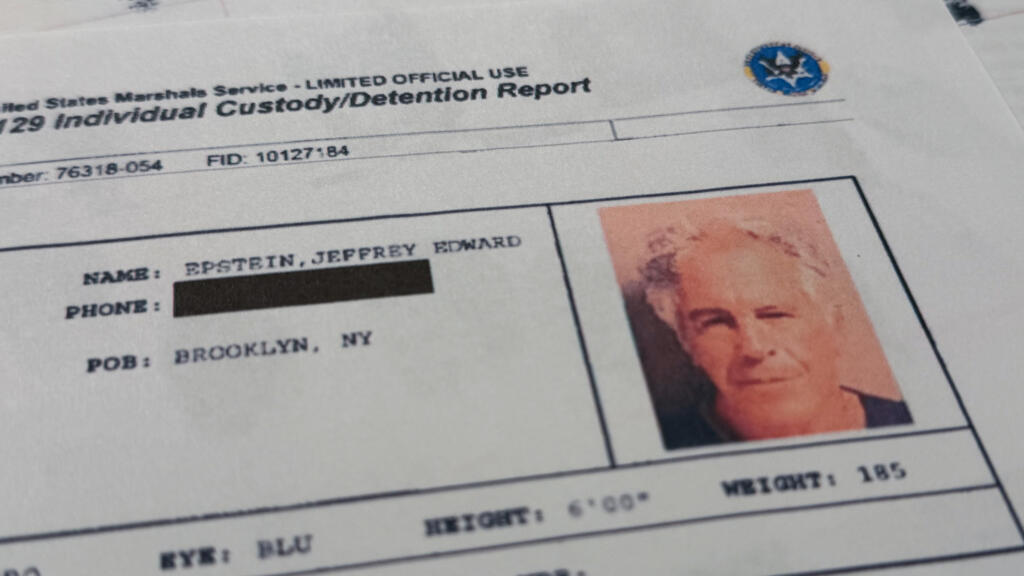
The February 2026 resignation of French politician Jack Lang as head of the Arab World Institute following revelations of his correspondence with deceased financier Jeffrey Epstein represents a critical compliance watershed moment for cross-border e-commerce sellers. The US Department of Justice's January 30, 2026 release of Epstein files—which documented Lang's communications between 2012-2019 and mentioned him over 600 times—triggered simultaneous investigations by French financial prosecutors into Lang and his daughter Caroline on suspicion of aggravated tax fraud and money laundering. This cascade of high-profile resignations (Jack Lang from the Arab World Institute on February 7, 2026; Caroline Lang from France's Independent Production Union) signals intensified regulatory scrutiny of offshore financial structures, particularly the Prytanee LLC entity registered in the US Virgin Islands that Caroline Lang co-founded in 2016.
For cross-border sellers, this investigation underscores three critical compliance vulnerabilities. First, the case demonstrates how offshore company structures—even those claiming legitimate investment purposes—face heightened regulatory exposure when connected to high-net-worth individuals. Sellers using offshore entities for tax optimization or payment processing should expect increased documentation requirements and potential account freezes. Second, the investigation's focus on money laundering rather than sexual crimes indicates that financial prosecutors are aggressively pursuing fund flow patterns, transfer timing, and beneficial ownership disclosure. Third, the broader European fallout (investigations spanning UK, Norway, and multiple countries) suggests coordinated regulatory enforcement across jurisdictions, meaning sellers cannot rely on regulatory fragmentation to avoid compliance.
The operational impact extends to payment processors and marketplace compliance. Amazon, eBay, and Shopify have strengthened Know Your Customer (KYC) protocols following similar high-profile financial scandals. Sellers with offshore payment structures, multiple business entities, or complex ownership chains should anticipate enhanced verification requests within 30-60 days. The investigation's emphasis on €5 million beneficiary designations and undisclosed offshore accounts suggests payment processors will scrutinize transaction patterns exceeding €100,000 annually. EU-based sellers shipping to multiple countries should review their beneficial ownership declarations on Amazon Seller Central and eBay Seller Hub, as misrepresentation carries penalties of 5-10% of annual revenue or €50,000-500,000 in fines under GDPR and AML regulations.
Questions 7
How does this investigation impact sellers using film production or artist investment categories?
Caroline Lang's involvement in film production and artist investment structures creates specific risk for sellers in these categories. The investigation revealed she co-founded Prytanee LLC in 2016 to invest in young artists' work, which regulators scrutinized despite claimed legitimate purposes. Sellers in film, music, art, or entertainment merchandise categories should expect enhanced compliance review, particularly if they: (1) operate through offshore entities, (2) claim investment or production purposes, or (3) have complex ownership structures. The investigation's finding that Caroline Lang received half-shares in an offshore company without documented investment or compensation suggests regulators will scrutinize equity arrangements and beneficial ownership claims. Sellers in these categories should document all business purposes, fund sources, and ownership structures with particular clarity. Risk level: High for sellers with offshore structures in entertainment categories.
What documentation should I prepare if contacted by financial regulators or payment processors?
Based on the Lang investigation's scope, prepare: (1) beneficial ownership certification (certified copy of ID for all owners >25%), (2) business purpose documentation (articles of incorporation, business plans), (3) bank statements showing fund sources for past 24 months, (4) tax returns for all entities, (5) explanation of any offshore accounts or structures, and (6) transaction records for any transfers exceeding €50,000. The investigation examined Lang's correspondence (600+ mentions in documents), suggesting regulators will request email communications and business records. Maintain organized documentation in a single folder accessible within 48 hours. Response timeline: Provide requested documentation within 14 days of regulator or processor contact. Failure to respond can result in account suspension and potential penalties of €50,000-500,000 under EU AML regulations.